
Why Your Home Still Feels Hot After the Sun Goes Down
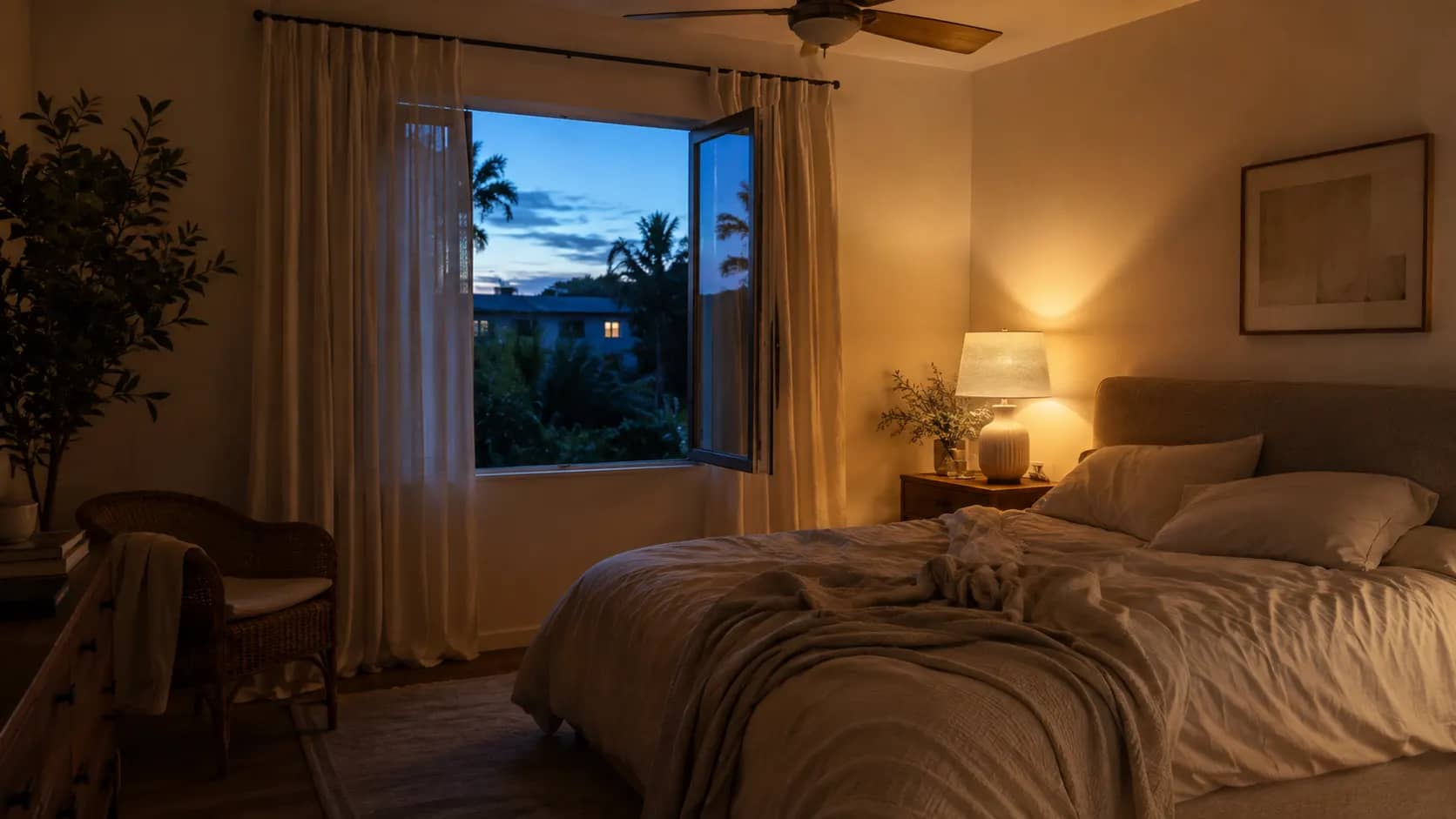
The sun has gone down. The air outside feels cooler. Yet your bedroom still feels as though it has been holding onto the entire afternoon.
It can be frustrating, especially when you are trying to sleep. You open a window, switch on a fan and remove the blanket, but the room barely changes. This happens because a home does not cool at the same speed as the outdoor air.
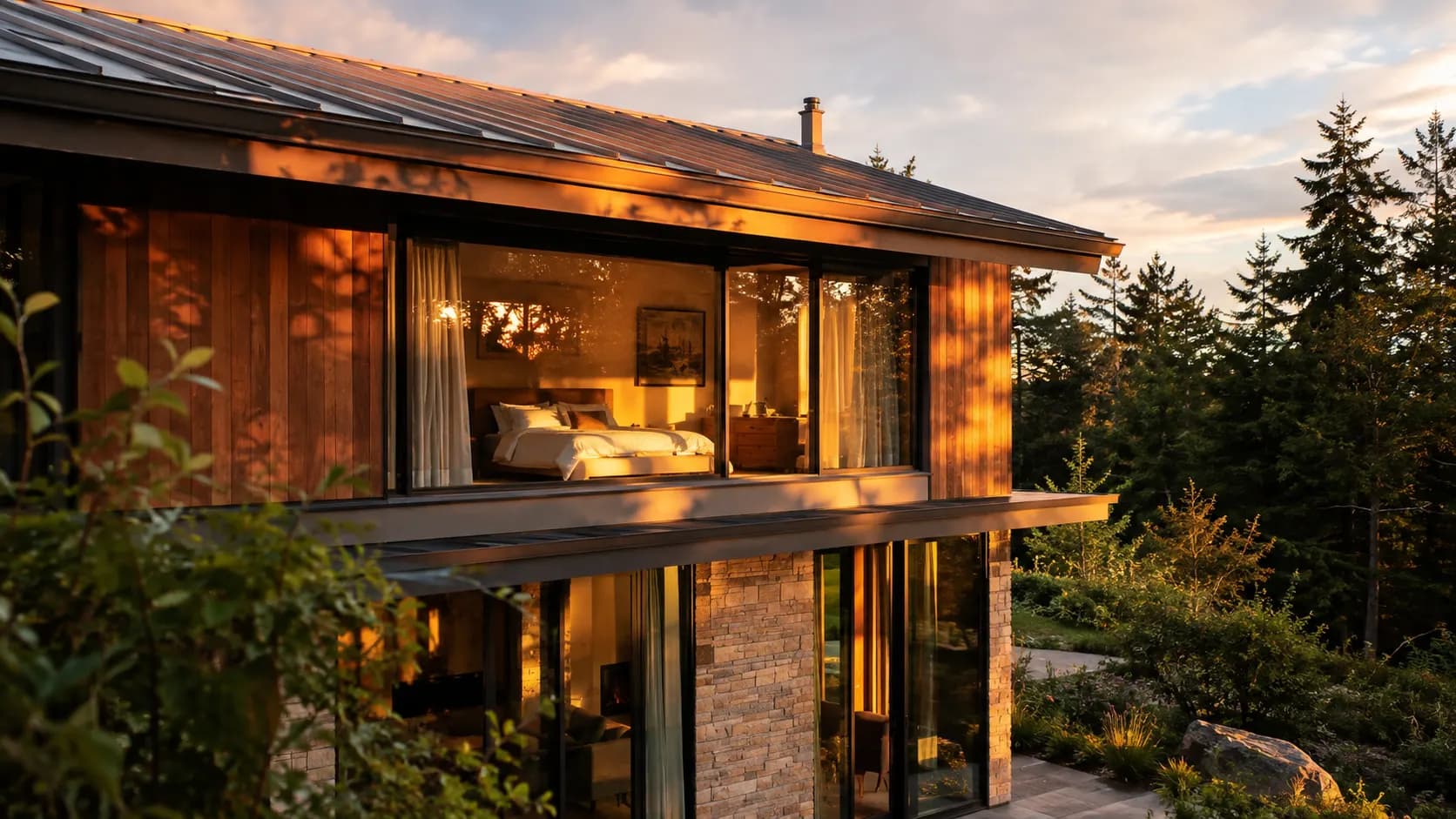
Your walls, roof, windows, floors and furniture absorb heat throughout the day. After sunset, they slowly release that stored warmth back into the room. In other words, the sun may be gone, but the heat it left behind is still inside your home.
Your Home Has Been Absorbing Heat All Day
Think about a brick wall that has been sitting in direct sunlight. Even after the shade reaches it, the wall remains warm when you touch it. Parts of your home behave in a similar way.
Roofs receive hours of direct sunlight. Walls and windows absorb heat from outside, while cooking, lighting, televisions and other appliances add warmth indoors. By evening, many surfaces inside the home are warmer than the surrounding air.
This stored heat is then released gradually. That is why the bedroom may feel hotter at nine in the evening than it did earlier in the afternoon.
Upper rooms usually suffer more. Warm air moves upward, and the ceiling may sit directly beneath a roof that has been heated all day. A bedroom with large windows facing the afternoon sun can become especially uncomfortable.
Should You Keep the Windows Open?
Opening every window seems like the obvious answer, but timing matters.
When the outdoor air is hotter than the air inside, open windows may bring more heat into the home. During the hottest hours, keeping windows closed and blocking direct sunlight can help protect the cooler air already indoors.

Keep reading
Solar Eclipse and Perseid Meteor Shower 2026: August 12 Guide
Once the temperature outside drops below the indoor temperature, open the windows. If possible, open windows on opposite sides of the home. This allows warm indoor air to escape while cooler air moves through.
You can test this without a thermometer. Stand near the open window. If the incoming air feels warmer than the room, close it and check again later.
Fans Help, but Not in the Way Many People Think
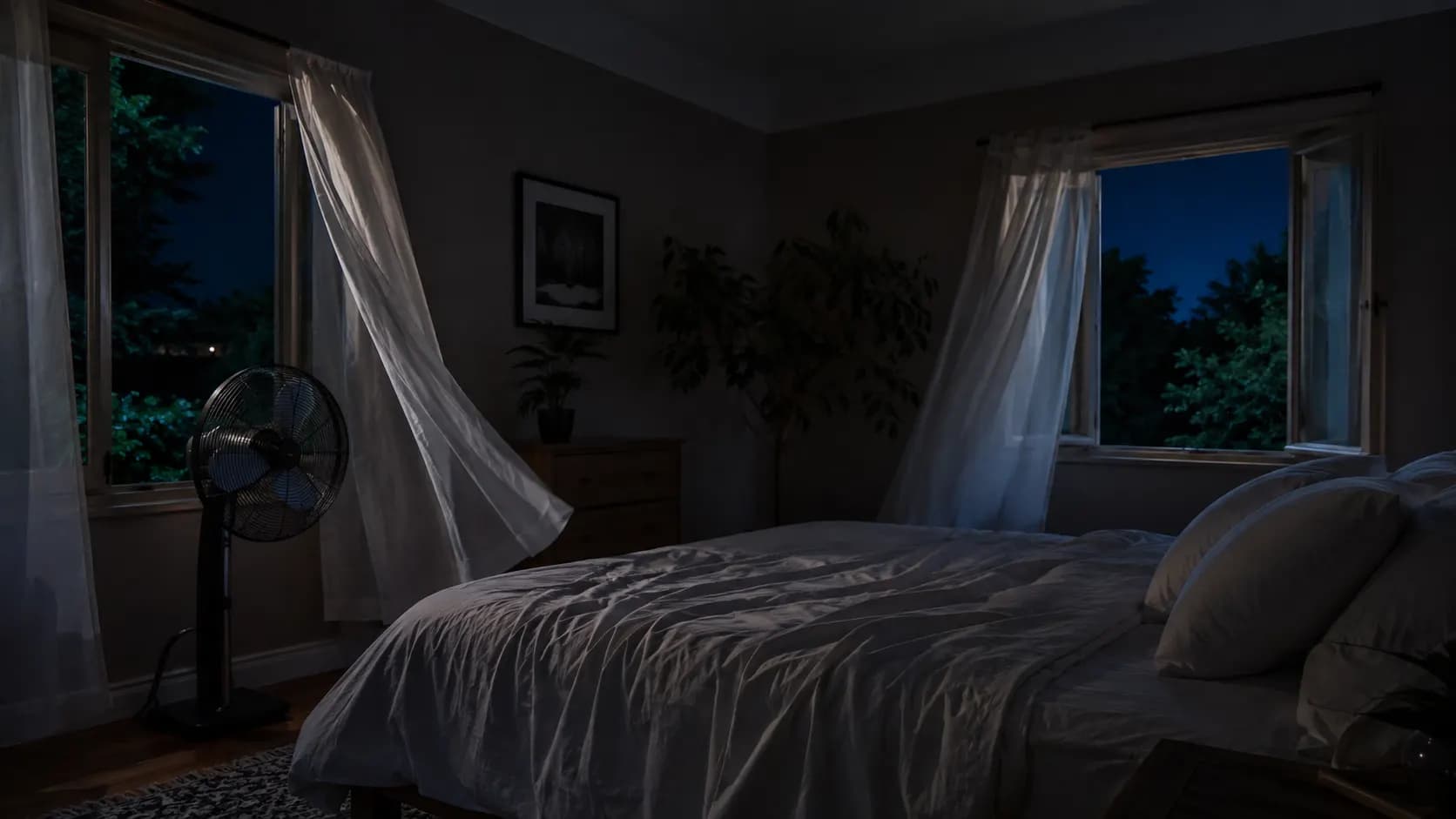
A fan does not create cold air. It moves the air that is already in the room. The breeze helps moisture evaporate from your skin, which makes your body feel cooler. Leaving a fan running in an empty bedroom will not prepare a cold room for bedtime.
Place the fan where you can feel the airflow. After sunset, you may also position it near an open window to help move warm air out or bring cooler air in, depending on the direction of the natural breeze.
Reduce the Heat You Create Indoors
Sometimes the house is fighting more than the weather.
An oven can warm the kitchen and nearby rooms for hours. Clothes dryers, strong lighting, computers and gaming equipment also release heat. You do not need to switch everything off, but it helps to notice what is running.
On a very warm evening, a quick meal may be more comfortable than using the oven. Turn off lights and electronics that are not needed. Keep bedroom doors open when privacy and safety allow, giving trapped air more space to move.
Lighter bedding also matters. A thick mattress cover, heavy duvet or tightly woven sheets can trap body heat even when the room itself is beginning to cool.
Reference notes
Sources and further reading
Our editorial promise
Prepared with clarity and care.
This guide completed our editorial review before publishing. If something needs attention, report a correction or contact the publisher.
About this article
- Published:
- Last updated:
- Author:
- Ceyora Editorial Team
- Review status:
- Editorially reviewed
- Sources:
- 4
- Corrections:
- Report an issue