Why Cities Feel Hotter Without Trees
Cities can feel like ovens during hot weather. Roads absorb heat, buildings trap warm air, and concrete stays hot long after the sun goes down. Even a short walk can become uncomfortable.
Trees offer one of the simplest ways to reduce this heat.
A large tree beside a street may look like part of the scenery, but it is doing important work every day. It provides shade, cools the air, supports wildlife, reduces flooding, and makes neighborhoods more comfortable to live in.
When cities lose trees, people often notice the difference quickly. Streets feel hotter. Homes need more air conditioning. Rainwater collects faster. Public spaces become less inviting.
Understanding how trees cool cities can help us see why urban greenery is not just decoration. It is part of the system that protects daily life.
Why City Streets Become Very Hot
Natural ground can absorb water and release moisture. Cities are different. They contain large areas of asphalt, concrete, metal, and dark rooftops.
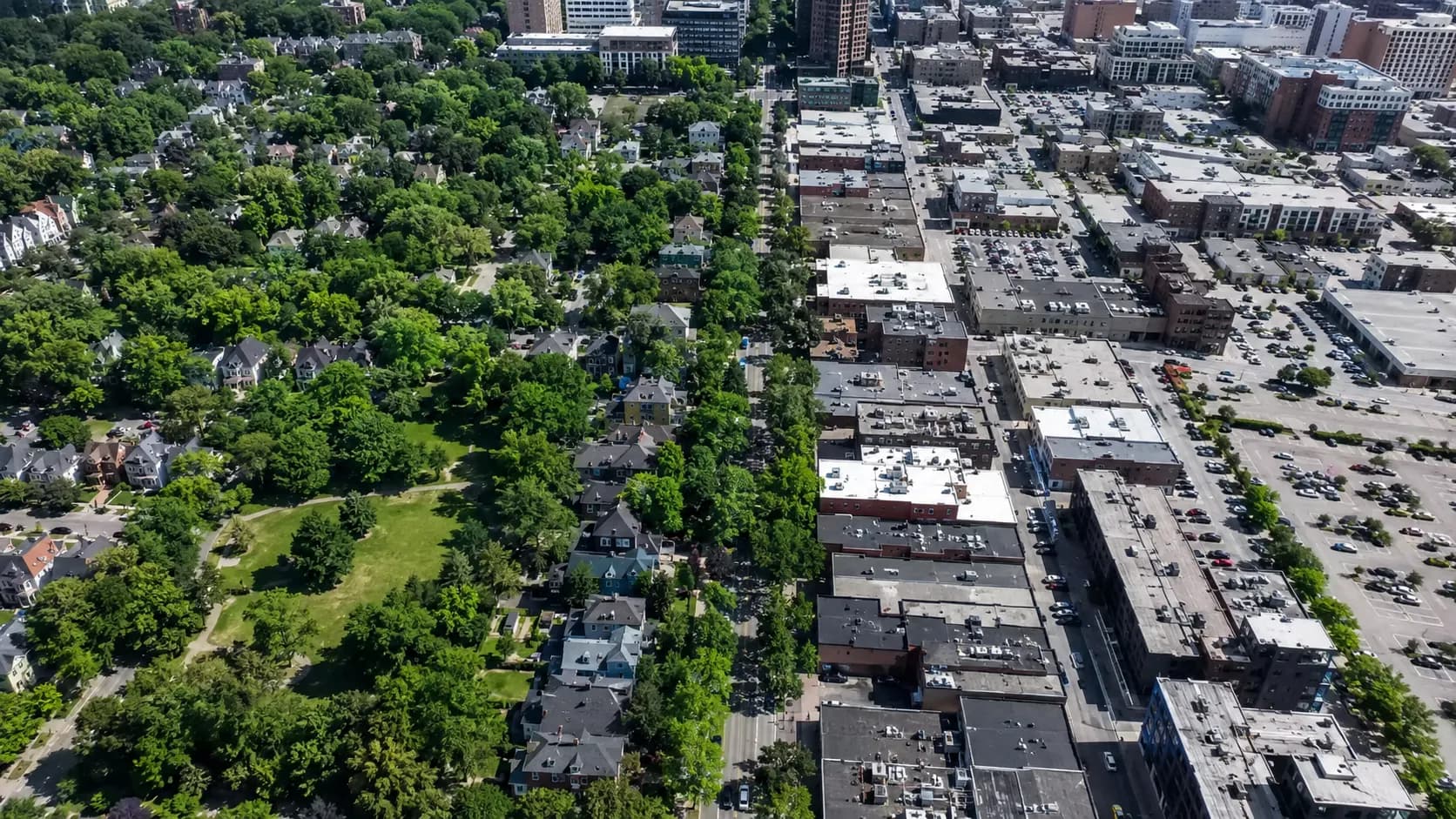
These surfaces absorb heat during the day and slowly release it later. This creates what experts call the urban heat island effect. A crowded city area can feel much warmer than a nearby park or rural neighborhood.
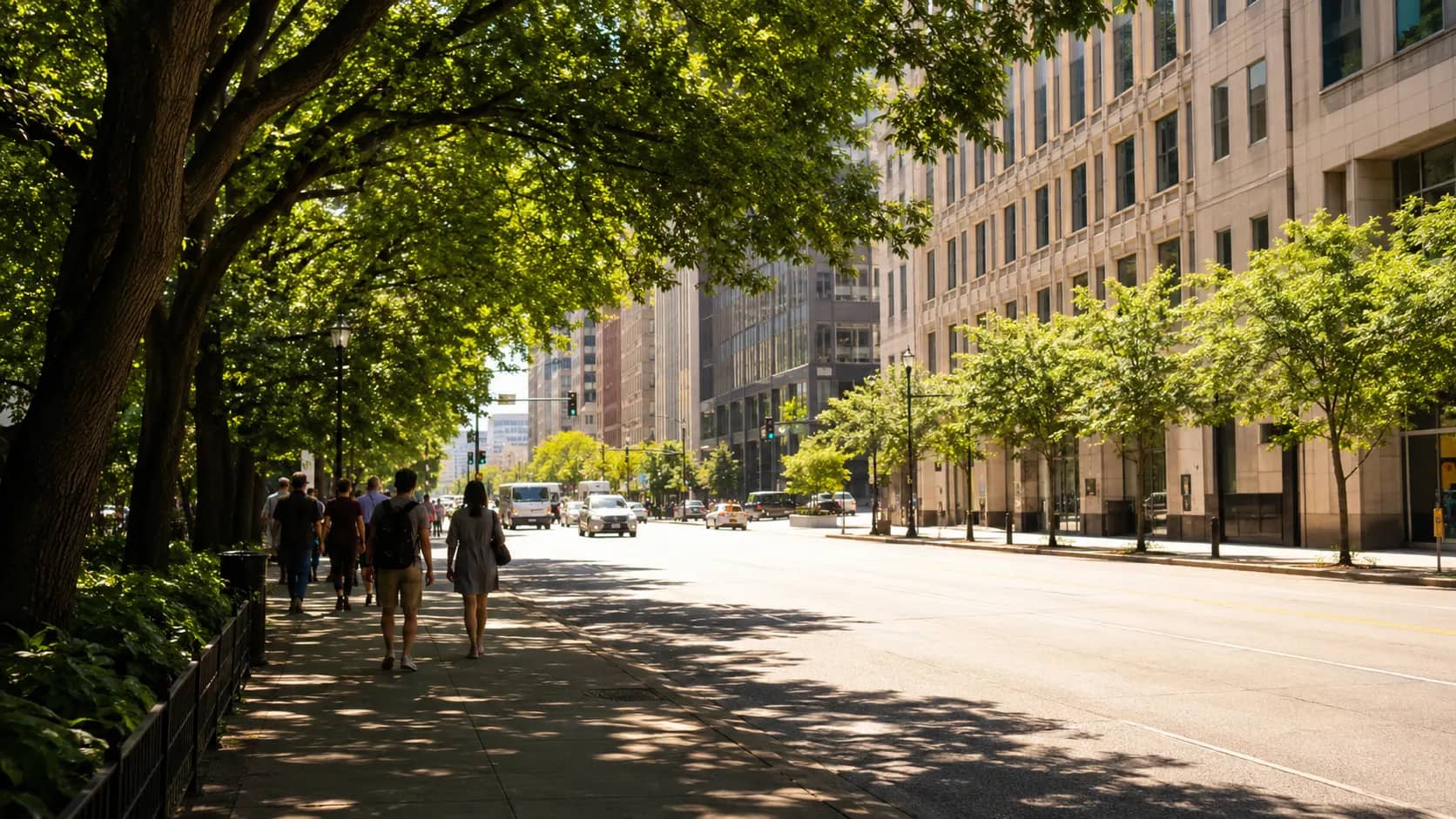
You may have felt this without knowing its name. Think about walking across an open parking area on a sunny afternoon. Then imagine stepping beneath a row of trees. The temperature change can feel immediate.
The air temperature may not suddenly drop by a huge amount, but shade protects your skin from direct sunlight and keeps the ground beneath you cooler.
Trees Create Natural Shade
Shade is one of the clearest ways trees protect people from heat.
Tree branches and leaves block sunlight before it reaches roads, walls, playgrounds, parked cars, and people. Shaded surfaces absorb less heat, which means they release less warmth into the air later.
This matters around homes as well. A tree placed near a sunny window or wall can reduce the amount of heat entering the building. Families may need less air conditioning, which can lower electricity use and monthly costs.
The location of the tree matters. One healthy tree beside a bus stop may help dozens of people every day. Trees near schools can make outdoor areas safer for children. Trees along walking routes can help older adults and outdoor workers avoid long periods in direct sunlight.
Leaves Help Cool the Air
Trees do more than create shade. They release water vapor through their leaves in a natural process called transpiration.
Keep reading
Why Butterflies Are More Important Than They Look
The process is similar to the way sweat helps cool the human body. As moisture moves into the air, some of the surrounding heat is used, creating a cooling effect.
A single small tree will not cool an entire city. A connected network of trees, gardens, parks, and green spaces can make a noticeable difference across neighborhoods.
This is why a few decorative plants cannot replace mature urban trees. Large trees have wider canopies, deeper roots, and more leaves. They provide greater shade and stronger environmental benefits.
Trees Help Manage Heavy Rain
Hot cities often face another problem: sudden flooding.
Concrete surfaces do not absorb much rainwater. Water moves quickly across roads and pavements, sometimes overwhelming drains and flooding homes or businesses.
Tree leaves slow the rain before it reaches the ground. Their roots create spaces in the soil where water can enter more easily. This reduces the speed and amount of water moving into city drainage systems.
Trees cannot prevent every flood. Still, they can be an important part of a wider plan that includes good drainage, healthy soil, wetlands, and well designed public spaces
Cleaner Air and More Comfortable Streets
Trees can capture some dust and airborne particles on their leaves. They can also create a physical barrier between busy roads and nearby walking areas.
The level of protection depends on the type of tree, its location, local traffic, and weather conditions. Trees are not a replacement for reducing pollution at its source. Yet carefully planned greenery can support cleaner and more pleasant neighborhoods.
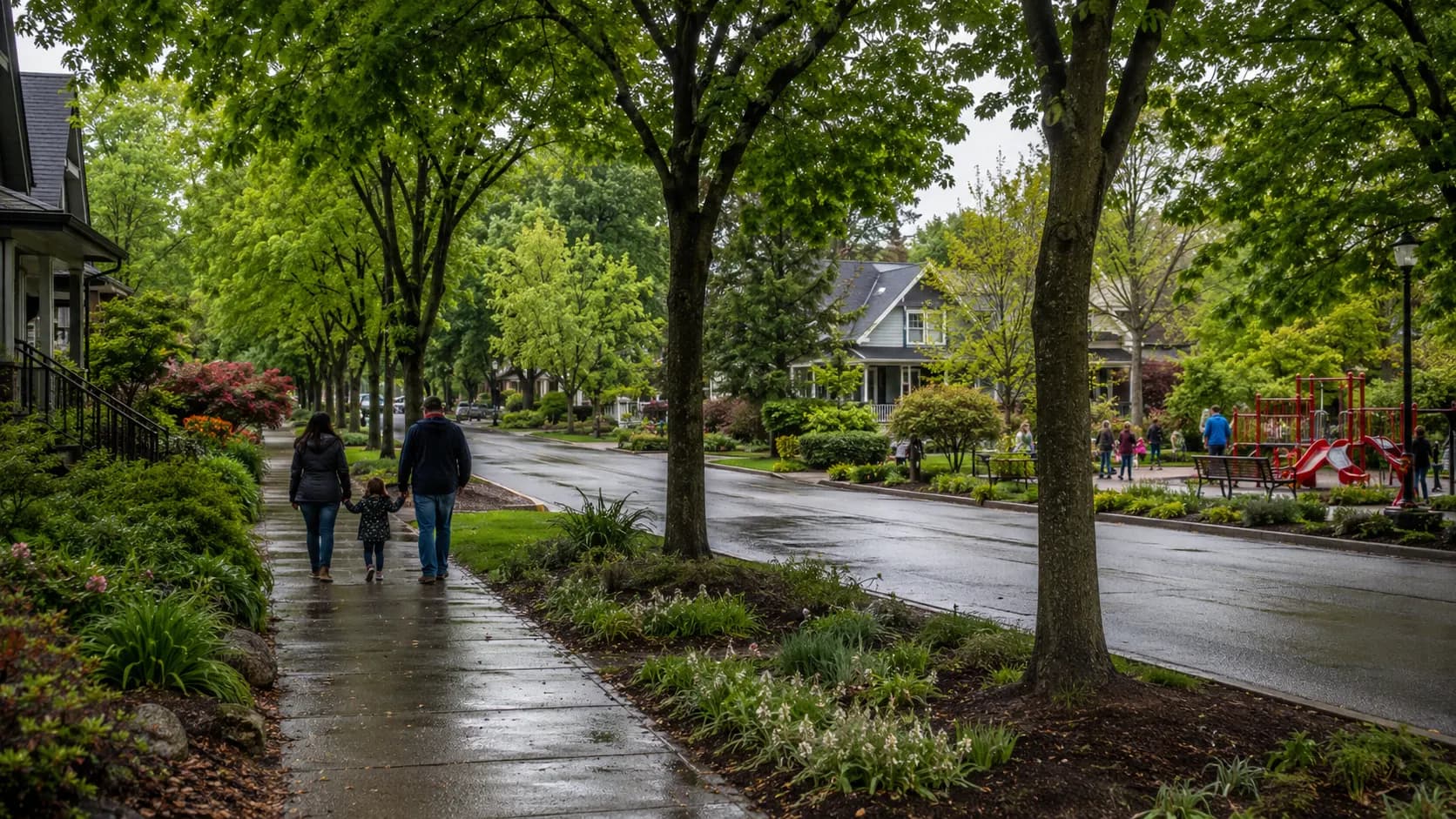
There is a human benefit as well. People are more likely to walk, rest, or spend time outside when streets have shade and greenery.
A bare pavement may feel like a place to pass through quickly. Add trees, seating, and a little shade, and the same area can become a place where neighbors talk, children play, and local shops receive more visitors.
Reference notes
Sources and further reading
Our editorial promise
Prepared with clarity and care.
This guide completed our editorial review before publishing. If something needs attention, report a correction or contact the publisher.
About this article
- Published:
- Last updated:
- Author:
- Ceyora Editorial Team
- Review status:
- Editorially reviewed
- Sources:
- 4
- Corrections:
- Report an issue