The Hidden Damage Plastic Waste Can Cause
Plastic waste is easy to notice when it is lying on a beach, stuck in a drain, or floating near a riverbank. It looks ugly. It smells bad. Most people can agree on that part.
But the deeper problem is what happens after we stop looking.
A plastic bag does not stay just a plastic bag. A bottle cap does not stay harmless because it is small. These things move with wind, rain, rivers, and ocean currents. They reach places where animals live, eat, rest, and raise their young. And many animals do not understand what plastic is. To them, it may look like food, shelter, or something safe to touch.
That is where the damage begins.
Animals Eat Plastic Without Knowing It
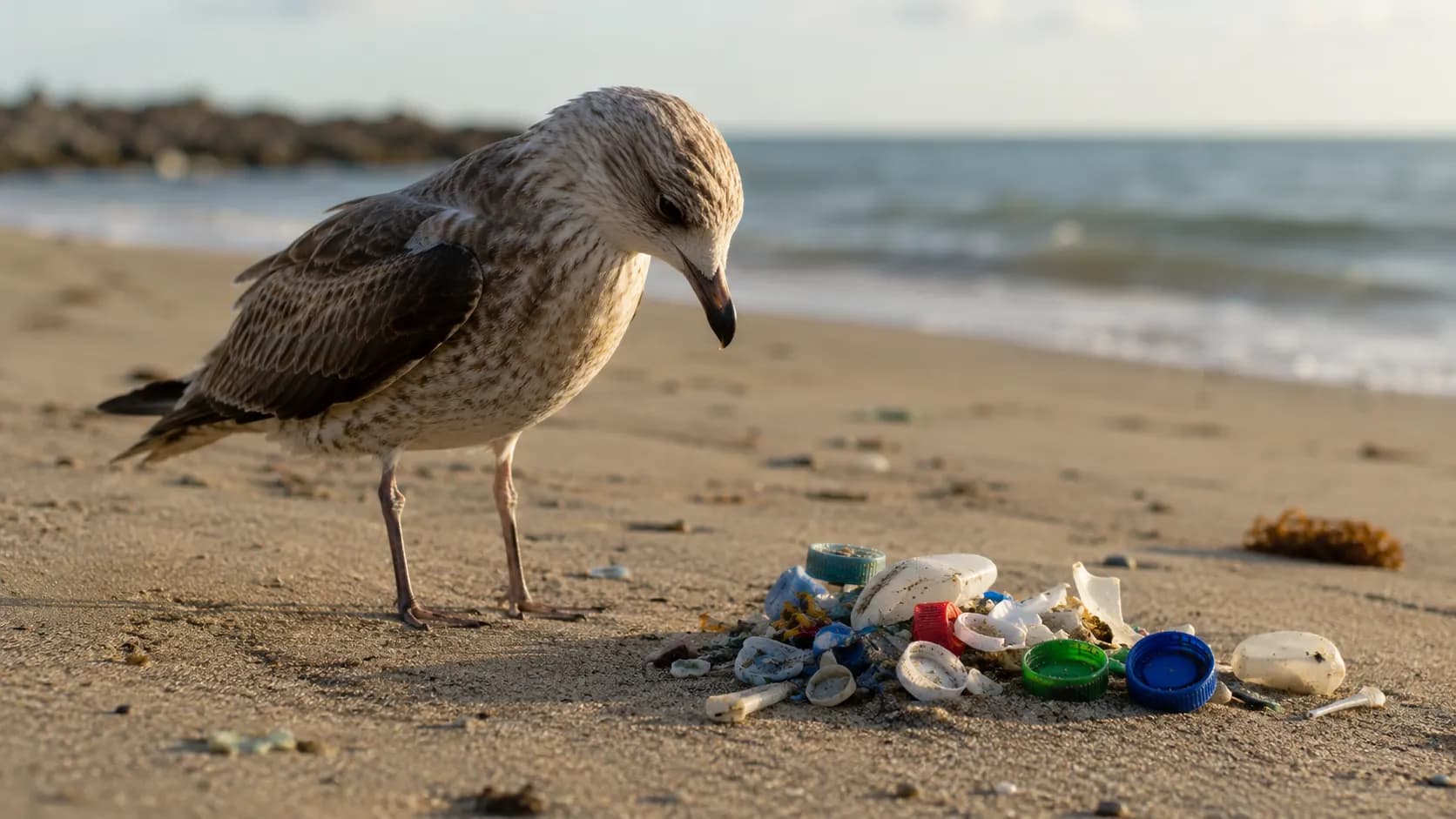
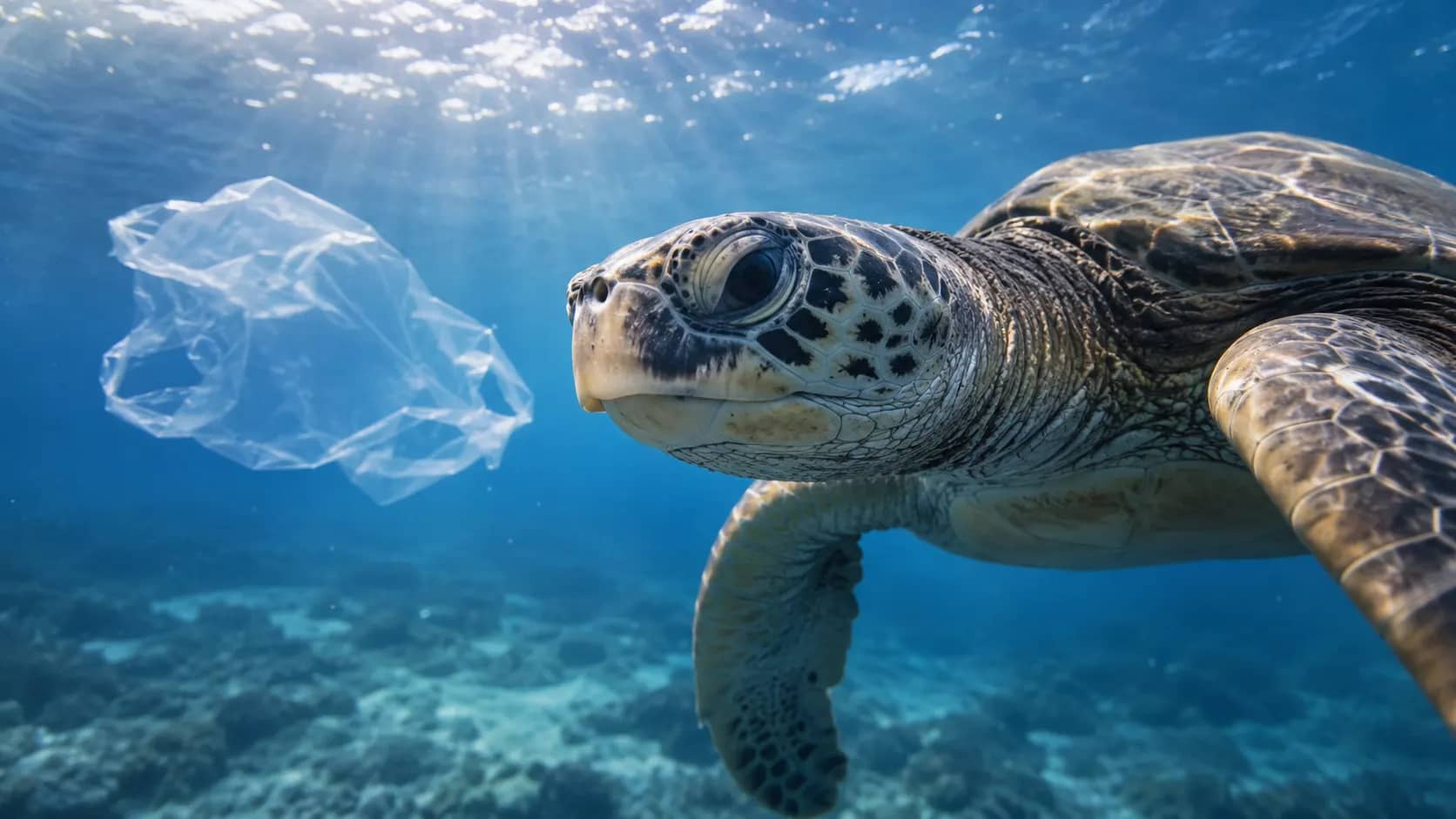
One of the saddest ways plastic waste hurts animals are through eating. Sea turtles may mistake plastic bags for jellyfish. Birds may pick up tiny plastic pieces because they look like fish eggs or seeds. Fish can swallow plastic fragments while feeding in polluted water.
From outside, the animal may look normal. That is the painful part. We may not see what is happening inside.
Plastic can fill the stomach without giving any real nutrition. The animal may feel full, but it is slowly starving. Sharp pieces can hurt the throat, stomach, or intestines. Smaller plastic can pass into the body and cause stress that is hard to notice at first.
It is not a dramatic movie scene. It is quiet suffering.
Plastic Traps Animals
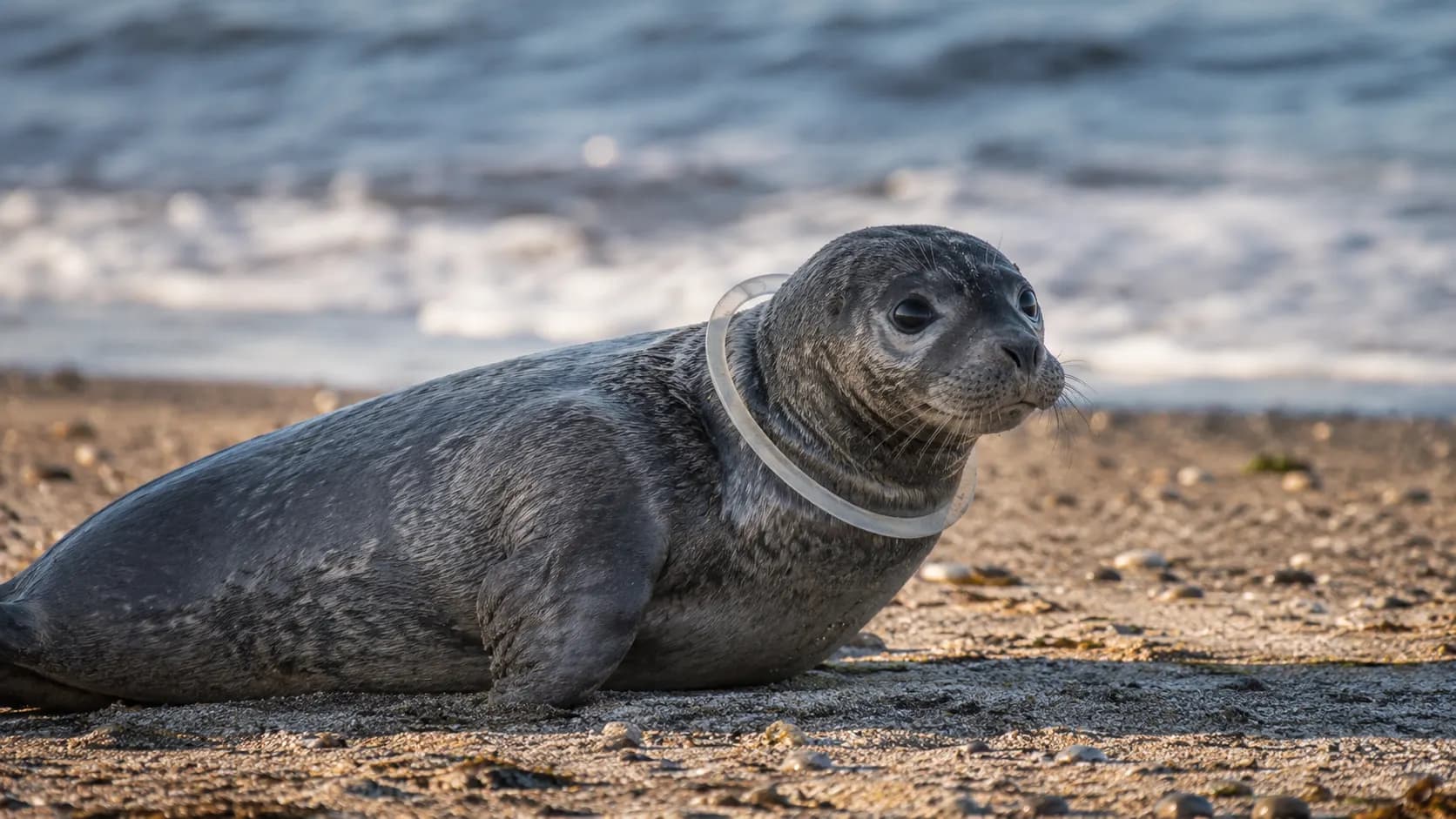
Plastic waste can trap animals in ways people rarely think about. A fishing line wrapped around a bird’s leg. A plastic ring stuck around a seal’s neck. A net left in the water catching fish, turtles, and crabs long after anyone wanted it.
These traps can make it hard for animals to swim, fly, walk, or hunt. Young animals are at greater risk because they grow while the plastic stays tight around them. What looks like a small piece of rubbish can become a slow injury.
This is one reason I think plastic pollution feels different from many other environmental problems. It is not always far away or hard to understand. A single careless item can hurt a living creature.
Keep reading
Why Bees Are Important for the Planet
Microplastics Make the Problem Harder to See
Large plastic pieces break down into smaller and smaller bits. These tiny pieces are called microplastics. They are often hidden in sand, water, soil, and even inside animals.
This part is scary because it is almost invisible.
A fish may eat tiny plastic particles. A larger fish may eat that fish. A bird may eat the larger fish. Step by step, plastic can move through the food chain. We may never see the original bottle, wrapper, or bag, but its pieces can still keep moving.
That is why plastic waste is not only a litter problem. It becomes part of nature in the wrong way.
Plastic Can Damage Animal Homes
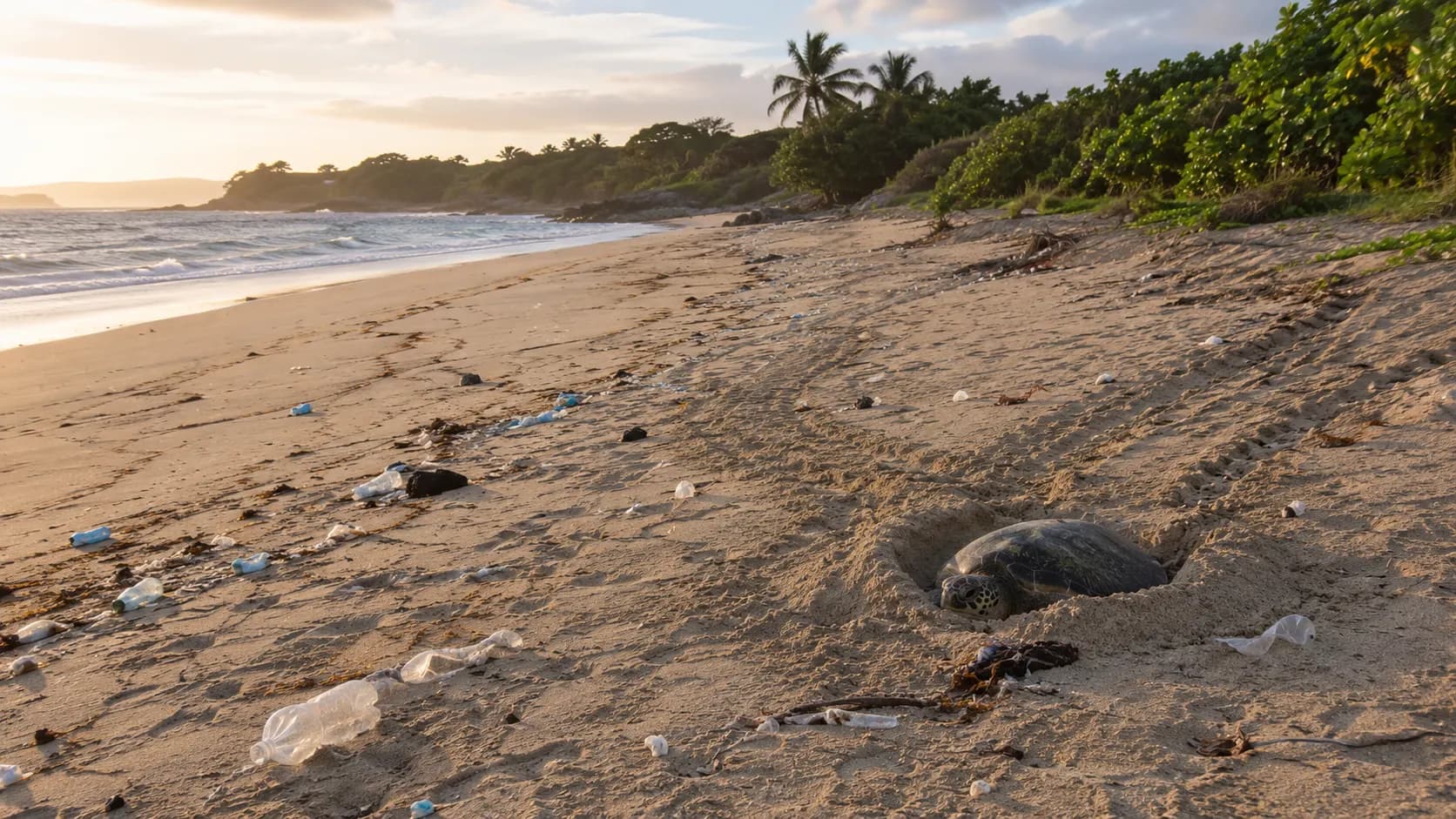
Animals need clean places to live. Beaches, wetlands, forests, rivers, and coral areas all give animals food and shelter. When plastic waste builds up, these places become less safe.
A beach covered with plastic can make nesting harder for turtles. Plastic in rivers can block water flow and affect fish and insects. In the ocean, plastic can cover coral and reduce the space where small marine animals hide.
Even birds use plastic in nests without knowing the danger. A bright piece of plastic string may look useful. Later, it may trap a chick’s foot or cause injury.
Nature is already difficult for many animals. Plastic adds another problem they never asked for.
Reference notes
Sources and further reading
Our editorial promise
Prepared with clarity and care.
This guide completed our editorial review before publishing. If something needs attention, report a correction or contact the publisher.
About this article
- Published:
- Last updated:
- Author:
- Ceyora Editorial Team
- Review status:
- Editorially reviewed
- Sources:
- 3
- Corrections:
- Report an issue