Bees are tiny, but their job is huge. Most people think of bees and immediately think of honey, or maybe getting stung in the garden. Fair enough. But bees are doing much more than making honey. They are one of the quiet workers keeping nature balanced.
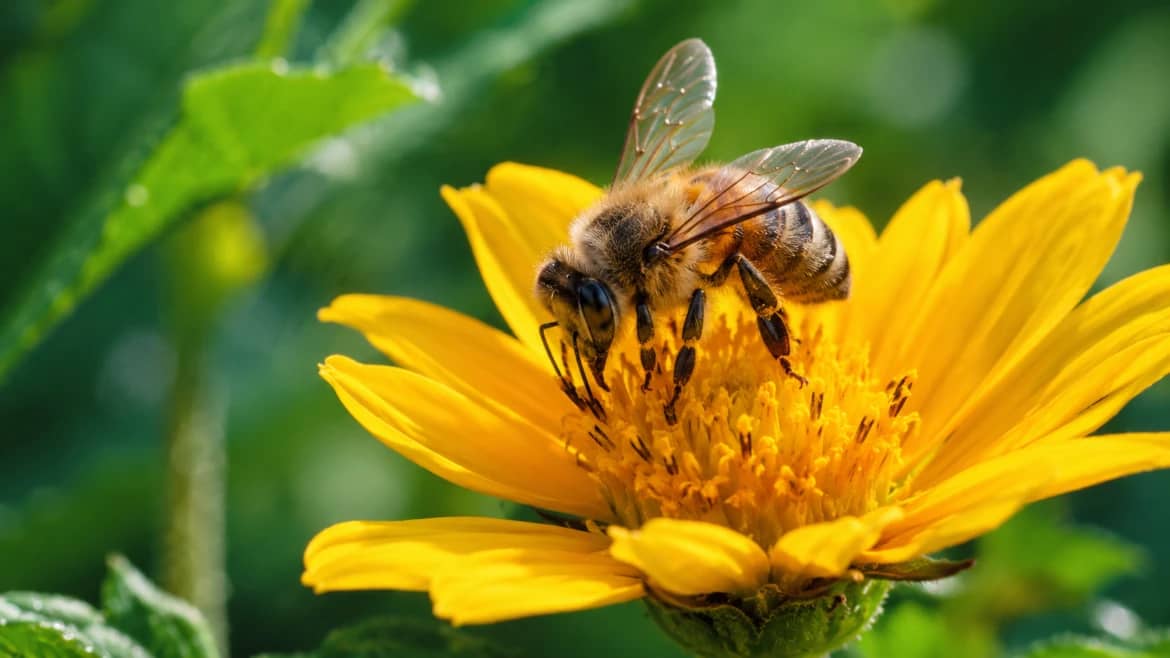
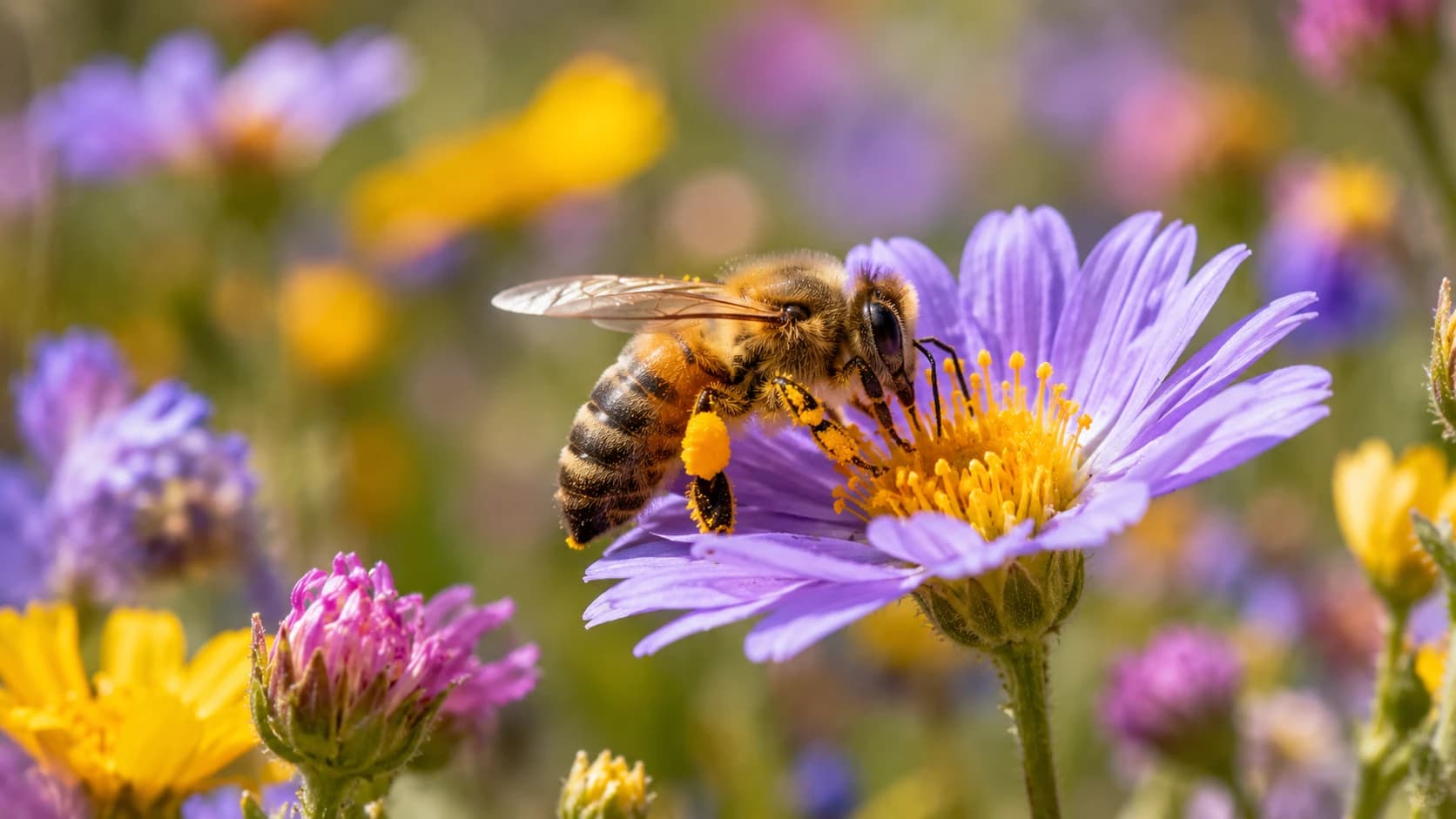
When a bee flies from flower to flower, it carries pollen on its body. This pollen helps plants make fruits, seeds, and new plants. That process is called pollination. It sounds like a small thing, but it affects food, plants, animals, and even the air around us.
Without bees, the world would not suddenly become empty overnight. But it would slowly become poorer. Less colorful. Less alive.
Bees Help Grow Many Foods We Eat
Think about apples, strawberries, almonds, cucumbers, pumpkins, blueberries, and many other foods. Bees help pollinate a lot of these plants. That means they help flowers turn into the fruits and vegetables we eat.
Not every crop needs bees, of course. Rice, wheat, and corn can grow without them. But many of the foods that make our diet healthy and colorful depend heavily on pollinators.
Imagine walking into a supermarket and seeing fewer fruits, fewer nuts, fewer vegetables, and higher prices. That is one reason bees matter. They are linked to food security, even if we do not notice it while eating breakfast.
Bees Help Wild Plants Grow
Bees are not only helping farms. They also pollinate wildflowers, trees, and plants in forests, fields, and gardens. These plants then provide food and shelter for birds, insects, small animals, and other wildlife.
It is all connected. A bee visits a flower. That flower produces seeds. A bird eats the seeds. Another animal uses the plant for shelter. Nature works like a chain, and bees are one of the important links in that chain.
When bee populations fall, plants can struggle to reproduce. When plants struggle, other animals may lose food and habitat. It starts small, then the effect spreads.
Bees Help Keep Nature Balanced
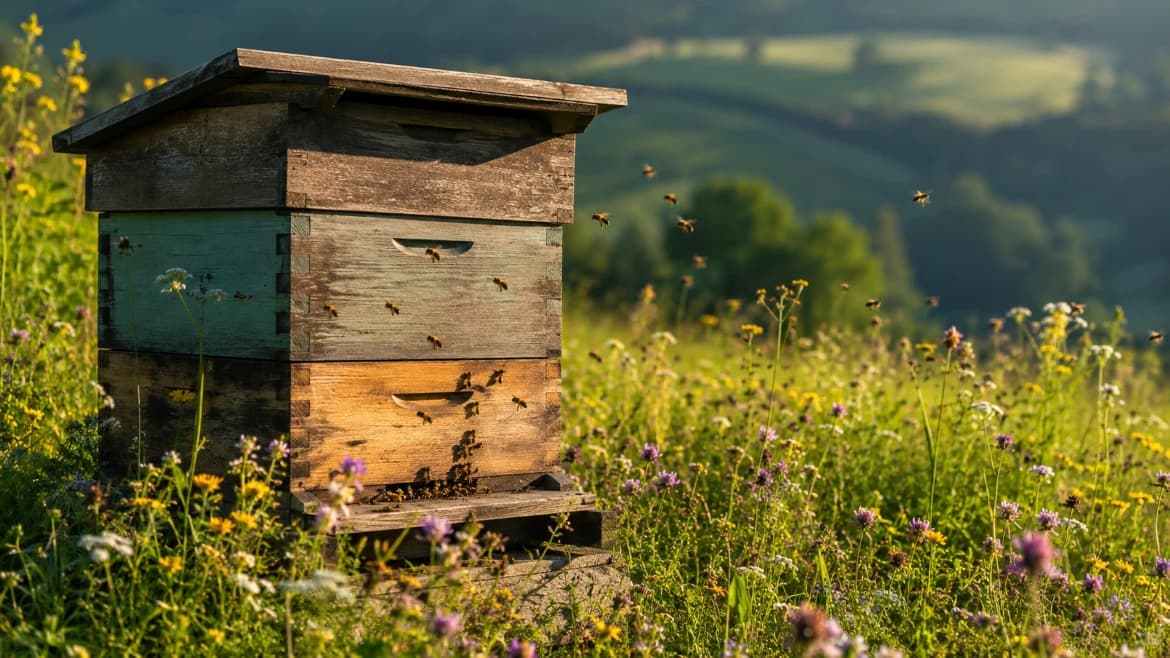
A healthy planet needs variety. Different plants, insects, birds, and animals all have their place. Bees help protect that variety by helping many kinds of plants survive.
Keep reading
How Plastic Waste Hurts Animals in Ways We Don’t See
This is called biodiversity. A big word, yes, but the idea is simple. The more variety nature has, the stronger it becomes. If one plant fails, another can support animals. If one food source disappears, another may remain.
Bees help keep that natural variety alive. Without them, some plant species would become weaker, and the places where they grow could change over time.
Bees Are a Sign of Environmental Health
Bees are sensitive to changes around them. If an area has too many chemicals, too little food, or not enough safe habitat, bees often suffer. In that way, bees can tell us something about the health of the environment.
When bees are doing well, it usually means there are flowers, clean spaces, and a better balance in nature. When bees start disappearing, it is a warning sign.
And maybe that is the part people should take more seriously. Bees are not just insects buzzing around. They are signals. Small signals, but important ones.
Why Bees Are in Trouble
Bees face many problems today. Habitat loss is one of the biggest. Wild spaces are turned into buildings, roads, and large farms. Fewer wildflowers mean less food for bees.
Pesticides can also harm bees, especially when chemicals are used carelessly. Some bees become weak, confused, or unable to return to their hives. Climate change adds another problem because flowers may bloom at different times, and bees may not find food when they need it.
Disease and parasites also affect bee colonies. It is not just one problem. It is many problems happening together.
Reference notes
Sources and further reading
Our editorial promise
Prepared with clarity and care.
This guide completed our editorial review before publishing. If something needs attention, report a correction or contact the publisher.
About this article
- Published:
- Last updated:
- Author:
- Ceyora Editorial Team
- Review status:
- Editorially reviewed
- Sources:
- 2
- Corrections:
- Report an issue