How a Warmer Pacific Can Change Weather Worldwide
A patch of warm ocean water may not sound powerful enough to change weather across the planet. Yet that is exactly what can happen during El Niño.
This natural climate pattern begins in the tropical Pacific Ocean, but its effects can reach farms, cities, forests and coastlines thousands of kilometers away. One country may face heavy rain while another struggles with drought. Temperatures can rise, fishing areas can change and storm seasons may behave differently.
Understanding El Niño does not require complicated climate science. It starts with the relationship between the ocean and the air above it.
What Is El Niño?
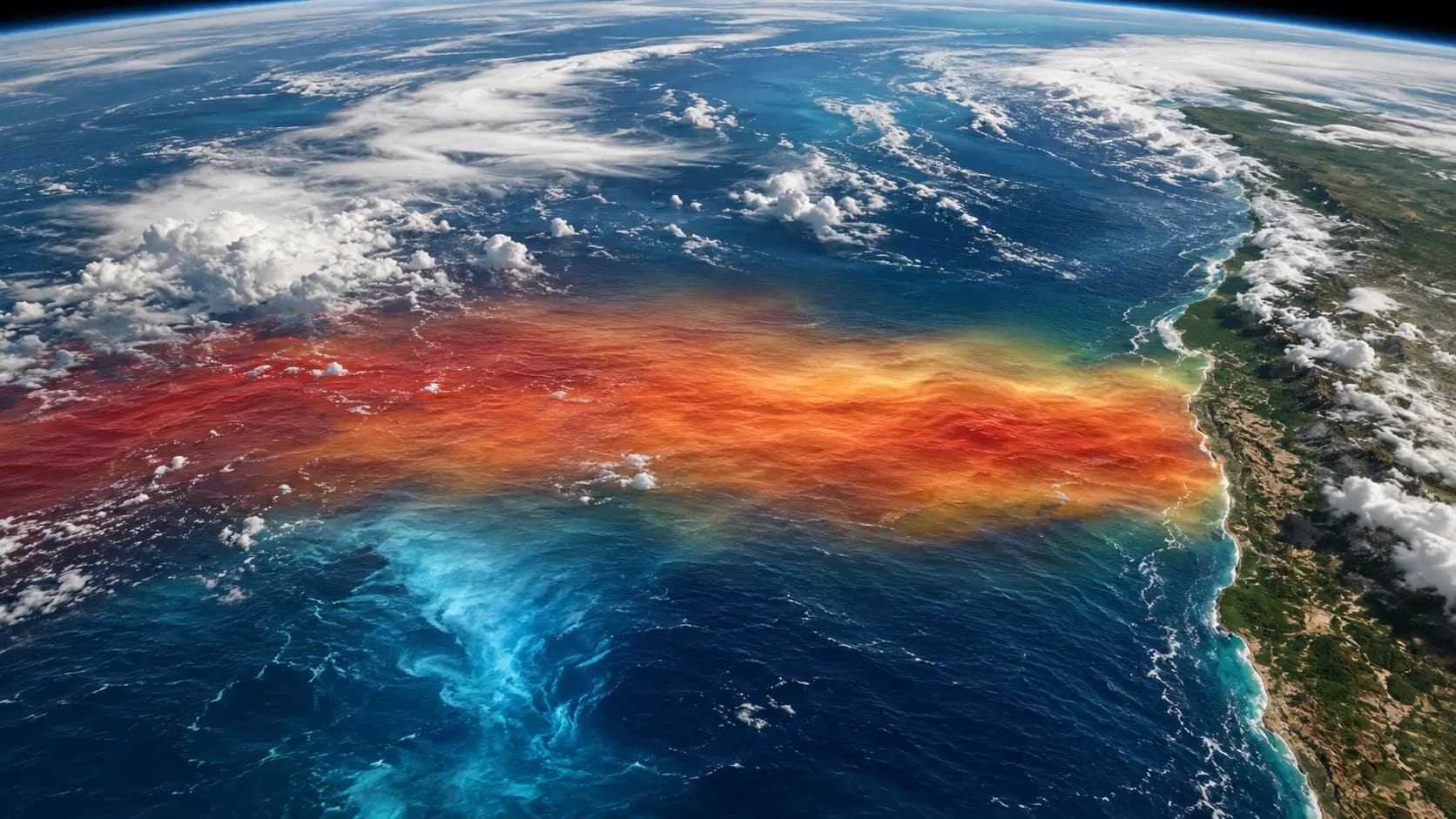
El Niño is the warm phase of a natural climate cycle called the El Niño Southern Oscillation, often shortened to ENSO.
During an El Niño event, surface water in the central and eastern tropical Pacific Ocean becomes warmer than usual. The change may look small on a temperature chart, but the Pacific is enormous. When such a large area of ocean warms, it can release extra heat and moisture into the atmosphere.
El Niño does not arrive on a fixed schedule. It usually appears every few years and can continue for several months. Some events remain weak, while others become strong enough to influence weather across many regions.
How Does El Niño Begin?
Under normal conditions, steady winds called trade winds blow from east to west across the tropical Pacific. These winds push warm surface water towards Indonesia and Australia.
Meanwhile, colder water rises from deeper parts of the ocean near the western coast of South America. This process brings nutrients towards the surface and supports rich fishing areas.
During El Niño, the trade winds weaken. Warm water that normally gathers in the western Pacific begins spreading back towards the central and eastern Pacific. Rain clouds and areas of rising air move with it.
This shift changes atmospheric pressure and wind patterns above the ocean. Those changes can then affect major air currents, including the jet stream, which helps guide storms and weather systems around the world.
Why Can One Ocean Change Global Weather?
The ocean and atmosphere constantly exchange heat, water and energy. They are not separate systems.
Keep reading
What Is a Tornado and Why Can It Turn Dangerous in Minutes?
Imagine placing a heater on one side of a large room. The heater does not only warm the floor beneath it. It changes how air moves through the entire space. El Niño works on a much larger and more complicated scale.
When the warmest part of the tropical Pacific moves, areas of rising and sinking air move with it. This can disturb normal wind patterns across great distances. Climate scientists call these long distance connections teleconnections.
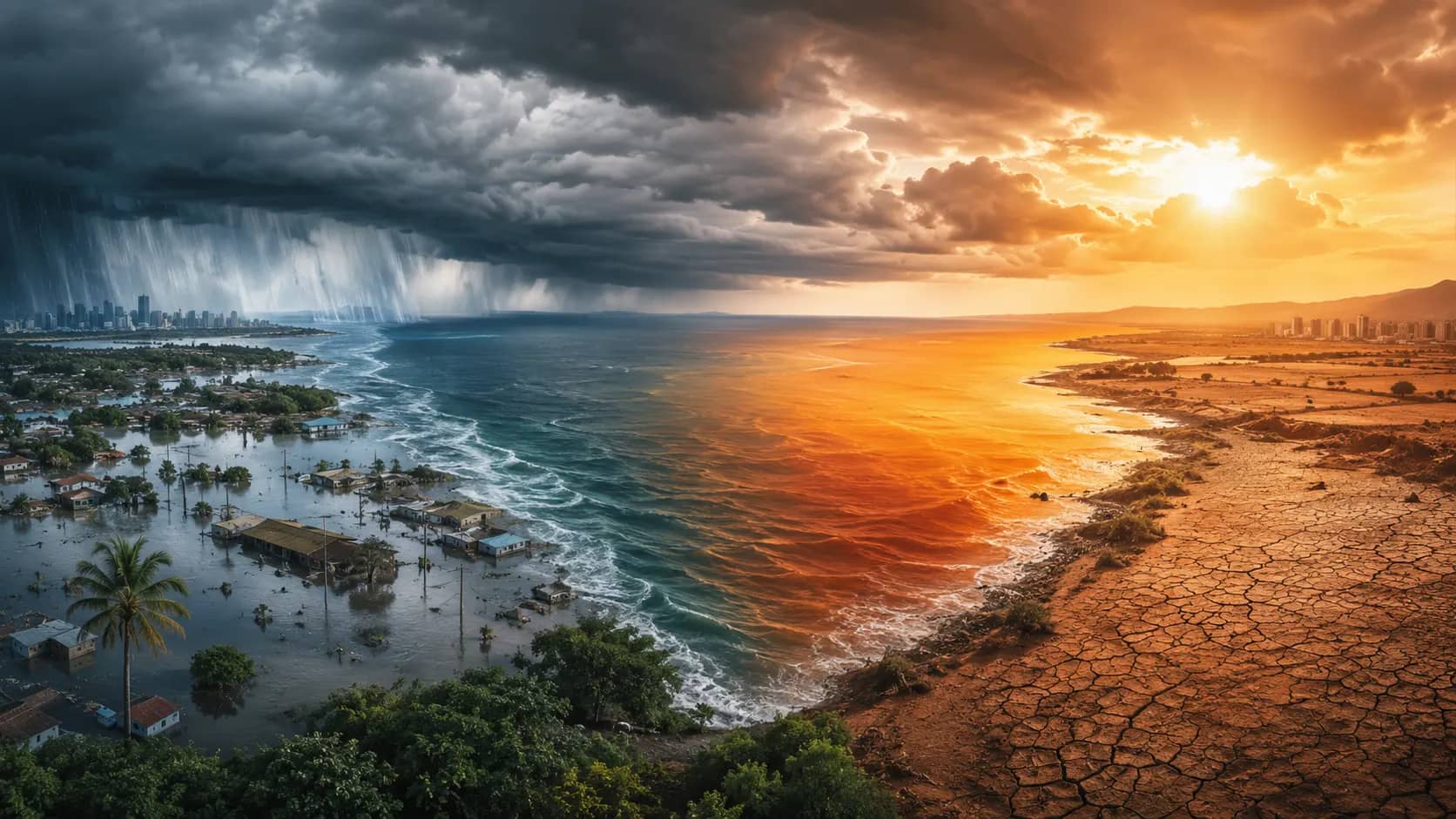
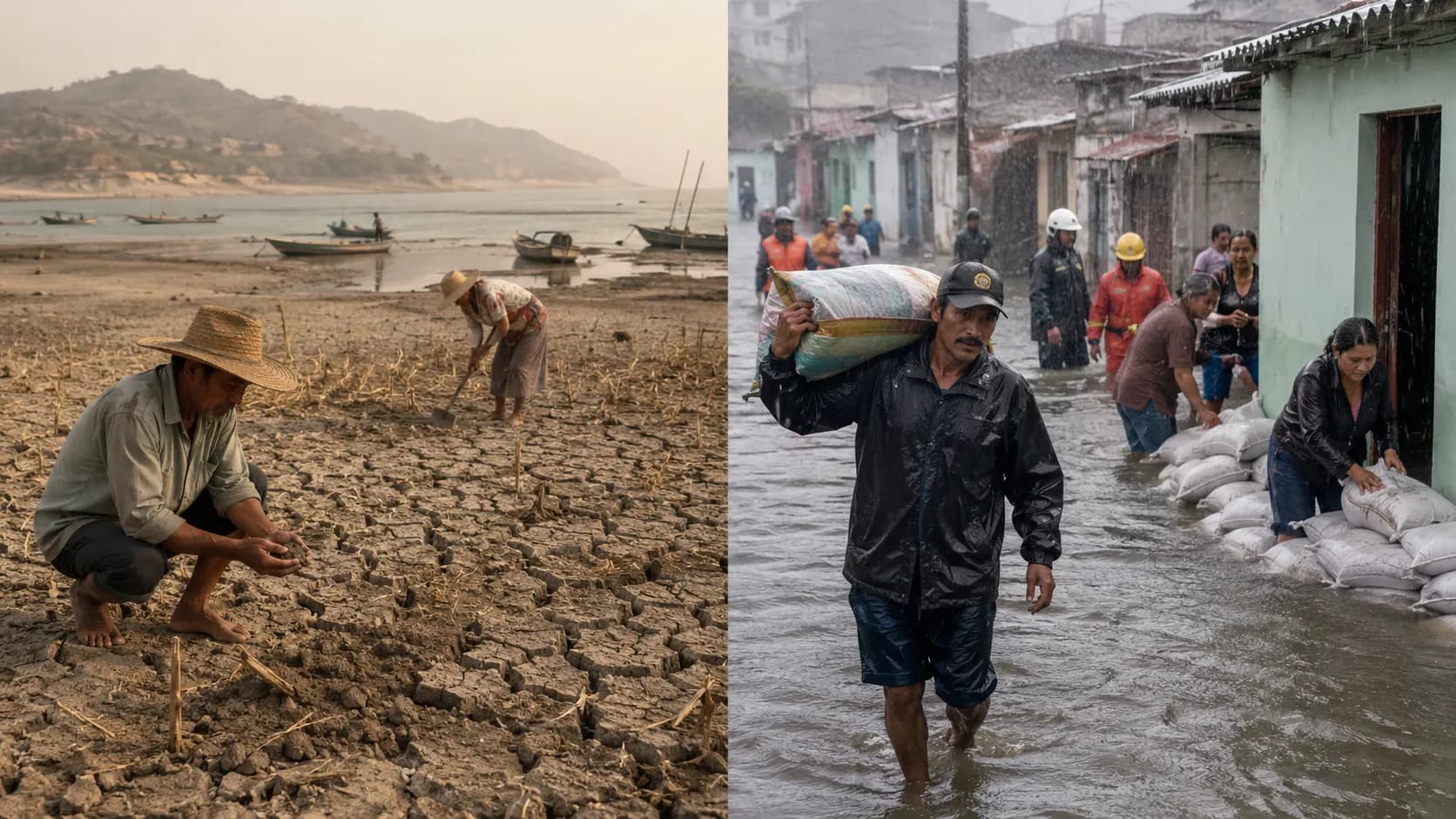
The result is not the same everywhere. El Niño often raises the chance of drier weather in parts of Australia, Indonesia and southern Asia. Other locations, including parts of western South America and the southern United States, may experience wetter conditions.
These are general patterns, not promises. A region linked with wetter El Niño conditions can still have dry weeks. Local weather systems remain important.
How El Niño Affects Everyday Life
El Niño can become much more than a story about ocean temperatures.
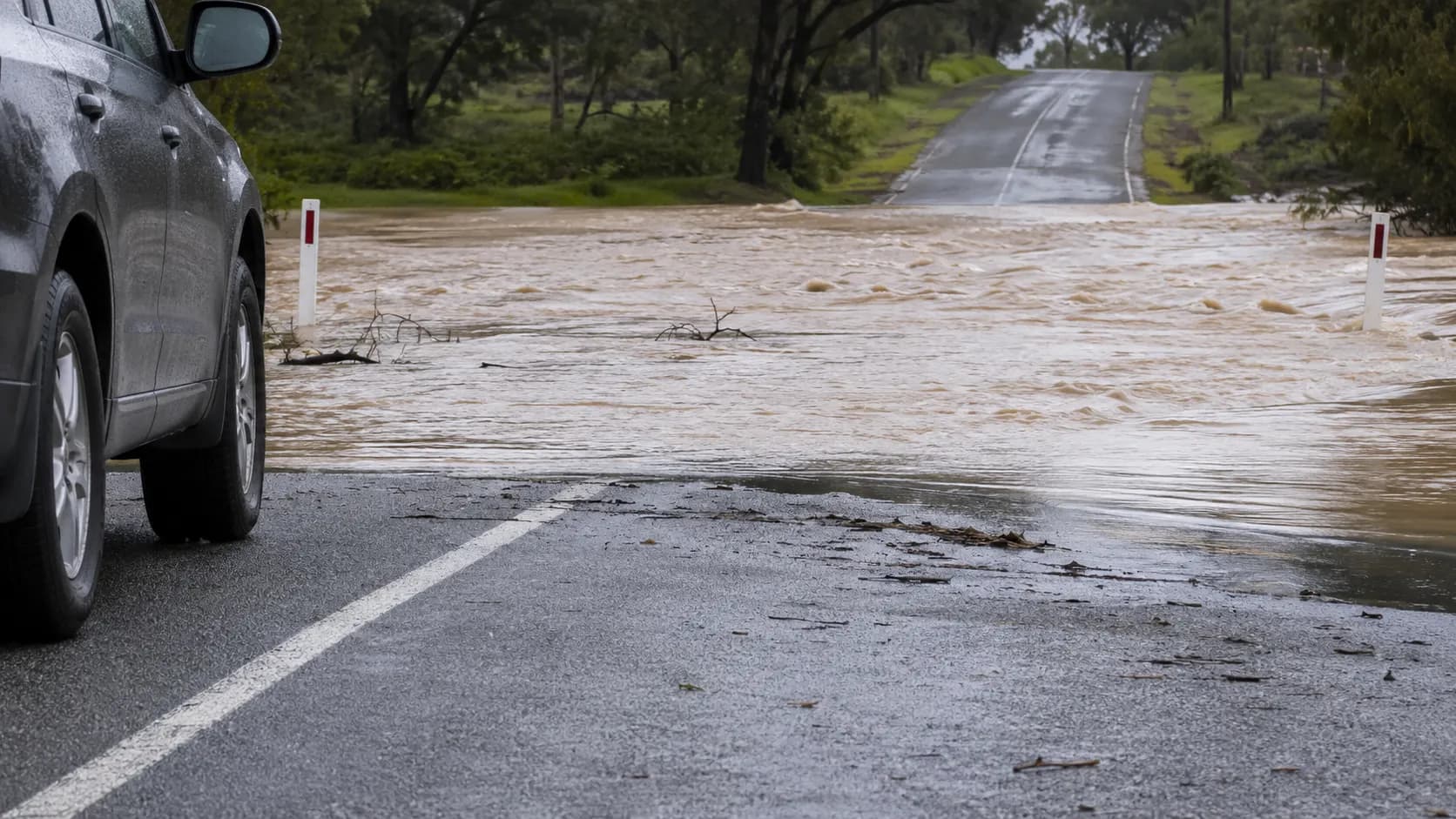
Farmers may receive less rain during an important growing season. Crops can struggle, food production may fall and prices may rise. In wetter regions, heavy rainfall can damage roads, homes and farmland.
Fishing communities may notice changes as warmer surface water reduces the rise of cold, nutrient rich water. Fish can move towards cooler areas, leaving familiar fishing grounds less productive.
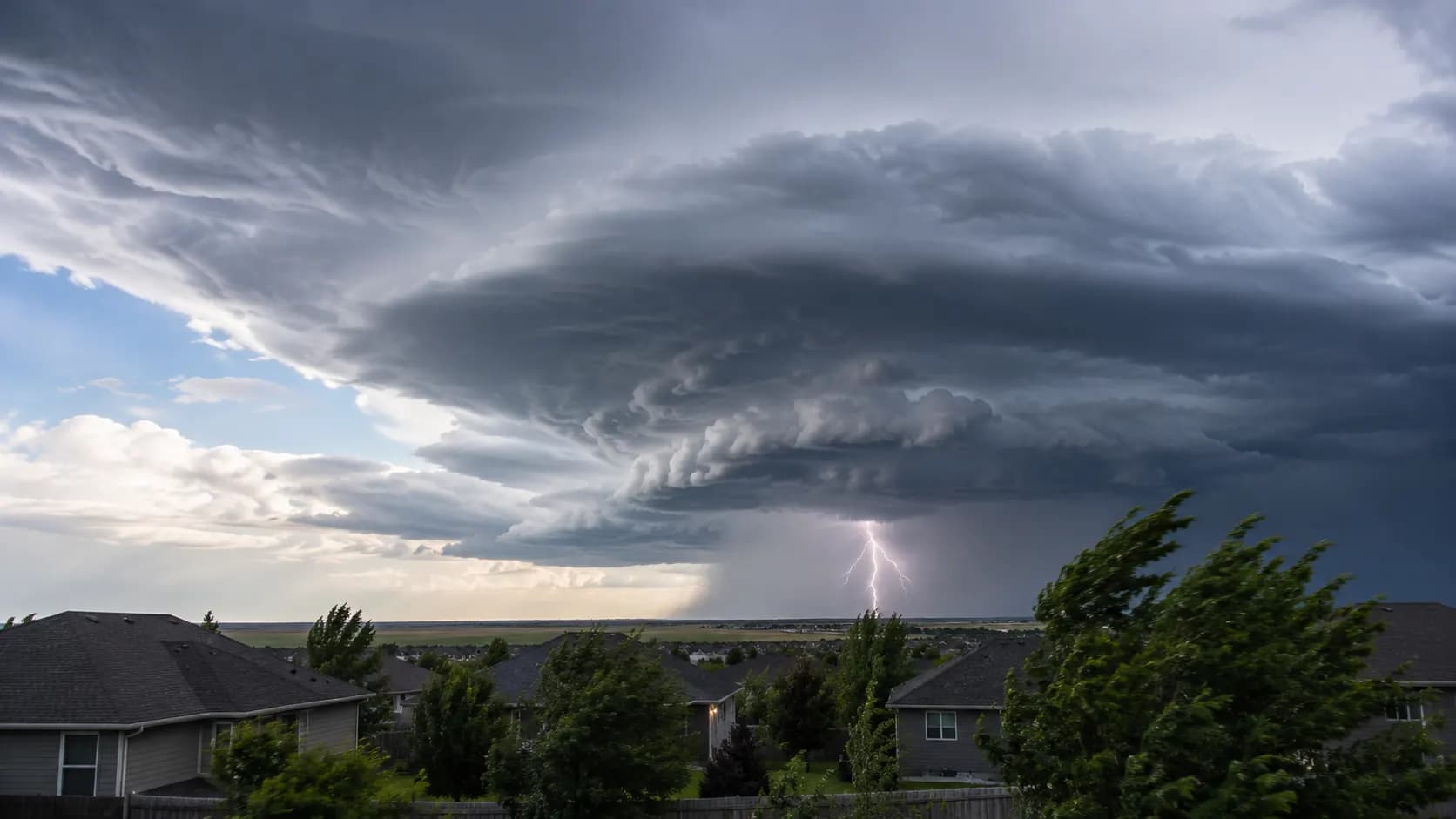
El Niño can influence tropical storms as well. It commonly supports more storm activity in parts of the central and eastern Pacific while stronger upper level winds can reduce Atlantic hurricane development.
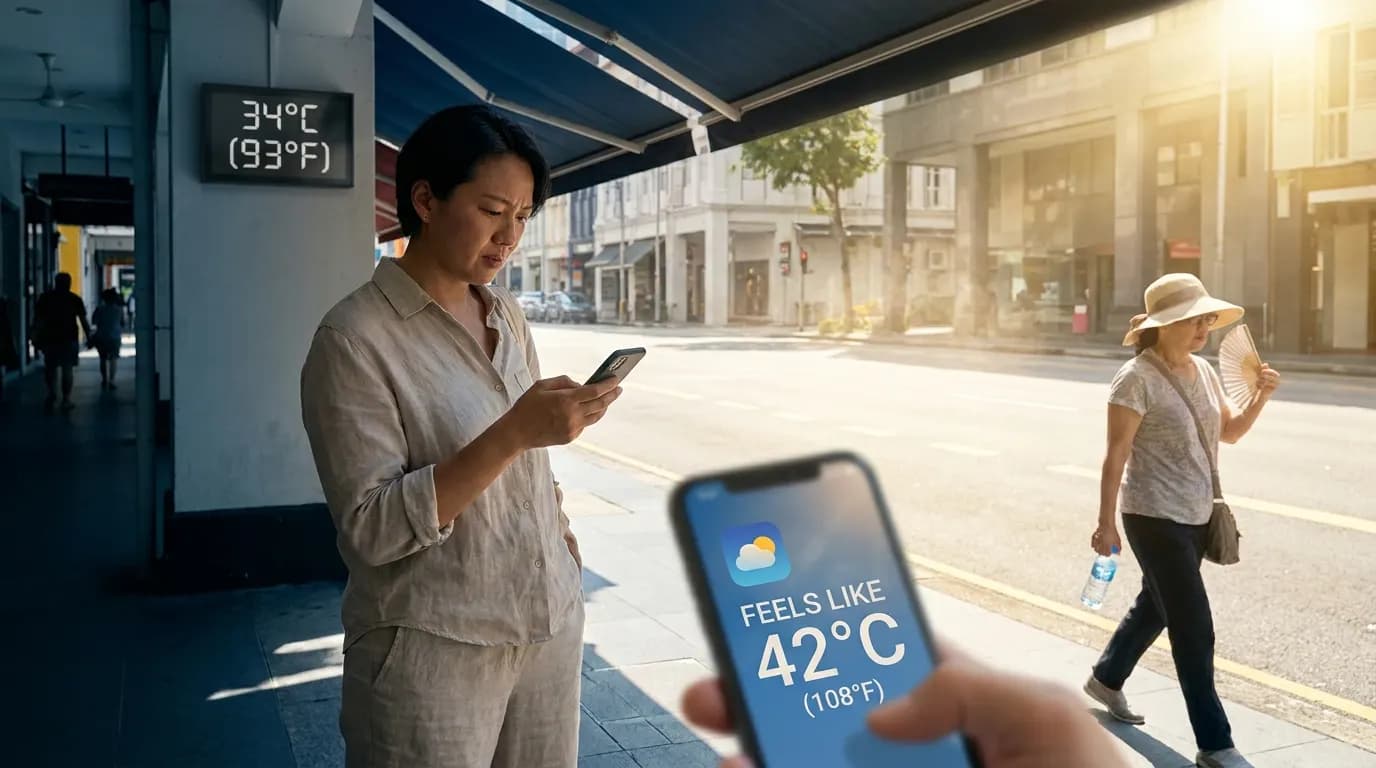
It can also add warmth to global average temperatures. Human caused climate change continues to raise the planet’s long term temperature, while El Niño can temporarily add another warming influence.
Reference notes
Sources and further reading
Our editorial promise
Prepared with clarity and care.
This guide completed our editorial review before publishing. If something needs attention, report a correction or contact the publisher.
About this article
- Published:
- Last updated:
- Author:
- Ceyora Editorial Team
- Review status:
- Editorially reviewed
- Sources:
- 4
- Corrections:
- Report an issue