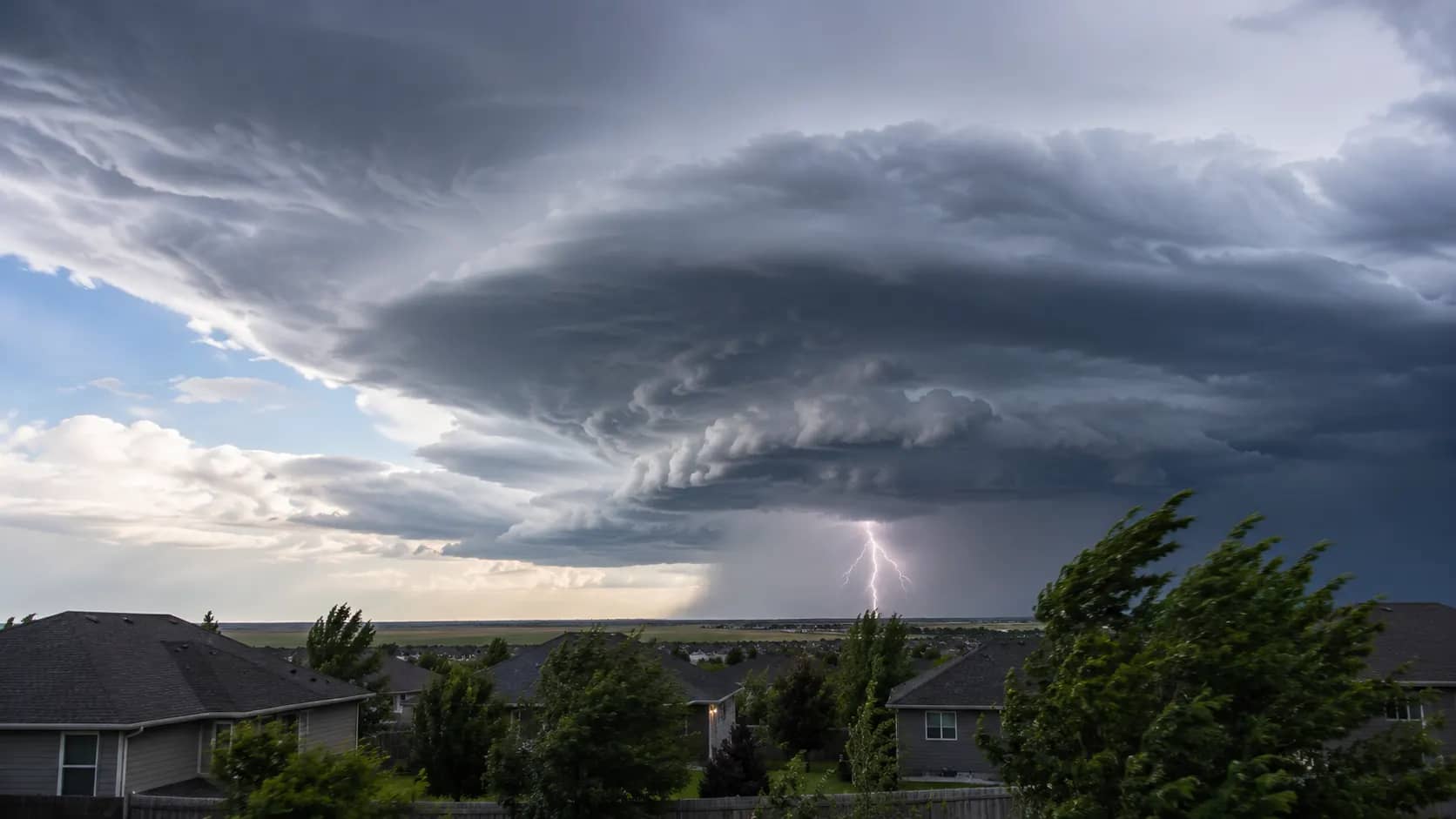
The sky can change surprisingly fast. A warm afternoon feels ordinary, dark clouds begin building in the distance, the wind suddenly cools, and a few minutes later lightning flashes while heavy rain and strong gusts sweep across the area.
That rapid change is part of what makes thunderstorms dangerous. They are powerful systems driven by rising warm, moist air, and once mature they can produce several hazards at the same time. A storm does not need to produce a tornado to deserve serious attention.
What Is a Thunderstorm?
A thunderstorm is a local storm produced by a cumulonimbus cloud and accompanied by lightning and thunder. Thunder itself is the sound created when lightning rapidly heats the surrounding air, causing it to expand and generate a sound wave.
Light reaches your eyes far faster than sound reaches your ears, which is why you see a flash before hearing the rumble. The delay does not mean you are safe. The National Weather Service warns that if you can hear thunder, you may already be within striking distance of lightning.
How Does a Thunderstorm Form?
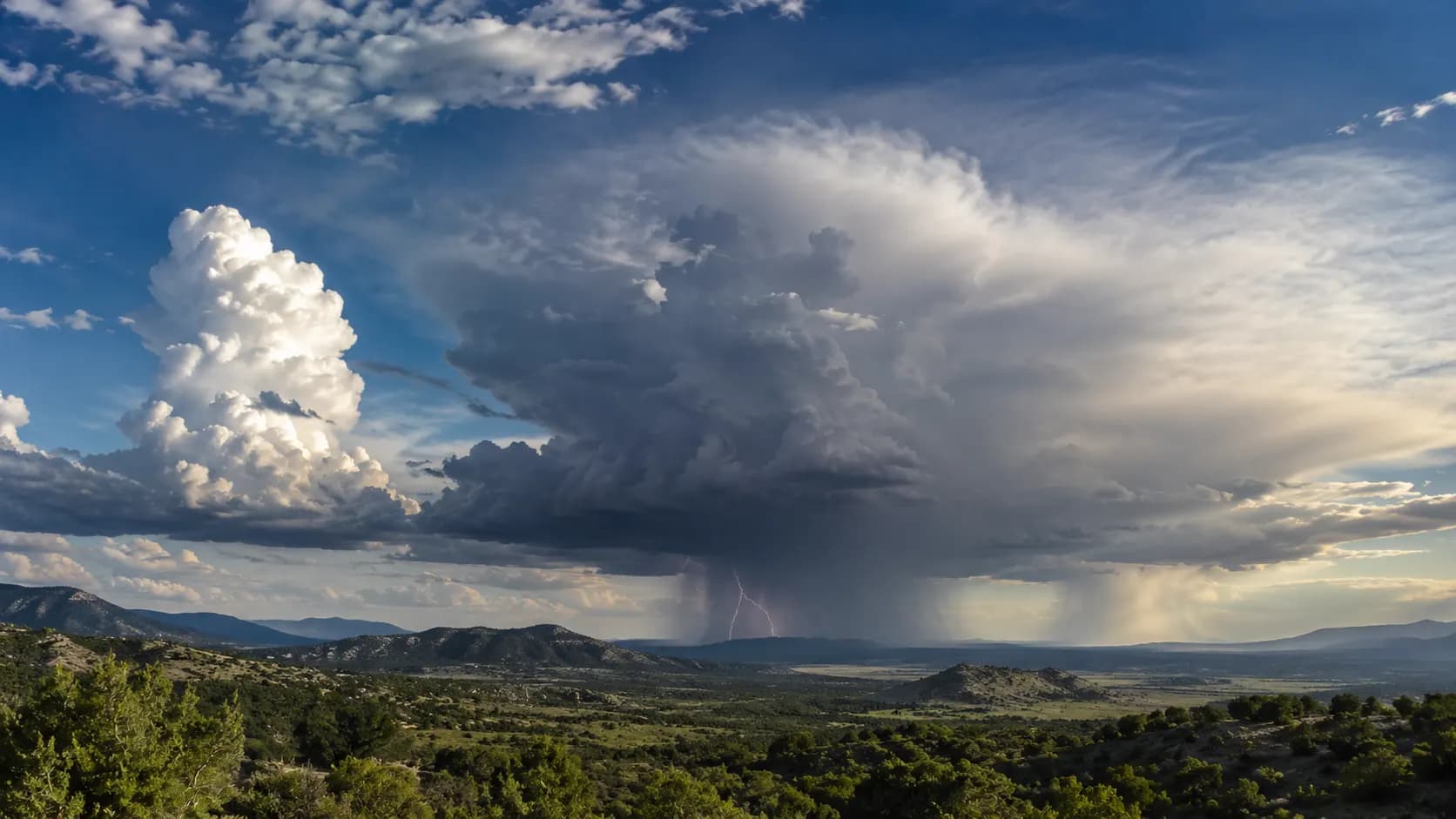
Three basic ingredients support thunderstorm development: moisture, unstable air and a way to lift air upward. Surface heating, fronts, mountains and other weather boundaries can provide that initial lift.
Stage 1: The Cloud Builds Upward
Warm, moist air rises in an updraft and cools as it climbs. Water vapour condenses, producing a towering cumulus cloud. During this developing stage, the storm is dominated by rising air and may produce little rain.
Stage 2: The Storm Becomes Mature
Once precipitation begins falling, downdrafts develop alongside the updraft. This mature stage is generally the most dangerous because heavy rain, frequent lightning, hail, strong winds and sometimes tornadoes may occur.
Stage 3: The Storm Weakens
Eventually, downdrafts can cut off much of the warm, moist inflow feeding the storm. Rainfall decreases and the cell begins to dissipate. Lightning can remain dangerous even while the storm appears to be weakening.
Why Does Lightning Form?
Inside a thunderstorm, ice particles, hail-like particles and supercooled water interact within powerful air currents. These collisions help separate electrical charge within the cloud. Scientists understand the broad process, although NOAA notes that the exact details of lightning initiation are still an active area of research.
When the electrical difference becomes large enough, a discharge occurs. That is lightning. The flash rapidly heats the surrounding air, and its sudden expansion creates thunder.
When Is a Thunderstorm Officially Severe?
Under US National Weather Service criteria, a thunderstorm is considered severe when it produces hail at least 1 inch, or 2.5 centimetres, in diameter, wind gusts of at least 58 mph, or about 93 km/h, or a tornado.
That technical definition should not be mistaken for a line between safe and dangerous. Lightning and flash flooding can be life-threatening even when a storm never meets the official severe-wind or hail thresholds.
The Wind Danger People Often Underestimate
Keep reading
What Is a Tornado and Why Can It Turn Dangerous in Minutes?
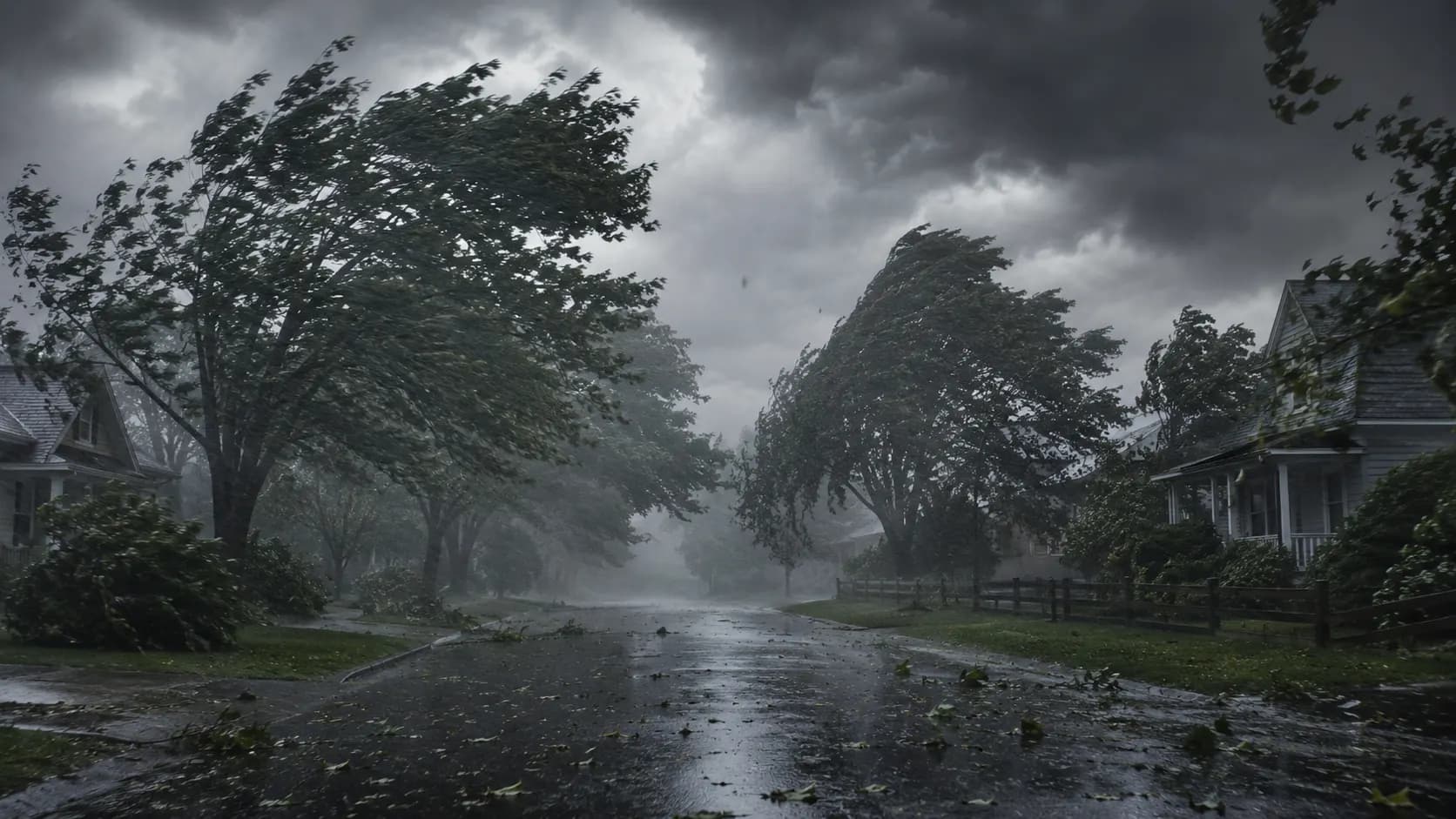
Tornadoes receive more attention, but thunderstorms can produce destructive winds without any rotation. These are commonly called straight-line winds.
Downbursts and Microbursts
A downburst develops when a strong downdraft reaches the ground and spreads outward, somewhat like water hitting the bottom of a sink. A microburst is a particularly small, concentrated downburst less than 4 kilometres across. These short-lived events can produce very strong winds and serious damage.
How Does Hail Form?
Hail forms inside thunderstorm updrafts. Water droplets are carried into very cold parts of the cloud, freeze and grow as additional supercooled water freezes onto them. A hailstone falls when it becomes too heavy for the updraft to support.
Stronger, sustained updrafts can support larger hailstones for longer. That is one reason powerful supercell thunderstorms are particularly capable of producing large hail.
Why Thunderstorms Can Trigger Flash Flooding
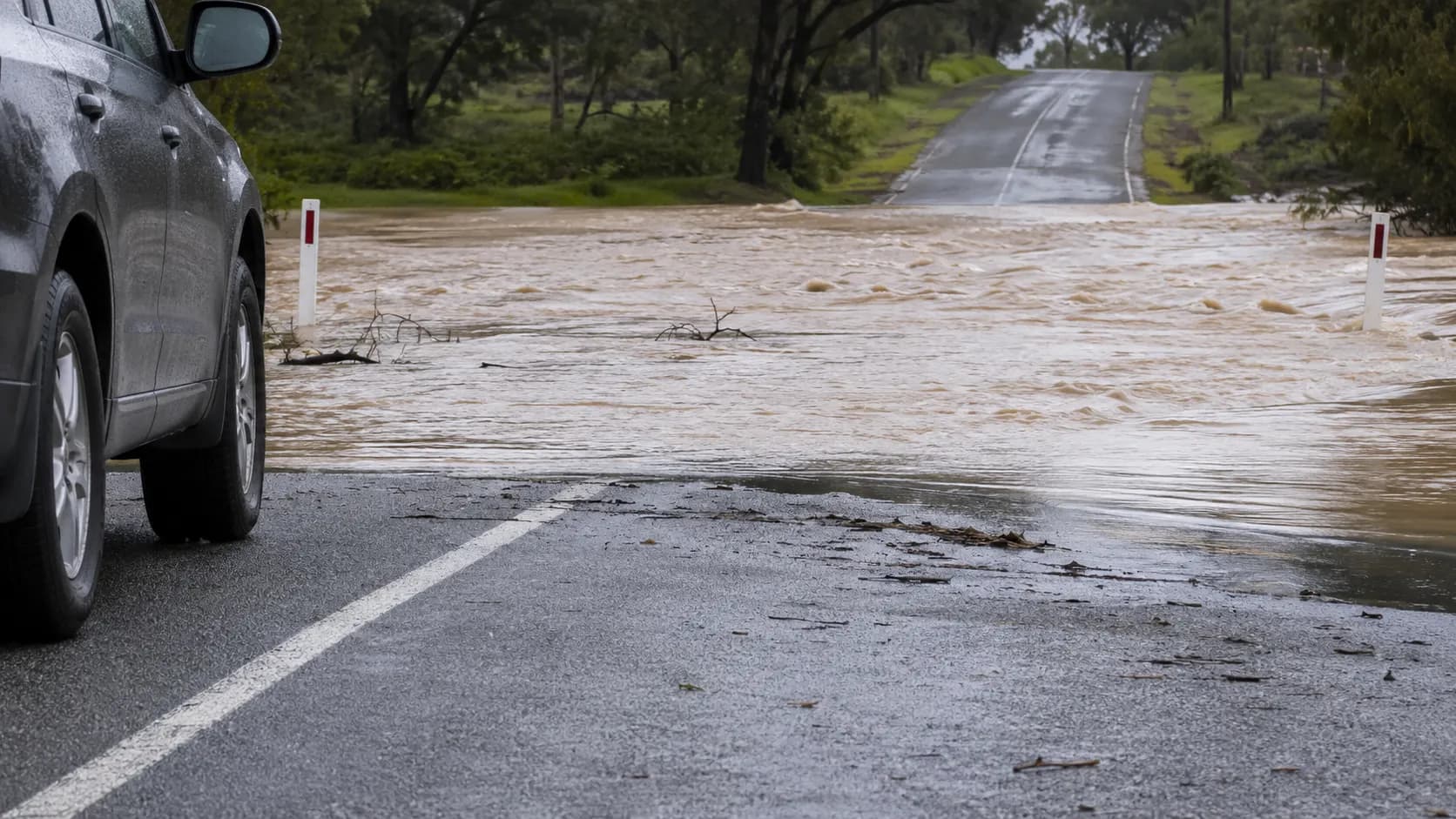
Thunderstorms can release intense rainfall over a small area in a short time. Water may collect faster than soil can absorb it or drainage systems can remove it, rapidly flooding roads, underpasses and low ground.
The most dramatic lightning and wind may already be moving away while runoff continues to rise elsewhere. Never assume floodwater is safe because the thunderstorm itself appears less intense.
Can Thunderstorms Produce Tornadoes?
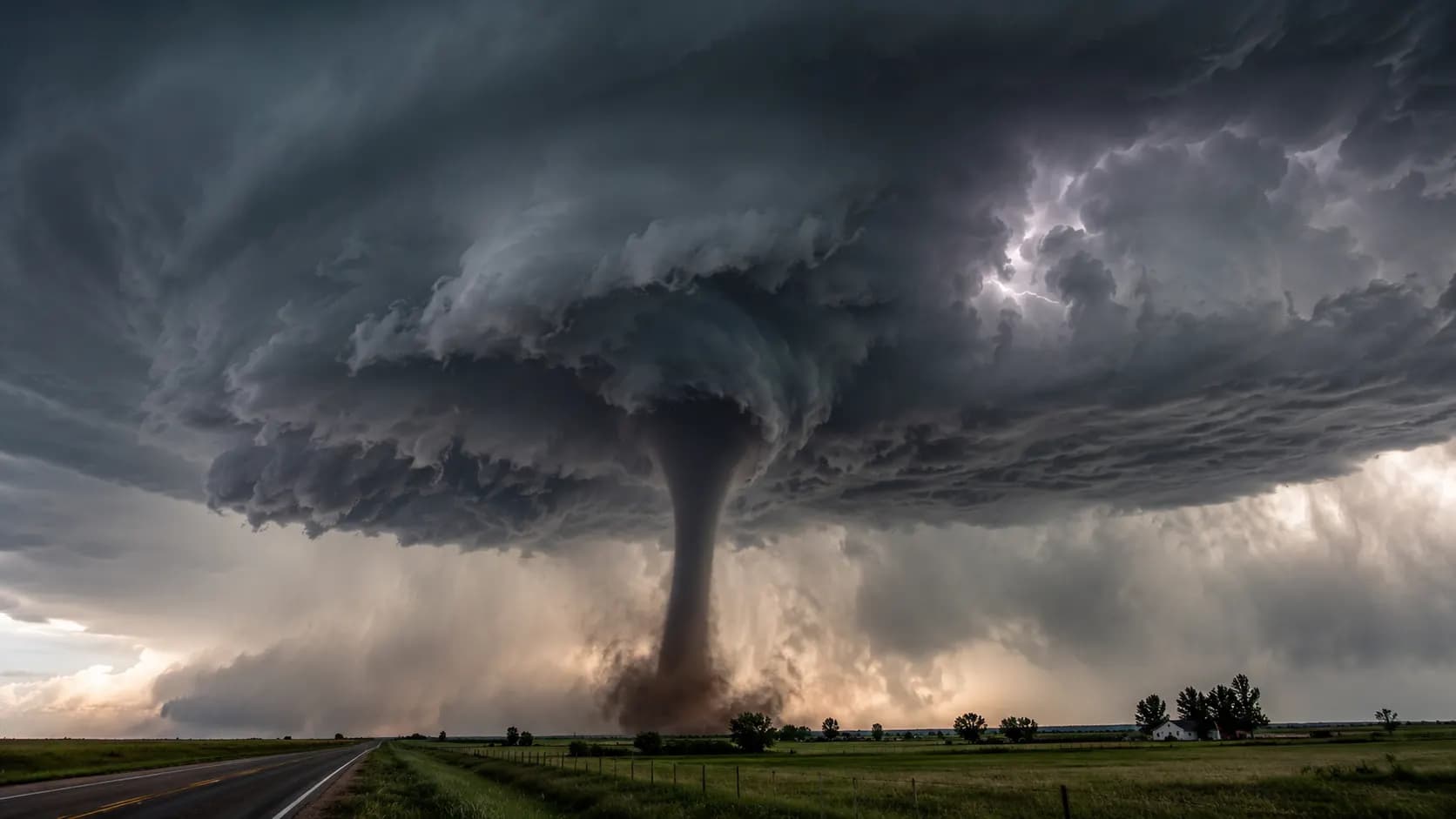
Yes, but most thunderstorms do not produce tornadoes. Many of the strongest tornadoes develop from supercells, thunderstorms with persistent rotating updrafts. Wind shear, where wind speed or direction changes with height, can help create the rotation needed for supercell development.
Tornado formation remains complex, and even a rotating supercell does not guarantee that a tornado will develop.
Severe Thunderstorm Watch vs. Warning
Severe Thunderstorm Watch: severe thunderstorms are possible in or near the watch area. Be prepared and monitor official updates.
Severe Thunderstorm Warning: severe weather is occurring or imminent. Move to safe shelter and follow local instructions.
These are US National Weather Service definitions. Warning systems and terminology differ between countries, so worldwide readers should follow their national meteorological and emergency authorities.
What Should You Do When Thunder Begins?
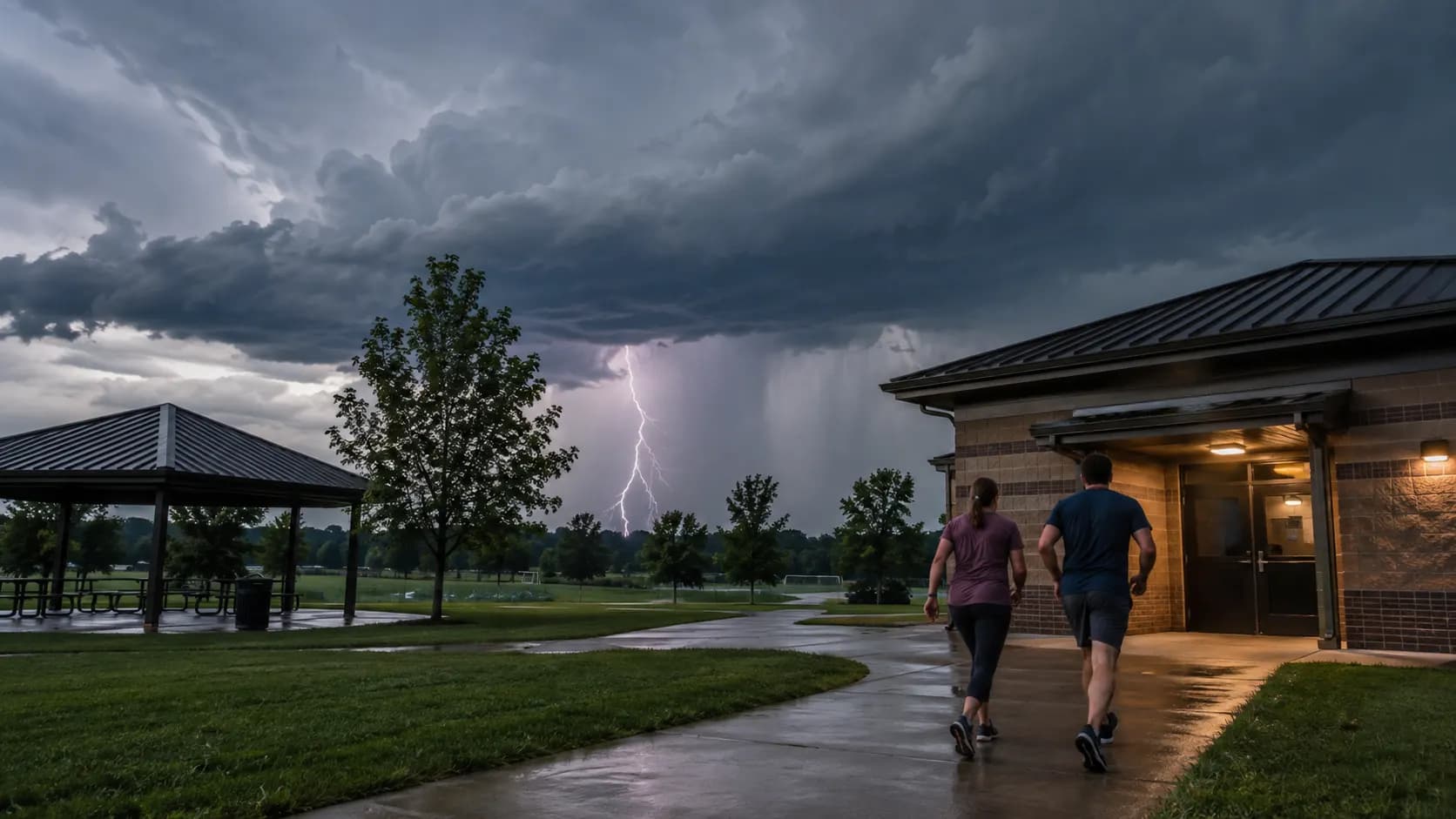
Move inside a substantial enclosed building as soon as you hear thunder.
If no suitable building is available, a hard-topped metal vehicle with the windows closed provides better protection.
Leave beaches, swimming pools, lakes and other open water.
Avoid isolated trees, hilltops, open fields and open-sided shelters such as picnic pavilions.
Stay away from windows during damaging wind or hail.
Monitor official warnings instead of relying only on what the sky looks like.
Wait at least 30 minutes after the last thunder before resuming outdoor activity.
The Danger Is the Combination
A thunderstorm does not need to become a tornado-producing supercell to create a serious emergency. Electricity, rapidly descending air, falling ice and heavy rain can develop within the same storm and affect different places almost at once.
Reference notes
Sources and further reading
- NOAA (opens in a new tab)https://www.nssl.noaa.gov/education/svrwx101/thunderstorms/
- Weather (opens in a new tab)https://www.weather.gov/safety/lightning-thunderstorm-development
- Weather (opens in a new tab)https://www.weather.gov/spotterguide/life
Show all 9 sources
- Weather (opens in a new tab)https://www.weather.gov/safety/lightning-science-thunder
- Weather (opens in a new tab)https://www.weather.gov/safety/lightning-sports
- NOAA (opens in a new tab)https://www.nssl.noaa.gov/education/svrwx101/wind/types/
- NOAA (opens in a new tab)https://www.nssl.noaa.gov/education/svrwx101/hail/
- NOAA (opens in a new tab)https://www.nssl.noaa.gov/education/svrwx101/tornadoes/types/
- Forecast Weather (opens in a new tab)https://forecast.weather.gov/glossary.php?word=severe+thunderstorm+warning
Our editorial promise
Prepared with clarity and care.
This guide completed our editorial review before publishing. If something needs attention, report a correction or contact the publisher.
About this article
- Published:
- Last updated:
- Author:
- Ceyora Editorial Team
- Review status:
- Editorially reviewed
- Sources:
- 9
- Corrections:
- Report an issue