When an Ordinary Day Suddenly Turns Dangerous
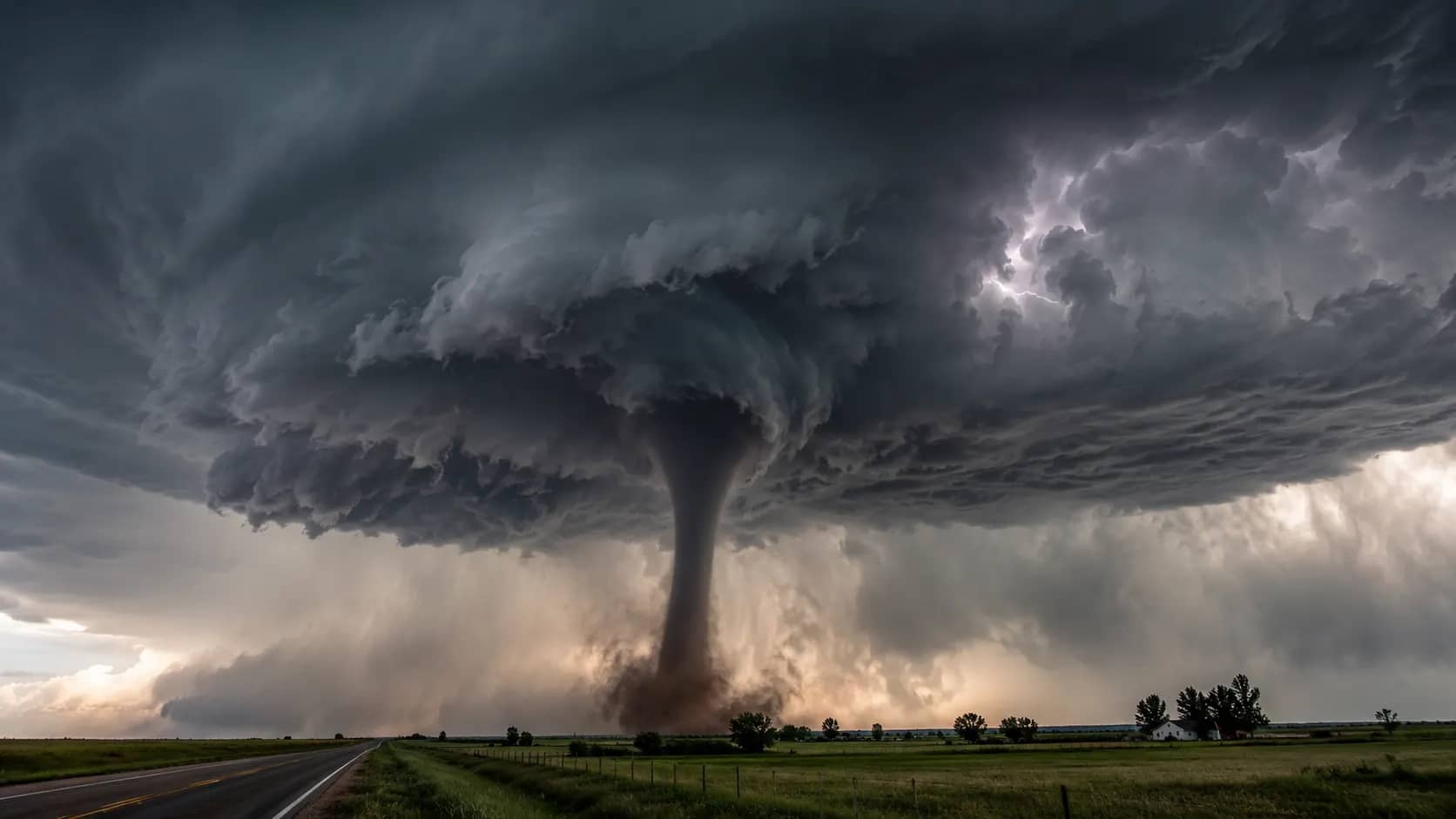
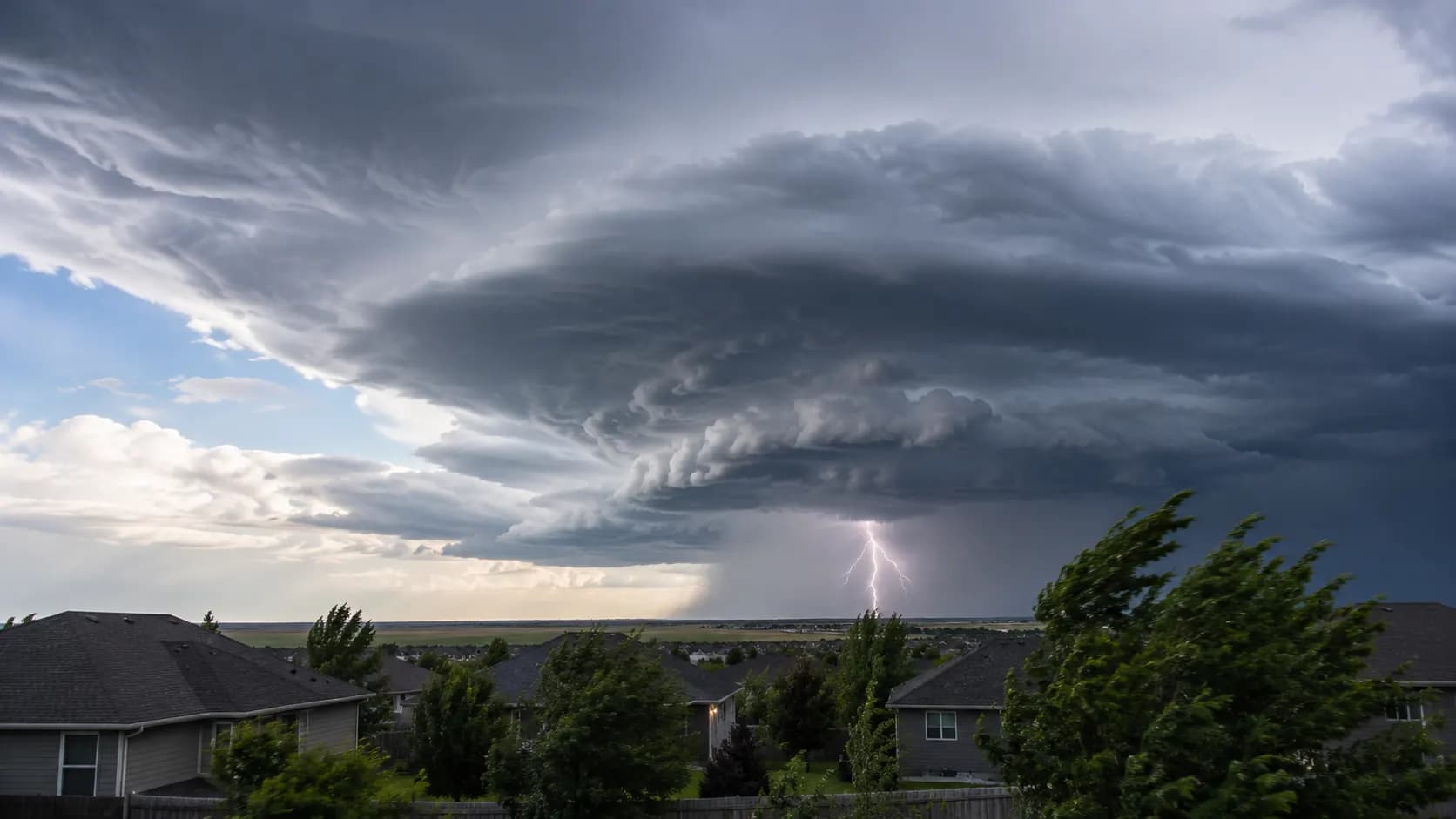
A tornado can begin as a dark shape beneath a thunderstorm and become a violent force within minutes. Some look like thin ropes stretching from the clouds. Others appear as wide walls of dust, rain, and flying debris.
The frightening part is not only their power. It is how quickly an ordinary day can change.
A family may be preparing dinner, driving home, or watching rain through a window when a tornado warning suddenly appears on a phone. Knowing what that warning means, and where to go next, can make a serious difference.
What Exactly Is a Tornado?
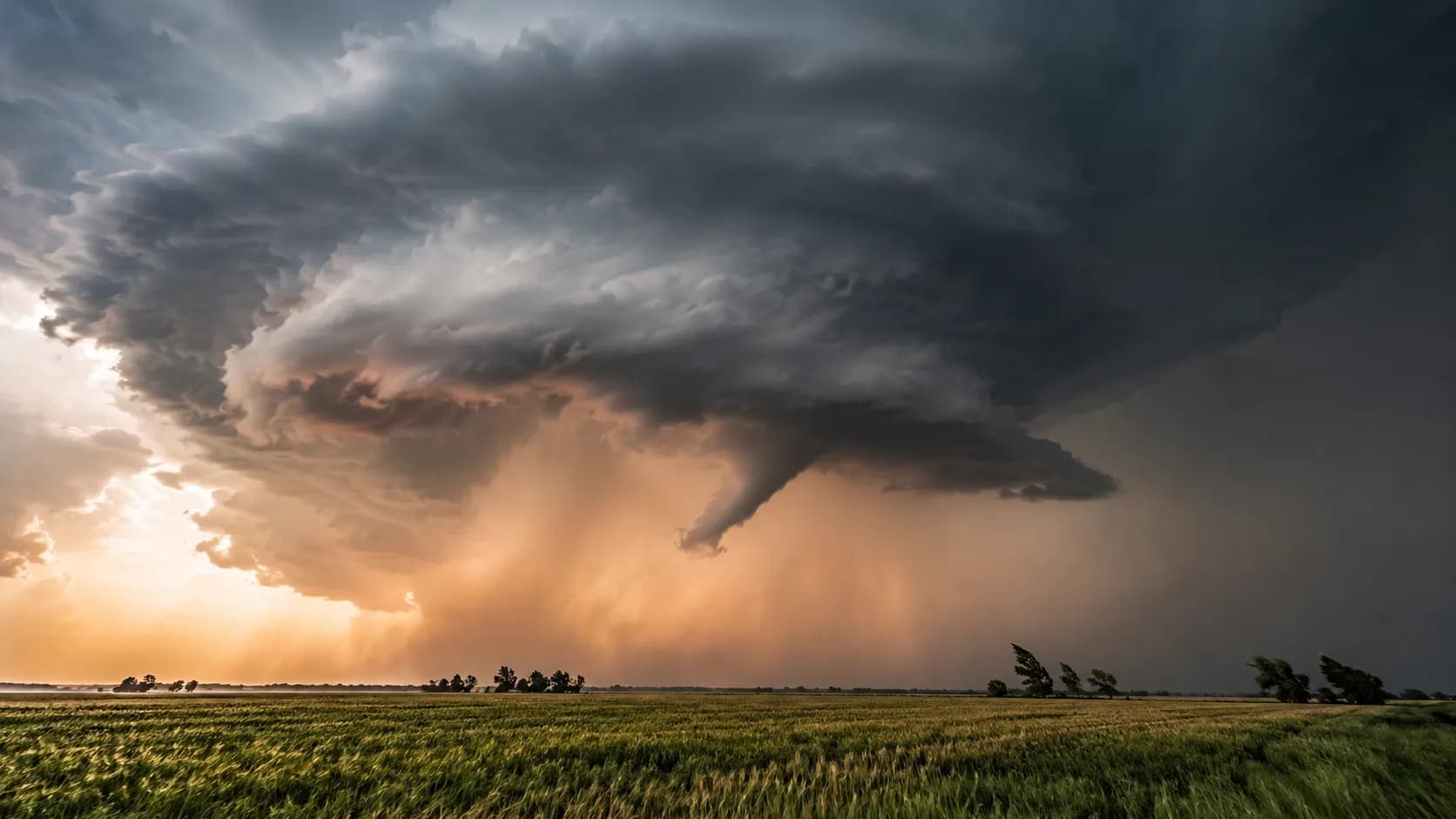
A tornado is a narrow column of violently rotating air that extends from a thunderstorm to the ground. The wind itself is invisible. A tornado usually becomes visible when it collects water droplets, dust, soil, or debris. Some tornadoes have a clear funnel shape, while others remain hidden behind heavy rain or darkness.
Tornadoes often develop inside powerful thunderstorms. Warm, moist air near the ground may meet cooler, drier air above it. Changes in wind speed and direction can create rotation inside the storm. Under the right conditions, that rotation becomes tighter, stretches downward, and reaches the ground.
Meteorologists can identify weather conditions that may produce tornadoes. However, predicting the exact location and moment a tornado will form remains difficult. This is why weather alerts should be taken seriously, even when the sky outside does not look particularly dangerous.
Why Are Tornadoes Dangerous?
Strong tornado winds can tear roofs from buildings, overturn vehicles, break trees, and lift heavy objects. Everyday items can become dangerous debris. A garden chair, piece of timber, broken sign, or sheet of metal may travel through the air at great speed.
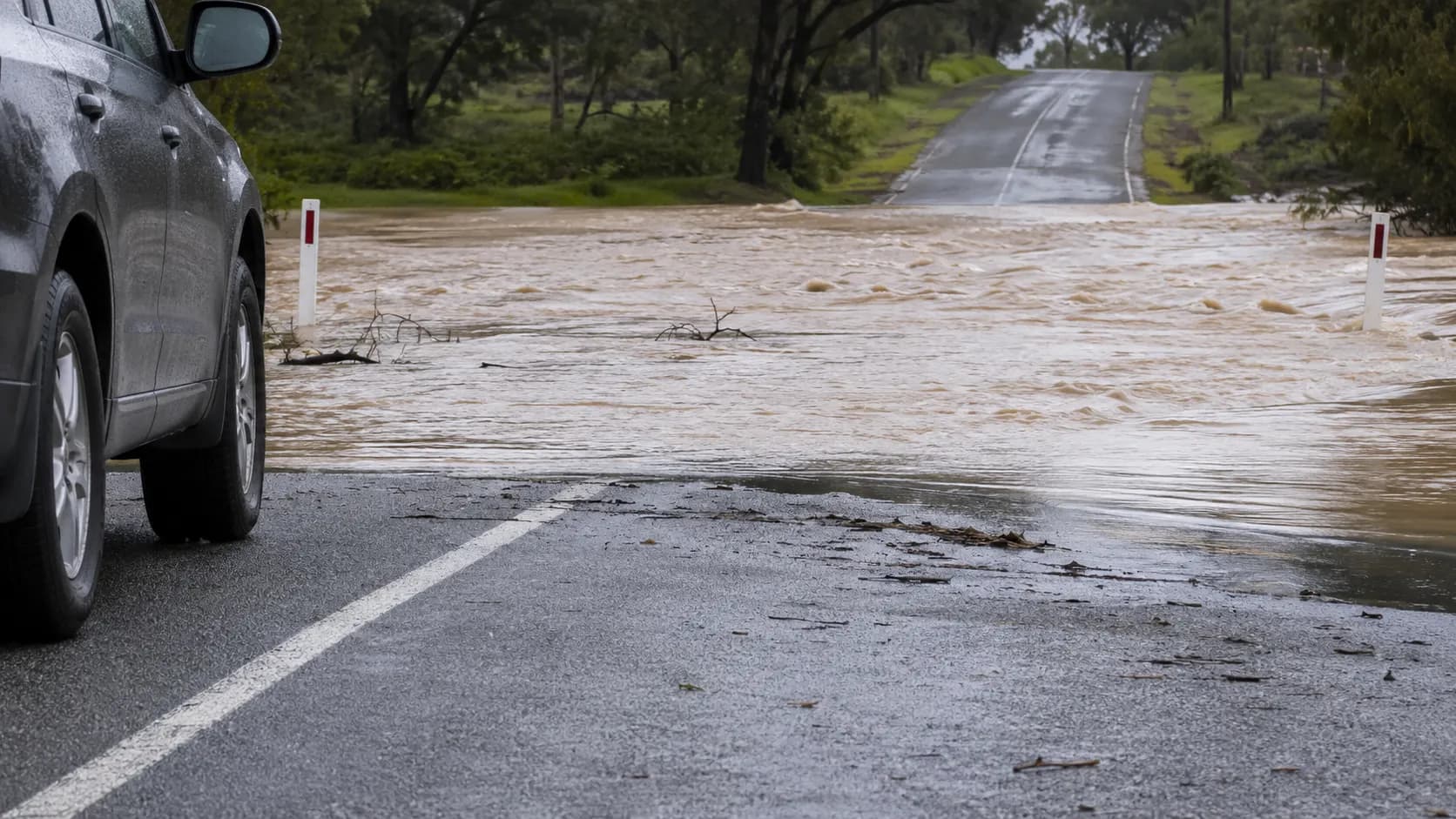
The danger does not always end when the tornado disappears. Broken glass, fallen power lines, damaged gas pipes, unstable walls, and flooded roads can remain afterward.
People sometimes leave shelter when everything suddenly becomes quiet. Yet another storm may be approaching, or the tornado may still be nearby. Continue checking official weather information before leaving your safe place.
Tornado Watch and Tornado Warning
Keep reading
Why Thunderstorms Can Turn Dangerous So Quickly
These two alerts are often confused.
A tornado watch means weather conditions are favorable for tornadoes. It does not mean that a tornado has already formed. Use this time to check local updates, charge your phone, prepare emergency supplies, and make sure everyone knows where to shelter.
A tornado warning means a tornado has been seen or detected by weather radar. Take shelter immediately. Do not wait to see the funnel with your own eyes. The CDC advises people to move to safety as soon as a tornado warning is issued.
Where Should You Shelter?
The safest choice is a properly designed storm shelter or safe room. A basement is another strong option.
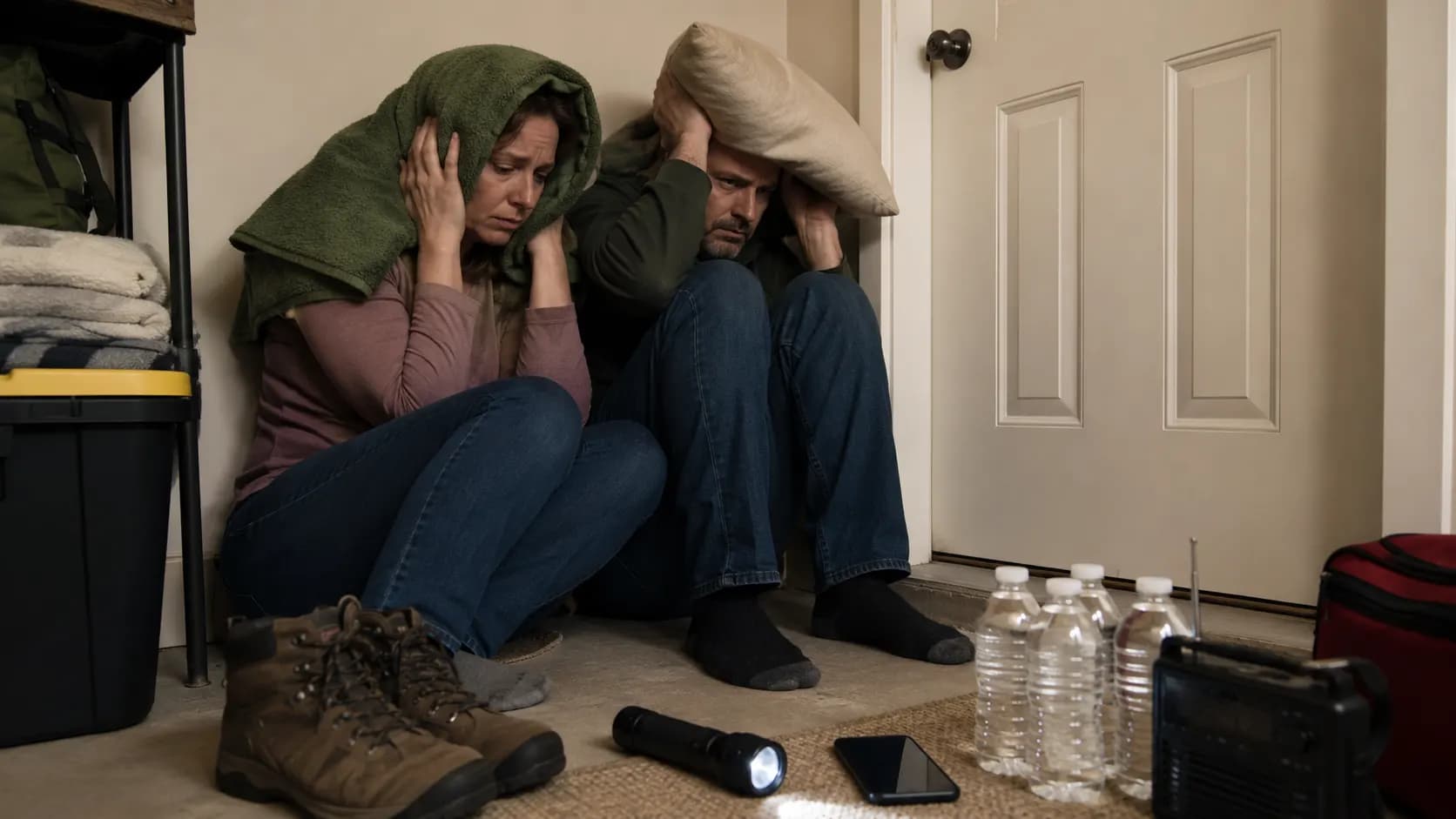
When neither is available, move to a small interior room on the lowest floor of a sturdy building. Choose a place without windows, such as an inside bathroom, closet, or hallway. Crouch down and protect your head and neck using your arms, blankets, a mattress, or a helmet.
Bring children and pets with you when time allows. Wearing sturdy shoes is also helpful because broken glass and sharp debris may cover the floor after the storm.
Mobile homes and vehicles provide poor protection. Leave a mobile home early and move to a sturdy building or approved shelter. While driving, do not park beneath a highway overpass or attempt to race a nearby tornado. Reach a strong building when it can be done safely.
Reference notes
Sources and further reading
- NOAA (opens in a new tab)https://www.nesdis.noaa.gov/about/k-12-education/severe-weather/what-causes-tornadoes
- NOAA (opens in a new tab)https://www.nssl.noaa.gov/education/svrwx101/tornadoes/
- Weather (opens in a new tab)https://www.weather.gov/safety/tornado
Show all 7 sources
- Weather (opens in a new tab)https://www.weather.gov/safety/tornado-during
- CDC (opens in a new tab)https://www.cdc.gov/tornadoes/safety/stay-safe-during-a-tornado-safety.html
- CDC (opens in a new tab)https://www.cdc.gov/tornadoes/safety/stay-safe-after-a-tornado-safety.html
- Ready (opens in a new tab)https://www.ready.gov/tornadoes
Our editorial promise
Prepared with clarity and care.
This guide completed our editorial review before publishing. If something needs attention, report a correction or contact the publisher.
About this article
- Published:
- Last updated:
- Author:
- Ceyora Editorial Team
- Review status:
- Editorially reviewed
- Sources:
- 7
- Corrections:
- Report an issue