
When Spain’s Summer Heat Becomes Dangerous
Spain is famous for bright summer days, lively beaches and warm evenings. But the heat affecting the country in 2026 is far beyond normal holiday weather.
Temperatures have repeatedly climbed above 40°C, while several regions have faced dangerous fire conditions, dry land and nights that offer little relief. By July, Spain was already dealing with its third major heatwave of the year, with some southeastern areas expected to reach between 42°C and 44°C.
For someone sitting near the sea with a cold drink, the heat may appear manageable. Life feels very different for an elderly person in a warm apartment, a farmer working outdoors or a firefighter standing near burning woodland.
Why Is Spain Becoming Extremely Hot?
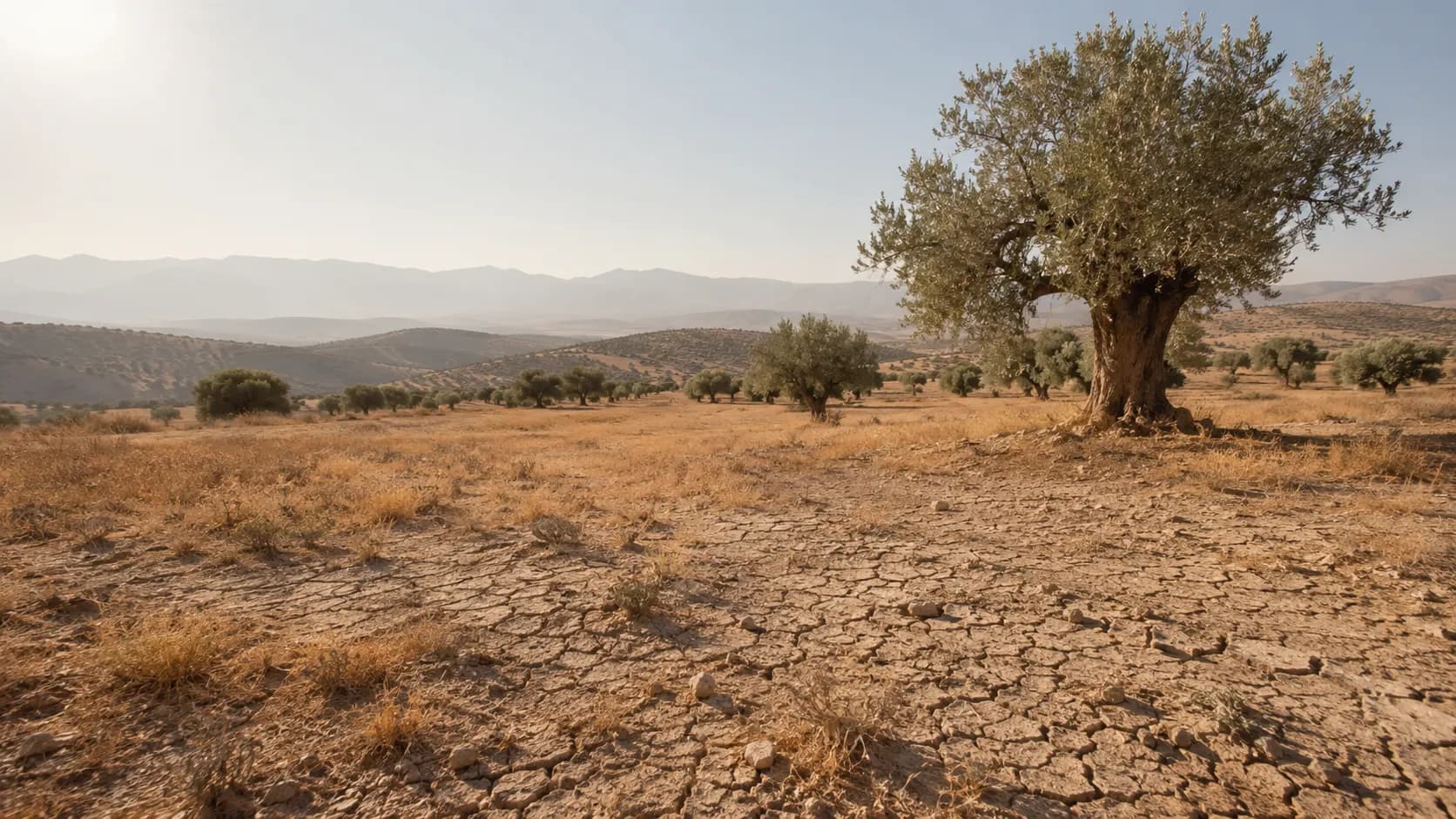
Spain naturally experiences hot summers, especially across inland and southern areas. The current heatwaves become more dangerous when a large area of high pressure remains over the region.
This weather pattern can trap hot, dry air for several days. Clear skies allow strong sunlight to heat roads, buildings and dry soil throughout the day. In some situations, warmer air also moves north from Africa and spreads across the Iberian Peninsula.
A single hot afternoon is uncomfortable. Several extremely hot days in a row create a much bigger problem because buildings, streets and the human body have less time to cool.
The wider climate is also becoming warmer. Copernicus reported that June 2026 was the hottest June recorded in western Europe and the second warmest June globally. Sea surface temperatures around Europe were also unusually high, adding more warmth to the surrounding climate system.
The Nights Are Staying Warm
Daytime temperatures usually receive the most attention, but hot nights can be just as serious.
When temperatures remain high after sunset, homes do not cool properly. People may struggle to sleep, particularly in apartments without effective ventilation or cooling. After several restless nights, tiredness builds and the body becomes less able to handle another day of extreme heat.
Imagine trying to sleep in a bedroom that still feels warm at midnight, then waking early for an outdoor job. That repeated strain can quickly affect concentration, mood and physical health.

Keep reading
What Is the Heat Index and When Does It Become Dangerous?
Why This Heatwave Is Dangerous
Extreme heat can lead to dehydration, heat exhaustion and heat stroke. It can also make existing heart, breathing and kidney conditions worse. Older adults, babies, outdoor workers and people with long term health conditions face a greater risk.
Spain recorded 1,029 excess deaths attributed to heat during June 2026. That month became Spain’s second hottest June on record after a five day heatwave pushed temperatures beyond 40°C.
These numbers show why a heatwave should not be treated as an ordinary sunny period. The danger is not always visible. Someone may appear tired or confused before their condition becomes an emergency.
Wildfires Are Adding Another Threat
Hot weather does not automatically start a wildfire, but it dries grass, trees and soil. Once a fire begins, heat, drought and wind can help it spread rapidly.
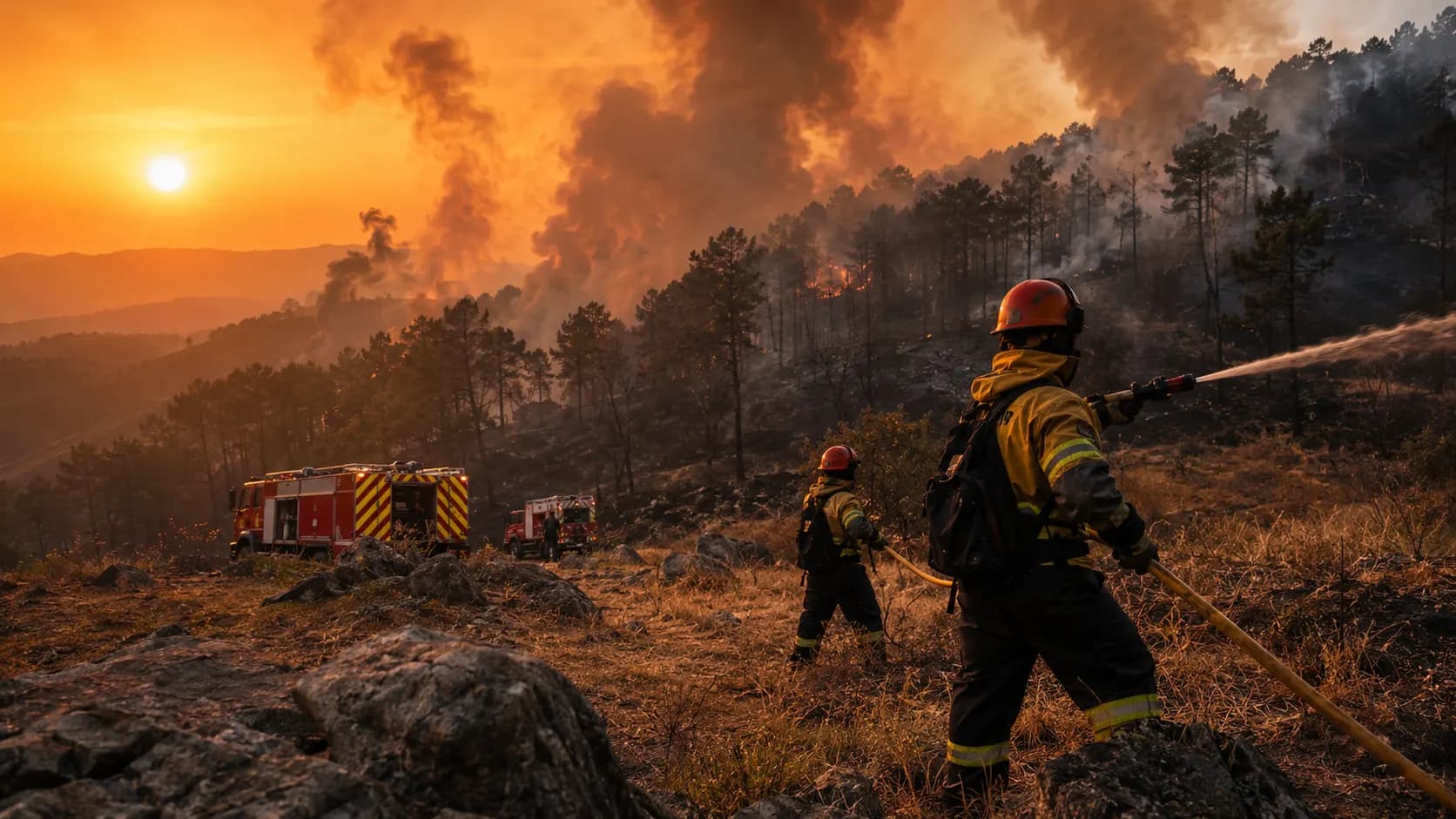
In July 2026, Spain’s largest wildfire of the year burned more than 26,000 hectares in Guadalajara province and forced over 1,000 residents to leave their homes. The heatwave pushed fire conditions towards extreme levels and made emergency work more difficult.
Smoke also creates problems far beyond the flames. It can reduce air quality and affect people with asthma or other breathing difficulties.
Reference notes
Sources and further reading
- Aemet Es (opens in a new tab)https://www.aemet.es/en/eltiempo/prediccion/avisos
- Sanidad Gob Es (opens in a new tab)https://www.sanidad.gob.es/en/areas/sanidadAmbiental/riesgosAmbientales/calorExtremo/home.htm
- Sanidad Gob Es (opens in a new tab)https://www.sanidad.gob.es/excesoTemperaturas/meteosalud.do
Our editorial promise
Prepared with clarity and care.
This guide completed our editorial review before publishing. If something needs attention, report a correction or contact the publisher.
About this article
- Published:
- Last updated:
- Author:
- Ceyora Editorial Team
- Review status:
- Editorially reviewed
- Sources:
- 5
- Corrections:
- Report an issue