Why a Snakebite Can Be More Serious Than It Looks
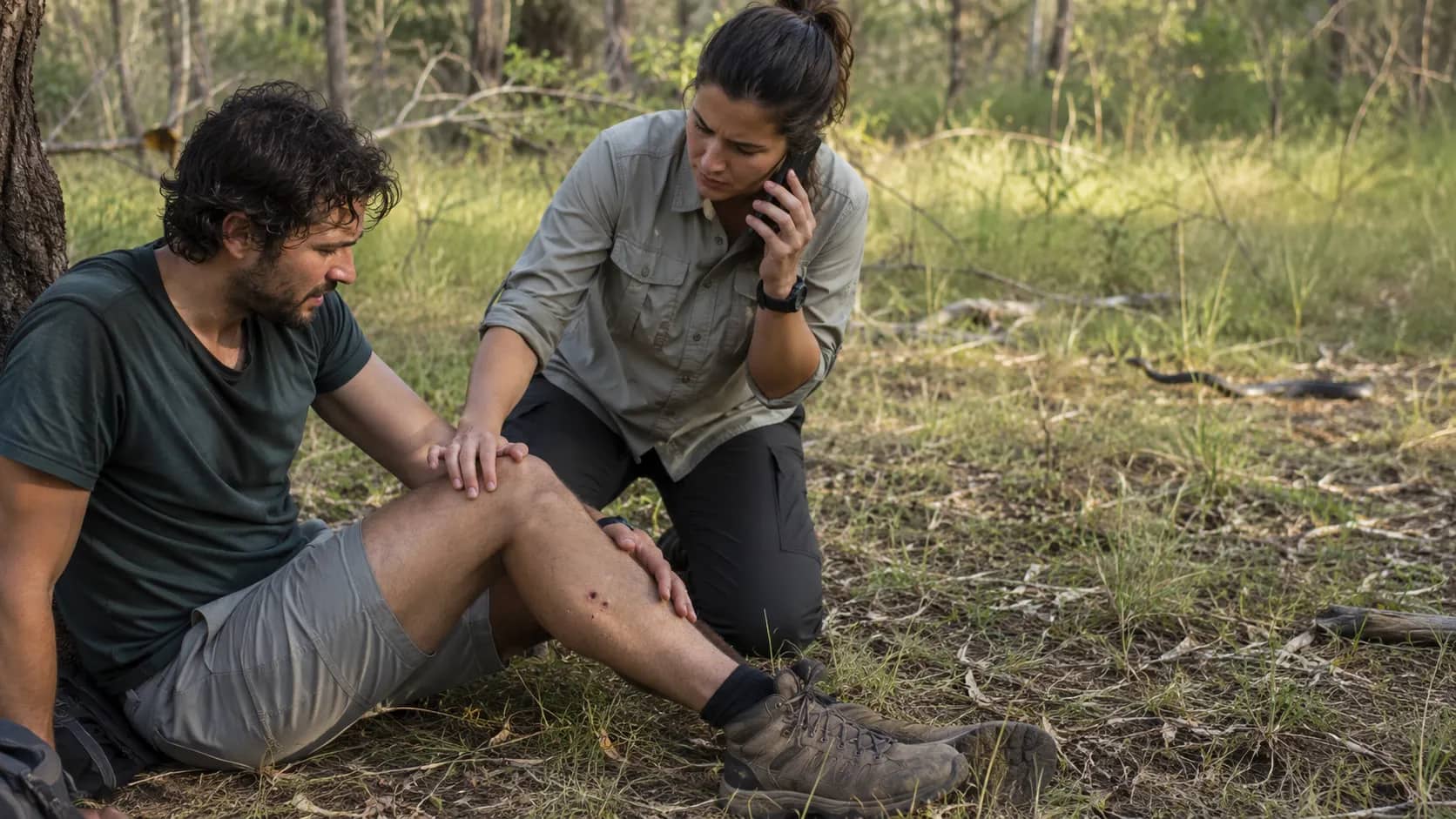
A snakebite may leave only a couple of small marks, yet what happens next can become serious quickly. Venom may damage tissue, affect blood clotting, weaken muscles, interfere with breathing, or harm the kidneys. The worrying part is that the person may look fairly well at first.
That is why a suspected snakebite should never become a wait and see situation. Even when the snake looked harmless, urgent medical assessment is the safest choice.
What Venom Can Do Inside the Body
Different snakes produce different venoms. Some damage tissue around the bite, causing pain, swelling, blistering, or severe local injury. Others affect the nervous system and may cause drooping eyelids, weakness, trouble speaking, or difficulty breathing. Certain venoms interfere with blood clotting or contribute to kidney damage.
Symptoms are not always immediate. A person may feel frightened but otherwise normal at first. Later, swelling, vomiting, dizziness, unusual bleeding, blurred vision, weakness, or breathing problems may appear. Waiting for obvious symptoms can waste valuable time.
What to Do Immediately
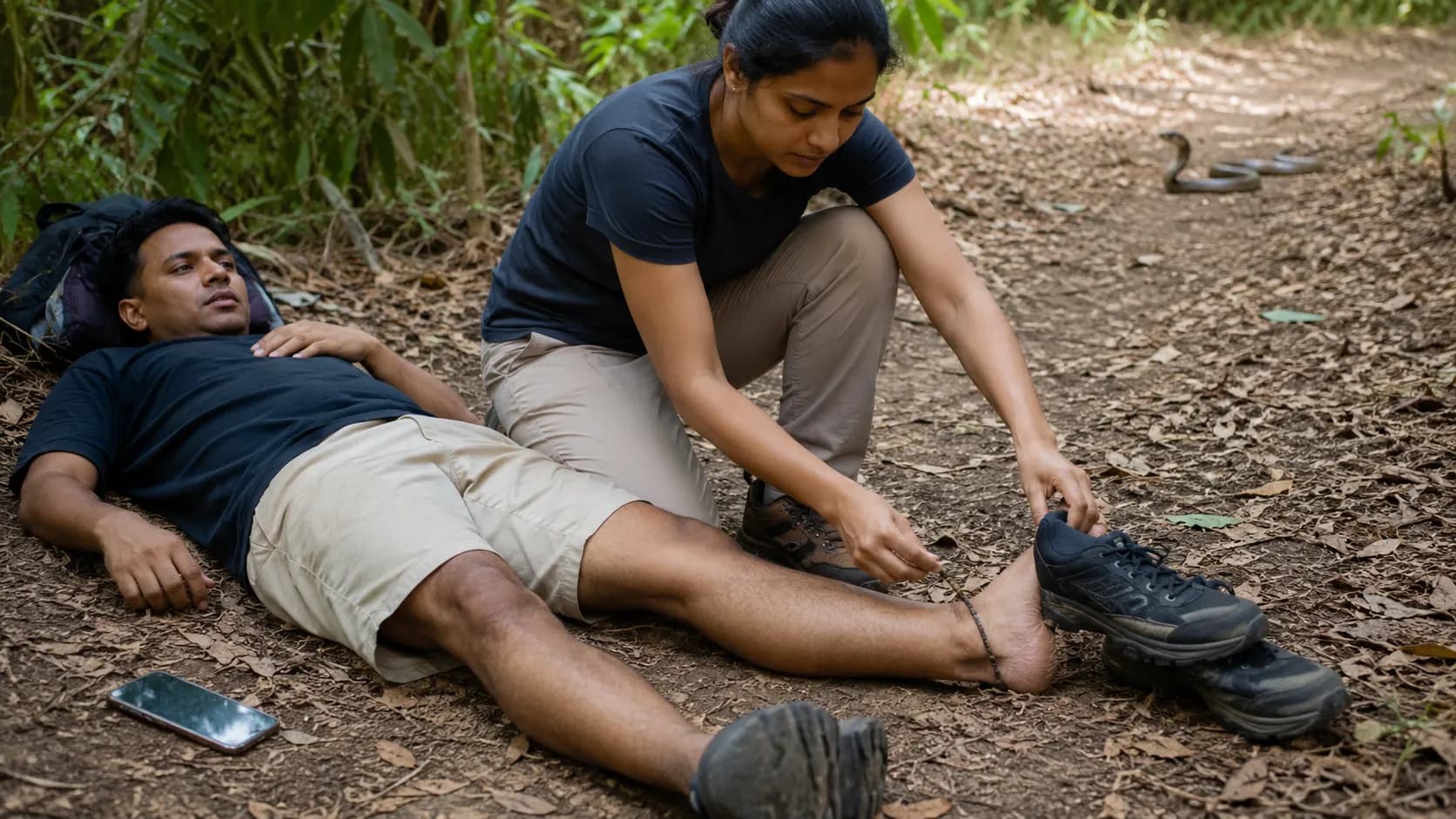
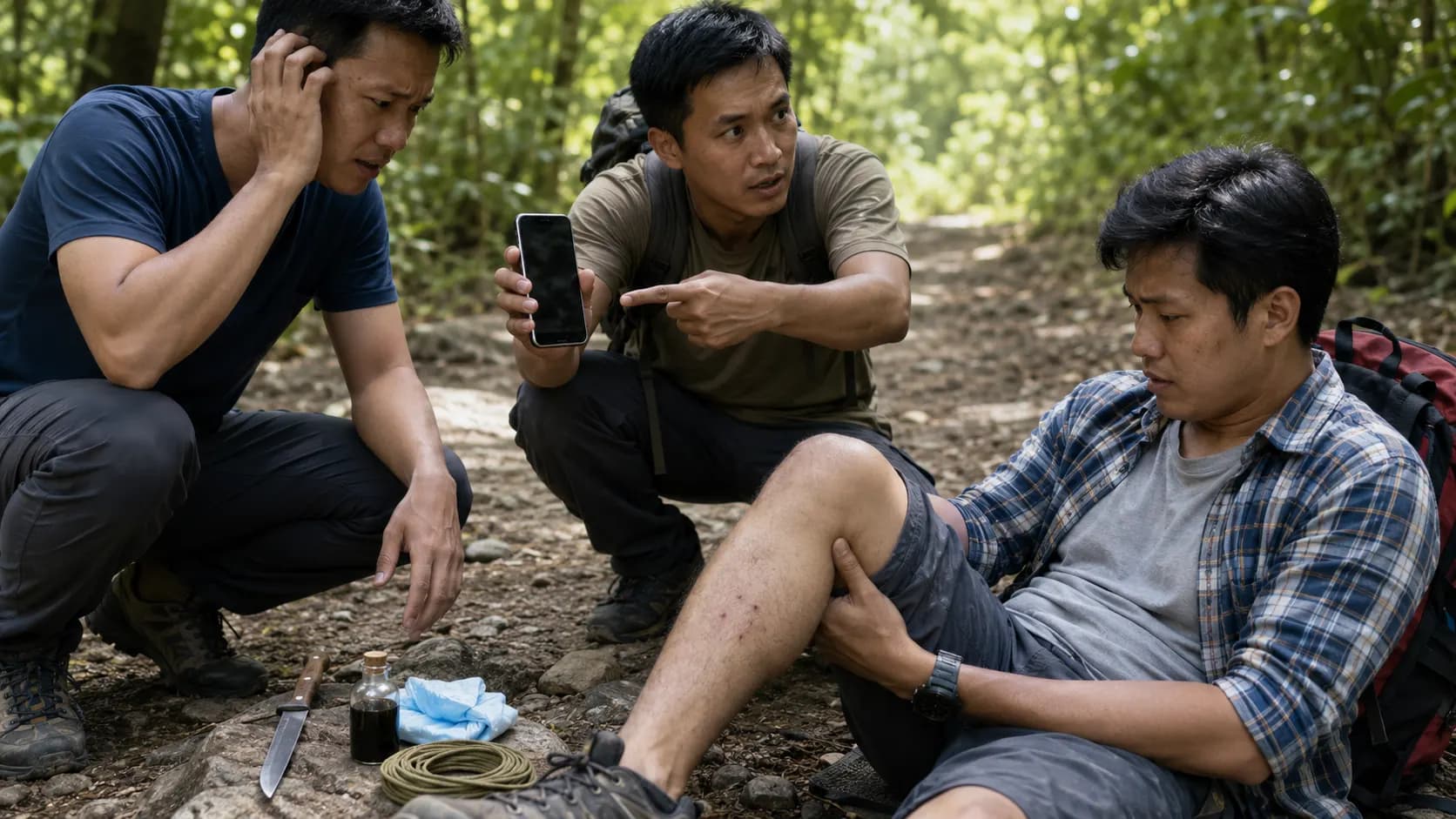
First, move everyone a safe distance from the snake. Help the bitten person sit or lie down. Keep them calm and limit movement, especially movement of the bitten limb.

Keep reading
Are Kangaroos Dangerous? The Truth About Their Powerful Attacks
Call the local emergency number or arrange transport to the nearest hospital that can manage snakebite. The person should not drive because dizziness, weakness, or fainting may develop.
Remove rings, watches, anklets, or tight clothing before swelling begins. Keep the limb still in a comfortable position. First aid guidance can vary by country and snake species, particularly for pressure immobilization bandages. Follow instructions from local emergency services rather than copying a method seen online.
Dangerous Mistakes People Still Make
Movies have made venom sucking look useful. It is not. Cutting the skin can cause bleeding, infection, and tissue damage. A tight tourniquet can stop blood flow and badly injure the limb. Ice, alcohol, herbal mixtures, and unproven remedies may create more harm or delay hospital care.
Trying to capture the snake is another mistake. A second bite can turn one emergency into a larger crisis. Leave the animal alone.
Reference notes
Sources and further reading
Our editorial promise
Prepared with clarity and care.
This guide completed our editorial review before publishing. If something needs attention, report a correction or contact the publisher.
About this article
- Published:
- Last updated:
- Author:
- Ceyora Editorial Team
- Review status:
- Editorially reviewed
- Sources:
- 5
- Corrections:
- Report an issue