When a Calm Kangaroo Becomes Dangerous
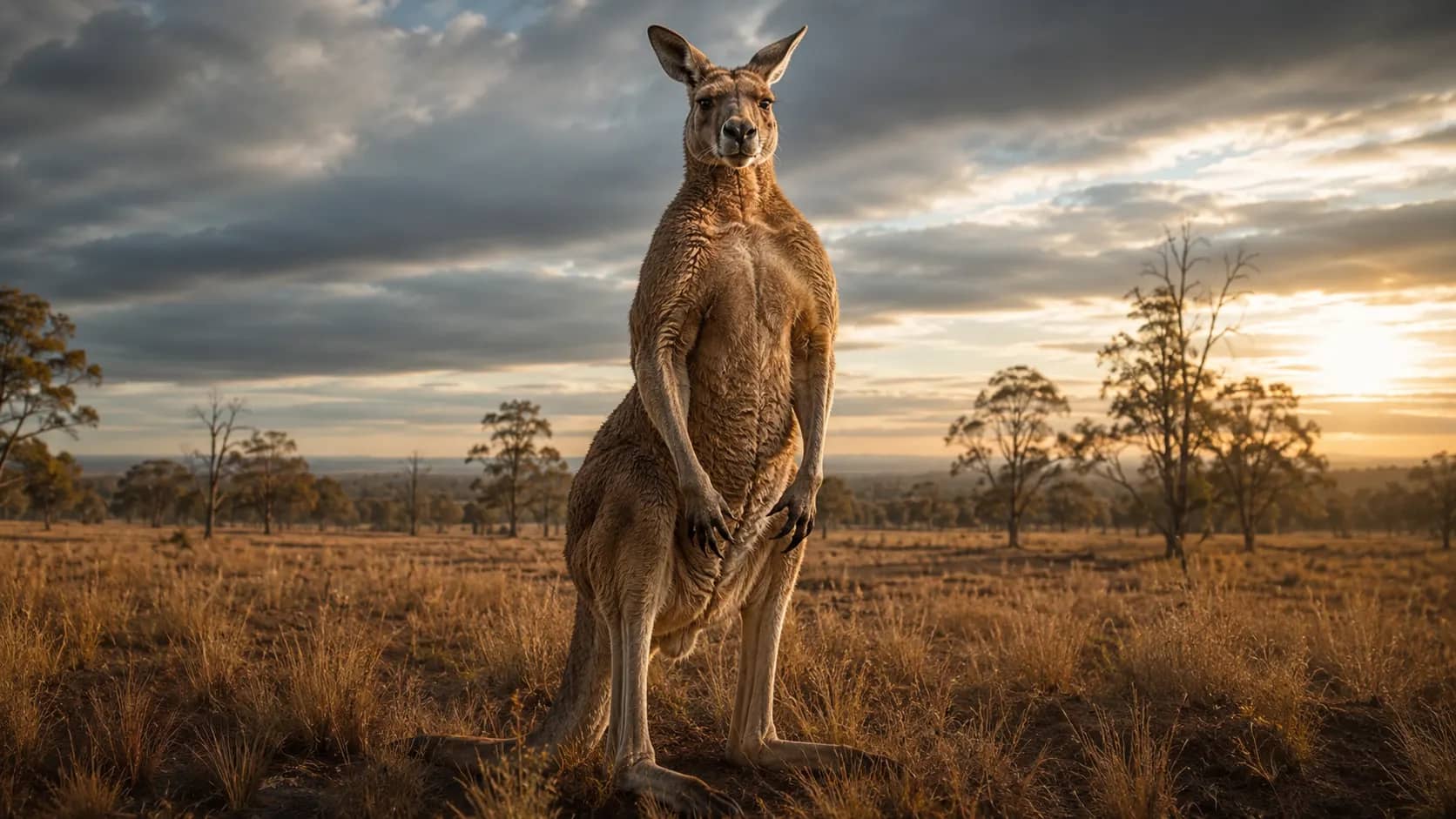
A kangaroo standing quietly in an open field can look calm, curious, and almost friendly. That peaceful appearance makes it easy to forget one important fact. A kangaroo is a strong wild animal.
Most kangaroos would rather move away than fight a person. Attacks are rare, but they can happen when the animal feels threatened, cornered, challenged, or accustomed to receiving food from humans. A close encounter can change quickly, especially with a large adult male.
The Calm Animal with a Powerful Defense
Kangaroos are generally peaceful when people give them enough space. Trouble often begins when someone walks closer for a photo, tries to touch one, blocks its escape route, or stands between a mother and her joey.
A frightened or defensive kangaroo may grab and push with its front paws. It can then lean back on its strong tail and kick forward with its hind legs. Those kicks can cause serious cuts and other injuries. Both males and females are capable of defending themselves, although a large male can present the greatest danger because of its size and strength.
Think of it like approaching a large animal that does not understand your intentions. You may believe you are being friendly. The kangaroo may see a stranger walking directly toward it and decide that it needs to protect itself.
Why Kangaroos Sometimes Become Aggressive
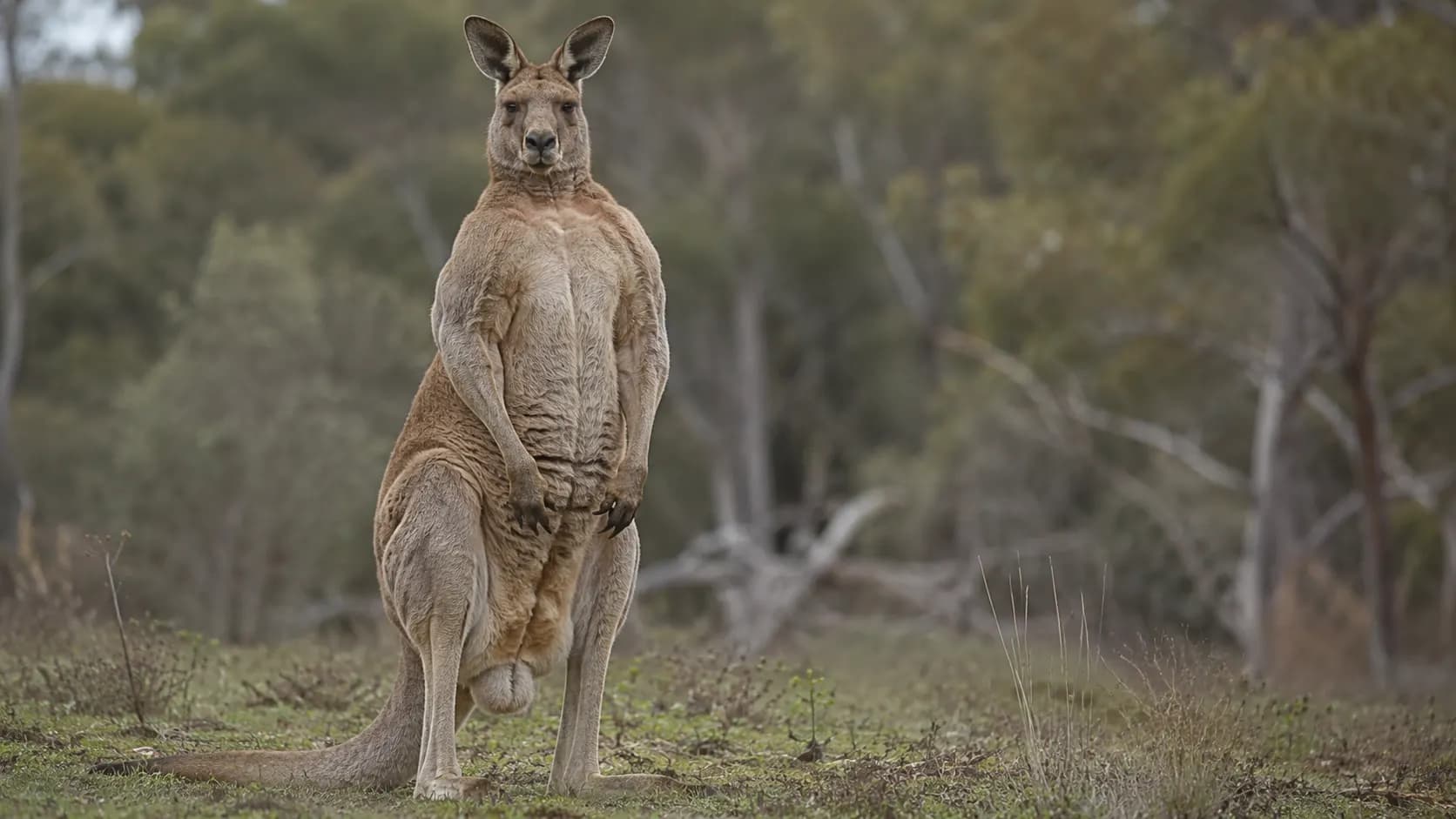
Human feeding is one of the biggest causes of unsafe behavior. A kangaroo that regularly receives food may begin approaching people and expecting something to eat. When the food does not appear, the animal may become demanding or aggressive.
Feeding also teaches the kangaroo that staying close to people is normal. This removes the natural distance that usually protects both sides. What begins as a harmless piece of food can create a dangerous habit later.
Male kangaroos may also become defensive while competing for dominance or staying close to females. A mother may react when she believes her joey is in danger. Sick, injured, startled, or cornered animals can behave unpredictably as well.
Dogs create another common risk. Even a playful dog may chase or bark at a kangaroo. The kangaroo may defend itself, placing the dog and its owner in danger.
Keep reading
Snakebite First Aid and Dangerous Mistakes to Avoid
Warning Signs You Should Notice
An uncomfortable kangaroo may stare, move closer, stand upright, make growling or clucking sounds, or display its body in an intimidating way. Male kangaroos may rub their chests on the ground, stand tall using the tail for support, or begin sparring with another male.
These are not invitations to move closer. They are reasons to create more distance.
Many problems happen because people ignore the early signs. They remain nearby for a better photo or expect the animal to calm down. A safer choice is to leave before the situation becomes serious.
What to Do if a Kangaroo Approaches You
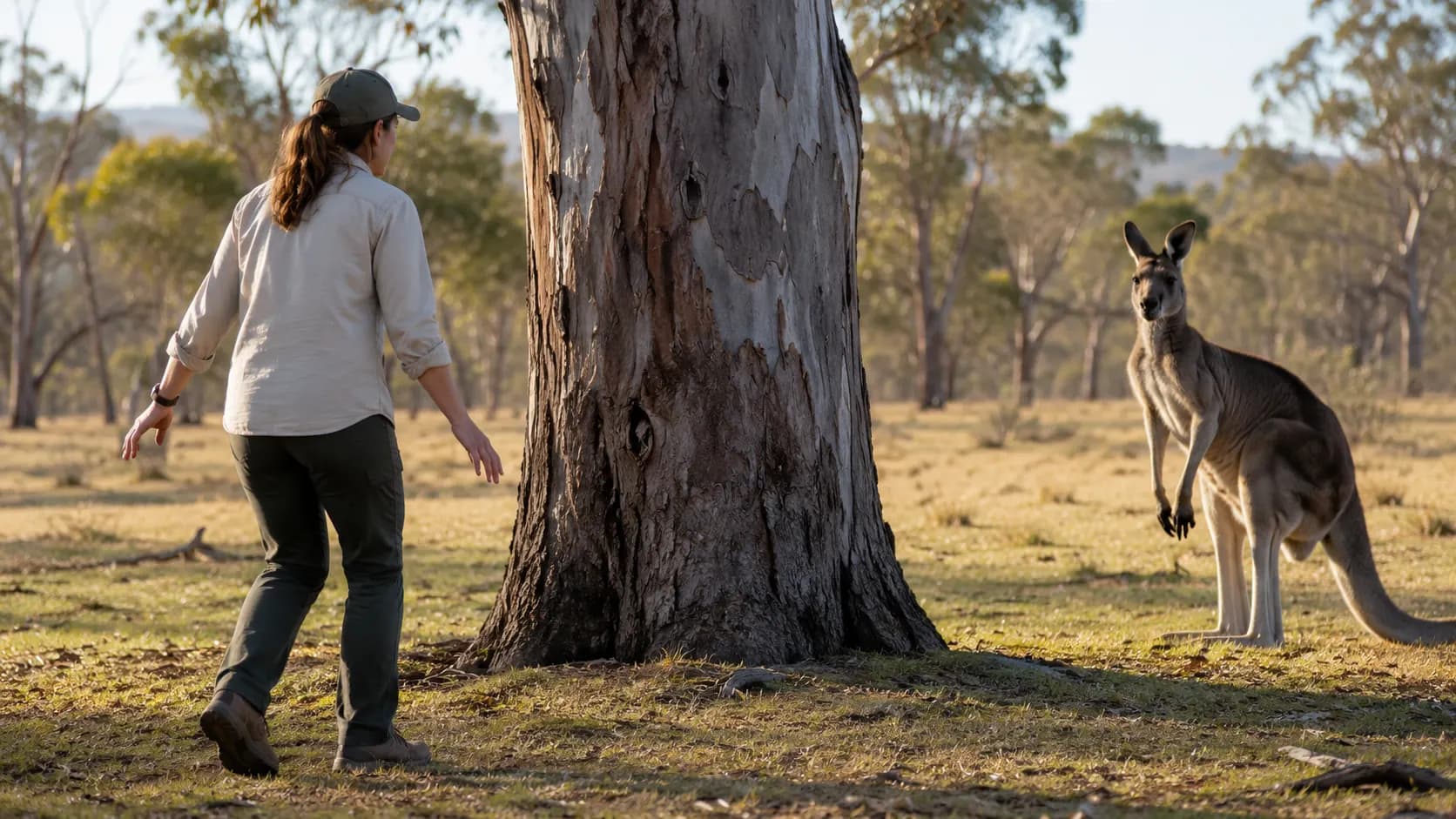
Stay calm and slowly move away. Do not run or turn your back on the animal. Running may trigger further pursuit, and a large kangaroo can move quickly.
Avoid staring directly into its eyes. Keep your arms close to your body and lower your posture slightly, making yourself appear less threatening. Move toward a safe area while keeping track of the animal’s position.
Reference notes
Sources and further reading
- Qld (opens in a new tab)https://www.qld.gov.au/environment/plants-animals/animals/living-with/kangaroos
- Environment Nsw (opens in a new tab)https://www.environment.nsw.gov.au/publications/living-kangaroos
- Environment Nsw (opens in a new tab)https://www.environment.nsw.gov.au/sites/default/files/living-with-kangaroos-100968.pdf
Our editorial promise
Prepared with clarity and care.
This guide completed our editorial review before publishing. If something needs attention, report a correction or contact the publisher.
About this article
- Published:
- Last updated:
- Author:
- Ceyora Editorial Team
- Review status:
- Editorially reviewed
- Sources:
- 4
- Corrections:
- Report an issue