
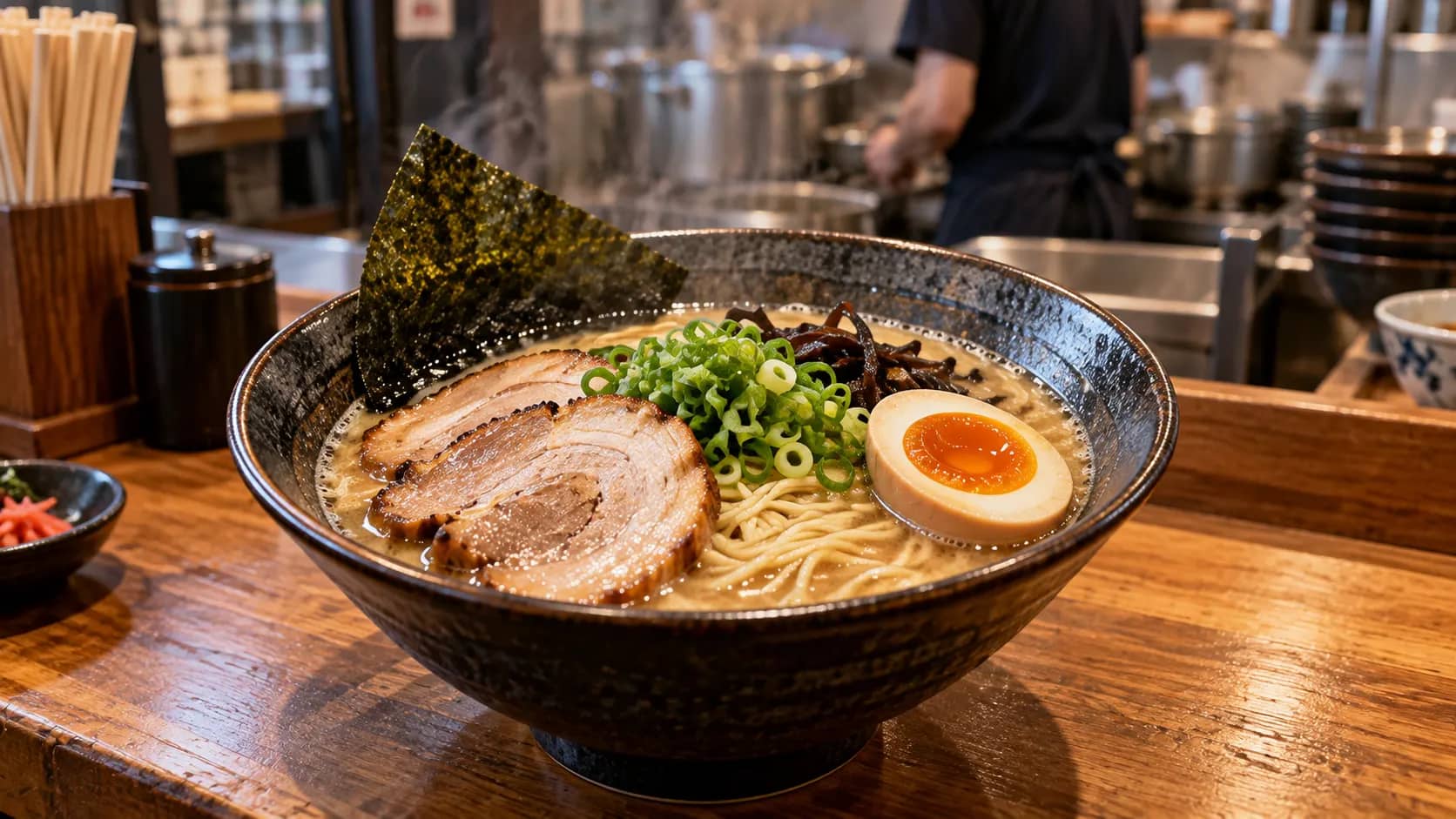
But its story did not begin as an ancient Japanese tradition.
Ramen noodles have Chinese roots. Japan adopted Chinese-style wheat noodles, changed the broths, seasonings and noodles around them, and then kept reinventing the dish from one region to another.
Is Ramen Actually Japanese?
The most accurate answer is that ramen has Chinese roots and a deeply Japanese modern identity.
Japan's national tourism organization says the precise route by which ramen entered Japan is still debated, but a Chinese restaurant in Tokyo's Asakusa district was serving an early form around 1910.
Chinese-style wheat noodles in meat or fish broth quickly found an audience. Japan already had long-established noodle traditions such as soba and udon, which may have made a bowl of noodles in broth feel familiar even as the ingredients and texture were different.
What Makes Ramen Noodles Different?
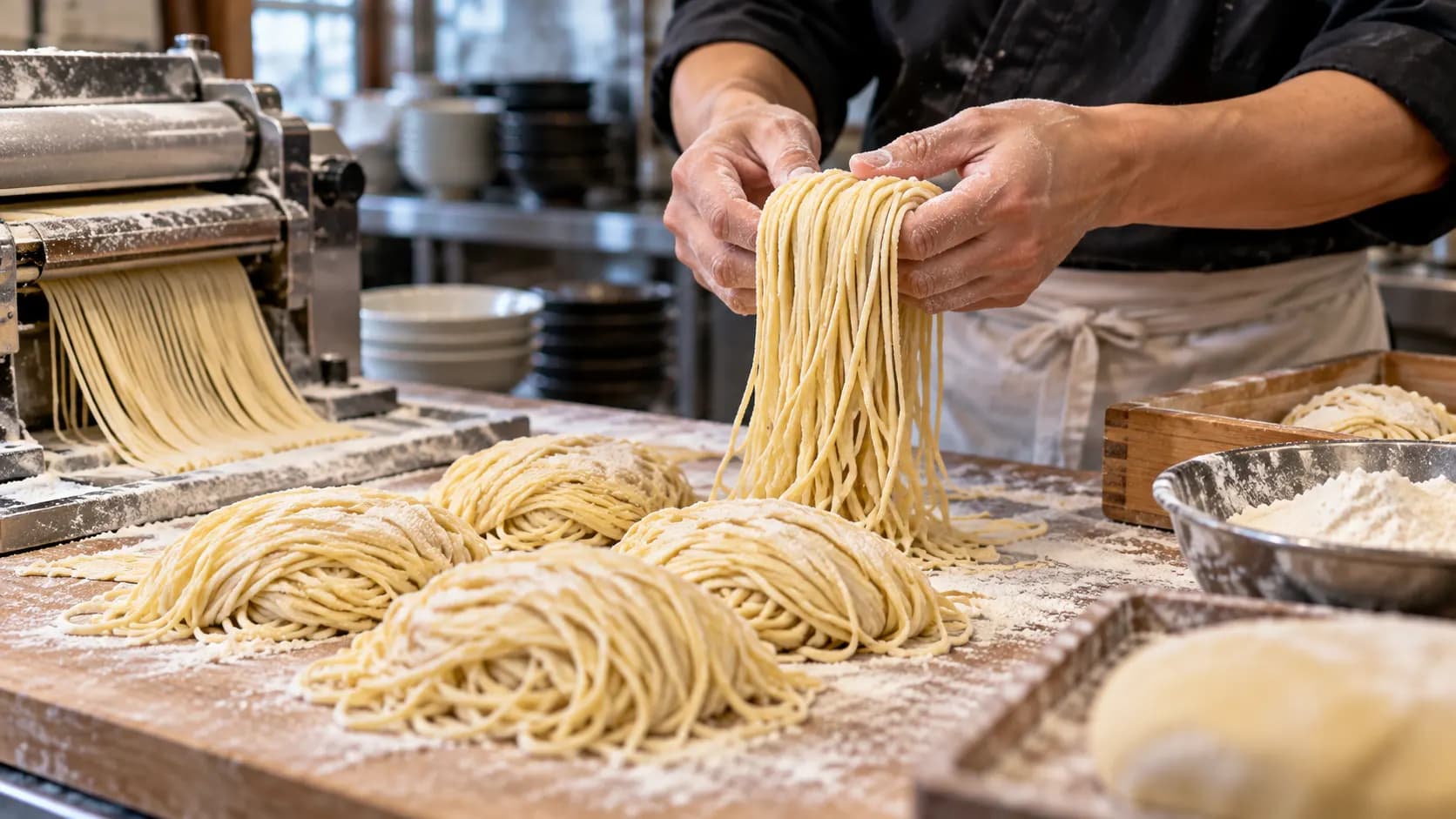
One important ingredient is kansui, an alkaline solution used in ramen noodle dough.
Kansui helps create the springy, resilient texture associated with ramen noodles. It can also contribute to their characteristic colour and the way they behave in hot broth.
That texture matters because the noodles are not just a neutral carrier for soup. Shops can change thickness, shape, firmness and hydration to suit a particular broth.
Ramen Expanded Rapidly After the War
Ramen's growth accelerated during Japan's difficult postwar years.
JNTO notes that Japan suffered a severe rice shortage after the Second World War and received flour as food aid. Wheat became more available, and by around 1950 restrictions that had affected the flour trade were removed.
Ramen shops then multiplied, and local cooks kept adapting the basic idea. That period helped turn ramen from an imported noodle tradition into something woven through everyday Japanese eating.
Why Does Ramen Change So Much From City to City?
Because ramen never settled into one national recipe.
Local climate, available ingredients and individual shop traditions all shaped different bowls. Some regions became so closely associated with a particular style that eating the local ramen became part of visiting the city.
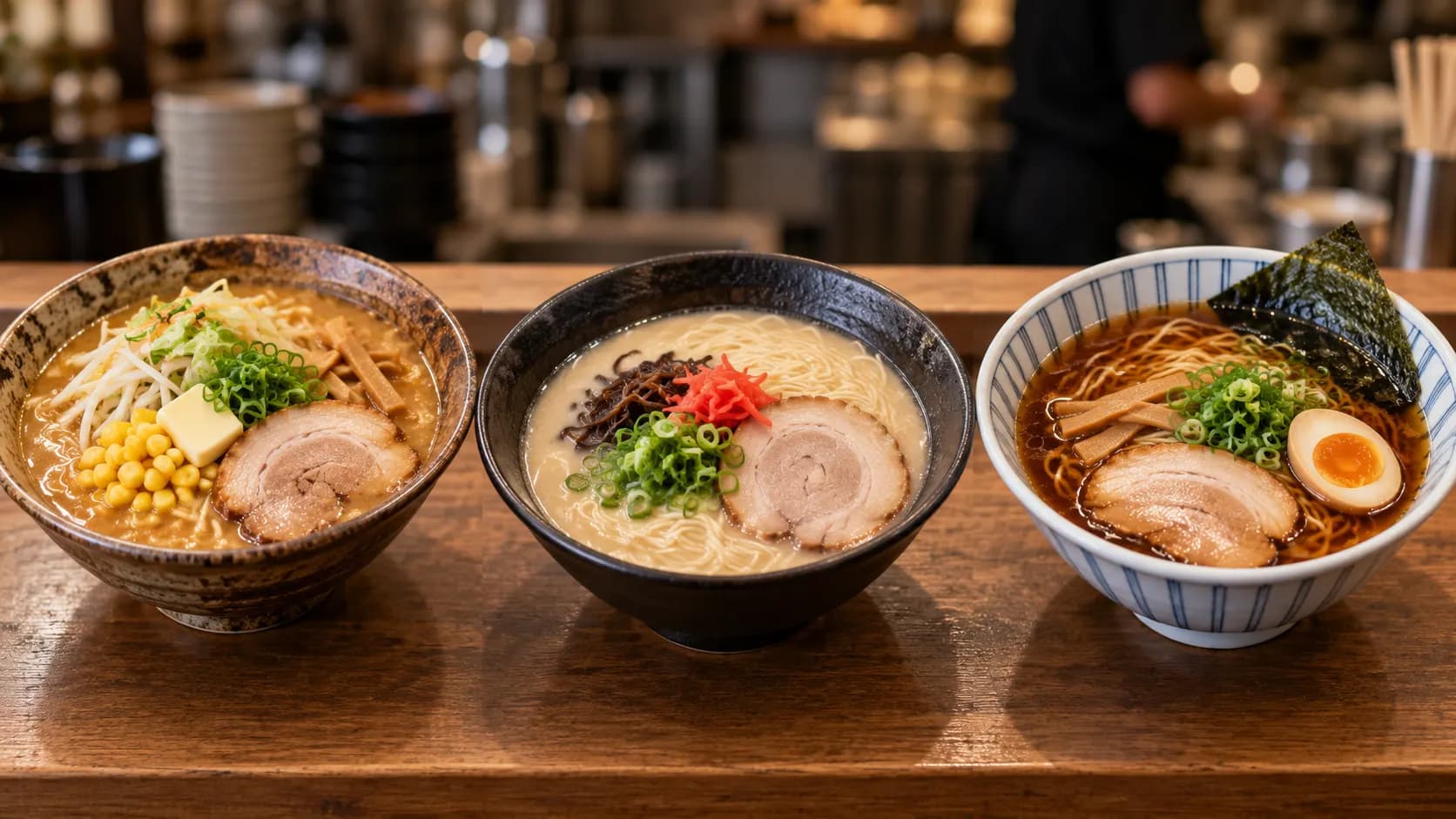
Sapporo Miso Ramen
Sapporo in Hokkaido is famous for miso ramen, often served with richer broths and substantial toppings suited to the island's cold winters. Butter, corn and local seafood are among the additions visitors may encounter.
Hakata Tonkotsu Ramen
Hakata in Fukuoka is associated with thin straight noodles and a cloudy pork-bone broth. Many shops also offer kaedama, an extra serving of noodles added to the broth after the first portion is finished.
Tokyo Shoyu Ramen
A classic Tokyo direction uses shoyu, or soy sauce, with broths that may include chicken, pork, fish or dashi. Even within Tokyo, however, there is no single bowl that represents every ramen shop.

Keep reading
Why Is Greenland Called Greenland When It’s Mostly Ice?
What Do Shoyu, Shio, Miso and Tonkotsu Mean?
These terms are often listed together, but they do not all describe exactly the same thing.
Shoyu means soy sauce and usually refers to the main seasoning direction.
Shio means salt and describes a salt-seasoned ramen style.
Miso uses fermented soybean paste as a major seasoning.
Tonkotsu refers to a broth made by simmering pork bones, often until the soup becomes rich and cloudy.
That means a cook can combine broth and seasoning ideas. A pork-bone broth, for example, can still be seasoned with miso or soy sauce.
Why Do People Slurp Ramen in Japan?
Because slurping noodles is normal ramen-shop behaviour and is not considered rude.
JNTO notes that many diners slurp their noodles, and visitors are not expected to avoid the sound in the way they might in another dining culture.
Another unfamiliar detail for some travellers is ordering. Many ramen shops use ticket vending machines: choose the bowl and extras, take the printed ticket and hand it to the staff.
Then Instant Ramen Changed Everything
Ramen's next transformation happened in 1958.
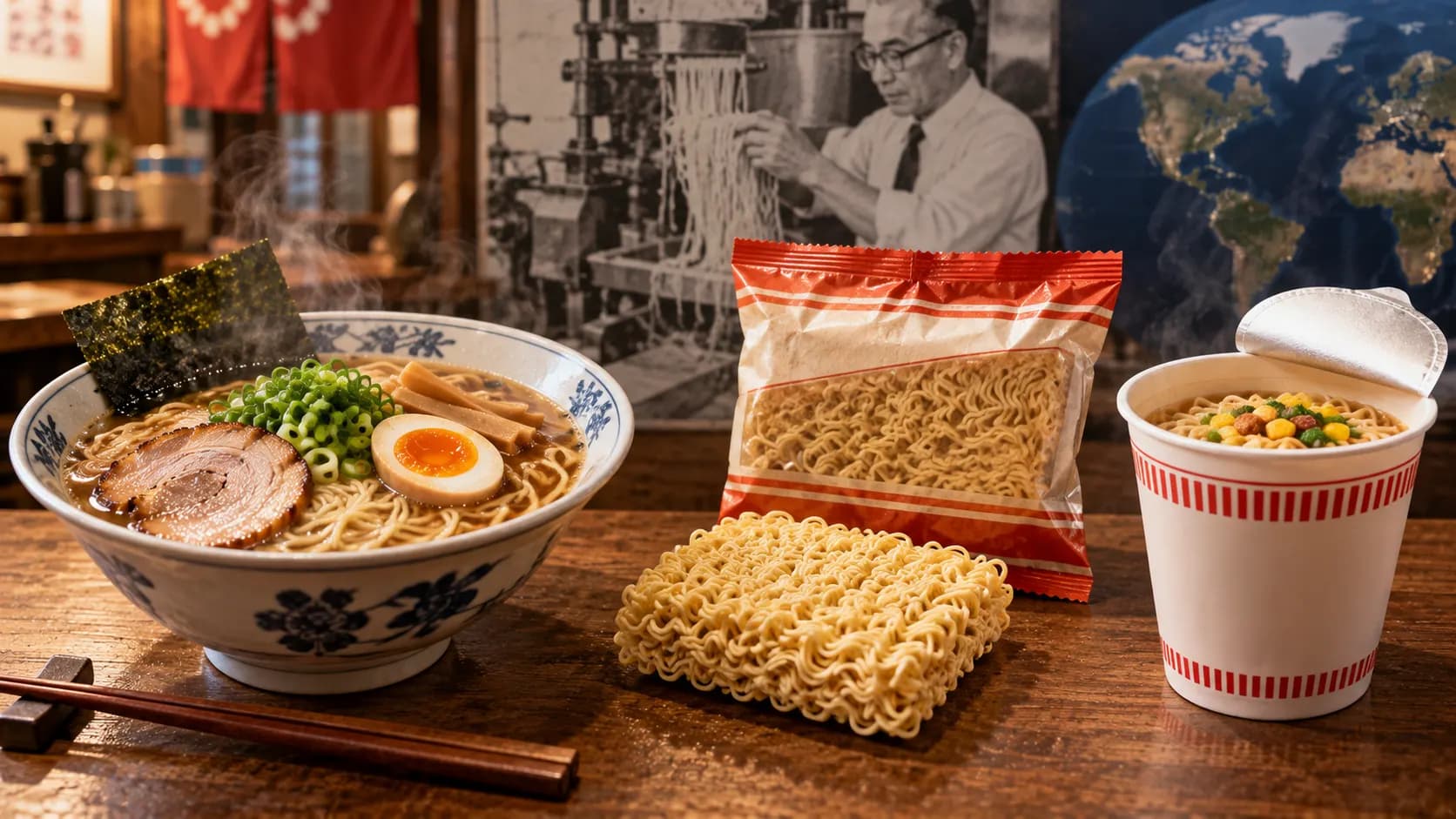
Momofuku Ando developed Chicken Ramen in Ikeda, Osaka, creating what the CUPNOODLES Museum describes as the world's first instant noodles.
Instead of needing a ramen shop, people could prepare noodles quickly at home. In 1971, Ando followed that idea with CUPNOODLES, helping turn Japanese instant noodles into a global food category.
Instant ramen and restaurant ramen share a family history, but they are not the same experience. Restaurant bowls can involve freshly made noodles, broths cooked for hours and carefully balanced seasoning. Instant ramen prioritizes shelf life, speed and convenience.
Is There One Authentic Japanese Ramen?
No single bowl can represent the entire category.
Ramen became Japanese partly through continuous adaptation. Shops changed stocks, seasonings, toppings and noodles. Cities developed specialties. New styles appeared alongside older ones.
That makes authenticity less about finding one correct recipe and more about understanding the tradition a particular bowl belongs to.
Ramen Became Japanese by Changing
Asking whether ramen is Chinese or Japanese sounds as though only one answer can be correct.
Its history is more interesting than that.
The noodle tradition came from China. Japanese cooks adapted it, regional communities reinvented it, postwar ramen shops spread it, and instant noodles carried another version around the world.
Ramen did not become one of Japan's most recognizable foods by staying unchanged. It became one by changing again and again.
Reference notes
Sources and further reading
Our editorial promise
Prepared with clarity and care.
This guide completed our editorial review before publishing. If something needs attention, report a correction or contact the publisher.
About this article
- Published:
- Last updated:
- Author:
- Ceyora Editorial Team
- Review status:
- Editorially reviewed
- Sources:
- 5
- Corrections:
- Report an issue