
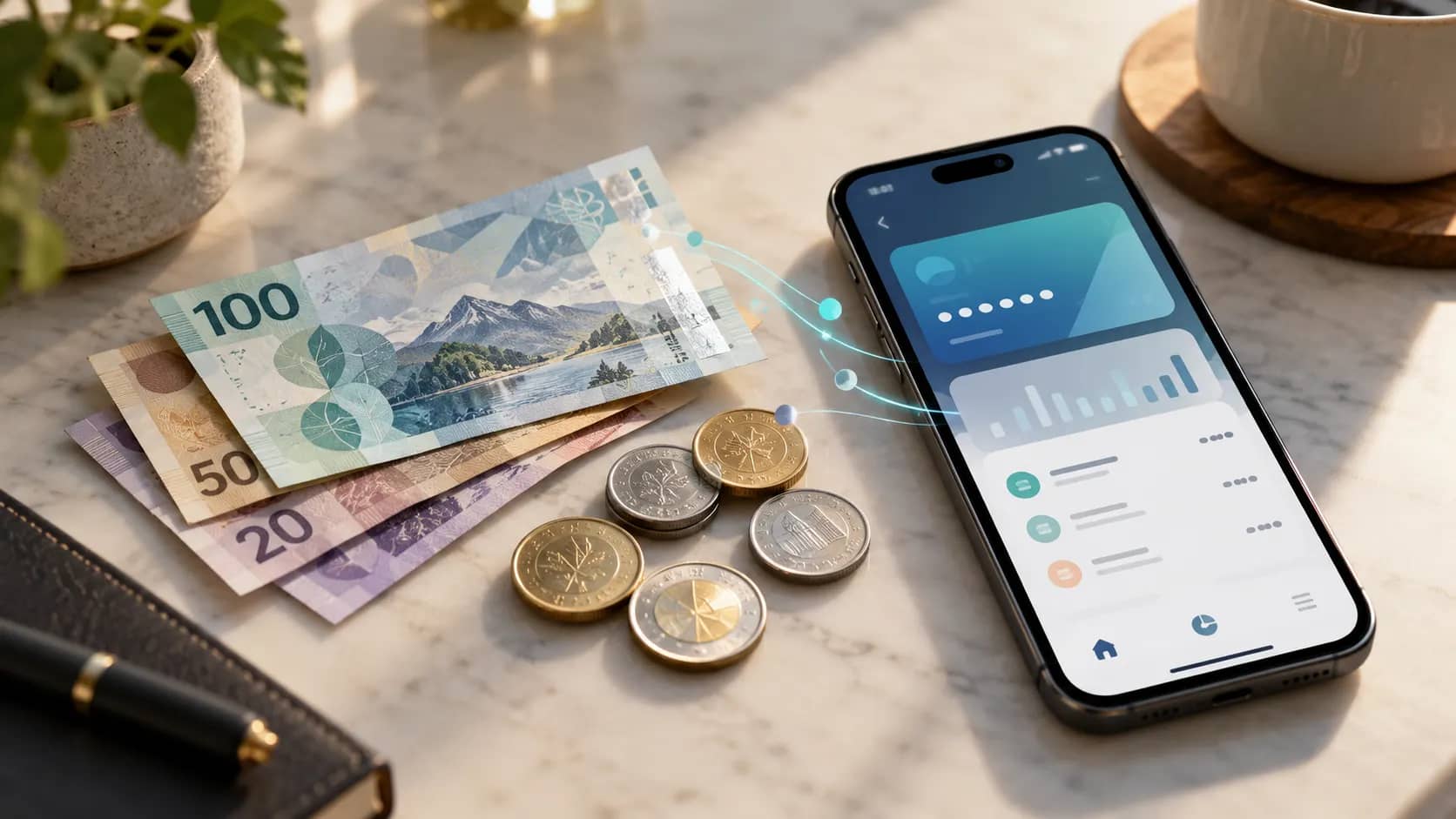
A $100 note is a strange object when you think about it. The material itself is worth nowhere near $100. The number in your banking app is even stranger because it may have no physical form at all. Yet both can pay for food, rent, travel or a phone.
The short answer is that money has value because people expect other people to accept it, while governments, banks, laws, payment systems and central banks help keep that expectation working. Modern money does not need to be made from something valuable or be redeemable for gold. It needs to function reliably as money.
Imagine Trying to Buy Dinner Without Money
Suppose you repair computers and want dinner from a restaurant. Without money, you would need to find a restaurant owner who wants computer repair at the same moment you want food. If the owner does not need your skill, the trade fails even though both sides have something valuable.
Money solves that matching problem. You can sell your work to one person, receive something widely accepted in return, and spend it with someone completely different. That is one reason money makes large, specialised economies possible.
What Makes Something Money in the First Place?
Economists usually describe money through three core functions: it works as a medium of exchange, a unit of account and a store of value.
Medium of Exchange
Money can be passed from buyer to seller instead of forcing people to barter directly. The important part is that both sides expect it to be accepted elsewhere.
Unit of Account
Money gives us a common way to compare prices. A coffee might cost 5, a phone 1,000 and a car 30,000 in the relevant currency. Without a common unit, comparing very different goods becomes much harder.
Store of Value
Money lets you receive purchasing power today and use it later. It is not a perfect store of value because inflation can reduce what it buys, but it is far more practical than trying to save wages as meals, livestock or other goods.
Humans Have Used Some Strange Things as Money
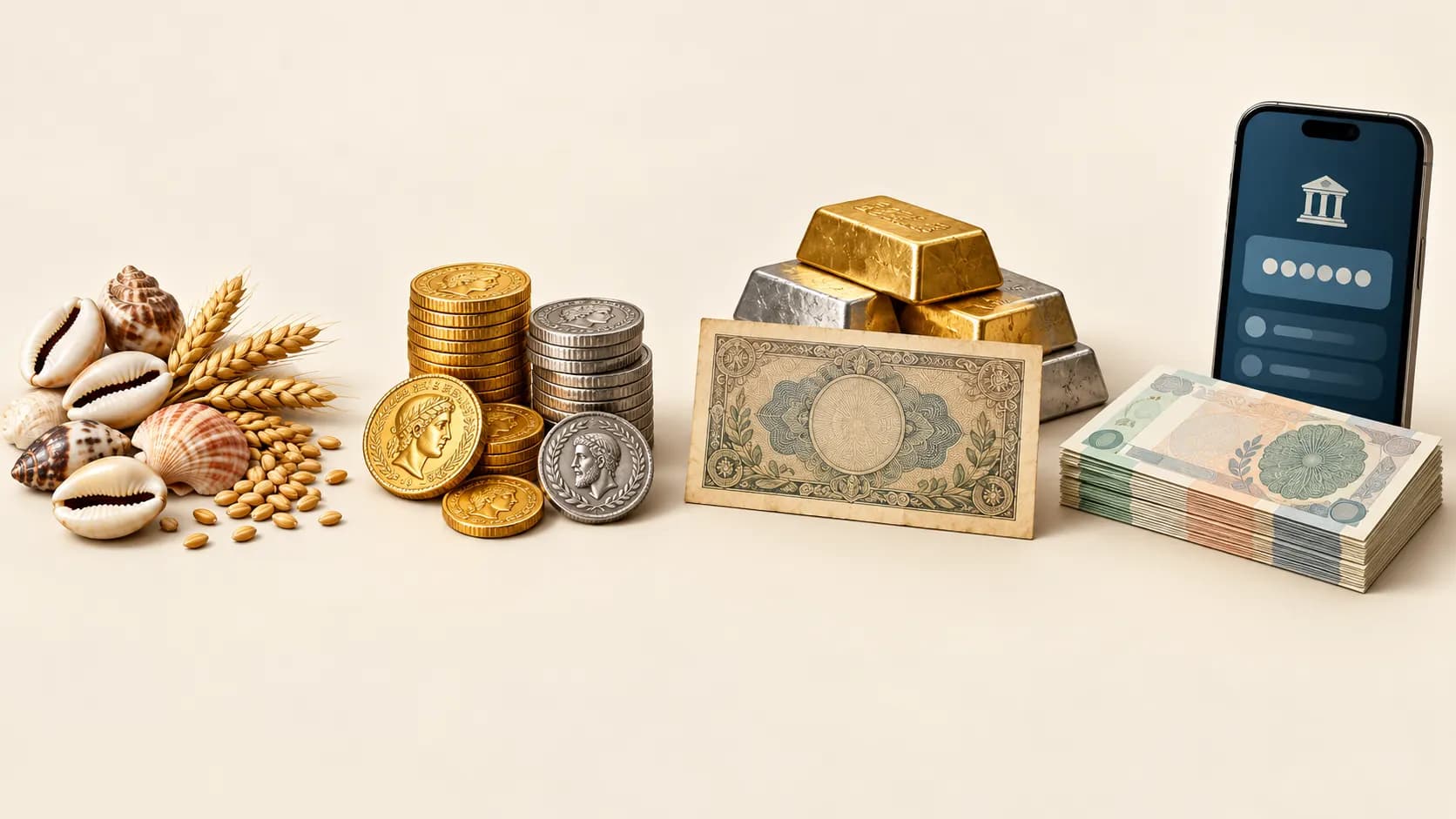
Money has taken many forms. Societies have used commodities such as shells, grain and precious metals. What mattered was not that one particular substance was destined to become money, but that people could recognise it, exchange it and have some confidence in its usefulness.
Gold and silver became especially useful in many places because they were durable, portable, divisible and relatively difficult to produce quickly. Those qualities helped them hold value and circulate.
Why Did We Stop Needing Gold?
Some paper currencies once represented claims on gold or silver. Modern economies largely use fiat money instead. Fiat money is not tied to a fixed quantity of a commodity, and a modern banknote generally cannot be taken to a central bank and exchanged for a set amount of gold.
That does not mean modern money is backed by nothing. Its usefulness depends on a broader structure: people accepting it, governments using it for taxes and obligations, banks and payment systems moving it, laws enforcing contracts, and monetary institutions trying to preserve stability.
If the Paper Is Almost Worthless, Where Does the Value Come From?
The heart of the answer is shared acceptance. You accept money partly because you expect shops, employers, banks and other people to accept it from you later. The more widely that expectation is shared, the more useful the currency becomes.
Government also matters. Taxes and many legal obligations are denominated in national currency. Central banks support monetary and payment systems, while commercial banks, card networks and other institutions make everyday transactions possible. Economic activity matters because money ultimately gives people claims on real goods and services.
Scarcity matters as well. If money and spending grew persistently much faster than the economy's ability to produce goods and services, purchasing power could fall. Stable money therefore depends partly on confidence that its supply and the wider economy will be managed credibly.
Is the Money in Your Bank Account Actually Real Money?

Keep reading
Who Actually Pays Your Pension After You Retire?
Yes. Most money used in modern economies is not cash. It exists as bank deposits recorded electronically.
A salary entering your account may be a computer entry, but you can spend it, transfer it, save it or use it to settle a debt. Those functions make it money in everyday economic life. The European Central Bank describes this as commercial-bank money and notes that it makes up most of the money people actually use.
Can Banks Really Create Money?
Yes, but not in the sense of creating free wealth. When a commercial bank makes a loan, it can create a new matching deposit in the borrower's account.
What Happens When a Bank Makes a Loan?
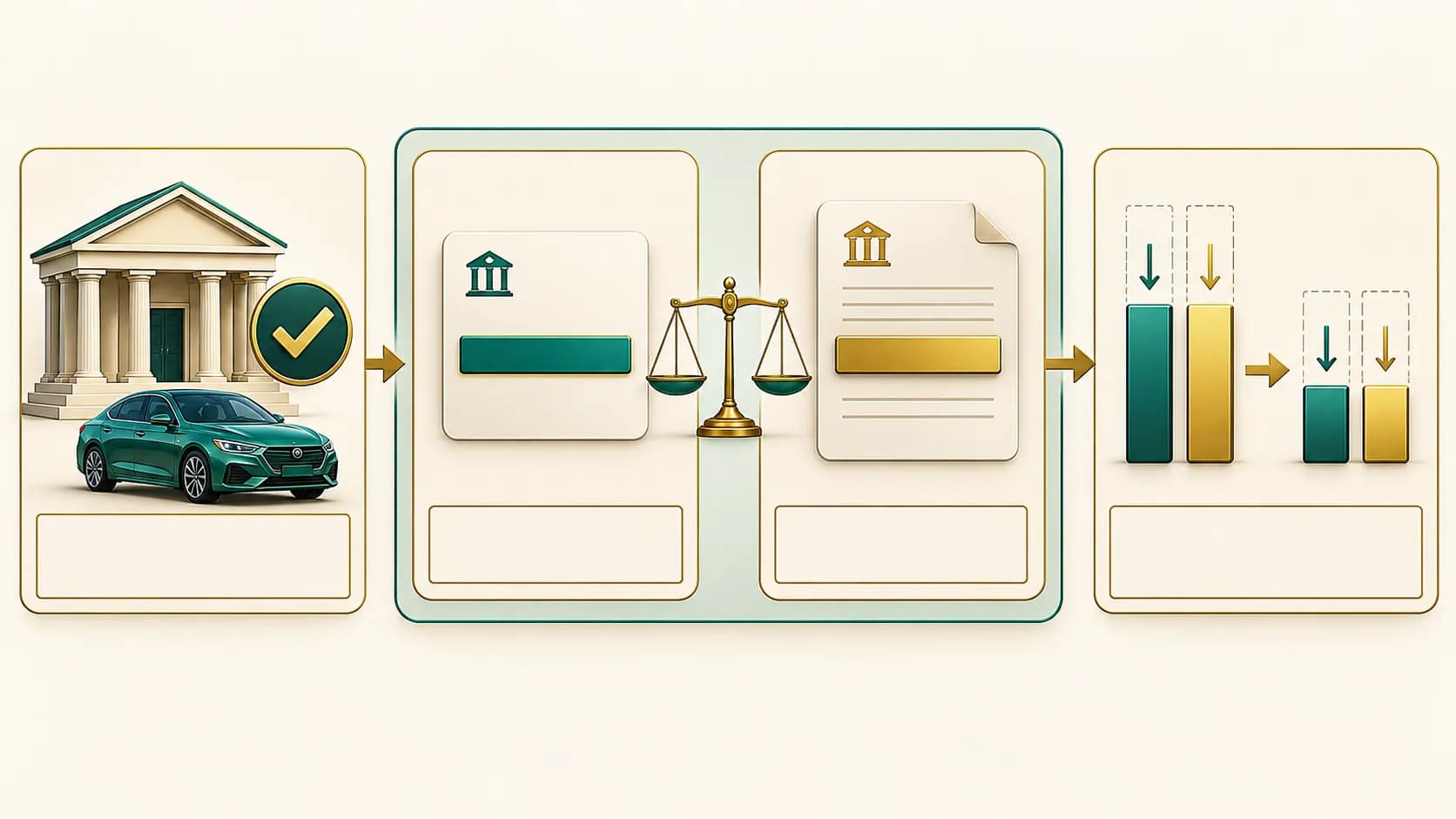
Imagine a bank approves a $20,000 car loan. It does not normally move $20,000 in banknotes from a vault into your hands. The bank records a new loan as an asset and credits a deposit that can be spent. New deposit money has been created inside the banking system.
When that loan principal is repaid, the corresponding deposit money can be extinguished. This is why the simple idea that banks only lend out money previously deposited by savers is incomplete.
Does That Mean Banks Can Create Unlimited Money?
No. Banks are constrained by capital and liquidity requirements, regulation, funding conditions, profitability, credit risk, interest rates and the willingness and ability of customers to borrow and repay. Central-bank policy also influences the environment in which lending occurs.
Why Can't Governments Just Create Enough Money to Make Everyone Rich?
Because creating money is not the same as creating real wealth. Real wealth includes things people can actually use: food, homes, energy, machines, healthcare, transport, skills and productive capacity.
Imagine an island produces 100 loaves of bread and people collectively have $1,000 available to spend. If everyone's money suddenly doubled while bread production stayed at 100 loaves, the island would not have twice as much food. More spending power would be competing for the same output.
Real economies are more complicated. Inflation can also come from supply disruptions, energy costs, strong demand and other forces. But sustained monetary expansion that outruns an economy's productive capacity can contribute to rising prices and falling purchasing power.
Why Does Inflation Make Your Money Feel Smaller?
The number printed on a $100 note does not change, but what it buys can. That is the difference between nominal value and real purchasing power.
If prices rise substantially, the note is still nominally worth $100, yet fewer goods and services may be available for that amount. A currency can therefore keep the same printed denomination while losing some real value.
What Happens When People Stop Trusting Money?
If people expect a currency to lose purchasing power rapidly, they may try to spend it quickly, exchange it for a more stable foreign currency or move savings into other assets. That behaviour can further weaken demand to hold the currency.
In severe inflationary episodes, a foreign currency may begin performing some of the domestic currency's normal jobs. That shows why confidence is not a decorative extra. It is part of what makes money workable.
Does Digital Money Change Any of This?
Not fundamentally. Whether money appears as a banknote, a commercial-bank balance or another regulated digital form, the underlying questions remain similar: can people use it reliably, will others accept it, and do they expect it to retain enough purchasing power to remain useful?
So What Is Money Really Backed By?
For modern fiat money, the best answer is neither 'gold' nor simply 'nothing'. Its usefulness rests on a combination of widespread acceptance, functioning institutions, law, taxation, monetary policy, the banking and payment system, and the productive economy behind everyday transactions.
Return to the $100 note. The paper itself may be almost worthless. What matters is that millions of people understand what the number means and expect that the same monetary system will let them exchange it for something useful tomorrow.
Reference notes
Sources and further reading
- Imf (opens in a new tab)https://www.imf.org/en/publications/fandd/issues/series/back-to-basics/money
- Ecb Europa Eu (opens in a new tab)https://www.ecb.europa.eu/ecb-and-you/explainers/tell-me-more/html/what_is_money.en.html
- Bankofengland (opens in a new tab)https://www.bankofengland.co.uk/quarterly-bulletin/2014/q1/money-in-the-modern-economy-an-introduction
Our editorial promise
Prepared with clarity and care.
This guide completed our editorial review before publishing. If something needs attention, report a correction or contact the publisher.
About this article
- Published:
- Last updated:
- Author:
- Ceyora Insights
- Review status:
- Editorially reviewed
- Sources:
- 5
- Corrections:
- Report an issue