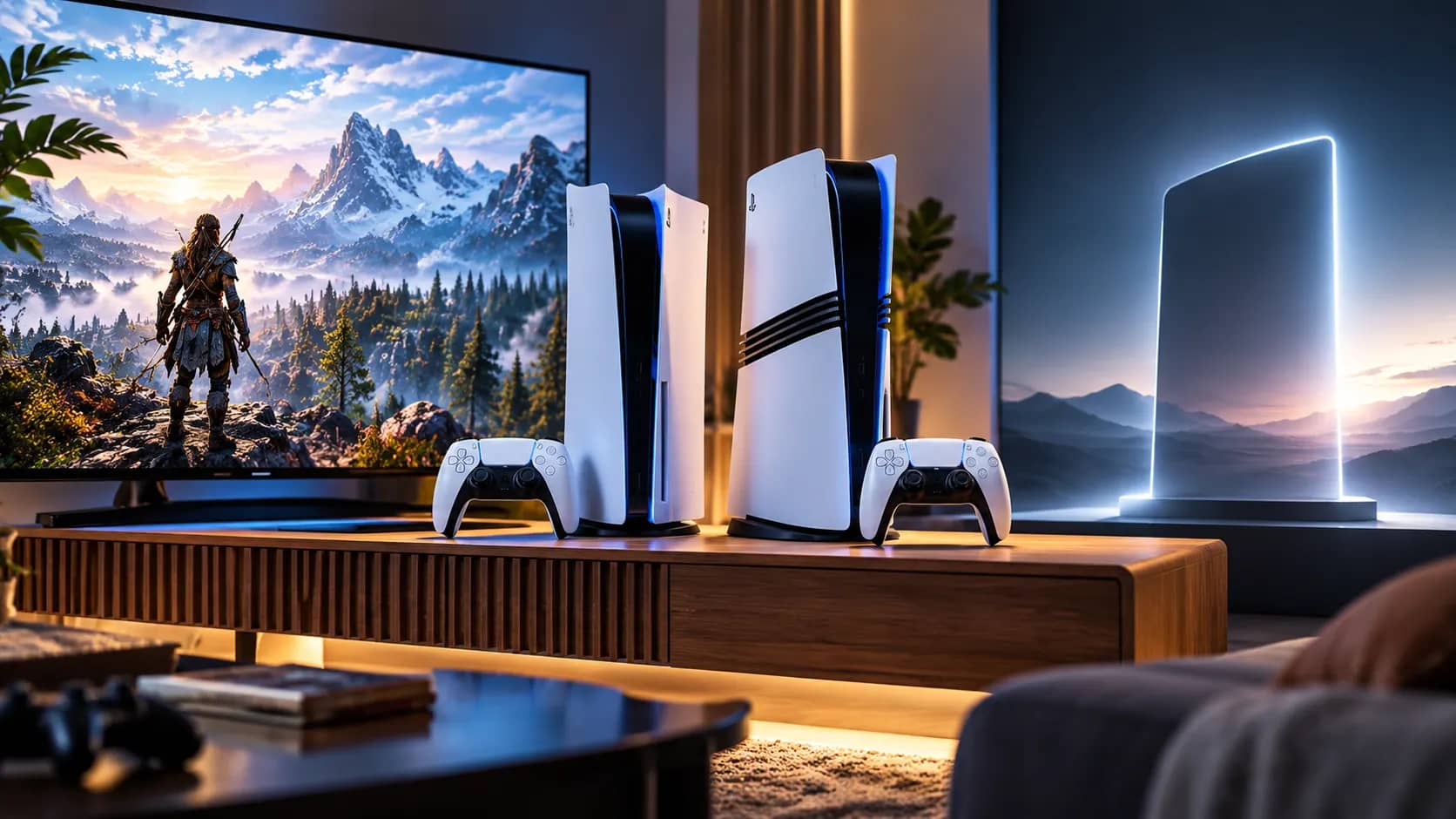
Buying a PlayStation in late 2026 comes with an awkward question: is the PS5 still a sensible purchase, or are you buying near the end of the generation?
The answer depends less on guessing a PS6 launch date and more on what you already own, how soon you want to play, and how much you care about premium graphics. Sony says PS5 is in its sixth year, with more than 93 million consoles installed as of March 2026, while the company is also investing in the next generation of the PlayStation platform.
Is the PS5 Becoming Too Old to Buy?
Six years sounds old for a console, but age alone does not tell you whether the hardware is a bad purchase. Sony continues to sell multiple PS5 models, developers are still releasing major PS5 games, and PS5 Pro received a significant PSSR image-reconstruction upgrade in 2026.
The more useful question is how long you expect to use the console. Someone moving from PS4 to PS5 gains access to a much newer library and hardware platform immediately. Someone who already owns a PS5 gets far less from replacing it unless the visual improvements of PS5 Pro matter to them.
PS5 vs PS5 Digital Edition vs PS5 Pro
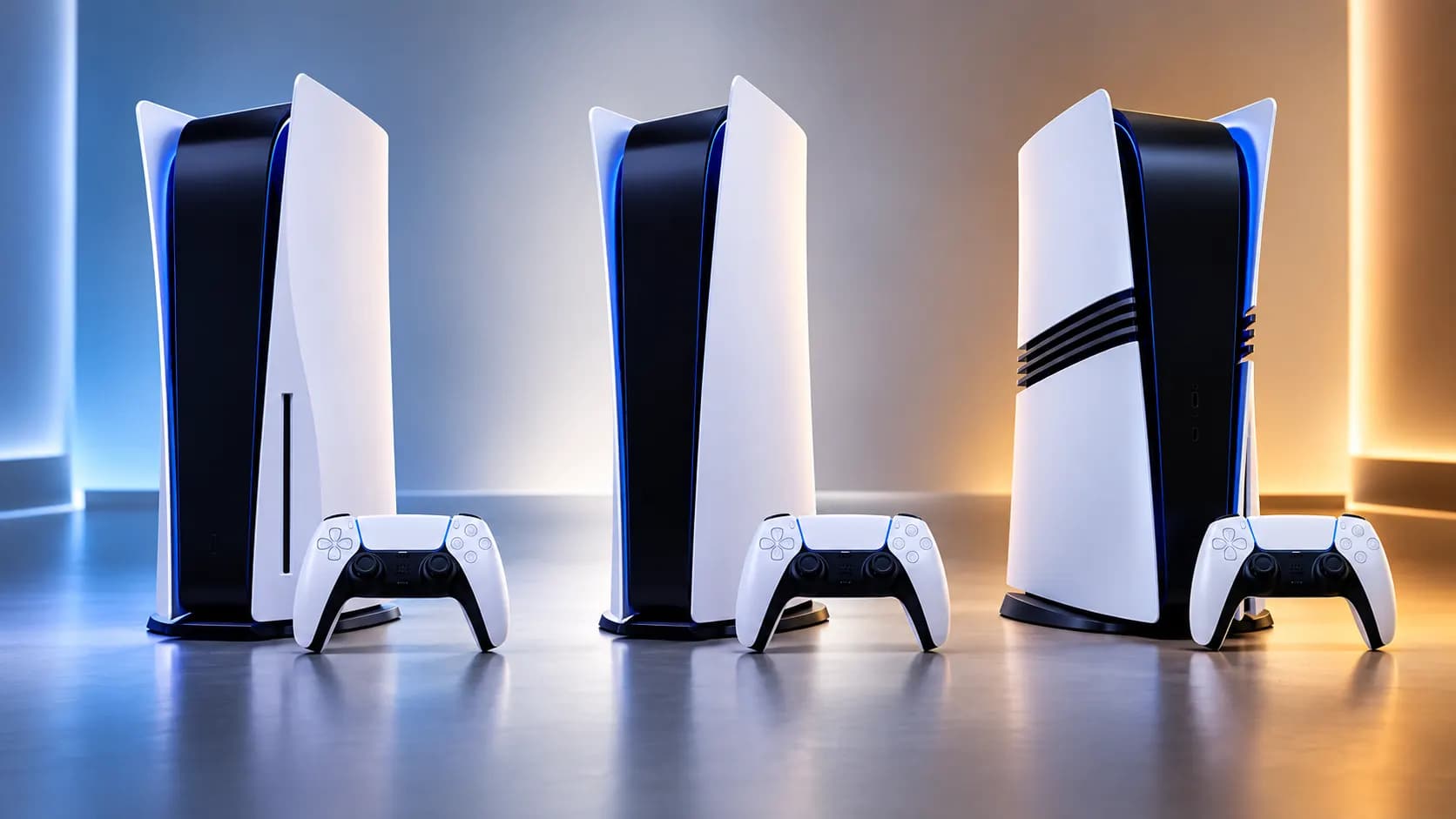
Sony currently offers three main choices. The standard PS5 has a 1TB SSD and a disc drive. The PS5 Digital Edition has 825GB of storage and no built-in disc drive, although compatible slim models can use Sony's separately sold removable drive. PS5 Pro has 2TB of storage and is sold without a disc drive, but it also supports the optional drive.
The standard PS5 and Digital Edition are the sensible value choices if you mainly want access to the PS5 library. The disc model is especially useful if you buy used games, borrow discs, collect physical releases or use Blu-ray movies.
PS5 Pro is different. It is still a PS5, but it adds stronger graphics performance, more advanced ray tracing and PlayStation Spectral Super Resolution, or PSSR, to improve image quality in supported games. It makes the most sense when you have a good 4K display and care enough about visual quality or frame-rate trade-offs to pay more for them.
Why PS5 Pro Sits in an Unusual Middle Ground
PS5 Pro complicates the decision because it is a premium version of an established generation rather than a new generation of its own.
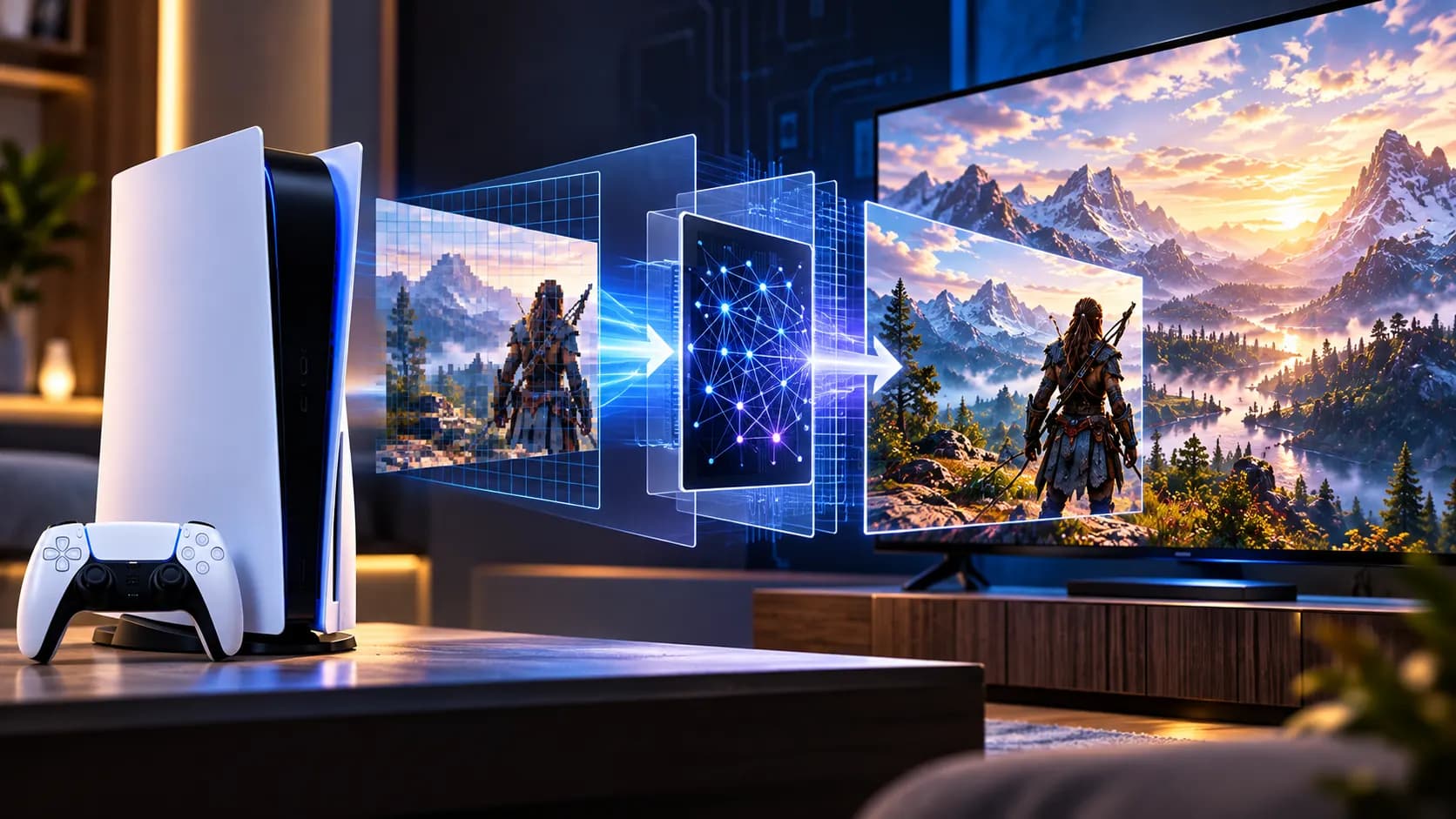
Sony upgraded PSSR in 2026 using technology developed through its Project Amethyst collaboration with AMD. The newer system improves image reconstruction and has been rolling out across supported PS5 Pro games. That makes PS5 Pro more capable than it was at launch, but it does not turn it into a PS6.
A useful way to think about PS5 Pro is this: you are paying for a better version of today's PS5 experience. You are not buying early access to Sony's next console generation.
Has Sony Actually Confirmed the PS6?
Sony has confirmed that it is investing in the next generation of the PlayStation platform. It has not, however, formally announced a retail console with a final PS6 name, release date, price, complete specifications, or launch lineup.
That distinction matters because online discussion often turns expected features into supposed facts. In May 2026, Sony said no decisions had been announced regarding the timing or pricing of next-generation platforms.
What Sony Has Actually Confirmed
Sony's June 2026 Game and Network Services briefing said the company is investing in the next generation of the platform and related content. It also said the company is considering how player habits and needs may change.
What Comes From Reporting Rather Than Sony
Reuters reported in 2024 that AMD won the chip-design contract for Sony's upcoming PlayStation generation after competing with Intel. According to that report, backwards compatibility was one factor in the decision. That is credible reporting, but it is not the same as Sony publishing the final architecture or compatibility policy.
What Project Amethyst Tells Us About PlayStation's Future
Project Amethyst is one of the more concrete clues about Sony's technology direction because Sony and AMD openly describe it as a collaboration around machine-learning graphics technology.
The upgraded PSSR used on PS5 Pro already incorporates technology from that collaboration. It is reasonable to see PS5 Pro as a place where Sony is testing and deploying techniques that may influence future PlayStation hardware.
That last point is interpretation, not confirmation that a future console will use the same architecture or feature set.

Keep reading
What Stands Where the Twin Towers Once Stood?
When Could the Next PlayStation Arrive?
There is no official date to give you. Sony has discussed the next generation but has not announced when it will launch.
That makes waiting a personal trade-off. If you already have a PS5 and are happy with it, waiting for clearer information costs you very little. If you are still on PS4 and there are several PS5 games you want to play, delaying for an unknown period may mean missing years of games you could be enjoying now.
Could PS6 Be Backwards Compatible?
Backwards compatibility would obviously make a future upgrade easier for today's PS5 owners, but Sony has not announced a complete next-generation compatibility policy.
Reuters' reporting that compatibility concerns influenced Sony's reported chip decision is encouraging, but it is not a guarantee that every PS5 game, disc or accessory will work on future hardware.
Will the Next PlayStation Be Digital Only?
Sony has made a major change that will affect this discussion. The company announced that physical disc production for newly released PlayStation games will end starting in January 2028. Games released on disc before that point are not affected by the announcement.
That does not prove the next PlayStation will have no disc drive. A future console could still support older discs, movies or an optional drive. Sony has not announced the final hardware configuration.
Should PS4 Owners Still Upgrade to PS5?
For many PS4 owners, this is the easiest decision. If you want to play current PS5 games now, a PS5 gives you an immediate upgrade without depending on an unannounced launch schedule.
A disc model can be particularly attractive if you already own compatible PS4 discs. Sony also supports Game Boost for some PS4 titles, which can improve frame-rate behaviour on PS5.
Waiting still makes sense if your PS4 library is enough for you and you are in no hurry. The key is not to wait merely because someone online claims a precise PS6 date that Sony has never announced.
Should Existing PS5 Owners Buy PS5 Pro?
This is a narrower upgrade. PS5 Pro can deliver better image quality, enhanced ray tracing and higher-quality performance modes in supported games, especially on a good 4K display.
But it still plays within the PS5 generation. If your standard PS5 already looks and performs well enough for you, keeping it and waiting for the next generation can be the more economical choice.
When Waiting for the Next Generation Makes Sense
You already own a PS5 that still meets your needs.
You are mainly considering PS5 Pro because you are worried about missing the next generation.
You do not have any current PS5 games you urgently want to play.
You prefer making a large hardware purchase only after Sony reveals next-generation pricing, features and compatibility.
When Buying a PS5 Now Makes More Sense
You are upgrading from PS4 or an older console.
There are PS5 games you want to play now rather than at an unknown future date.
You find a price or bundle that fits your budget.
You expect to keep the console for several years even after newer hardware eventually appears.
You have a physical PlayStation library and want a current console with disc support.
What We Still Don't Know About PS6
As of September 2026, Sony has confirmed work on the next generation but has not publicly confirmed its launch date, price, full specifications, final design, launch games, complete backwards-compatibility policy or whether the hardware will include or support a disc drive.
That uncertainty is exactly why a 2026 buying decision should be based on what you need now rather than on the most exciting rumour.
Reference notes
Sources and further reading
- Sony (opens in a new tab)https://www.sony.com/en/SonyInfo/IR/library/presen/business_segment_meeting/pdf/2026/GNS_QA_E.pdf
- Sony (opens in a new tab)https://www.sony.com/en/SonyInfo/IR/library/presen/er/pdf/25q4_qa.pdf
- Playstation (opens in a new tab)https://www.playstation.com/en-us/ps5/
Show all 8 sources
- Playstation (opens in a new tab)https://www.playstation.com/en-sa/ps5/buy-now/
- Playstation (opens in a new tab)https://www.playstation.com/en-us/ps5/ps5-pro/
- Blog Playstation (opens in a new tab)https://blog.playstation.com/2026/02/27/upgraded-pssr-upscaler-is-coming-to-ps5-pro/
- Blog Playstation (opens in a new tab)https://blog.playstation.com/2026/07/01/physical-disc-production-ending-in-january-2028-for-new-games-releasing-on-playstation-consoles/
- Reuters (opens in a new tab)https://www.reuters.com/technology/how-intel-lost-sony-playstation-business-2024-09-16/
Our editorial promise
Prepared with clarity and care.
This guide completed our editorial review before publishing. If something needs attention, report a correction or contact the publisher.
About this article
- Published:
- Last updated:
- Author:
- Ceyora Editorial Team
- Review status:
- Editorially reviewed
- Sources:
- 8
- Corrections:
- Report an issue