Seven Places That Show What People Can Create
The world has thousands of ancient buildings, lost cities, and historic monuments. Yet a few places make almost everyone ask the same question. How did people create something like this?
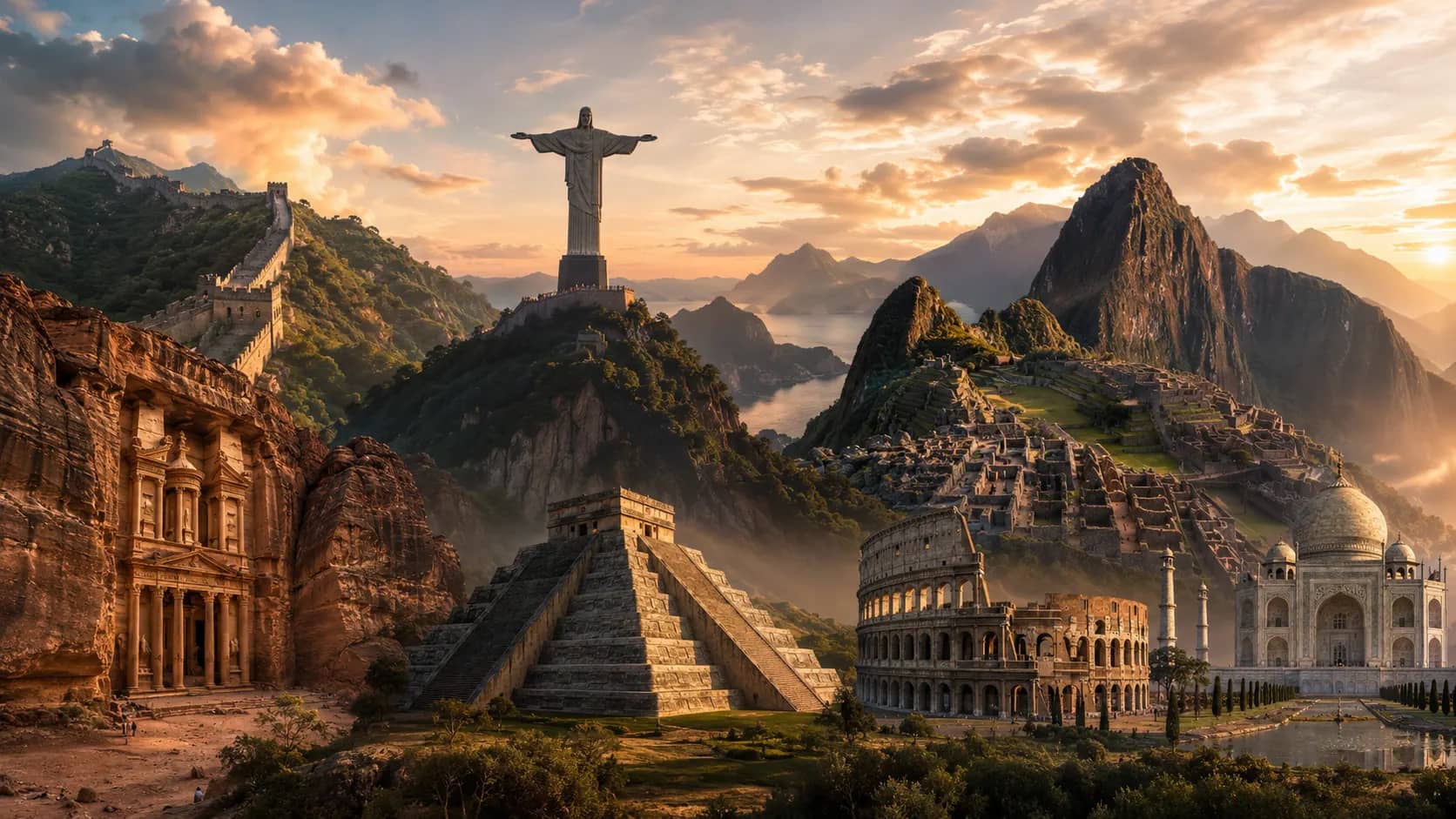
The New Seven Wonders of the World were chosen through a global public vote and announced in 2007. The list includes the Great Wall of China, Petra, Christ the Redeemer, Machu Picchu, Chichen Itza, the Colosseum, and the Taj Mahal. The wonders are considered equal, which means there is no official ranking from first to seventh.
Each place tells a different story. Some were connected with defense, while others were built around faith, leadership, ceremony, or love. What makes them special is not their size alone. It is the human effort hidden inside every wall, stone, and carved surface.
The Great Wall of China
The Great Wall is not one continuous wall built during a single period. Different sections were constructed and rebuilt over many centuries to protect the northern borders of China.
The complete defense system included walls, watchtowers, passes, tracks, forts, and shelters. UNESCO states that the wider structure extends for more than 20,000 kilometers. Imagine standing on a mountain ridge and watching the wall continue beyond peak after peak. Its scale is difficult to understand from photographs alone.
Petra in Jordan
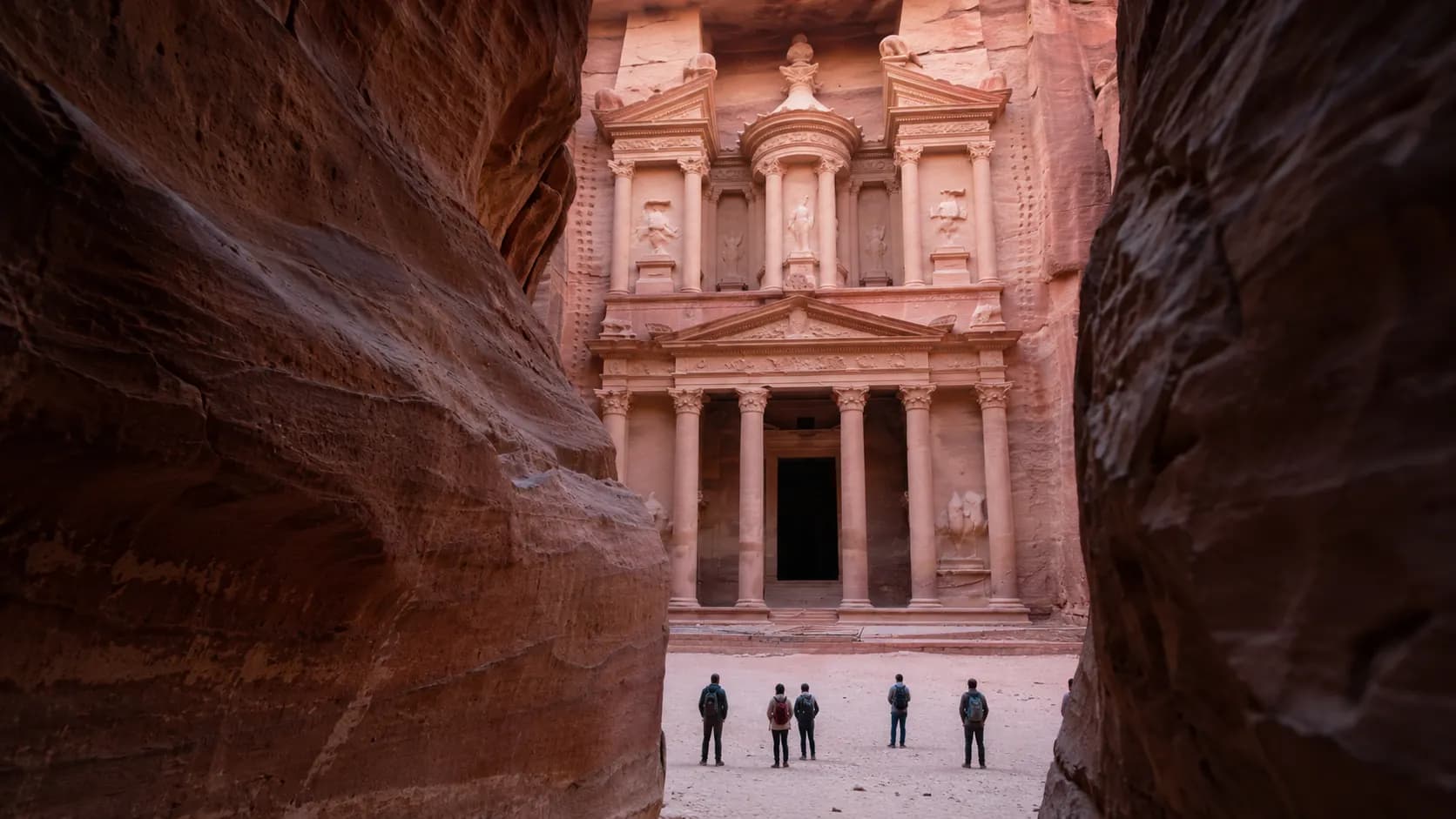
Petra is hidden among the red sandstone mountains of southern Jordan. Visitors enter through the Siq, a narrow and winding gorge, before reaching the famous Treasury carved into the rock.
The Treasury is only one part of the ancient city. The Nabataeans created temples, tombs, streets, channels, tunnels, dams, reservoirs, and cisterns. Their water system helped a large trading city survive in an extremely dry environment. Petra is beautiful, but its practical engineering may be even more impressive.
Christ the Redeemer in Brazil
Christ the Redeemer stands on Corcovado Mountain above Rio de Janeiro. Its open arms, mountain setting, and wide view across the city have made it one of the most recognized monuments in the world.
The statue is younger than most of the other wonders. Yet it has become closely connected with the identity of Rio. The surrounding beaches, green mountains, city buildings, and Guanabara Bay are part of the experience.
Machu Picchu in Peru
Keep reading
Most Beautiful Islands in the World You Need to See
Machu Picchu sits more than 2,400 meters above sea level in the Peruvian Andes. Built during the fifteenth century, the Inca site contains stone buildings, terraces, paths, farming areas, and carefully planned public spaces.
The city seems connected to the mountain rather than simply placed on it. Stonework follows the natural landscape, while terraces cover the steep slopes. Many questions about the exact purpose of Machu Picchu remain unanswered, adding another layer of mystery.
Chichen Itza in Mexico
Chichen Itza was one of the greatest Maya centers on Mexico’s Yucatan Peninsula. Its best known structure is El Castillo, the large stepped pyramid that dominates the archaeological site.
Yet the city contains much more than one pyramid. Visitors can see temples, columns, ceremonial spaces, and the circular observatory known as El Caracol. These structures reflect Maya and Toltec ideas about religion, society, architecture, and the universe.
The Colosseum in Italy
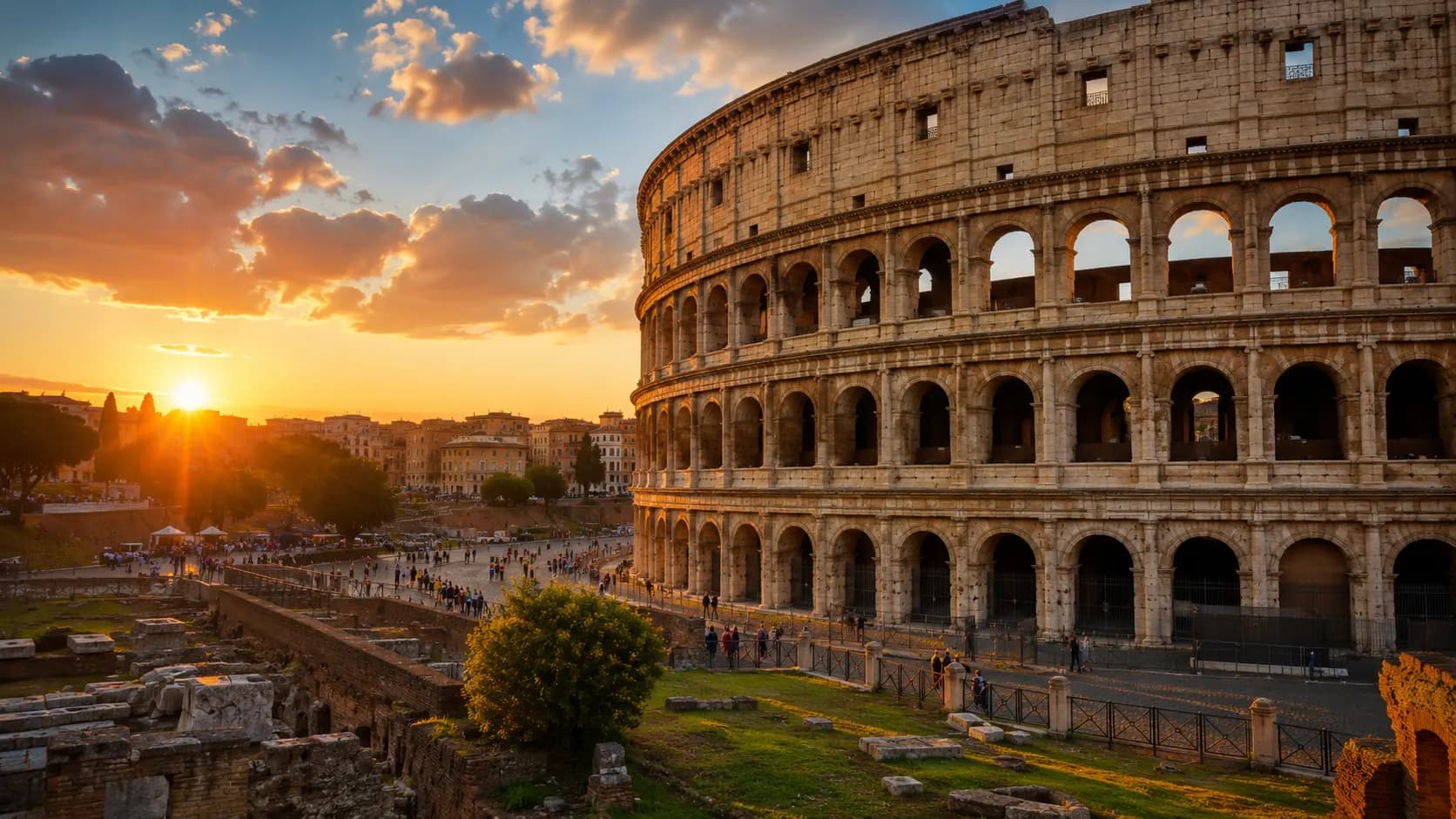
The Colosseum stands in the archaeological heart of Rome. Ancient crowds once filled this enormous amphitheater to watch public spectacles and contests.
Time, earthquakes, and the removal of building materials have damaged much of the original structure. Even in its ruined condition, the Colosseum reveals the scale and skill of Roman architecture. Looking into the exposed passageways beneath the arena can make events from nearly two thousand years ago feel unexpectedly close.
The Taj Mahal in India
The Taj Mahal was built in Agra by Mughal emperor Shah Jahan in memory of his wife Mumtaz Mahal. Construction of the main white marble mausoleum began in 1632, while other parts of the complex were completed later.
The gardens, gateways, reflecting pool, decorative details, and main building were carefully arranged as one balanced design. It is widely known as a monument to love, though its architecture and craftsmanship are equally remarkable. Changing sunlight can make the white marble appear slightly different throughout the day.
Reference notes
Sources and further reading
Our editorial promise
Prepared with clarity and care.
This guide completed our editorial review before publishing. If something needs attention, report a correction or contact the publisher.
About this article
- Published:
- Last updated:
- Author:
- Ceyora Editorial Team
- Review status:
- Editorially reviewed
- Sources:
- 2
- Corrections:
- Report an issue