High LDL cholesterol often brings one question to mind: what should I actually eat?
The answer is less dramatic than many social media posts make it sound. There is no single fruit, seed, drink or morning habit that suddenly clears cholesterol from your blood. Food can help, though. Quite a lot in some people.
The most useful approach is usually a combination of two things. Eat more foods that contain soluble fiber and healthier unsaturated fats, while replacing foods that are heavy in saturated fat.
That replacement part matters more than people sometimes realize.
What Is LDL Cholesterol Anyway?
LDL stands for low density lipoprotein. It carries cholesterol through the bloodstream, but when LDL levels become high, cholesterol can contribute to plaque building up inside arteries over time.
That is why LDL is commonly called the bad cholesterol.
Your cholesterol level is influenced by more than food. Genetics, body weight, physical activity, smoking, certain medical conditions and medications can all play a role. Still, diet is one area where you have some everyday control.
Oats Are One of the Easiest Places to Start
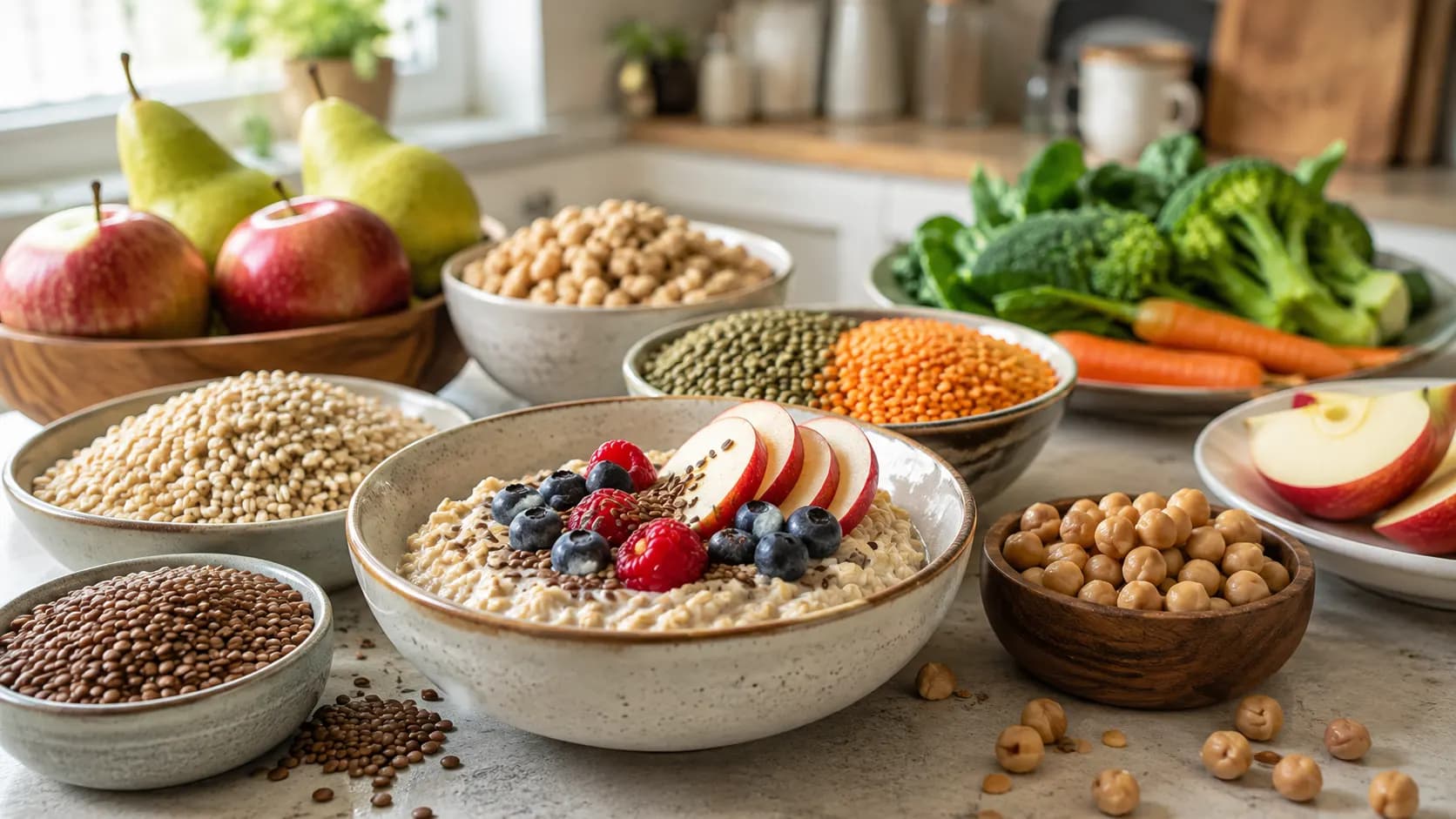
Oats are probably one of the least exciting answers on this list. They are also one of the most practical.
Oats contain soluble fiber, particularly beta glucan. Soluble fiber forms a gel like substance in the digestive system and can reduce the amount of cholesterol absorbed into the bloodstream.
According to Mayo Clinic, getting around 5 to 10 grams or more of soluble fiber each day can help reduce LDL cholesterol. Oatmeal or oat bran can contribute several grams toward that amount before you have even finished breakfast.
Add berries, an apple, pear or another fruit and the meal becomes even more useful.
Barley is worth remembering as well. It does not get the same attention as oats, but it can be an easy whole grain swap for refined rice or other low fiber carbohydrates.
Beans and Lentils Deserve More Attention
Beans, chickpeas, peas and lentils give you soluble fiber along with plant protein.
This is a nice combination because they can help in two directions at once.
You are adding more fiber while potentially replacing something such as fatty beef, processed meat or another source of saturated fat.
A lentil curry, chickpea salad or bean based meal does not need to be labelled a cholesterol meal. It is simply a normal meal that happens to work in your favor.
The National Heart, Lung, and Blood Institute specifically includes beans and legumes among foods encouraged in heart healthy eating patterns for lowering cholesterol.
Nuts Can Be Surprisingly Useful
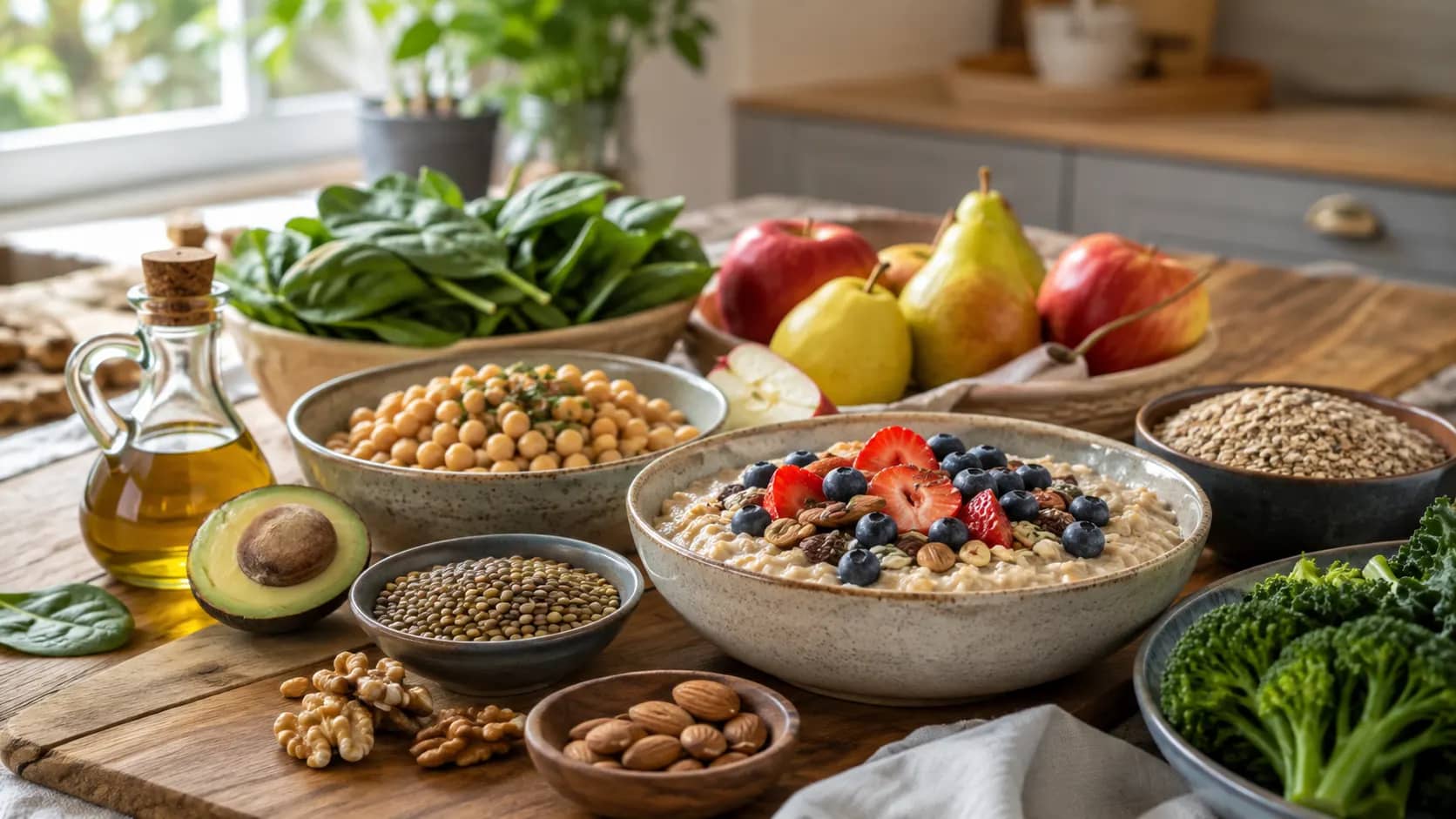
Almonds, walnuts, pistachios, pecans and other nuts contain unsaturated fats, fiber and plant based nutrients.
They are calorie dense, though, which is worth remembering. A handful works. Half a packet disappearing while watching television is a different situation.
The real benefit also depends on what the nuts replace.
Eating nuts in addition to pastries, butter heavy foods and processed snacks is not quite the same as choosing nuts instead of those foods.
That small difference in thinking makes healthy eating far more practical.
Olive Oil and Other Unsaturated Oils
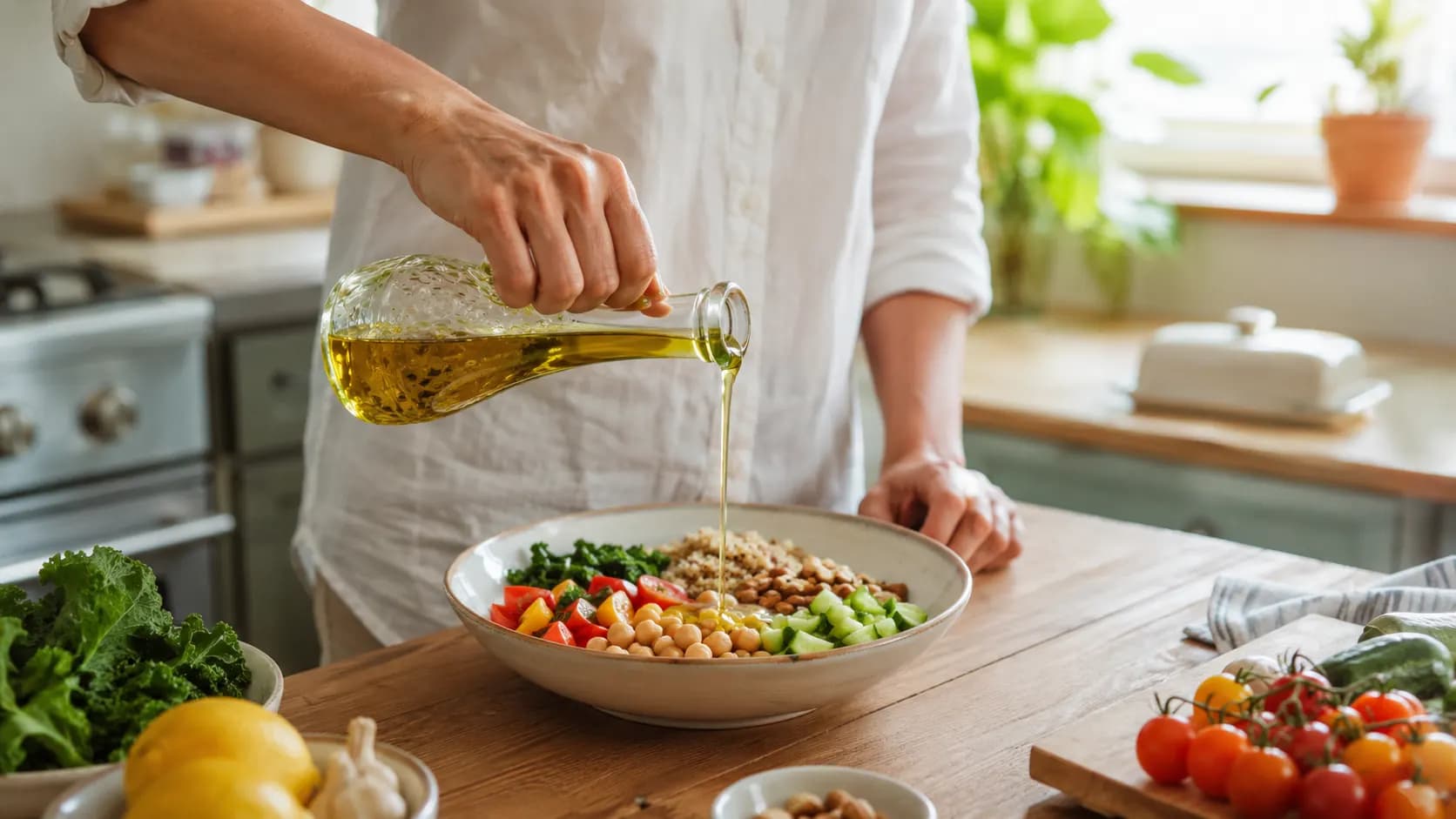
People sometimes become nervous about all dietary fat when they discover that their cholesterol is high.
Fat itself is not the entire problem.
Keep reading
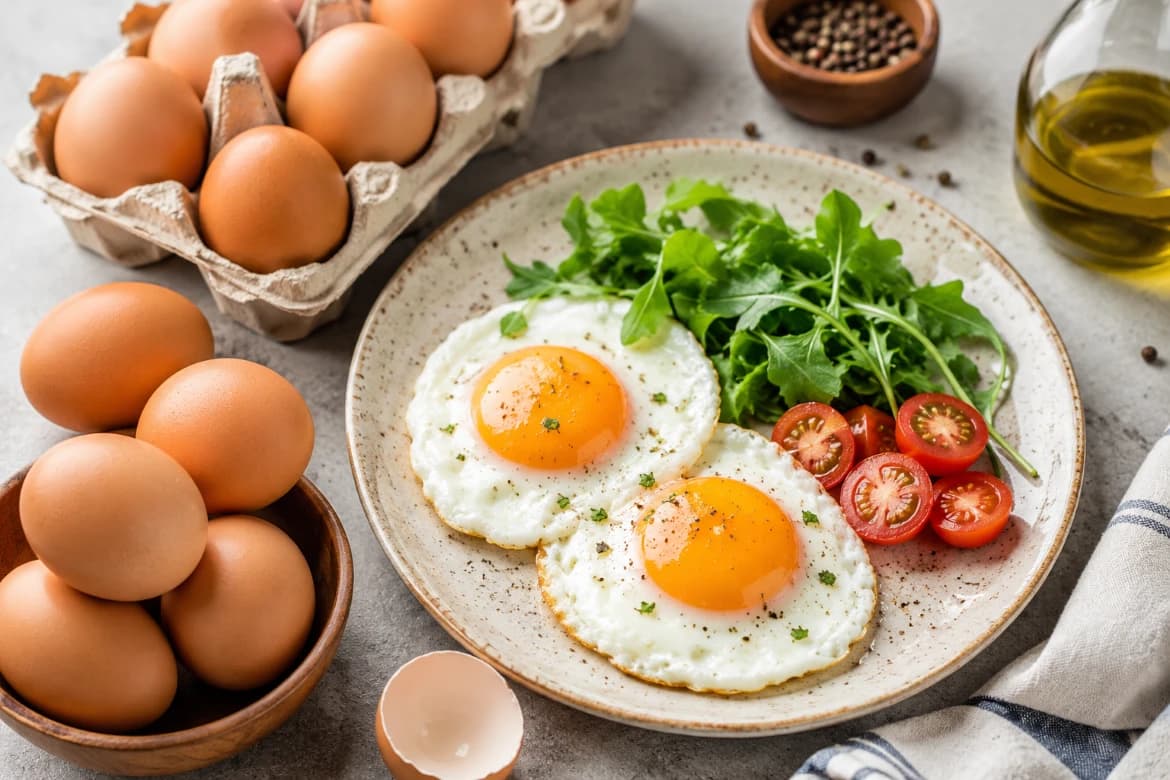
Are Eggs Really Bad for Cholesterol? Here's What the Science Says
The type of fat matters.
Olive oil, canola oil and several other liquid plant oils contain mostly unsaturated fats. The American Heart Association recommends replacing saturated fats with monounsaturated and polyunsaturated fats because this can help lower LDL cholesterol.
For example, cooking with olive oil instead of butter can be a meaningful change.
Not because olive oil is a medicine. Because you have replaced one source of saturated fat with a healthier type of fat.
Fruit and Vegetables Help More Than Their Reputation Suggests
Apples, pears, citrus fruits, berries, carrots, Brussels sprouts and many other fruits and vegetables provide fiber along with vitamins and plant compounds.
Some are particularly useful sources of soluble fiber.
There is another advantage here. Filling more of your meals with vegetables and fruit often leaves less space for heavily processed snacks, fatty meats and desserts rich in saturated fat.
That may sound almost too simple, but simple changes are often the ones people can actually continue doing.
Fatty Fish Can Improve the Overall Pattern
Salmon, sardines, mackerel and similar fish are well known for their omega 3 fats.
Omega 3 fatty acids are particularly useful for triglycerides rather than acting as a powerful direct LDL lowering treatment. Still, fish can fit very well into a cholesterol friendly diet, especially when it replaces fatty or processed meat.
The American Heart Association includes fish among healthier protein choices and recommends eating fish regularly as part of a heart healthy eating pattern.
Preparation matters, of course.
A grilled piece of salmon and deeply fried battered fish are not really the same nutritional decision.
Plant Sterols and Stanols Can Help
Plant sterols and stanols are naturally occurring substances in plants that resemble cholesterol.
They can reduce cholesterol absorption in the digestive system, which may lower LDL levels. Small amounts naturally occur in foods such as whole grains, nuts, legumes and vegetable oils. Some foods are also specially fortified with them.
The NHLBI includes plant sterols and stanols as part of its Therapeutic Lifestyle Changes approach to lowering LDL cholesterol.
They can be useful, but they are not an excuse to ignore the rest of your diet.
What You Remove Matters Just as Much
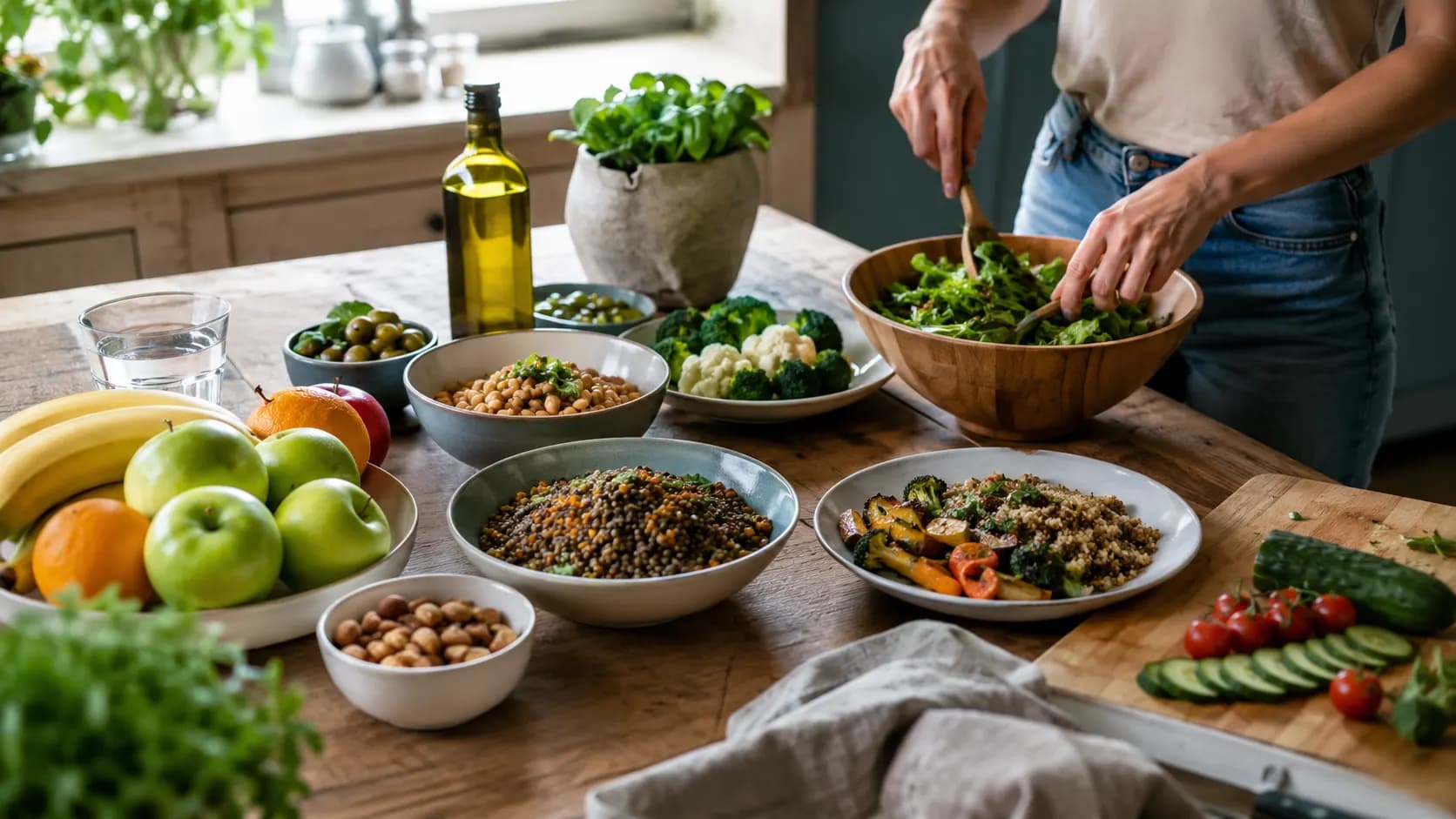
This may be the most important part of the whole discussion.
Adding oatmeal while continuing to eat large amounts of butter, fatty meat, full fat dairy and foods rich in saturated fat may not produce the change you are hoping for.
The American Heart Association identifies reducing saturated fat as one of the main dietary steps for lowering cholesterol. Foods containing unsaturated fats can then replace some of those saturated fat sources.
Coconut oil deserves a mention here because it is frequently marketed as a healthy natural fat. It is still high in saturated fat and can raise LDL cholesterol.
Natural does not automatically mean better for cholesterol.
Reference notes
Sources and further reading
- American Heart Association (opens in a new tab)https://www.heart.org/en/health-topics/cholesterol/prevention-and-treatment-of-high-cholesterol-hyperlipidemia
- NIH (opens in a new tab)https://www.nhlbi.nih.gov/health/TLC-Therapeutic-Lifestyle-Changes-Lower-Cholesterol
- NIH (opens in a new tab)https://www.nhlbi.nih.gov/health/blood-cholesterol/treatment
Show all 6 sources
Our editorial promise
Prepared with clarity and care.
This guide completed our editorial review before publishing. If something needs attention, report a correction or contact the publisher.
About this article
- Published:
- Last updated:
- Author:
- Ceyora Editorial Team
- Review status:
- Editorially reviewed
- Sources:
- 6
- Corrections:
- Report an issue