
Are Eggs Really Bad for Cholesterol?
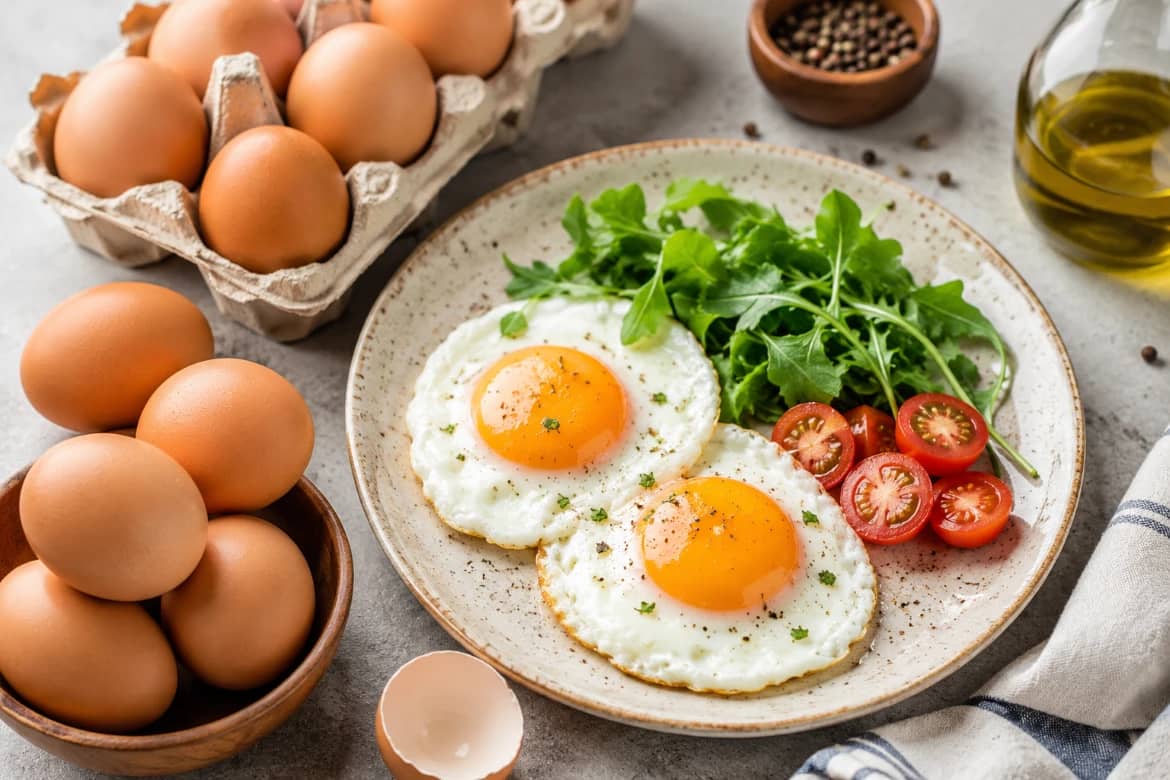
For years, eggs have had a bit of a confusing reputation.
One day they were called a healthy breakfast. The next day people were avoiding the yolk because they believed it would raise cholesterol and increase the risk of heart disease. Even now, many people still wonder if eating eggs is something they should feel guilty about.
The short answer is no. For most healthy people, eggs are not the cholesterol villain they were once believed to be.
The reason is actually more interesting than many people realize.
Why Eggs Got a Bad Reputation
A single egg contains around 185 milligrams of cholesterol, and almost all of it is found in the yolk. Years ago, experts assumed that eating foods high in cholesterol would automatically increase cholesterol levels in the blood.
It seemed logical.
If food contains cholesterol, then eating it should raise your cholesterol. But as more research became available, scientists discovered that the human body is much more complicated than that.
For most people, dietary cholesterol has only a small effect on blood cholesterol. Instead, foods that are high in saturated fat and trans-fat tend to have a much bigger impact on raising unhealthy cholesterol levels.
That changed the way many nutrition experts looked at eggs.
Your Body Already Makes Cholesterol
Here's something many people don't know.
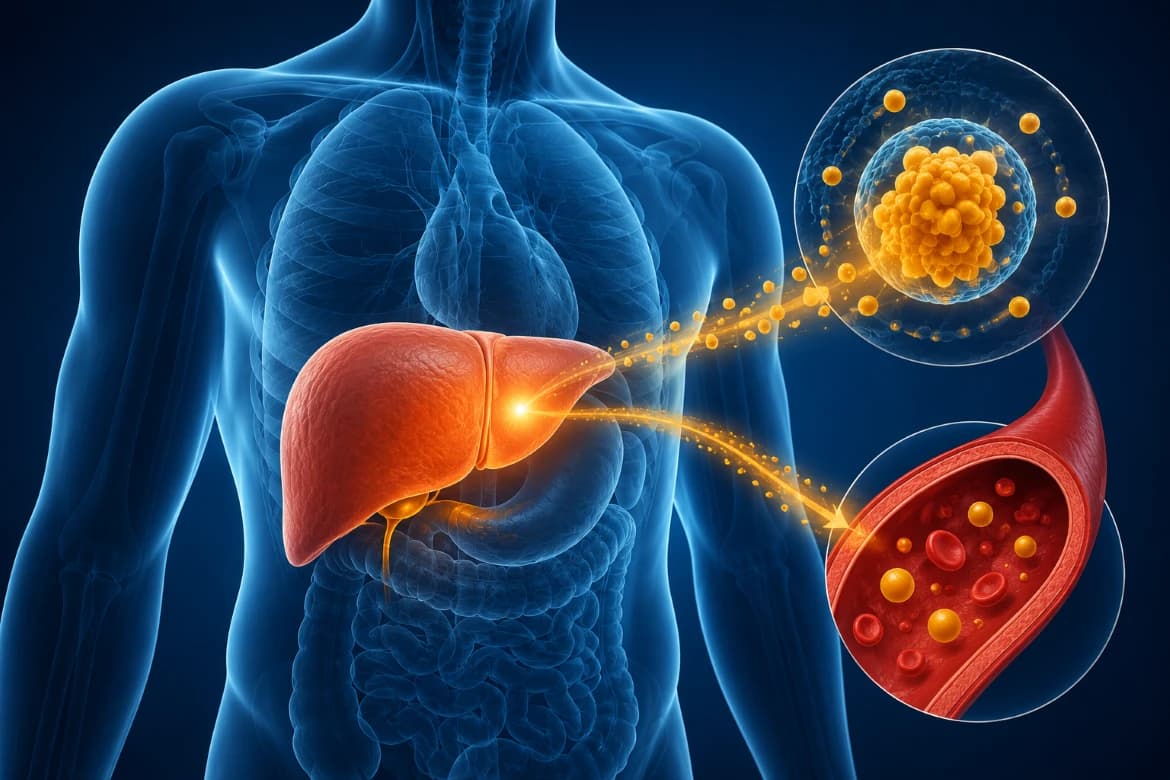
Your liver naturally produces cholesterol every day because your body actually needs it. Cholesterol helps make hormones, vitamin D, and supports healthy cells.
When you eat more cholesterol from foods like eggs, your liver often adjusts by making a little less. It's one of the body's ways of keeping things balanced.
This doesn't happen exactly the same way for everyone, but it explains why eating an egg doesn't automatically send your cholesterol levels through the roof.
Eggs Offer More Than Just Protein
Looking only at the cholesterol number means missing everything else an egg offers.
Eggs provide high-quality protein that helps keep you full and supports muscles. They also contain vitamin B12, vitamin D, selenium, iodine, and choline, a nutrient that plays an important role in brain function.
The yolk is where many of these nutrients are found. Throwing it away means losing much of the egg's nutritional value.

Keep reading
What Happens When You Eat More Protein but Not Fiber?
For many people, eggs are one of the most affordable and nutrient rich foods available.
The Whole Meal Matters More
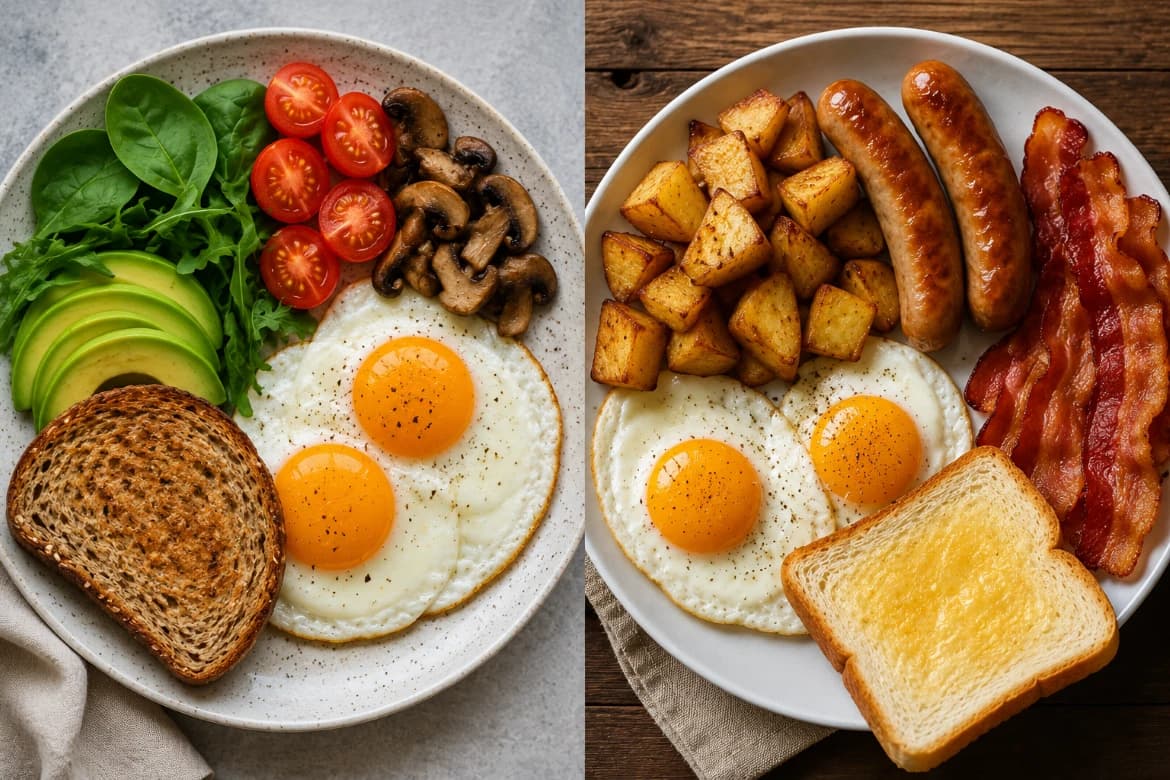
Imagine eating two eggs with vegetables and whole grain toast.
Now compare that with eating two eggs alongside bacon, sausages, fried potatoes, and buttered white bread every morning.
The eggs are the same.
The overall meal is completely different.
Many studies suggest that your overall eating pattern has a much greater effect on heart health than one single food. Eating plenty of vegetables, fruits, whole grains, beans, nuts, healthy fats, and lean protein matters much more than worrying about one egg at breakfast.
When Should You Be More Careful?
Although eggs are safe for most people, there are situations where extra care may be needed.
People with certain medical conditions, such as familial hypercholesterolemia or some forms of diabetes, may receive different advice from their doctor or registered dietitian. Individual health conditions can change what is appropriate.
If you've been told to manage your cholesterol because of a specific medical problem, it's always better to follow the guidance given by your healthcare provider rather than general nutrition advice.
How Many Eggs Can Most People Eat?
There isn't one perfect number that works for everyone.
Many healthy adults can enjoy an egg a day as part of a balanced diet without increasing their risk of heart disease. Some people may eat more, while others choose fewer based on their personal preferences and overall diet.
The important thing is looking at your eating habits as a whole instead of focusing on a single ingredient.
Reference notes
Sources and further reading
- Mayo Clinic (opens in a new tab)https://www.mayoclinic.org/diseases-conditions/high-blood-cholesterol/expert-answers/cholesterol/faq-20058468
- Nationalgeographic (opens in a new tab)https://www.nationalgeographic.com/health/article/egg-yolks-cholesterol-heart-disease
- NIH (opens in a new tab)https://pmc.ncbi.nlm.nih.gov/articles/PMC12765572/
Our editorial promise
Prepared with clarity and care.
This guide completed our editorial review before publishing. If something needs attention, report a correction or contact the publisher.
About this article
- Published:
- Last updated:
- Author:
- Ceyora Editorial Team
- Review status:
- Editorially reviewed
- Sources:
- 3
- Corrections:
- Report an issue