
When More Protein Pushes Fiber Off the Plate
Protein is everywhere. It appears in shakes, bars, cereal, yogurt and snacks that once had little connection to fitness. Adding more protein can be useful. The problem begins when it pushes fiber rich foods off the plate.
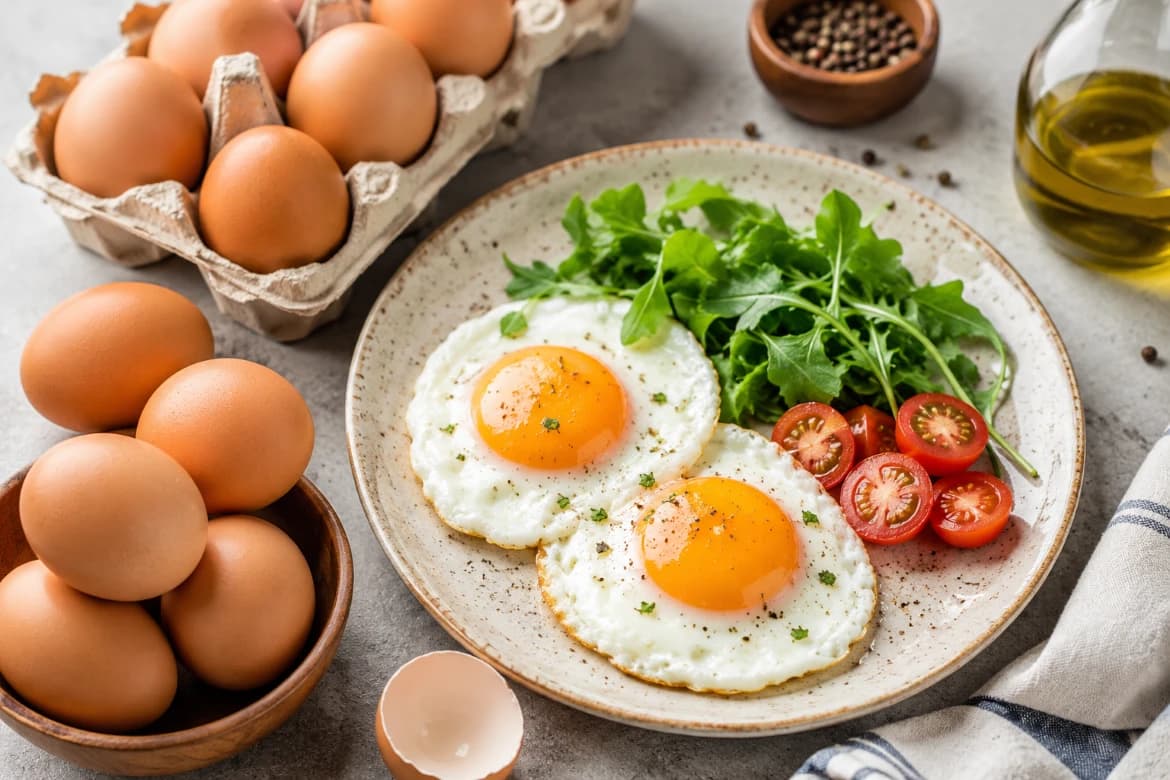
Picture a day built around eggs, a protein shake, chicken, cheese and steak. The protein total may look impressive. Yet if fruit, vegetables, beans and whole grains barely appear, digestion can start feeling different.
Protein itself is not automatically the problem. The missing fiber is.
Why This Happens
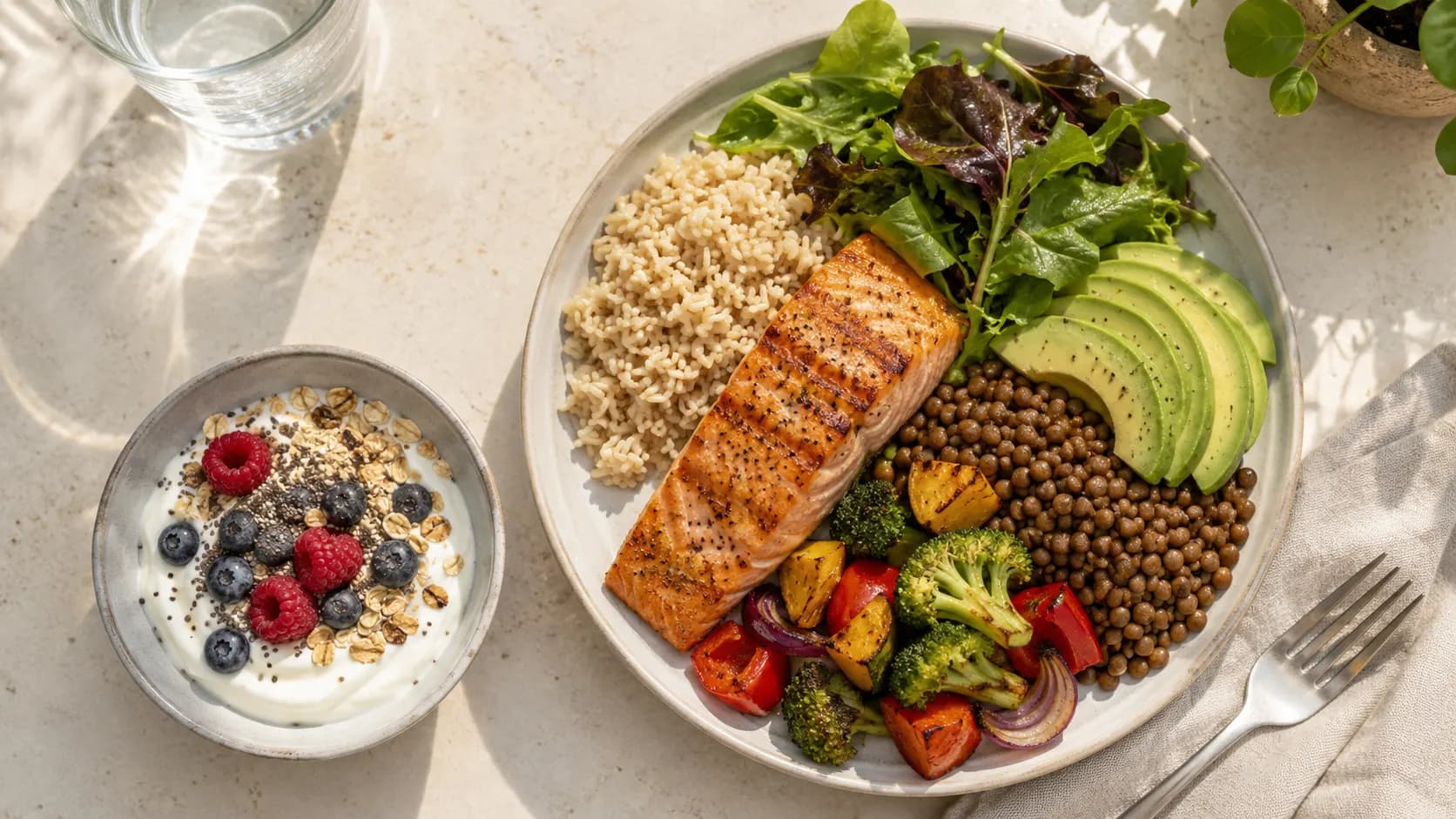
Fiber comes mainly from plant foods, including beans, lentils, fruit, vegetables, nuts, seeds and whole grains. Meat contains no fiber, while many protein focused meals provide very little unless plant foods are added. Protein powders and packaged snacks may contain fiber, but the amount varies.
When someone builds every meal around animal protein and sharply reduces plant foods, the bowel has less fiber to hold water and add bulk to stool. Constipation has many possible causes, including medicines, low fluid intake, health conditions and inactivity. Low fiber can still be an important part of the problem.
The National Institute of Diabetes and Digestive and Kidney Diseases states that adults generally need between 22 and 34 grams of fiber daily. The exact amount depends on age and sex.
Keep reading
Pizza Can Be Part of a Balanced Meal If You Build It Better
What You May Notice
The first change may be a bathroom routine that no longer feels normal. Stool can become harder or more difficult to pass. You may go less often, strain more, or feel that you have not completely finished.
Some people also notice gas or bloating. These symptoms do not prove that protein is responsible. Other ingredients in packaged foods, large servings and sudden changes in eating habits may also affect digestion.
Another clue is less variety on your plate. Chicken and yogurt can be useful foods, but they cannot replace everything found in berries, oats, vegetables, beans and whole grains.
A person may look at a plate of grilled chicken and eggs and think, “This is a healthy meal.” It may contain plenty of protein. Yet without vegetables, fruit, beans or whole grains, it offers very little fiber.

Reference notes
Sources and further reading
- USDA FoodData Central (opens in a new tab)https://fdc.nal.usda.gov/food-details/172421/nutrients
- NIDDK (opens in a new tab)https://www.niddk.nih.gov/health-information/digestive-diseases/irritable-bowel-syndrome/eating-diet-nutrition
- MedlinePlus (opens in a new tab)https://medlineplus.gov/ency/patientinstructions/000120.htm
Our editorial promise
Prepared with clarity and care.
This guide completed our editorial review before publishing. If something needs attention, report a correction or contact the publisher.
About this article
- Published:
- Last updated:
- Author:
- Ceyora Editorial Team
- Review status:
- Editorially reviewed
- Sources:
- 4
- Corrections:
- Report an issue