Why You Feel Bloated
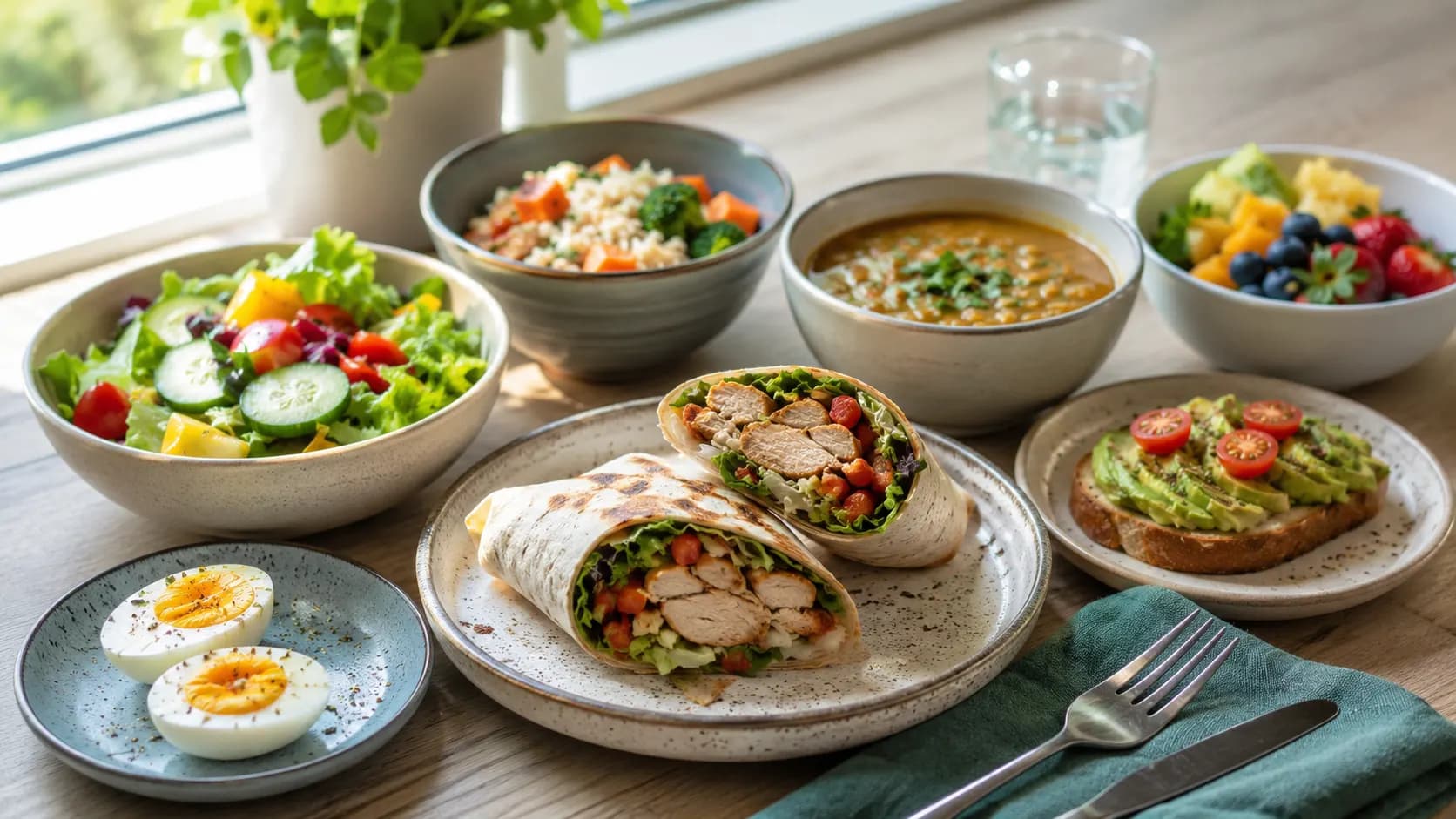
Bloating can make an ordinary day feel uncomfortable. Your stomach may feel tight, full, or swollen, even when you have not eaten a large meal. Sometimes it happens after eating quickly. Other times it comes from gas, constipation, certain foods, or changes in your normal routine.
When you feel bloated, the first reaction may be to stop eating completely. That usually is not necessary. Choosing lighter foods, eating smaller portions, and giving your digestive system a little time can often feel better than skipping meals.
The right food depends on what caused the bloating, but a few gentle choices may help you feel more comfortable.
Start With Water
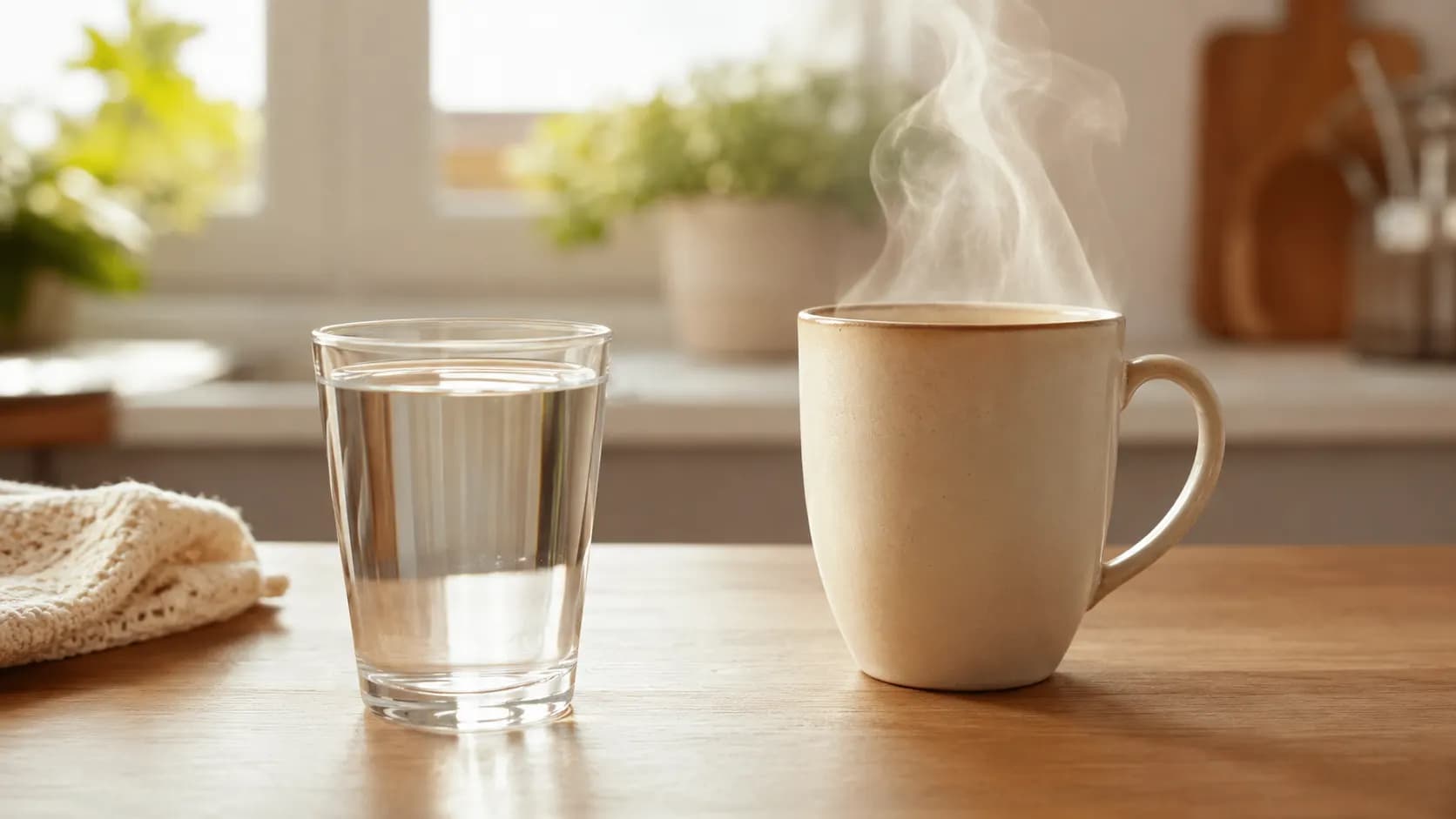
Water is one of the simplest places to begin.
It may seem strange to drink more when your stomach already feels full, but dehydration can make constipation worse. When stool moves slowly through the digestive system, bloating and pressure may increase.
Sip water gradually instead of drinking a large amount at once. A few glasses spread across the day can feel easier on the stomach.
Warm water may feel more soothing for some people. It does not need to contain anything special. Plain water is often enough.
Try Ginger
Ginger is commonly used when the stomach feels unsettled. It can be added to warm water, tea, soup, or a simple meal.
Fresh ginger has a stronger taste, while ginger tea is often easier when you do not feel like eating much. A small amount is usually enough.
For example, you could make a light cup of ginger tea after lunch rather than reaching for another fizzy drink. It is a simple change, but many people find the warmth calming.
Choose Potassium Rich Foods
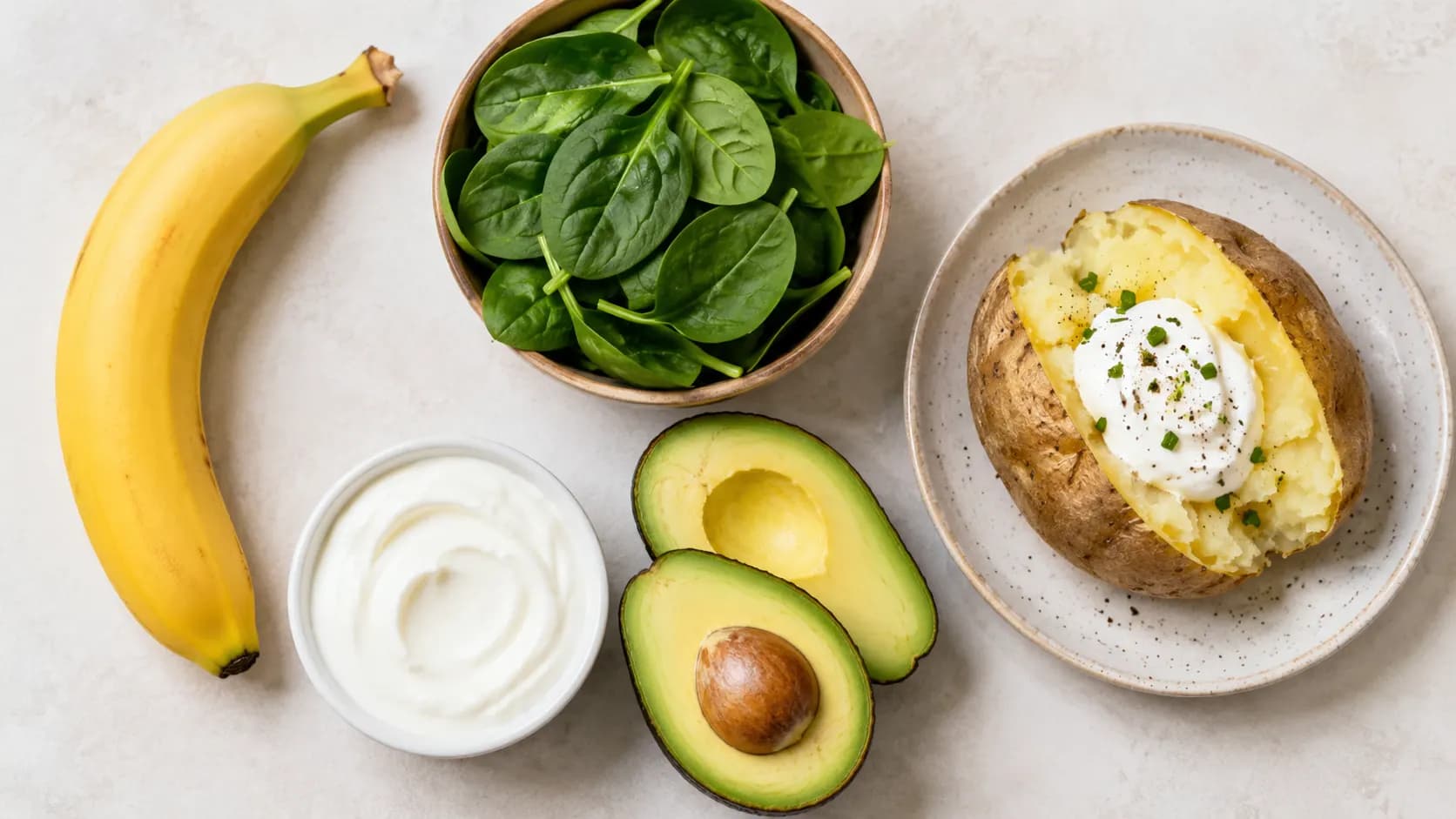
Eating a salty meal can sometimes lead to temporary water retention. Potassium helps the body manage fluid balance, which is one reason potassium rich foods may be useful after a high sodium meal.
Bananas, potatoes, spinach, avocado, and yogurt contain potassium.
A banana can be an easy snack, but it is not the best choice for everyone. Some people notice more bloating after certain fruits. Pay attention to how your own body reacts rather than forcing yourself to eat a food because it is often called healthy.
Eat Plain Yogurt If You Tolerate Dairy
Plain yogurt with live cultures may support digestion for some people. It is also soft, easy to eat, and works well with fruit or oats.
Choose plain yogurt rather than heavily sweetened varieties. A lot of added sugar may leave you feeling less comfortable.
Dairy can also cause bloating in people who have trouble digesting lactose. If milk products often make your stomach feel worse, yogurt may not be the right choice for you.
This is where personal experience matters. One person may feel better after yogurt, while another may feel more bloated within an hour.
Try Cooked Vegetables Instead of Raw Ones
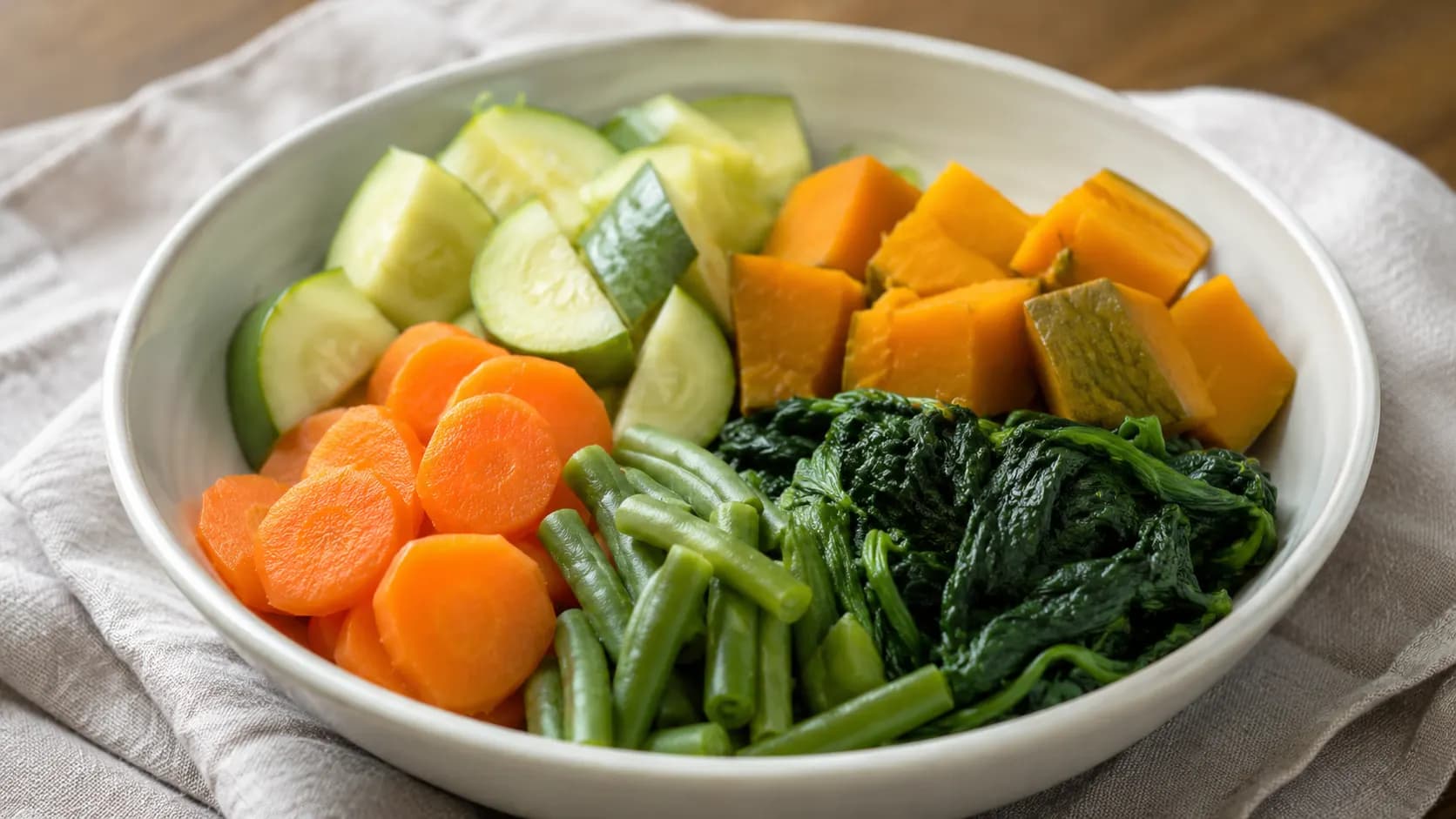
Vegetables are important, but a large raw salad may not feel ideal when you are already bloated.
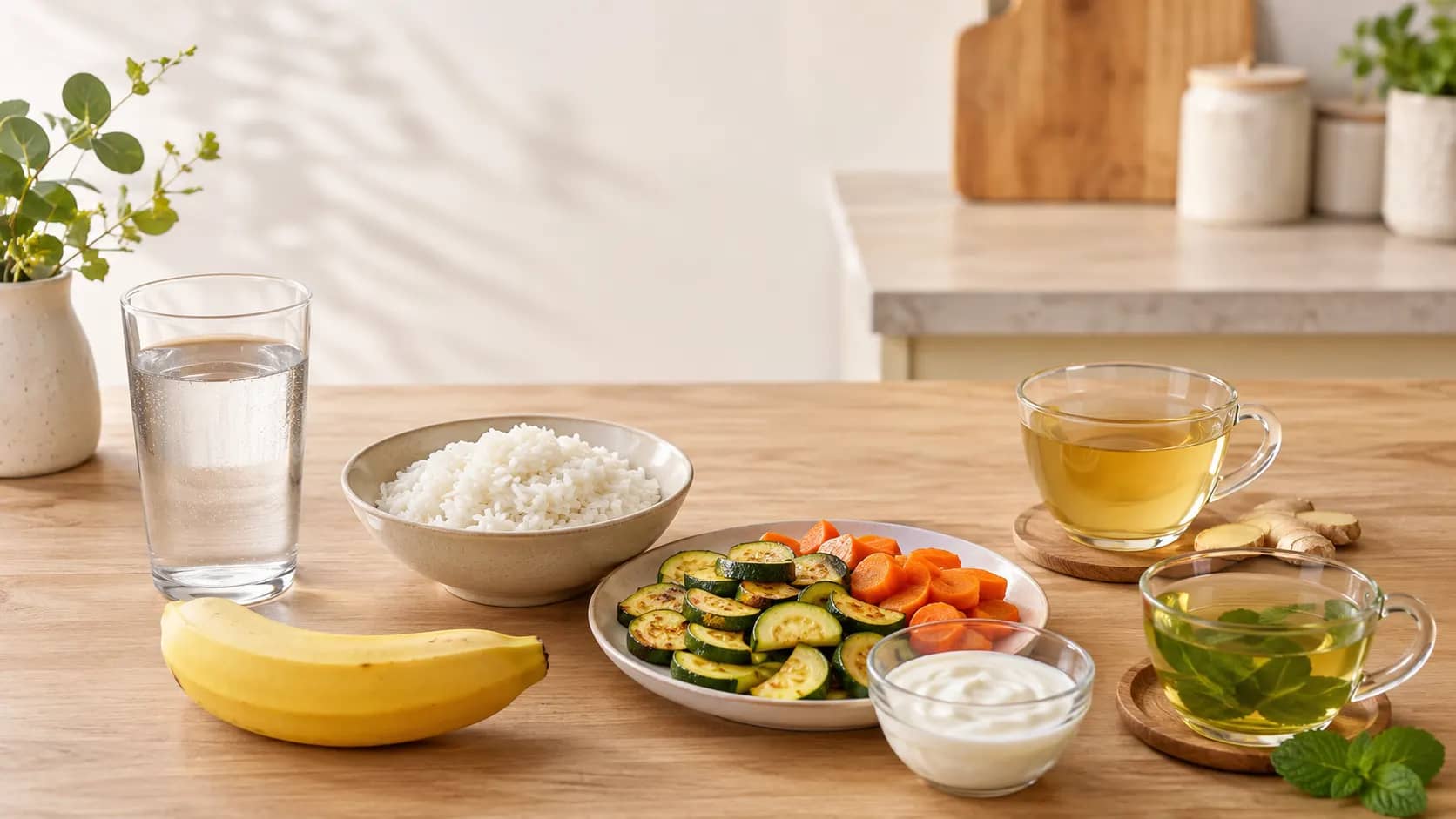
Cooked vegetables are often softer and easier to digest. Carrots, zucchini, pumpkin, spinach, and green beans can be gentle choices when prepared simply.
Keep reading
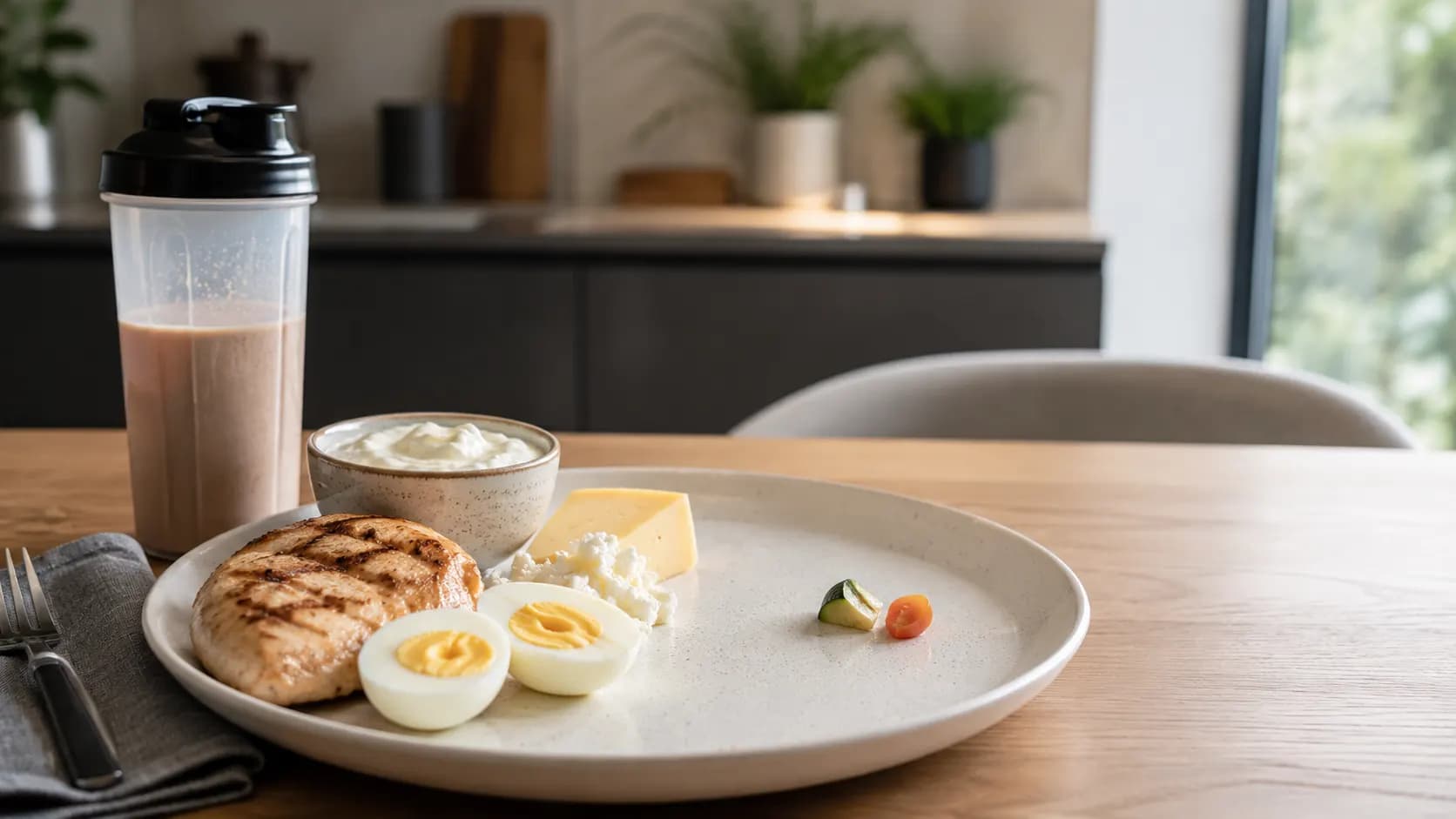
What Happens When You Eat More Protein but Not Fiber?
Steaming, boiling, or lightly cooking them may feel better than eating them raw. Heavy sauces, a lot of oil, and strong spices can make the meal harder to handle.
A bowl of rice with cooked vegetables may not look exciting, but it can be far more comfortable than a large plate of fried food when your stomach feels tight.
Choose Simple Carbohydrates
Plain rice, oats, potatoes, toast, and crackers can be useful when you want something filling without making the meal heavy.
These foods are not a cure for bloating, but they can be easier to manage than rich meals with a lot of fat.
Oatmeal is a good example. It provides fiber, but the texture is soft and easy to adjust. Keep the portion moderate, especially if you are not used to eating much fiber.
Adding a lot of fiber suddenly can increase gas. A gentle amount is more sensible.
Consider Peppermint Tea
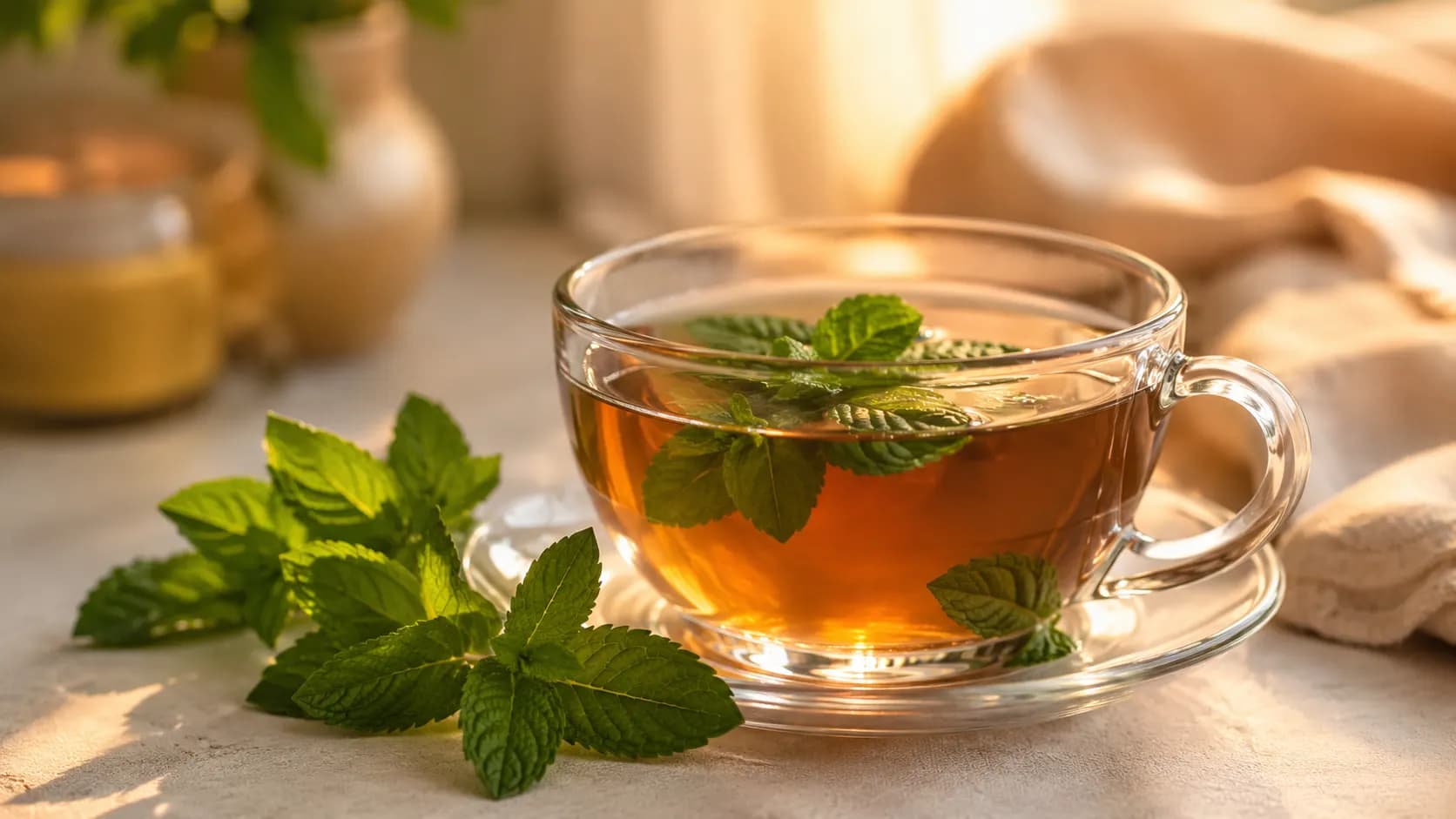
Peppermint tea is another common choice when the stomach feels uncomfortable. Some people find it helps them relax after a meal and may reduce the feeling of trapped gas.
It is caffeine free and can be taken warm.
However, peppermint may not suit people who have acid reflux because it can make heartburn worse. This is a useful reminder that even simple home remedies are not right for everyone.
What to Avoid for a While
When bloating is already bothering you, certain foods and drinks may make the feeling worse.
Carbonated drinks can add more gas to the digestive system. Large amounts of fried food may slow digestion. Very salty foods may increase water retention.
Beans, onions, garlic, cabbage, and broccoli are healthy foods, but they can produce more gas in some people. You do not need to remove them forever. It may simply help to reduce the portion until you feel better.
Chewing gum can also lead to swallowing more air, especially if you chew it for long periods.
Eating Habits Matter as Much as Food
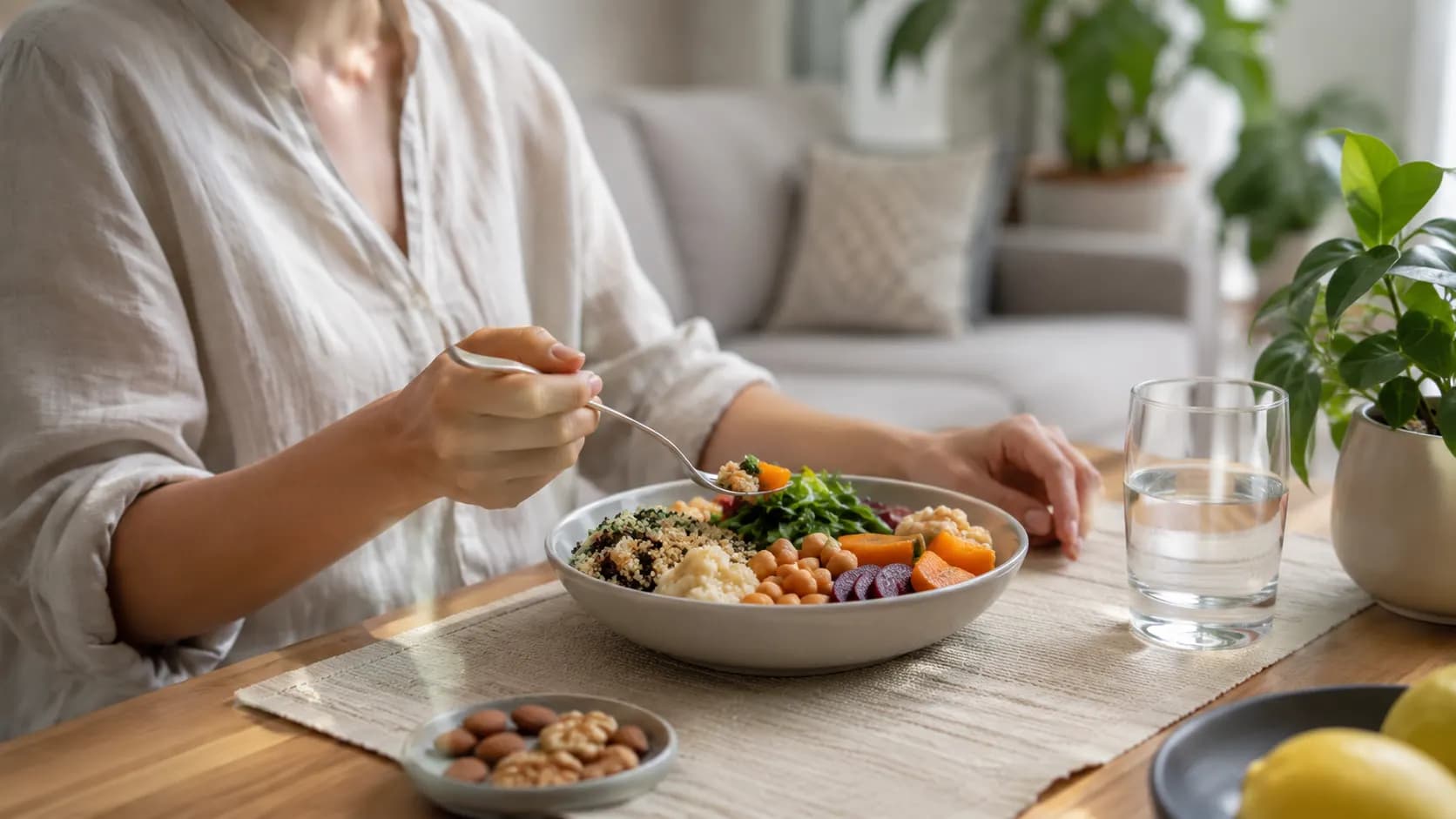
Sometimes the problem is not only what you eat. It is how you eat.
Eating quickly can cause you to swallow more air. Large portions can stretch the stomach and make fullness feel worse.
Sit down, slow your pace, and chew properly. This sounds basic, but it can make a real difference.
A short walk after eating may also help digestion and reduce the heavy feeling. You do not need a hard workout. Ten minutes of gentle movement is enough for many people
Reference notes
Sources and further reading
Our editorial promise
Prepared with clarity and care.
This guide completed our editorial review before publishing. If something needs attention, report a correction or contact the publisher.
About this article
- Published:
- Last updated:
- Author:
- Ceyora Editorial Team
- Review status:
- Editorially reviewed
- Sources:
- 5
- Corrections:
- Report an issue