Why Fermented Foods Are Good for Your Gut
Fermented foods have been part of daily diets for centuries, long before anyone talked about probiotics or the gut microbiome. People made yogurt, pickles, sourdough, kimchi, and other fermented foods because fermentation helped food last longer and gave it a stronger flavor.
Today, these foods are popular for another reason. Many people eat fermented foods because they may support digestion and help maintain a healthy balance of bacteria in the gut. Yet not every fermented food works in the same way. Some contain live cultures, while others lose them during heating or processing.
Knowing the difference can help you make better choices without expecting one food to fix every digestive problem.
What Are Fermented Foods?

Fermentation is a natural process in which microorganisms such as bacteria or yeast break down sugars in food. During this process, the food changes in taste, texture, smell, and sometimes nutritional value.
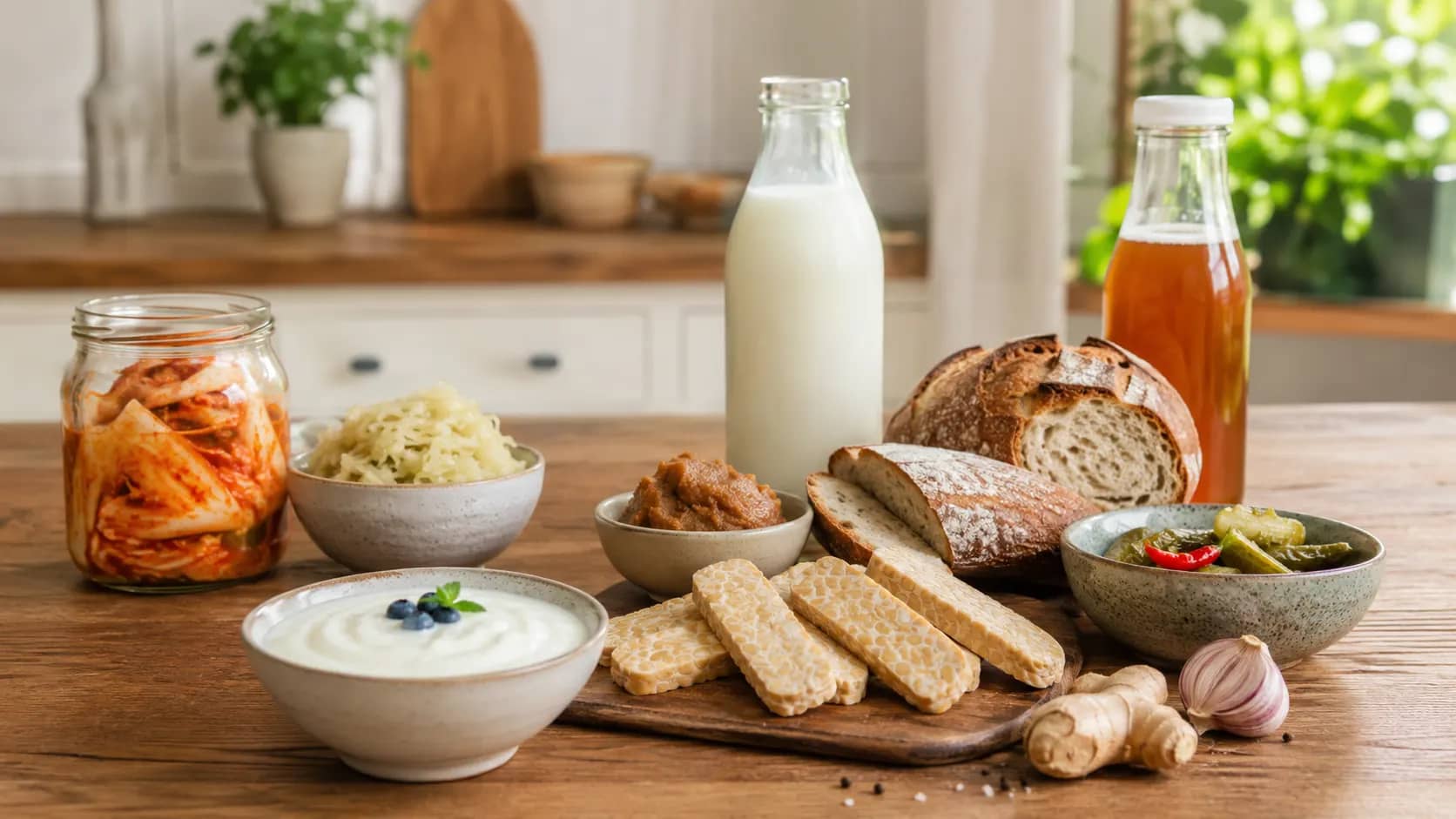
Milk can become yogurt. Cabbage can become sauerkraut or kimchi. Tea can become kombucha. Flour and water can become sourdough starter.
Fermentation is controlled rather than accidental spoilage. The right microorganisms grow under suitable conditions, creating acids or other compounds that help preserve the food.
The sharp smell can surprise people at first. Yet many begin to enjoy the tangy flavor when they add small amounts to familiar meals.
Why Gut Health Gets Attention
Your digestive system is home to a large community of microorganisms called the gut microbiome. These bacteria interact with food, digestion, and the immune system.
Researchers are still learning how the microbiome affects health, but diet clearly plays an important role.
Some fermented foods contain live microorganisms often called live cultures or probiotics. They do not permanently settle in every person, but they may support the gut while they pass through the digestive system.
Fermentation can also make certain foods easier to digest. Yogurt is a good example. Some people who struggle with milk can handle yogurt better because the bacteria have already broken down part of the lactose.
Common Fermented Foods People Eat
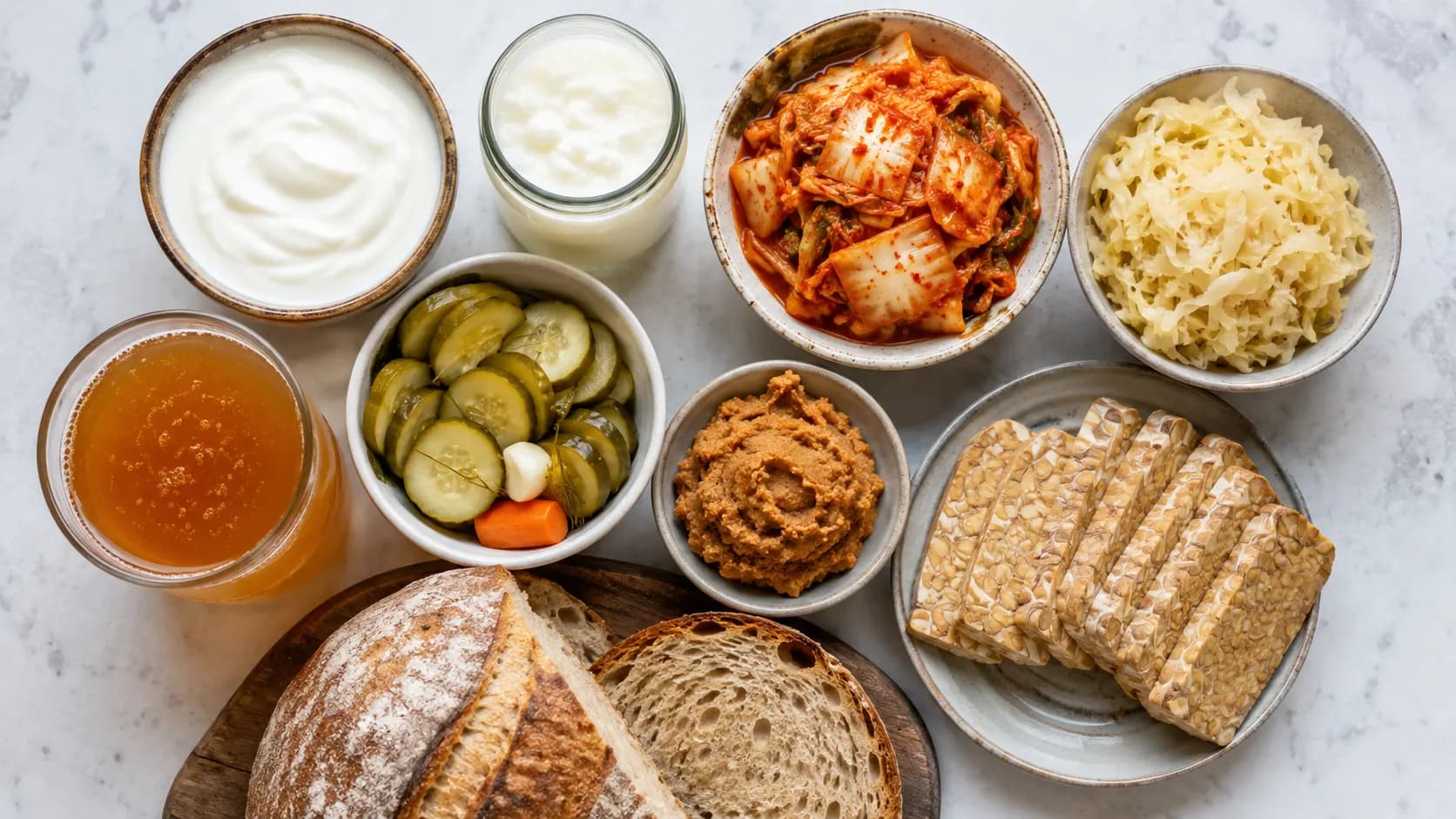
Yogurt is one of the easiest choices for beginners. Look for plain yogurt with live cultures listed on the label. Flavored varieties can contain a lot of added sugar.
Kefir is a tart fermented milk drink. It can be used in smoothies or poured over oats.
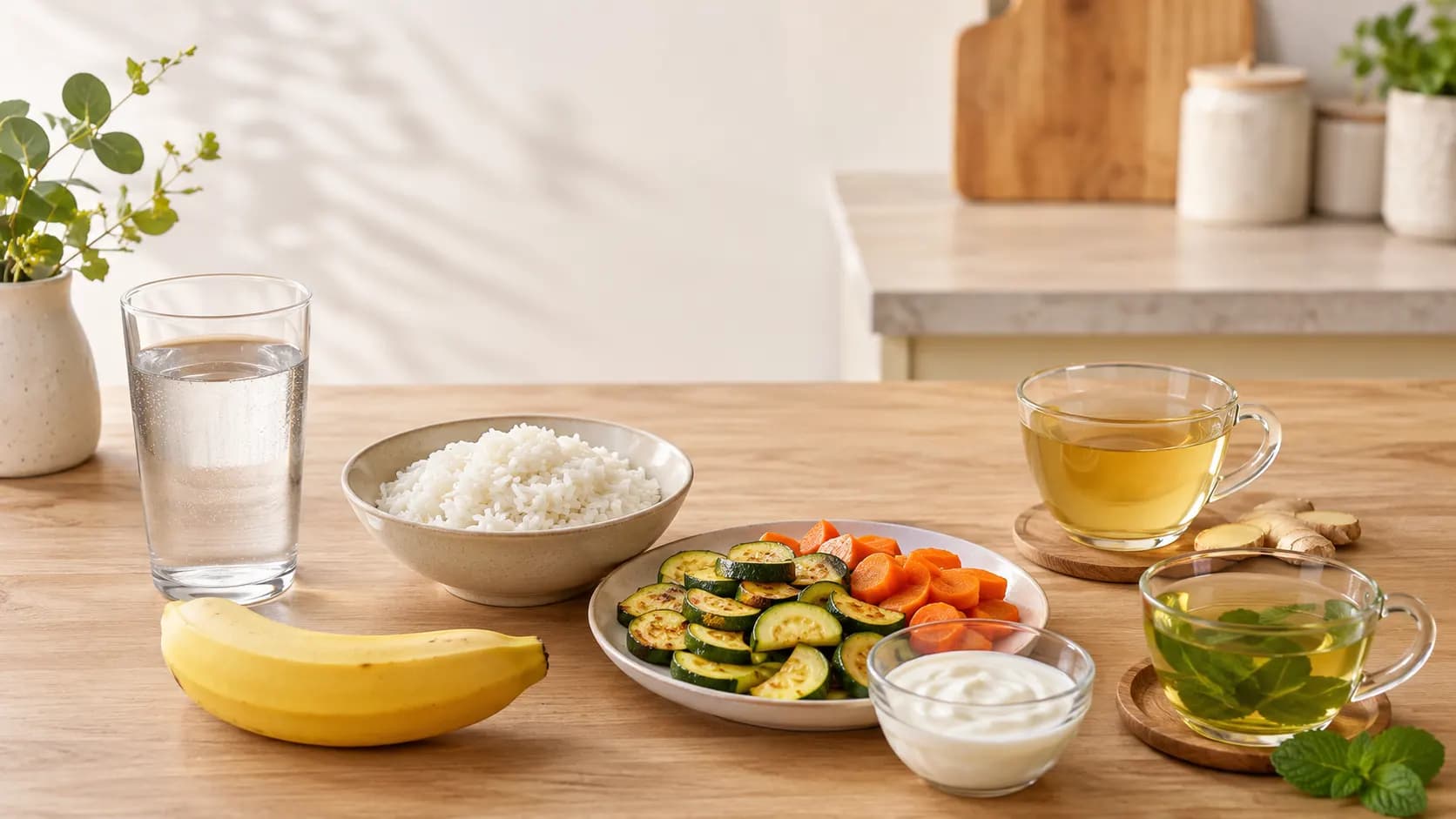
Keep reading
What to Eat When You Feel Bloated
Kimchi is made from fermented vegetables, often cabbage and radish, with garlic, chili, and seasonings. It works well beside rice, eggs, or savory meals.
Sauerkraut is fermented cabbage. Refrigerated versions may contain live cultures, while canned or heat treated products may not.
Miso is a fermented soybean paste used in soup, sauces, and marinades. Tempeh is made from fermented soybeans and works well in stir fries, wraps, or rice bowls.
Kombucha is fermented tea. It can be refreshing, although some varieties contain a lot of sugar.
Do All Fermented Foods Contain Probiotics?
No. This is an important detail.
A food can be fermented during production and still contain few or no live cultures by the time you eat it. Heating, pasteurization, baking, and long storage can reduce or remove live microorganisms.
Sourdough bread is fermented but baking kills most of the live microbes. It may still be easier for some people to digest, but it is not the same as eating yogurt with live cultures.
Traditional fermented pickles may contain live bacteria, while pickles made quickly with vinegar usually do not.
Check labels for phrases such as live cultures, active cultures, unpasteurized, or naturally fermented. Products with live cultures are often kept in the refrigerated section.
How to Add Fermented Foods Gently
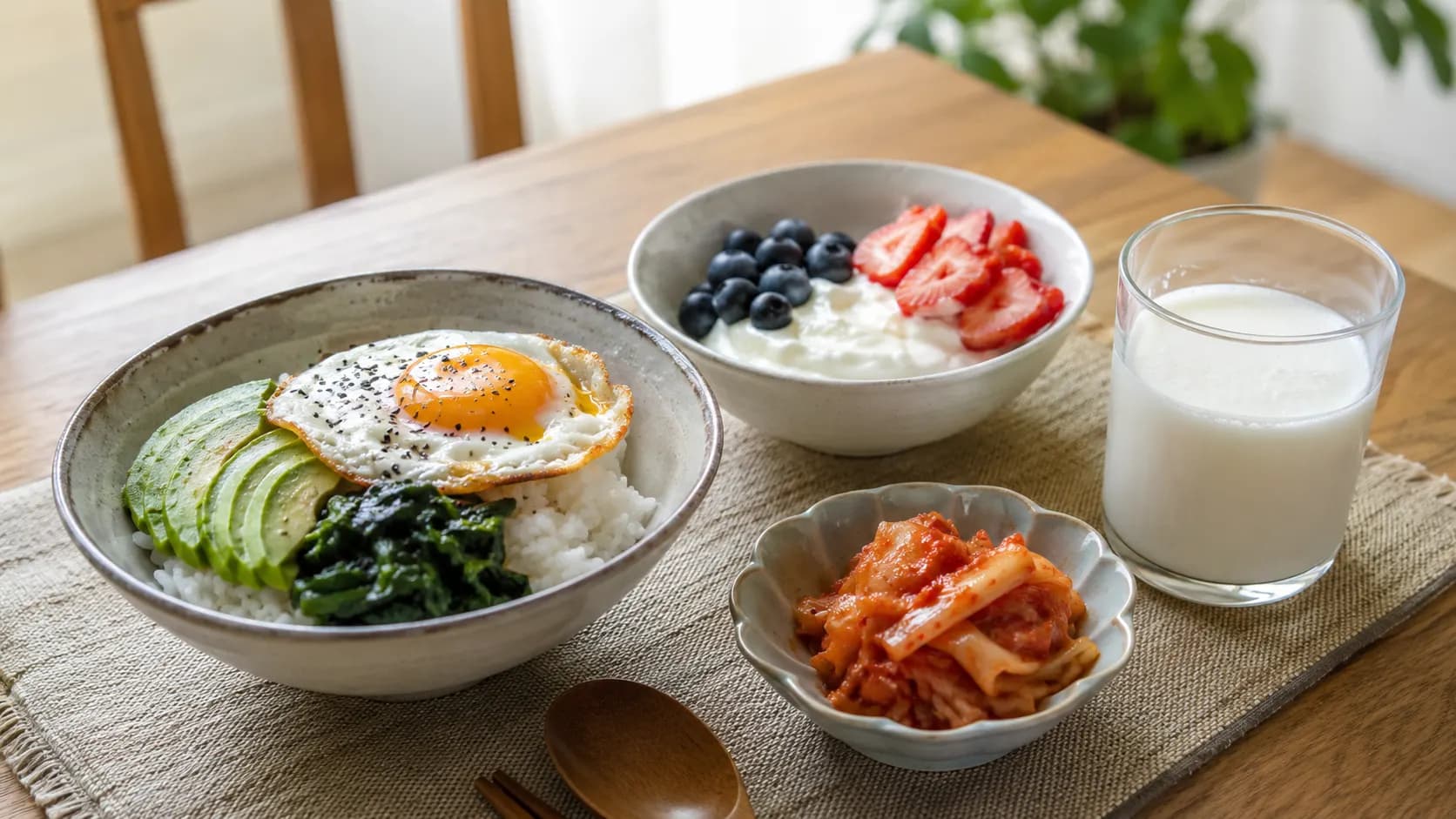
Fermented foods can have strong flavors and may cause gas or bloating when you first add them. Starting with a small serving is usually more comfortable than eating a large amount at once.
Try a spoonful of sauerkraut beside lunch, a small glass of kefir, or plain yogurt with fruit. Give your body time to adjust.
Eat fermented foods as part of a balanced diet. Gut health is not built from one product. Fiber from vegetables, fruit, beans, whole grains, nuts, and seeds feeds many helpful gut bacteria. Fermented foods can play a role, but daily eating habits matter more.
Reference notes
Sources and further reading
Our editorial promise
Prepared with clarity and care.
This guide completed our editorial review before publishing. If something needs attention, report a correction or contact the publisher.
About this article
- Published:
- Last updated:
- Author:
- Ceyora Editorial Team
- Review status:
- Editorially reviewed
- Sources:
- 5
- Corrections:
- Report an issue