Why Low Iron Can Make You Feel Drained
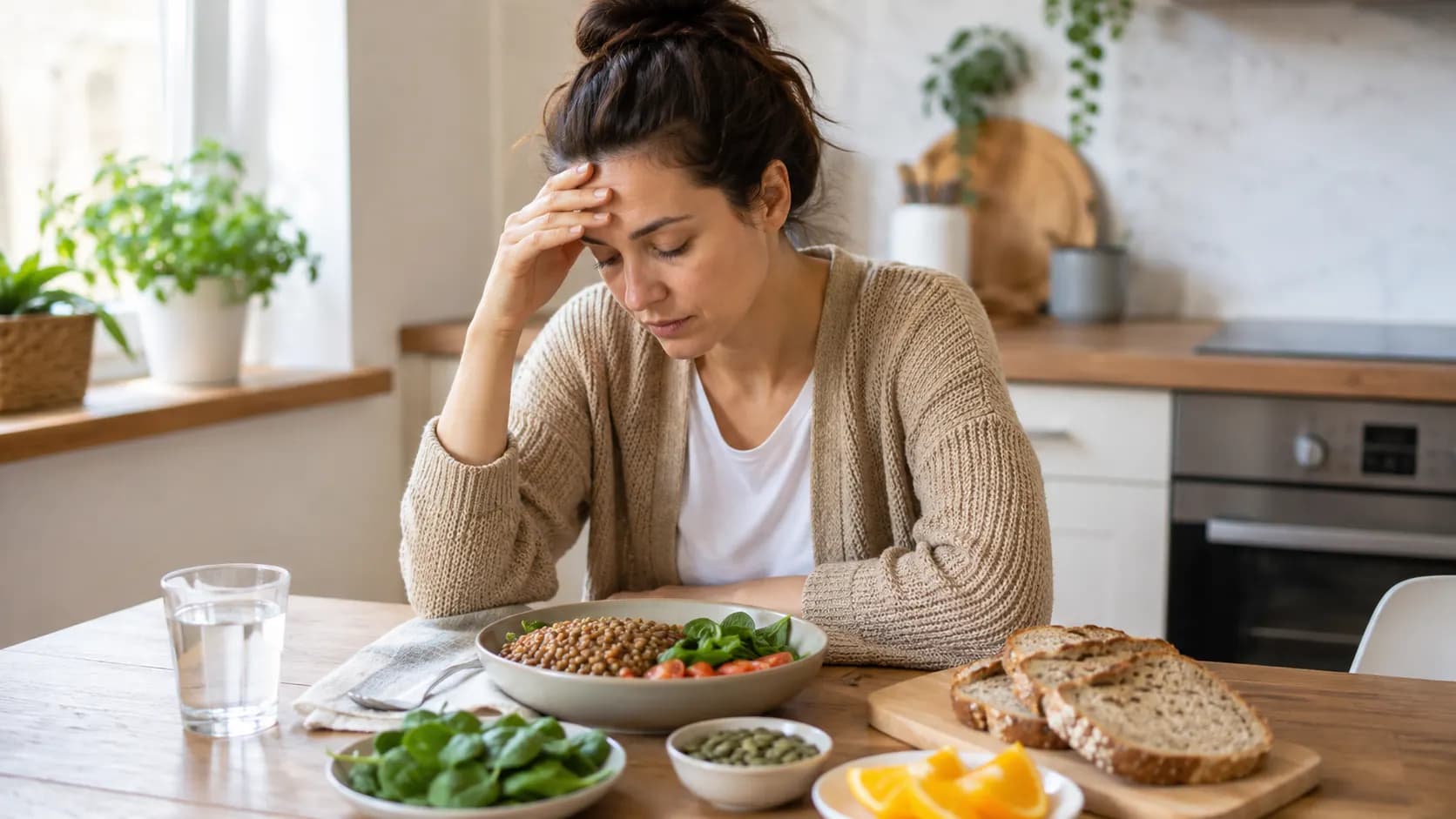
Feeling tired once in a while is normal. A late night, stress, skipped meals, or a busy week can leave anyone feeling flat. But when tiredness keeps showing up even after rest, low iron is one thing worth checking.
Iron helps your body make hemoglobin, the protein in red blood cells that carries oxygen around the body. When your iron level drops, your muscles and brain may not get oxygen as efficiently. That can make ordinary days feel harder than they should.
You might notice heavy legs when climbing stairs. You may feel foggy during work. Some people feel cold more often, look paler than usual, or get short of breath during simple activity. Not everyone has the same signs, which is why guessing is not enough.
Food can help support healthy iron levels, but it works best when you understand which foods matter and how to eat them.
The Two Types of Iron in Food
Not all iron is absorbed the same way.
Animal foods contain heme iron. This type is easier for the body to absorb. Plant foods contain non heme iron. This type still matters, but the body absorbs it less easily unless you pair it well.
This does not mean everyone needs meat. It simply means plant based eaters should be more intentional with their meals. A bowl of lentils is useful. A bowl of lentils with lemon juice, tomatoes, or bell peppers is even better.
That small pairing trick can make a real difference.
Animal Foods That Provide Iron
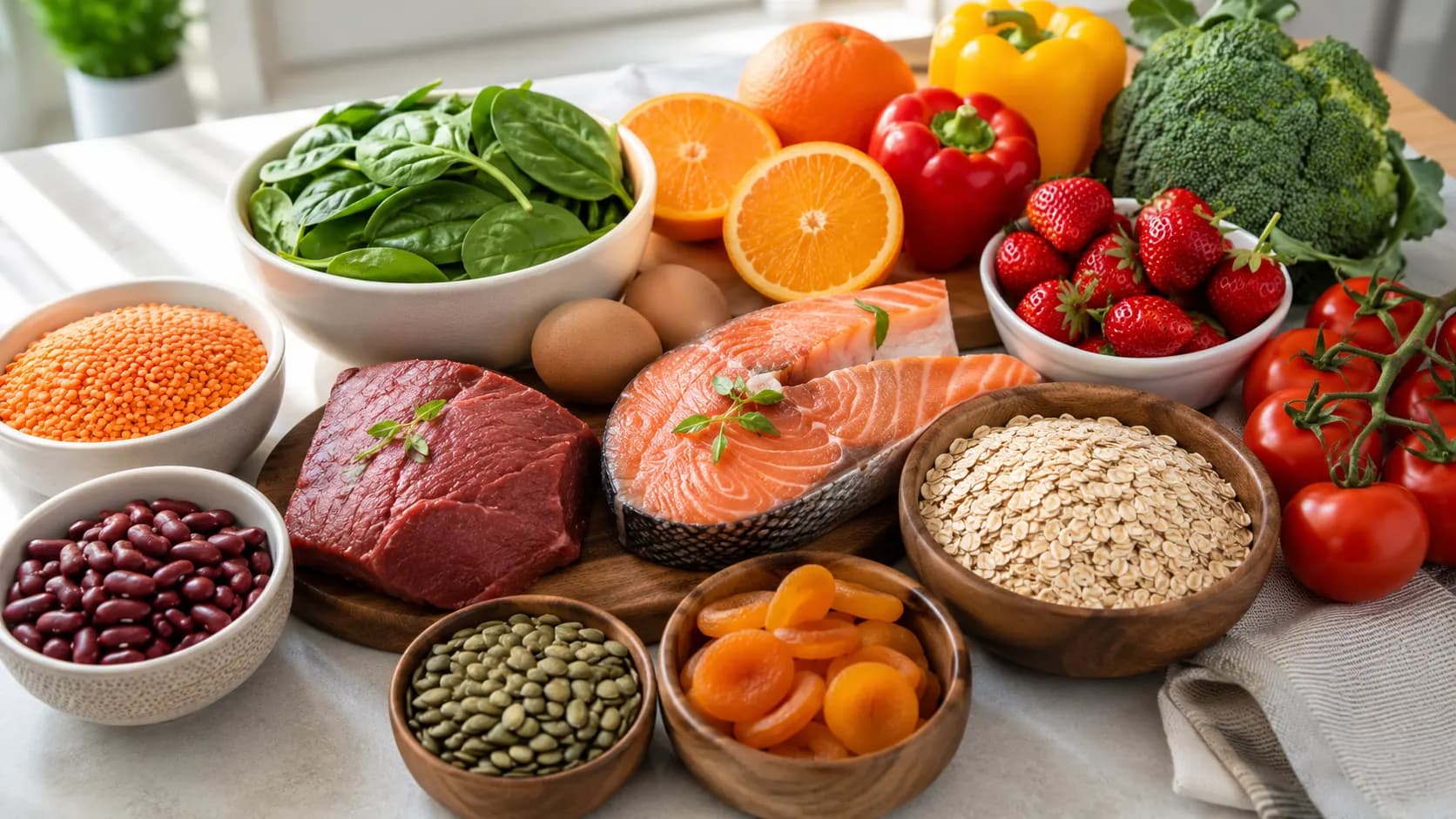
Red meat is one of the best known iron rich foods. Beef and lamb contain heme iron, which the body uses efficiently. You do not need a huge portion every day. For many people, a modest serving a few times a week can support a balanced diet.
Liver and organ meats are also very rich in iron, but they should be eaten in modest amounts. They are powerful foods, not every day casual snacks.
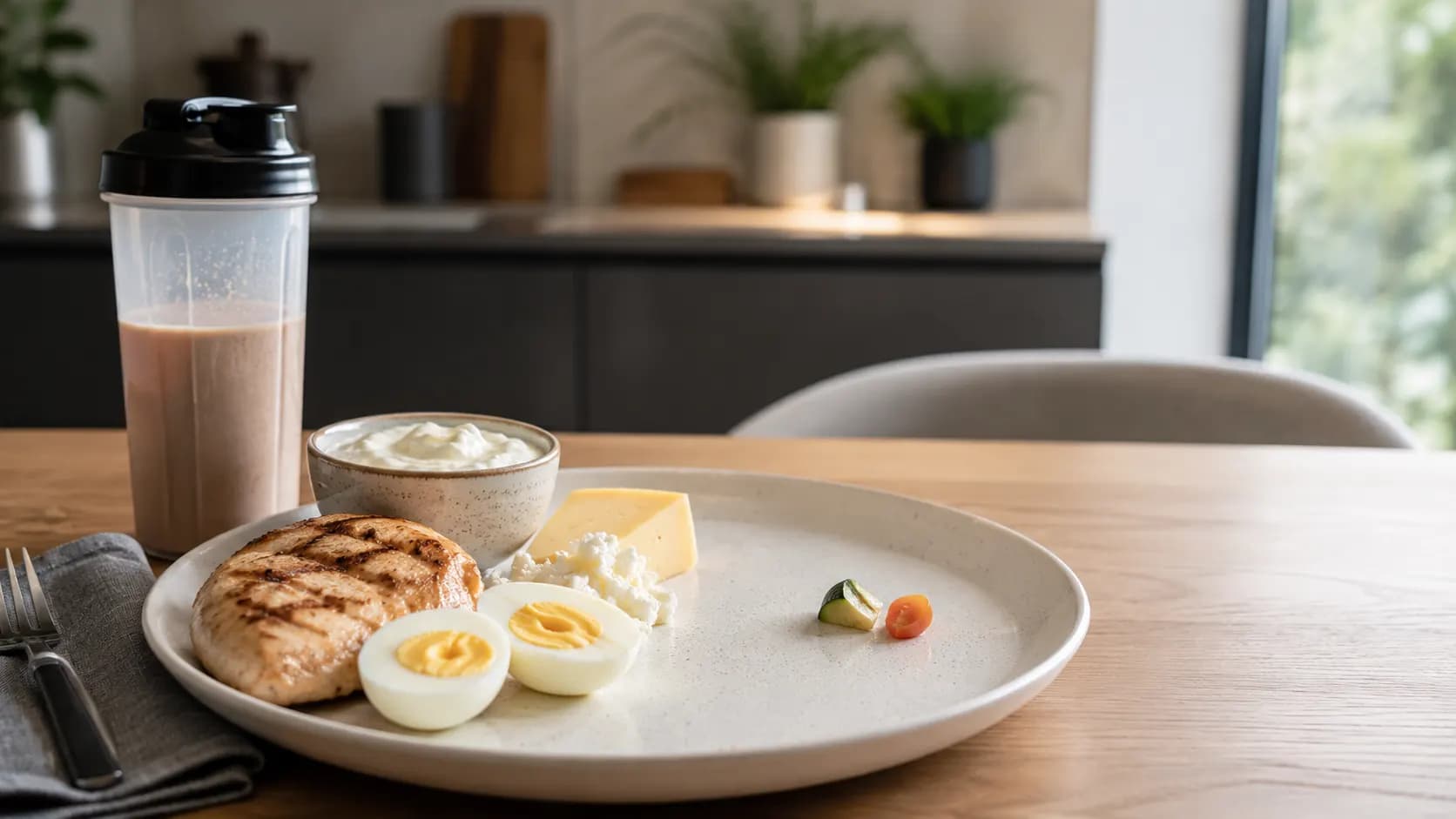
Poultry can help as well, especially darker cuts like chicken thighs. Fish and shellfish are useful choices, with sardines, tuna, mussels, clams, and oysters often standing out.
A simple dinner idea would be chicken with spinach and rice, or sardines with whole grain toast and tomato salad. Nothing fancy. Just food that makes sense.
Plant Foods That Support Iron Levels
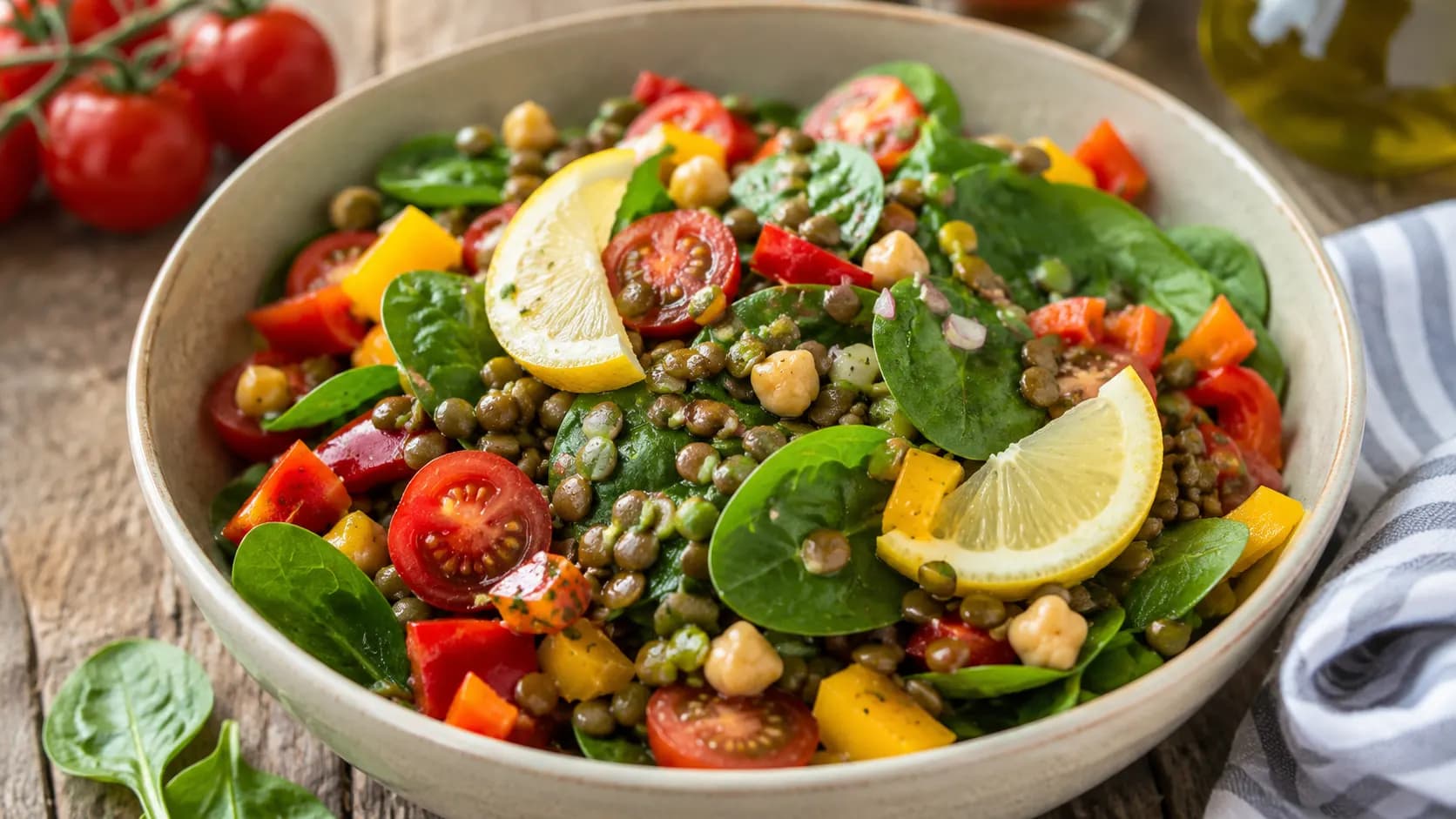
Plant based iron sources deserve more attention because many everyday meals already include them.
Lentils, chickpeas, kidney beans, black beans, and peas are practical choices. They are affordable, filling, and easy to use in curries, soups, salads, wraps, and rice bowls.
Dark leafy greens such as spinach, kale, and Swiss chard also contain iron. Spinach alone will not fix everything, but it can be a good regular habit when added to eggs, pasta, soup, or stir fry.
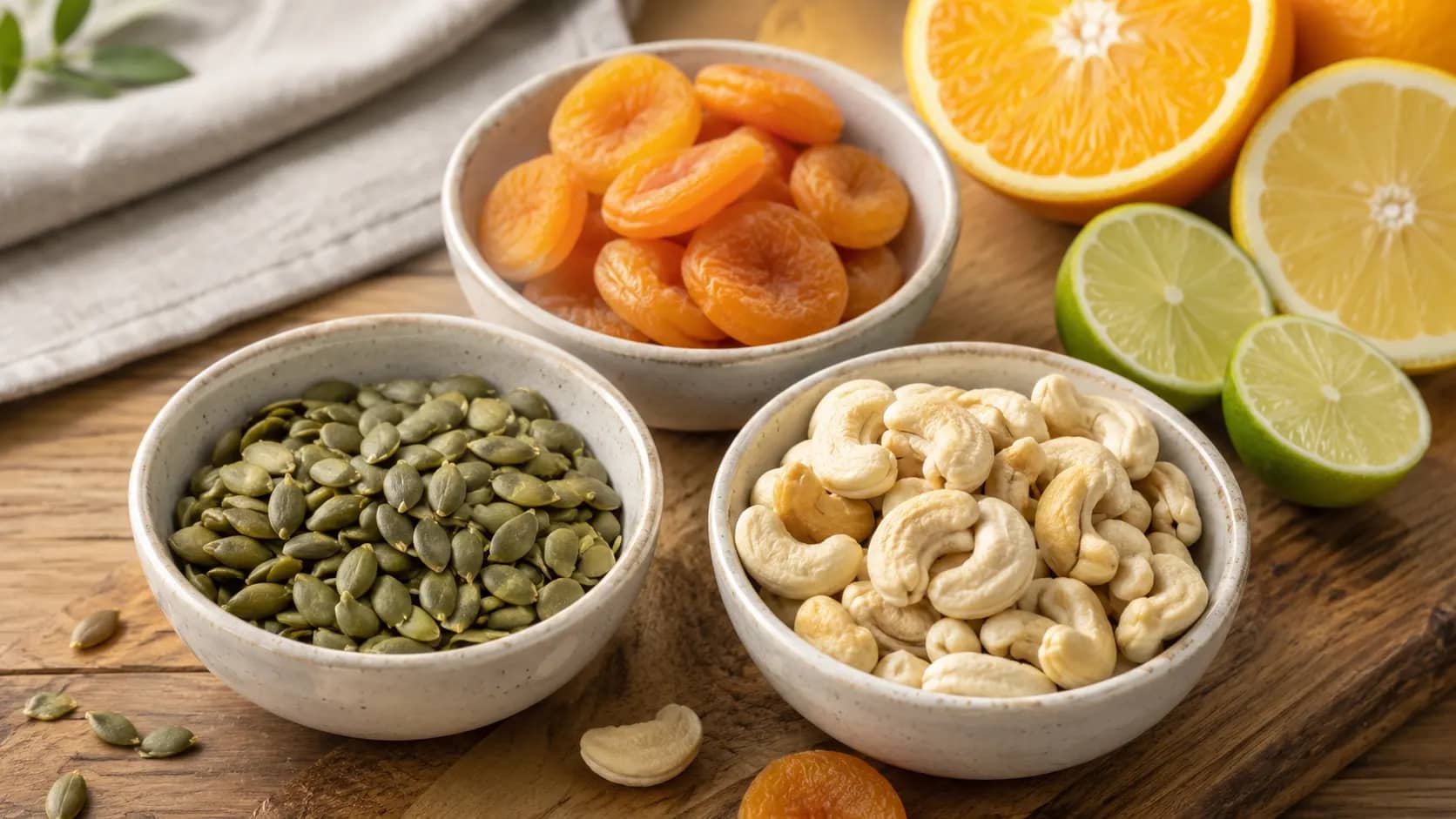
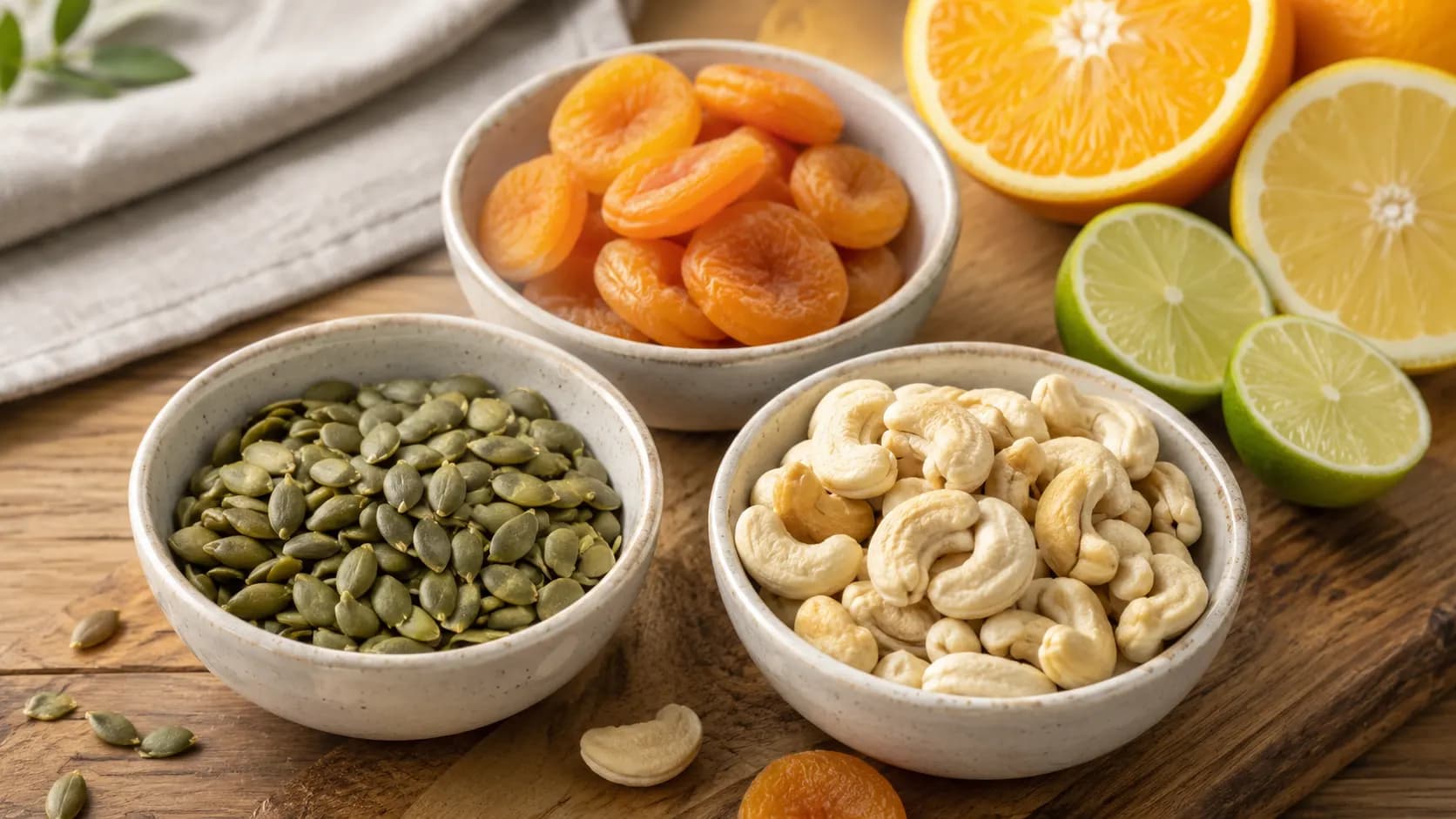
Pumpkin seeds, sesame seeds, cashews, almonds, and dried apricots can add small amounts across the day. Fortified breakfast cereals and iron fortified bread can also help, especially for people who struggle to eat enough iron through whole foods alone.
Tofu and tempeh are helpful for people who eat less meat. Add them to vegetable stir fry, noodle bowls, or curries with vitamin C rich ingredients.
Keep reading
Iron Rich Foods for People With Low Hemoglobin
The Pairing Trick That Helps Your Body Absorb More
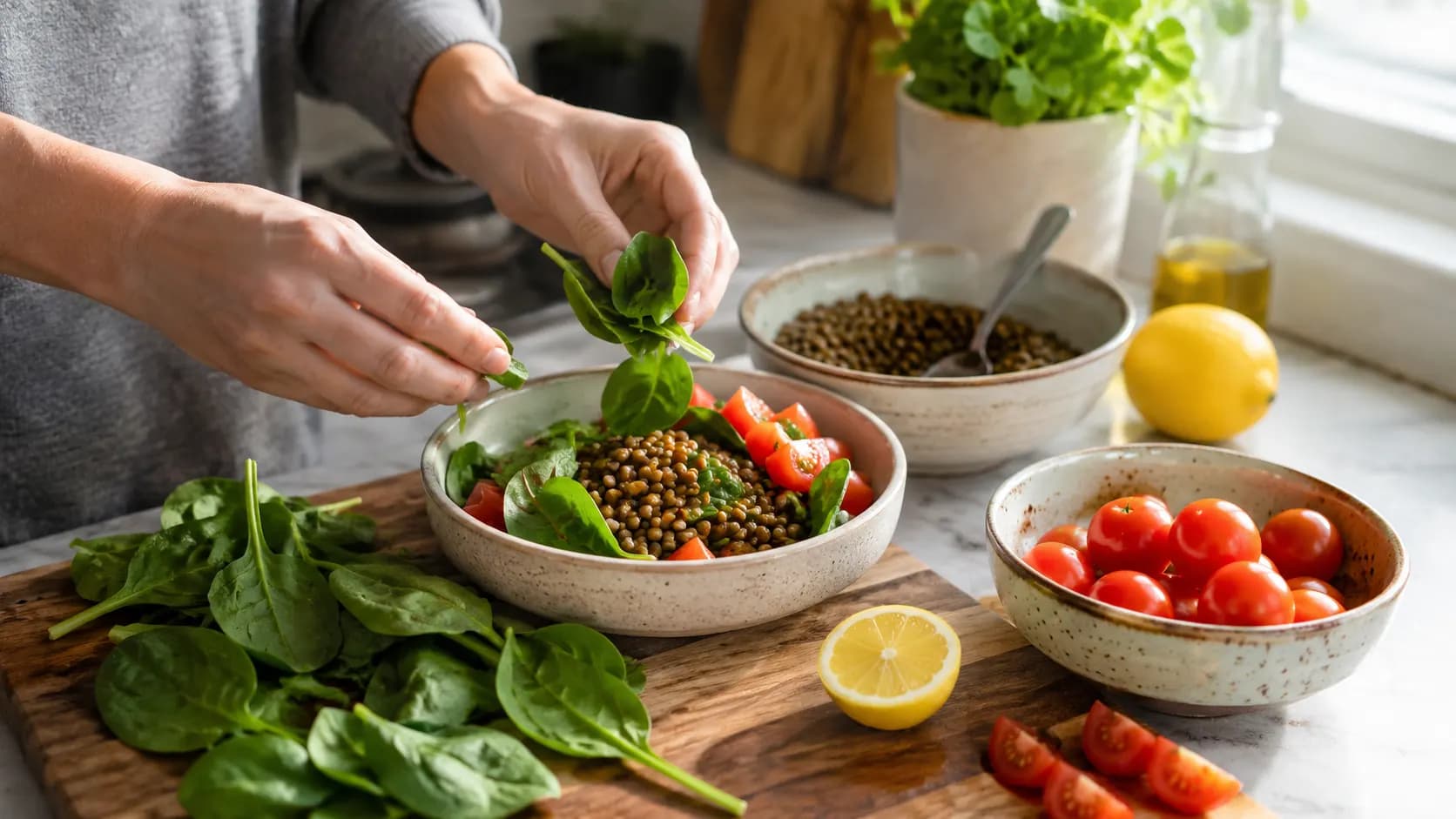
Here is the part many people miss. Eating iron rich foods is good, but absorbing that iron matters just as much.
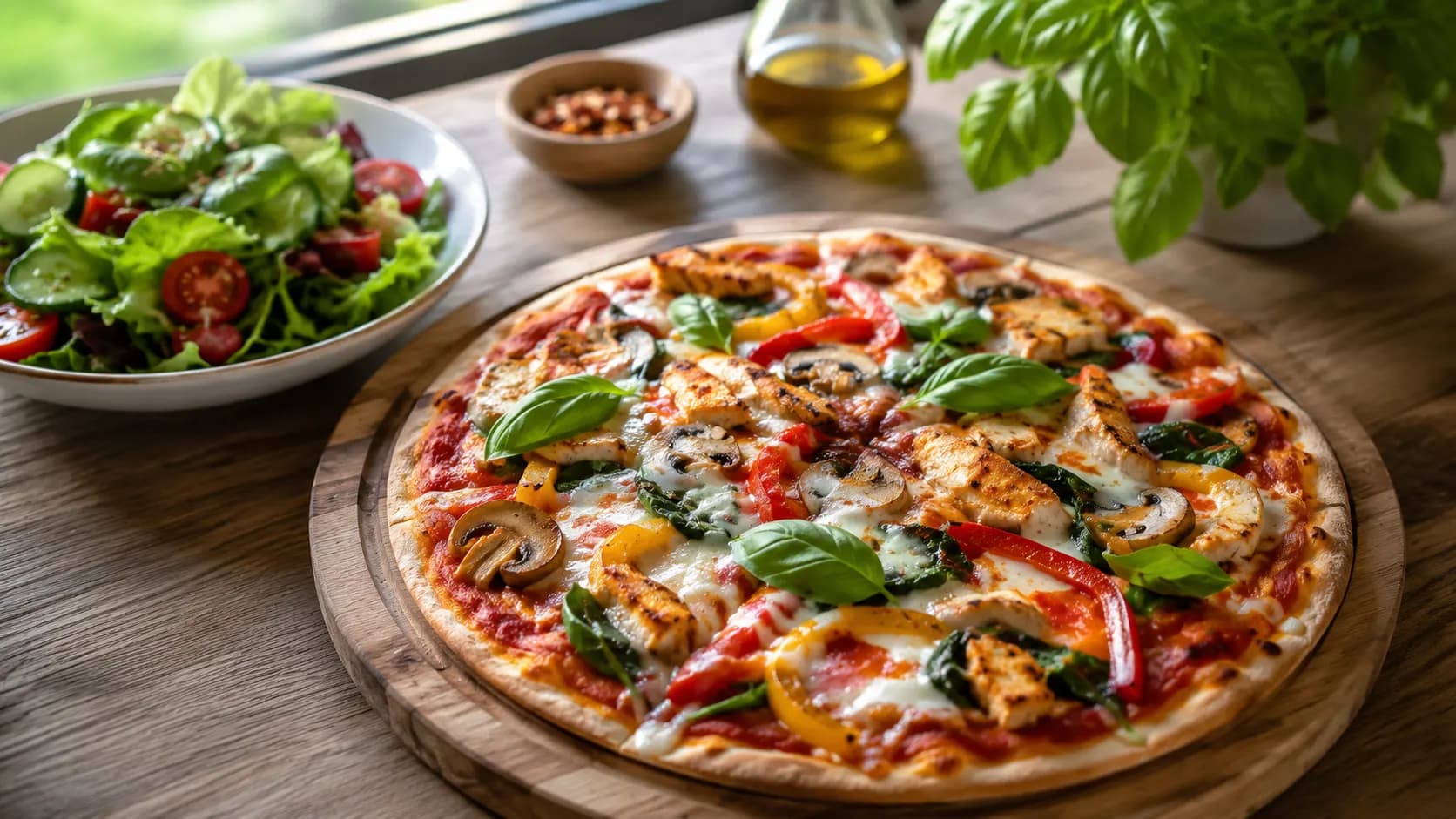
Vitamin C helps the body absorb non heme iron from plant foods. That means you can improve a meal by adding citrus, tomatoes, bell peppers, strawberries, kiwi, or a squeeze of lemon.
Think of it this way.
Lentil curry with lemon juice.
Chickpea salad with tomatoes.
Spinach omelets with bell peppers.
Fortified cereal with strawberries.
Tofu stir fry with broccoli and capsicum.
These are simple changes. They do not require a strict diet plan or expensive ingredients.
What Can Reduce Iron Absorption
Tea and coffee can reduce iron absorption when taken with meals. This matters more for people who already have low iron or rely mostly on plant based iron.
You do not have to give up tea or coffee completely. Just move them away from iron rich meals. Having tea between meals is usually a smarter habit than drinking it right beside a lentil curry or fortified breakfast.
Calcium can also compete with iron absorption when taken in large amounts at the same time. A normal mixed diet is usually fine, but if someone is taking calcium supplements, it is worth asking a doctor or dietitian how to space them.
A Simple Day of Iron Friendly Eating
Breakfast could be fortified cereal with strawberries, or eggs with tomatoes and spinach.
Lunch could be lentil soup with lemon, or chickpea salad with bell peppers and greens.
Dinner could be beef, chicken, fish, tofu, or beans with dark leafy greens and rice.
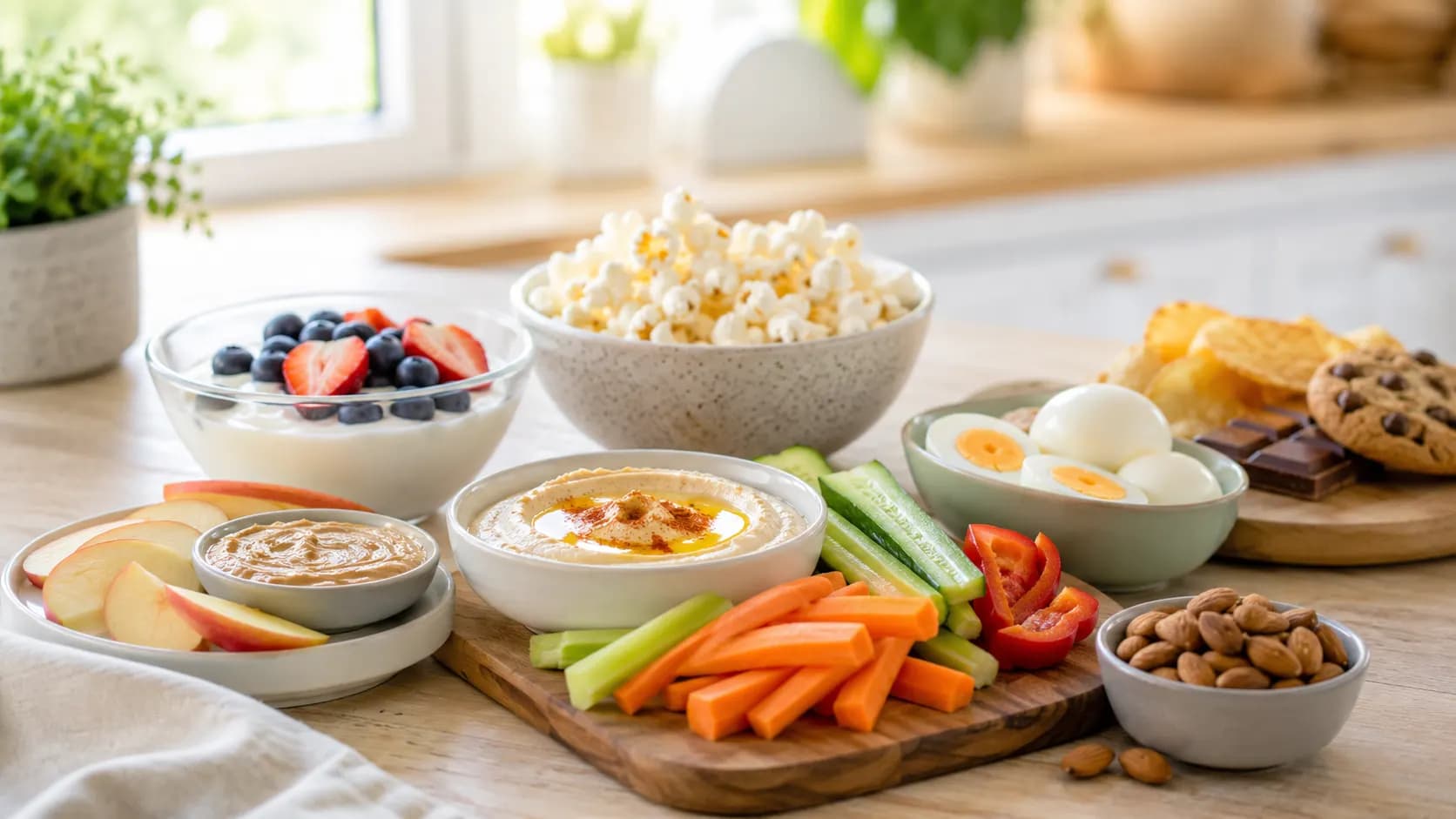
A snack could be pumpkin seeds, cashews, dried apricots, or whole grain toast with hummus.
This is not a perfect meal plan. It is just a realistic example. Real life has leftovers, quick meals, and busy mornings. The goal is not perfection. The goal is to make iron show up more often on your plate.
Related read: If your website has an article called Why You Feel Tired Even After Sleeping Enough, this topic links naturally because tiredness can come from sleep, stress, diet, low iron, and other health issues.
Reference notes
Sources and further reading
Our editorial promise
Prepared with clarity and care.
This guide completed our editorial review before publishing. If something needs attention, report a correction or contact the publisher.
About this article
- Published:
- Last updated:
- Author:
- Ceyora Editorial Team
- Review status:
- Editorially reviewed
- Sources:
- 3
- Corrections:
- Report an issue