Why Hormonal Balance Matters More Than You Think
Hormones affect more than people think. They can influence mood, hunger, sleep, skin, energy, periods, weight changes, and even how calm or irritated you feel during the day.
That does not mean every bad mood or tired morning is a hormone problem. Life is messy. Sleep, stress, work, food, and daily habits all mix together. But food does play a role in supporting healthy hormones, especially when your meals are balanced and steady.
The goal is not to follow a perfect hormonal balance diet. Most people cannot live that way for long. A better approach is to eat in a way that supports blood sugar, digestion, and overall health. When those areas improve, hormones often get better support as well.
Foods That Help Hormonal Balance
Protein rich foods are a good place to start.
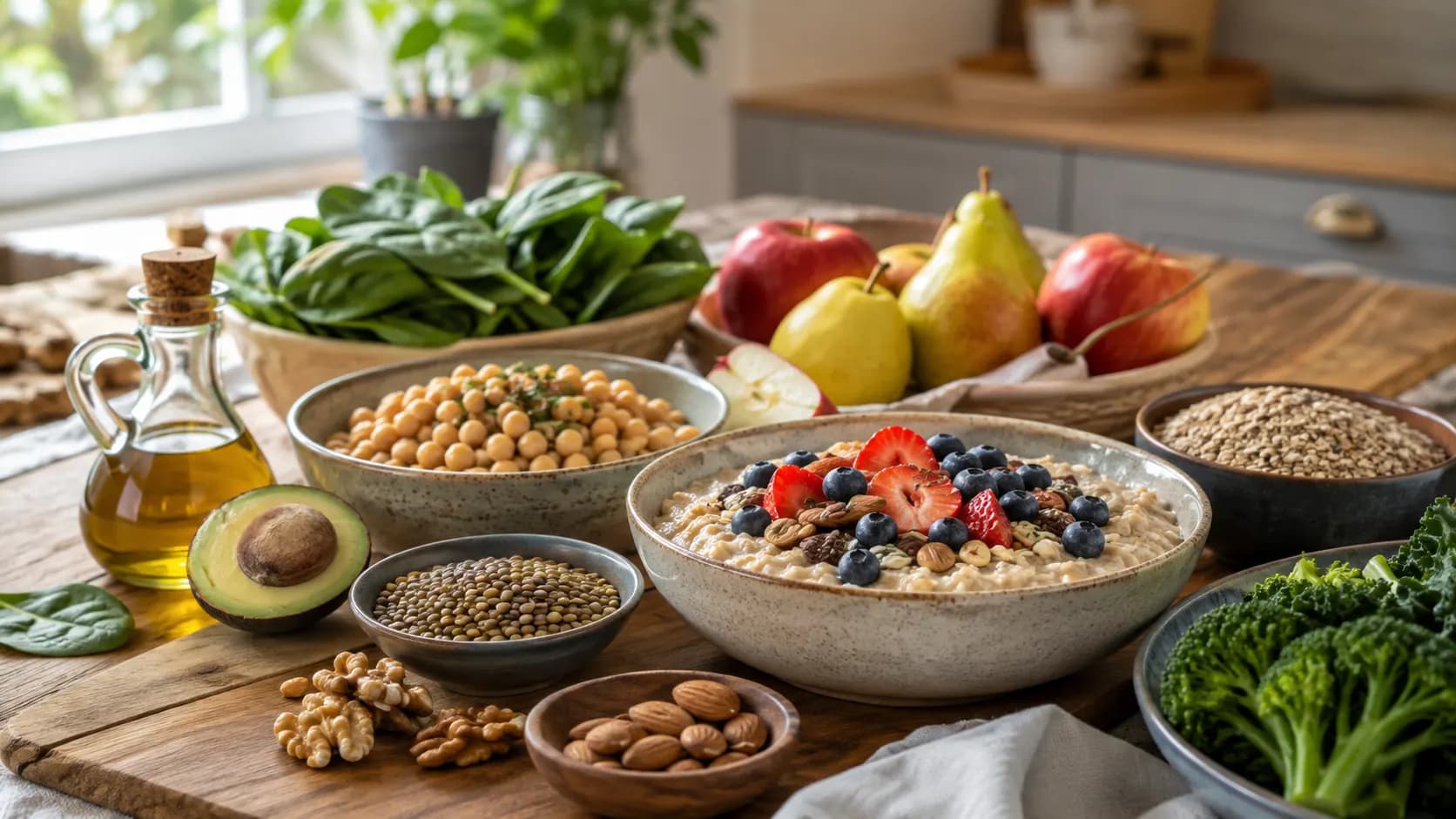
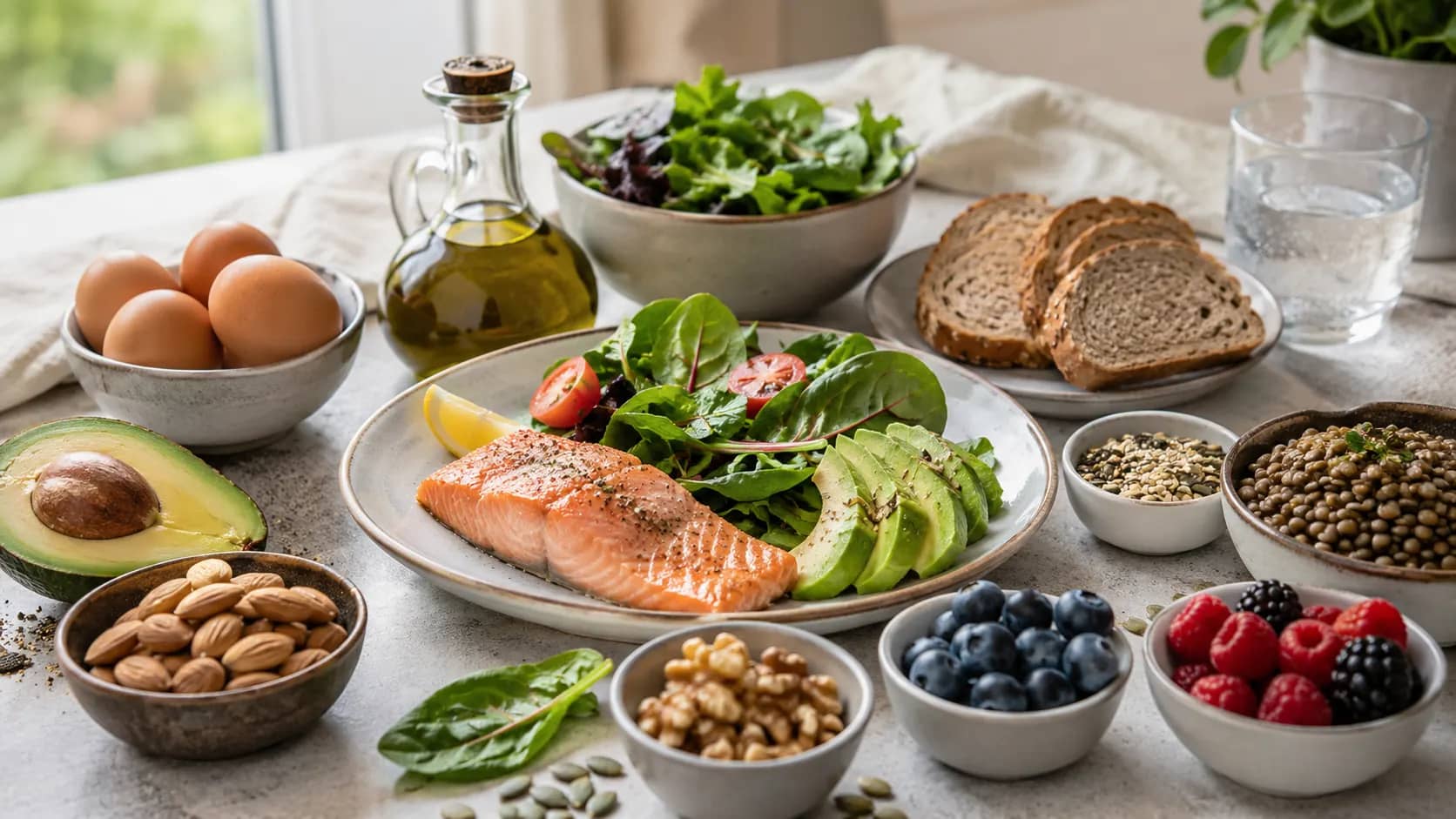
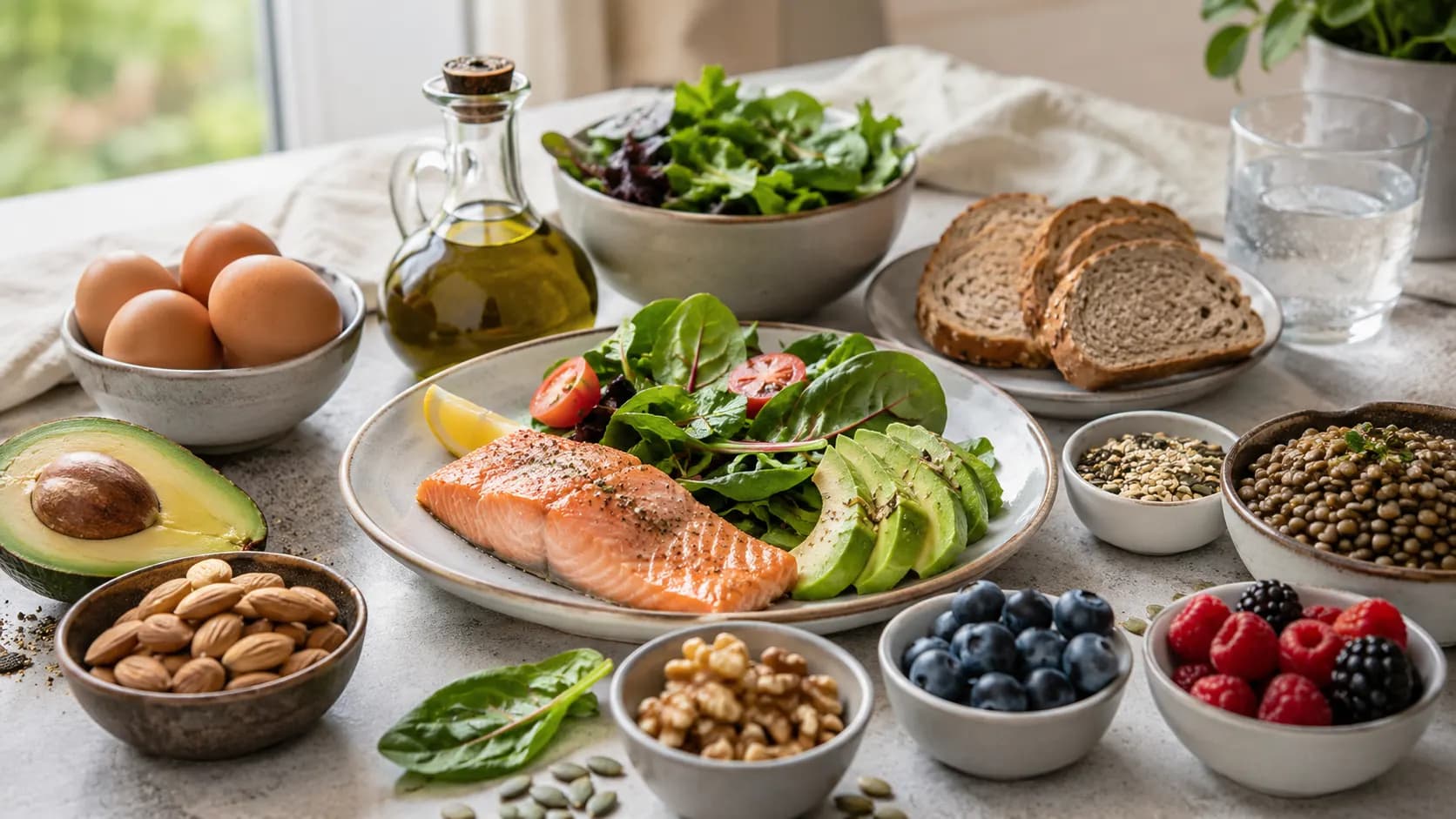
Your body needs protein to build and repair tissues, support muscles, and help produce important body chemicals. It also keeps meals more filling. When breakfast is only sweet coffee and toast, hunger often comes back fast. Add eggs, Greek yogurt, fish, chicken, beans, lentils, tofu, or cottage cheese, and the meal feels more stable.
Healthy fats matter as well. Hormones are partly made from fats, which is why very low fat diets can sometimes leave people feeling tired, hungry, or unsatisfied. Good choices include avocado, olive oil, nuts, seeds, eggs, salmon, sardines, and natural peanut butter.
Fiber rich foods are another big one. Vegetables, fruits, oats, beans, lentils, chia seeds, flaxseeds, and whole grains help digestion and support gut health. A healthy gut can help the body process and remove waste products, including used hormones. That sounds small, but it matters.
Cruciferous Vegetables
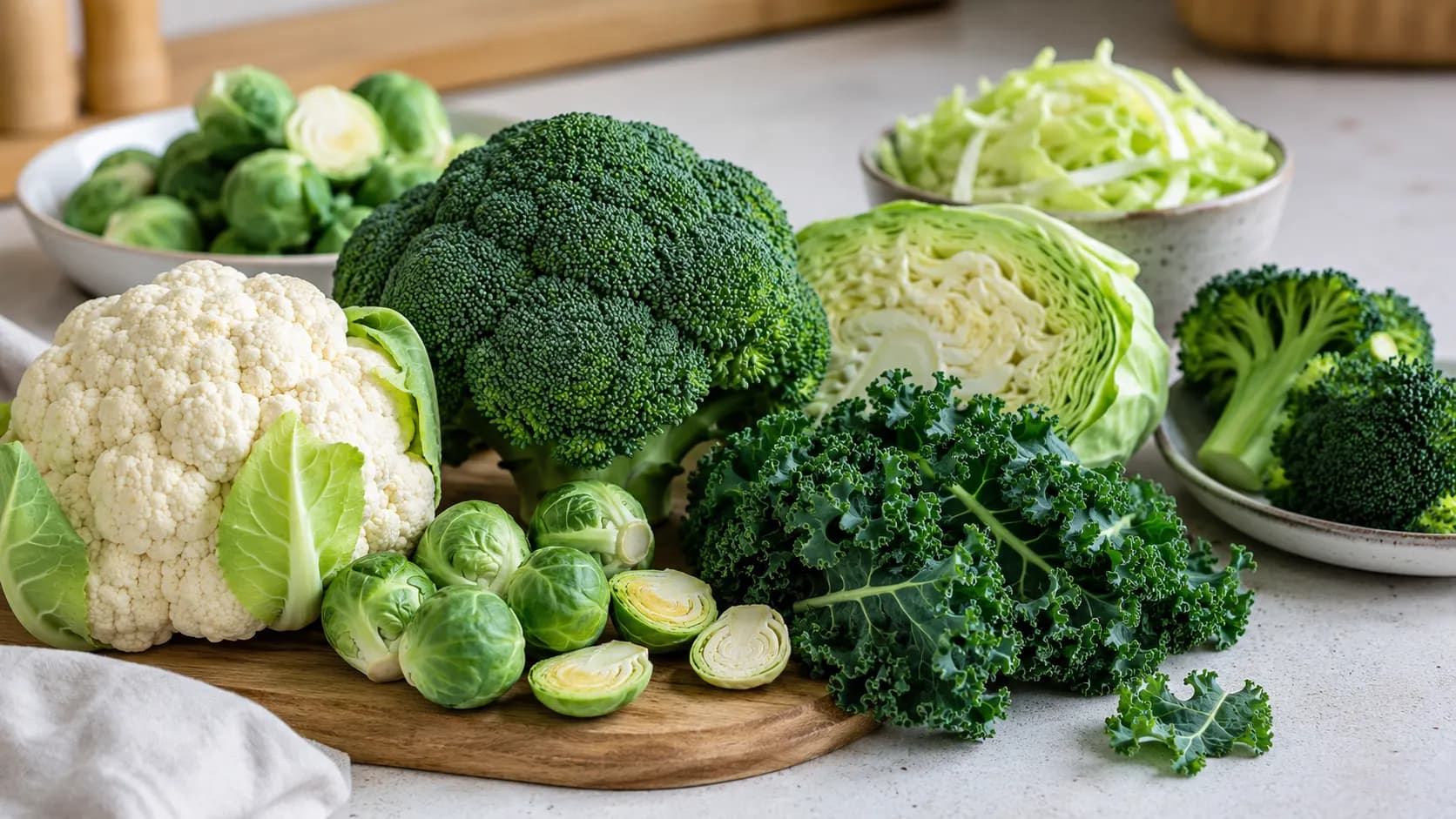
Cruciferous vegetables can be especially useful. These include broccoli, cauliflower, cabbage, kale, and Brussels sprouts. They contain natural plant compounds that support normal detox processes in the body.
You do not need to eat a mountain of broccoli. A simple side dish with dinner is enough.
Magnesium Rich Foods
Magnesium rich foods may also help with stress support and relaxation. Try pumpkin seeds, almonds, spinach, dark chocolate, black beans, and whole grains.
Many people do not think about minerals until they feel drained, but they are part of the background work your body does every day.

Keep reading
Pizza Can Be Part of a Balanced Meal If You Build It Better
Iron Rich Foods
For women, iron rich foods can be important, especially during heavy periods. Lean meat, fish, eggs, lentils, beans, spinach, and fortified cereals can help support iron intake.
Pairing plant based iron foods with vitamin C foods like oranges, strawberries, bell peppers, or tomatoes can help the body absorb iron better.
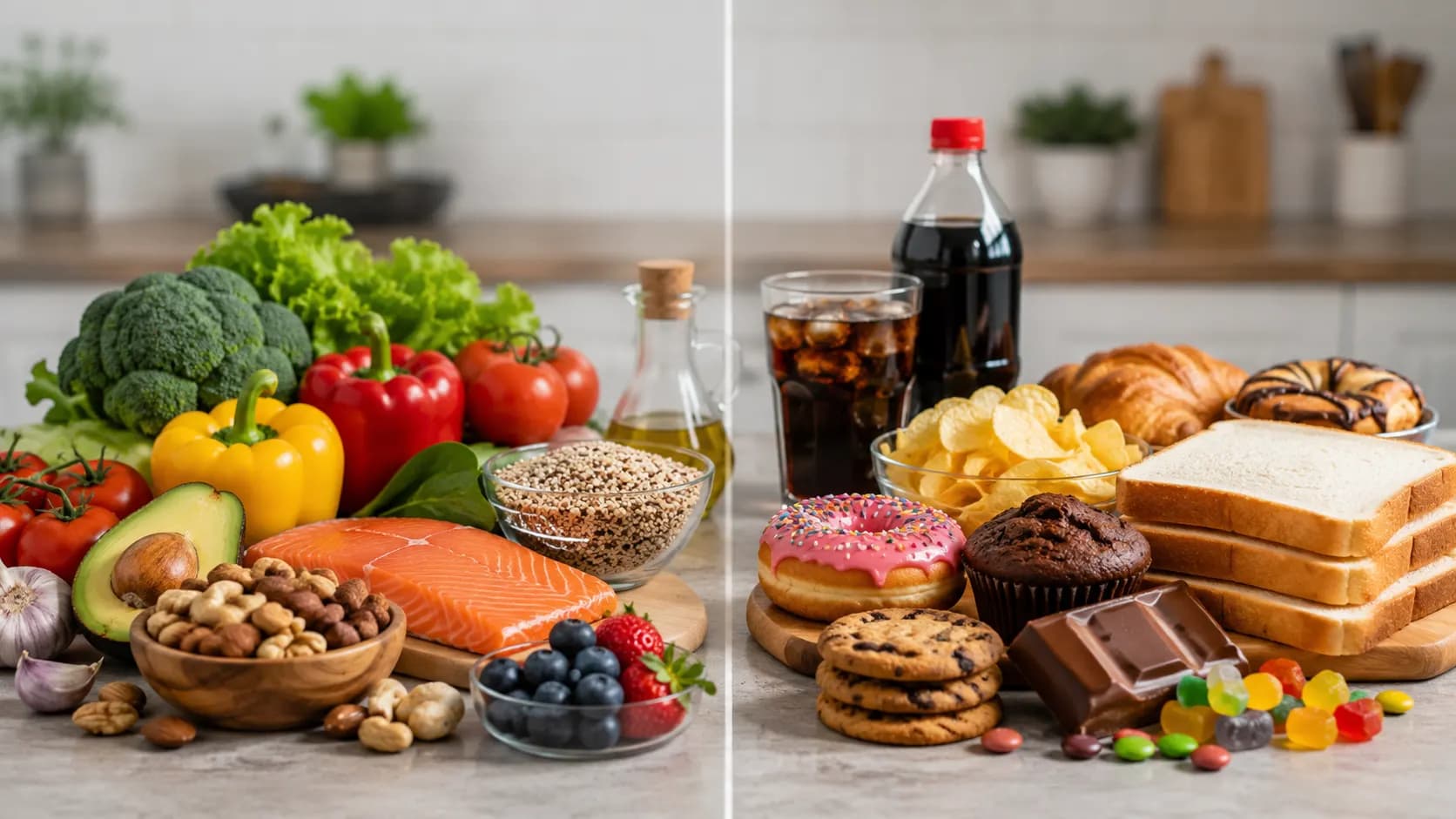
Foods to Limit for Better Hormone Support
You do not need to fear food. But some foods are better kept as occasional choices, especially if you notice energy crashes, cravings, breakouts, or mood swings.
Sugary drinks are one of the first things to limit. Soft drinks, sweetened coffees, energy drinks, and some bottled teas can raise blood sugar quickly. The crash afterward can make you feel tired and hungry again.
Highly processed snacks can also be a problem when they become a daily habit. Cookies, chips, packaged cakes, candy, and sugary cereals are easy to overeat because they are made to taste very rewarding. They usually do not give much protein or fiber, which means they do not keep you satisfied for long.
Too much refined carbohydrate can also affect energy. White bread, pastries, sweet desserts, and large portions of white pasta may leave some people feeling sleepy or hungry soon after eating. You can still enjoy them, but try not to make them the base of every meal.
Alcohol and Caffeine

Alcohol is another one to watch. Regular drinking can affect sleep, liver function, appetite, and mood. Even small amounts can disturb sleep quality for some people.
Caffeine is not bad for everyone, but timing matters. Drinking coffee late in the day may affect sleep, and poor sleep can make hormone related symptoms feel worse. If you feel anxious, shaky, or unable to sleep well, your caffeine habit may be worth checking.
Reference notes
Sources and further reading
- Endocrine (opens in a new tab)https://www.endocrine.org/patient-engagement/endocrine-library/hormones-and-endocrine-function
- Nutritionsource Hsph Harvard (opens in a new tab)https://nutritionsource.hsph.harvard.edu/healthy-eating-plate/
- Nutritionsource Hsph Harvard (opens in a new tab)https://nutritionsource.hsph.harvard.edu/carbohydrates/carbohydrates-and-blood-sugar/
Our editorial promise
Prepared with clarity and care.
This guide completed our editorial review before publishing. If something needs attention, report a correction or contact the publisher.
About this article
- Published:
- Last updated:
- Author:
- Ceyora Editorial Team
- Review status:
- Editorially reviewed
- Sources:
- 3
- Corrections:
- Report an issue