
Walk through a supermarket and it can feel as if half the shelves have suddenly become suspicious. Breakfast cereal, flavored yogurt, packaged bread, protein bars, frozen meals and plant based drinks may all be described as ultra processed.
That sounds simple. Ultra processed equals unhealthy.
The reality is more complicated.
Researchers have found good reasons to be concerned about diets that contain large amounts of ultra processed food. But putting every food carrying that label into the same health category can hide some important differences.
What Does Ultra Processed Actually Mean?
Most discussions about ultra processed food refer to systems that classify foods according to how they are made and the ingredients they contain.
Ultra processed products often contain ingredients rarely used in a home kitchen, such as certain emulsifiers, flavorings, colors, modified starches or other substances used to change texture, taste or shelf life.
Yet even the definition is still being debated. The FDA and USDA have been working toward a uniform United States definition of ultra processed foods, and the FDA has said important questions remain about how and why these foods may affect health.
That matters because processing itself covers a huge range.
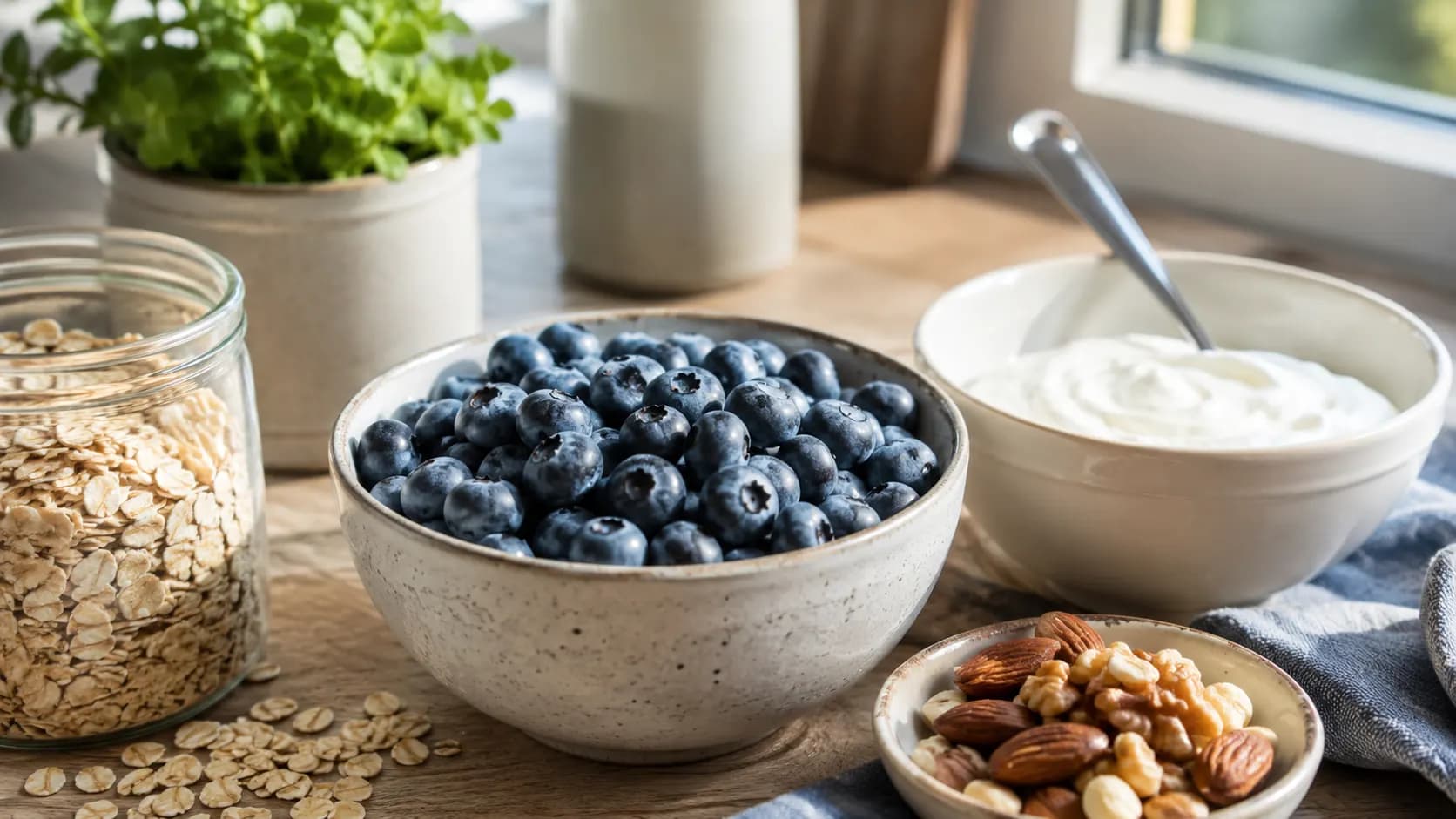
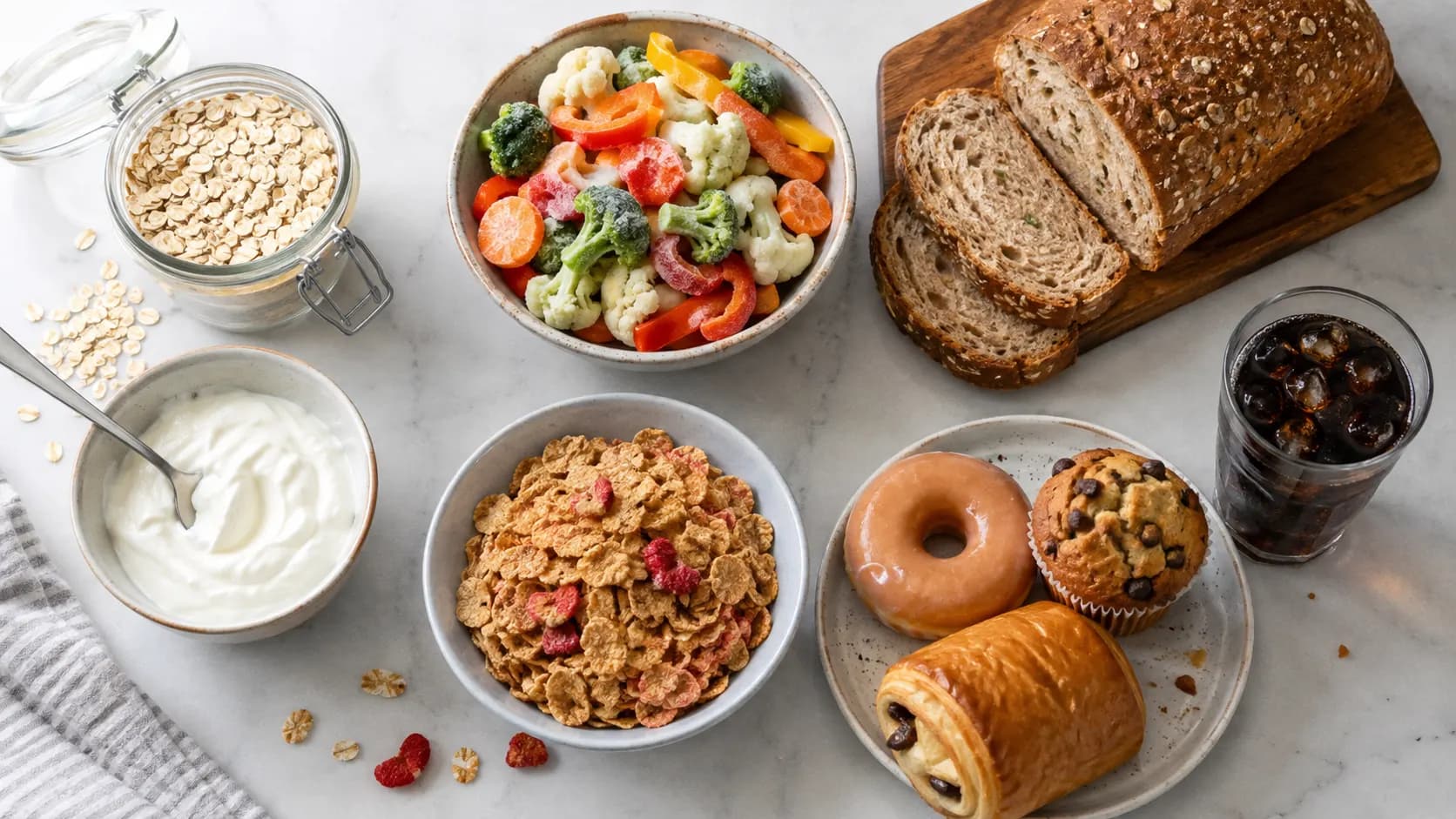
Cooking oats is processing. Freezing vegetables is processing. Turning milk into yogurt involves processing. None of those actions automatically makes a food nutritionally poor.
Why Are Researchers Concerned About Ultra Processed Foods?
There is real evidence behind the concern.
In a controlled NIH study, 20 adults were given an ultra processed diet and an unprocessed diet during separate two week periods. When eating the ultra processed meals, participants consumed around 500 more calories per day and gained weight. They lost weight during the unprocessed phase.
Large observational studies have also linked higher consumption of ultra processed foods with outcomes including cardiovascular disease, type 2 diabetes and higher mortality risk.
That is enough evidence to take the subject seriously.
It does not mean one packaged snack causes heart disease. It means a dietary pattern heavily built around these foods deserves attention.
The Label Does Not Tell You Everything

Keep reading
What Happens When You Eat More Protein but Not Fiber?

Here is where the conversation becomes more interesting.
Researchers examining different types of ultra processed foods have found that they do not always show identical associations with health. In one large analysis, sugary and artificially sweetened drinks and processed meats were linked with higher cardiovascular risk, while some other categories showed different patterns.
This does not prove that every packaged bread or yogurt is protective. It shows why treating hundreds of very different foods as if they were nutritionally identical can be misleading.
Imagine two breakfasts.
One is a sweet drink and a packet of frosted pastries. Another is whole grain packaged bread with eggs, fruit and plain yogurt.
Some classification systems may place parts of both meals under the broad ultra processed umbrella. Nutritionally, however, they are clearly not the same breakfast.
What Should You Look at Instead?
Processing can be one clue, but it should not be your only clue.
Look at the whole food. Does it provide fiber, protein, whole grains, fruit, vegetables or useful nutrients? Is it very high in added sugar, sodium or saturated fat? Does it help you build a balanced meal, or does it mainly make it easy to eat large amounts without feeling satisfied?
The wider diet matters as well. A person who occasionally eats packaged crackers alongside vegetables, beans, fruit and home cooked meals has a very different eating pattern from someone whose meals are dominated by soft drinks, sweets, processed meats and packaged snacks.
Healthy eating guidance still strongly favors vegetables, fruits, legumes, nuts and whole grains as regular parts of the diet.

Reference notes
Sources and further reading
Our editorial promise
Prepared with clarity and care.
This guide completed our editorial review before publishing. If something needs attention, report a correction or contact the publisher.
About this article
- Published:
- Last updated:
- Author:
- Ceyora Editorial Team
- Review status:
- Editorially reviewed
- Sources:
- 3
- Corrections:
- Report an issue