
Why This Daily Mood Pattern May Not Be Random
You may begin the day feeling focused and fairly positive. Then a certain hour arrives, and your mood suddenly changes. You feel irritated, unmotivated, anxious, or strangely low, even when nothing upsetting has happened.
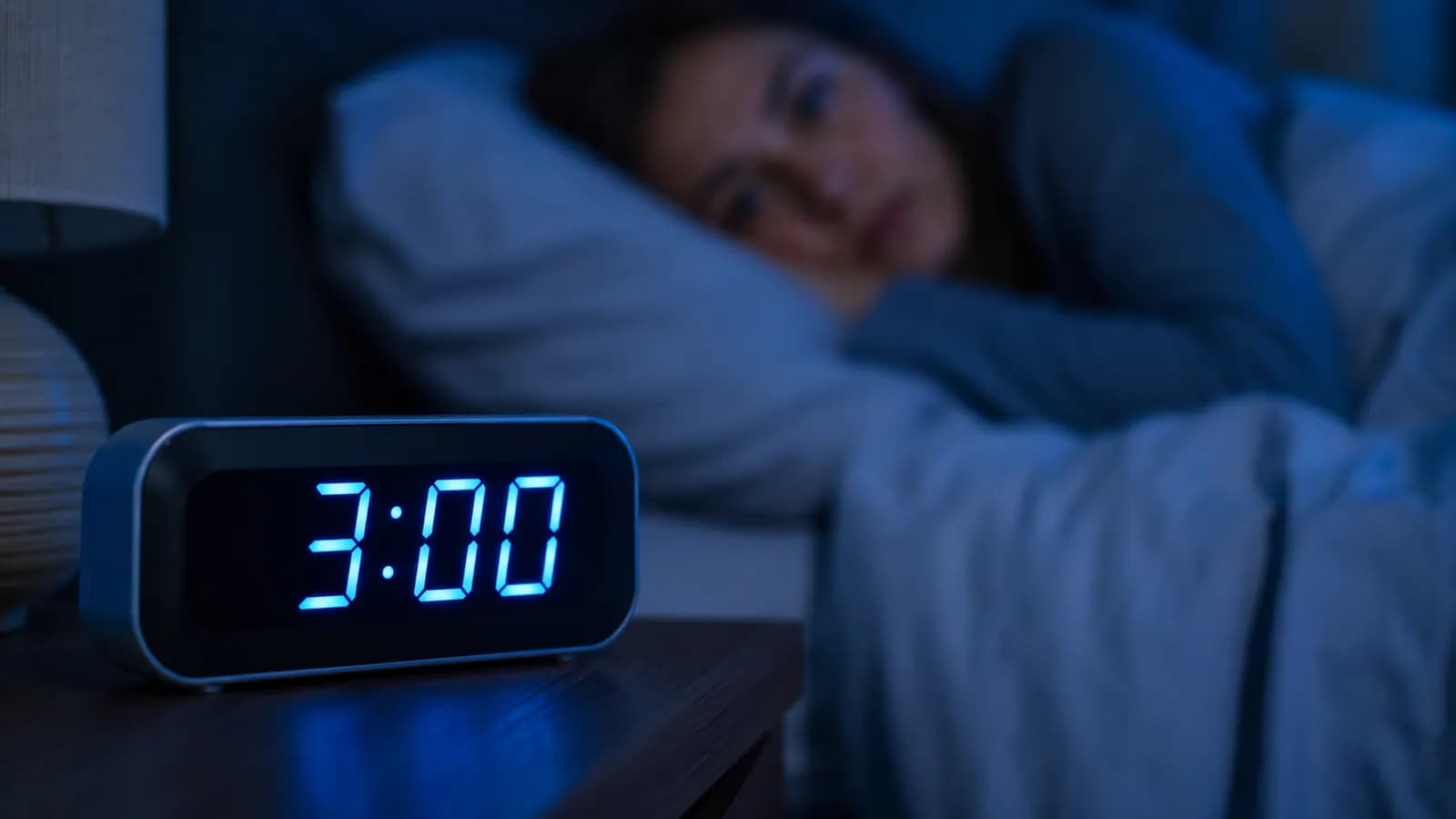
For some people, it happens in the middle of the afternoon. For others, it appears after sunset or just before bed. When the timing is almost the same each day, it may not be random. Your sleep, daily routine, eating habits, stress levels, and internal body clock can all influence how you feel at different times.
Understanding the pattern can help you respond to it instead of blaming yourself.
Your Body Follows a Daily Rhythm
The body runs on an internal 24 hour clock called the circadian rhythm. It helps control sleep, alertness, hormone release, body temperature, and other important functions. Research also suggests that circadian rhythms and mood are closely connected.
This means your energy and emotions may naturally rise and fall during the day. You are not designed to feel equally alert from morning until night.
An afternoon dip is common. After several hours of work, decisions, messages, and responsibilities, your brain may simply be running low on energy. A small problem that felt manageable at 10 a.m. can feel much heavier at 4 p.m.
Poor Sleep Can Appear as a Mood Problem

A lack of quality sleep does not always make you fall asleep at your desk. Sometimes it appears as irritability, low patience, poor concentration, or a strong desire to avoid people.
You might feel fine in the morning because your body is pushing you through the first part of the day. Later, that tiredness catches up with you. The same emotional crash then appears around the same hour.
Good sleep plays an important role in emotional wellbeing, while inadequate sleep has been linked with greater mental distress.
Look beyond the number of hours you spend in bed. Waking frequently, using screens late at night, drinking caffeine late in the day, or following an irregular sleep schedule may reduce sleep quality.
Your Meals May be Part of The Pattern
Mood changes can sometimes happen when you have gone several hours without eating. A lunch made mostly from refined carbohydrates may also leave you hungry again fairly quickly.

Keep reading
How to Manage Everyday Stress Without Burning Out
Imagine having a sweet drink and a pastry for lunch. It feels satisfying at first. A few hours later, you feel tired, impatient, and unable to focus. You may think work is causing the bad mood when hunger and low energy are playing a part.
Reactive hypoglycemia, which involves blood glucose falling after a meal, can occur within several hours of eating. However, not every afternoon mood dip is caused by low blood glucose, and self diagnosis is not a good idea.
Try meals that include protein, vegetables, fiber rich carbohydrates, and healthy fats. Also remember to drink water. Mild dehydration can make an already tiring day feel worse.
Caffeine Can Hide Tiredness for a While
Morning coffee may help you feel alert, but caffeine does not replace rest. When its noticeable effect fades, the tiredness underneath can become easier to feel.
Some people then drink another coffee late in the afternoon. That may help briefly, yet it can interfere with sleep later, creating the same problem again the following day. Caffeine can remain active for several hours and may disturb sleep in sensitive people.
Pay attention to when you drink coffee, tea, cola, and energy drinks. The timing may matter as much as the amount.
Your Routine May Carry an Emotional Trigger
Not every repeated mood change begins inside the body. Sometimes a certain part of the day has quietly become linked with stress.
Perhaps late afternoon is when unfinished work becomes obvious. Maybe evenings feel lonely after a busy day. Parents may feel overwhelmed during homework, dinner, and bedtime. Someone working from home may notice their mood falling when the house becomes quiet.
The trigger can be ordinary and still have a real emotional effect.
Ask yourself what usually happens during the hour before the mood drop. Look at tasks, people, places, thoughts, hunger, and screen use. The answer may be more practical than expected.

Reference notes
Sources and further reading
- CDC (opens in a new tab)https://www.cdc.gov/sleep/about/index.html
- CDC (opens in a new tab)https://www.cdc.gov/pcd/issues/2021/20_0573.htm
- NHS (opens in a new tab)https://www.nhs.uk/every-mind-matters/mental-wellbeing-tips/how-to-fall-asleep-faster-and-sleep-better/
Show all 6 sources
- NHS (opens in a new tab)https://www.nhs.uk/conditions/insomnia/
- Mayo Clinic (opens in a new tab)https://www.mayoclinic.org/diseases-conditions/diabetes/expert-answers/reactive-hypoglycemia/faq-20057778
- Mayo Clinic (opens in a new tab)https://www.mayoclinic.org/diseases-conditions/hypoglycemia/symptoms-causes/syc-20373685
Our editorial promise
Prepared with clarity and care.
This guide completed our editorial review before publishing. If something needs attention, report a correction or contact the publisher.
About this article
- Published:
- Last updated:
- Author:
- Ceyora Editorial Team
- Review status:
- Editorially reviewed
- Sources:
- 6
- Corrections:
- Report an issue