
Why You Wake Up at 3 AM and Can’t Sleep Again
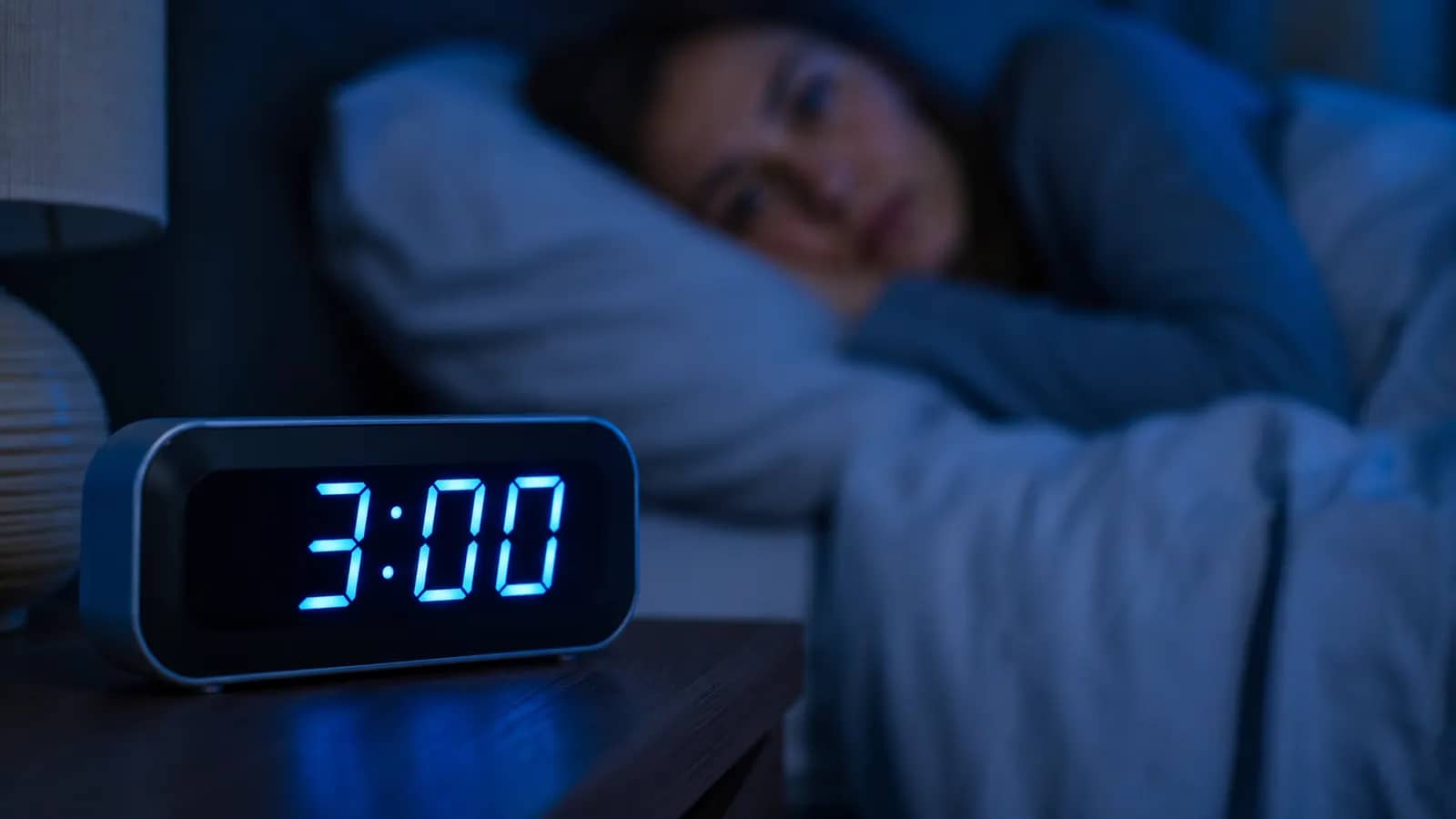
Waking up at 3 AM feels strangely personal, doesn’t it?
You open your eyes, the room is quiet, everyone else seems asleep, and suddenly your brain starts acting like it has an important meeting. Random thoughts come in. Things you forgot to do. Money worries. Something someone said last week. Even worse, you check the time and think, “Great. Now I only have a few hours left.”
That thought alone can keep you awake.
Waking up during the night is actually normal. Most people wake up briefly between sleep cycles, but they fall back asleep without remembering it. The problem starts when your body wakes up and your mind fully joins the party.
Why 3 AM Feels So Common
Around the early morning hours, your sleep becomes lighter. Deep sleep usually happens more in the first part of the night. Later, your body moves into lighter sleep and dream sleep. That means you are easier to wake.
If you are stressed, overheated, hungry, uncomfortable, or full of caffeine from earlier, this light sleep can break easily. Then your brain notices. And once your brain notices, it may start searching for problems.
That is why 3 AM wake ups often feel emotional. Small worries feel bigger at night because there are no distractions. No phone calls. No work. No noise. Just you and your thoughts.
Stress Is a Big Reason

Stress does not always look dramatic. Sometimes it is quiet. You go through the day looking normal, but your body stays alert underneath.
When your stress levels are high, your body may release stress hormones at the wrong time. Instead of staying relaxed, your system becomes active. Your heart may beat a little faster. Your mind may feel sharp. You may even feel slightly anxious for no clear reason.
This is why some people wake up suddenly and feel wide awake, even though they are tired.
Blood Sugar Can Play a Part
Some people wake up in the middle of the night because their blood sugar drops. This can happen if you ate very little for dinner, drank alcohol, had too much sugar before bed, or went to sleep after a long gap without food.
When blood sugar dips, the body may release hormones to bring it back up. That can wake you. You may not feel hungry, but your body may still be reacting.
A heavy dinner can also disturb sleep. Your body is busy digesting when it should be resting. Spicy food, greasy meals, and late night snacking can make this worse for some people.
Caffeine and Screens Are Sneaky

Caffeine does not leave the body quickly. Even coffee or strong tea in the afternoon can affect sleep later at night, especially if you are sensitive to it.
Screens can also make it harder. Not only because of light, but because of stimulation. Scrolling before bed gives your brain new things to process. News, reels, comments, messages, comparisons. Your mind may look calm, but inside it is still switched on.
Then at 3 AM, it wakes up again.
The Clock Makes It Worse

Keep reading
How to Manage Everyday Stress Without Burning Out
One of the worst things to do after waking up is checking the time again and again. It creates pressure.
You start calculating sleep.
“If I sleep now, I get four hours.”
“Now three and a half.”
“Tomorrow I will be useless.”
This creates sleep anxiety. Your body hears danger, not rest. Even if the danger is only a clock.
What You Can Do When You Wake Up
First, do not panic. Tell yourself, “This is normal. My body can rest even if I am awake for a while.”
Keep the lights low. Do not open social media. Do not start solving life problems at 3 AM. If you cannot sleep after around 20 minutes, get out of bed and do something boring and calm. Read a few pages of a simple book. Sit quietly. Breathe slowly. Keep it dull.
When you feel sleepy again, return to bed.
Try not to force sleep. Sleep does not like pressure. It comes better when you stop chasing it.
Simple Habits That May Help

Have a regular sleep and wake time as much as possible.
Avoid caffeine late in the day.
Keep your bedroom cool and dark.
Eat a balanced dinner, not too heavy and not too tiny.
Write down tomorrow’s worries before bed, not at 3 AM.
Reduce intense phone use before sleeping.
These are small things, but they add up. Sleep is not only about bedtime. It is affected by the whole day.
Reference notes
Sources and further reading
Our editorial promise
Prepared with clarity and care.
This guide completed our editorial review before publishing. If something needs attention, report a correction or contact the publisher.
About this article
- Published:
- Last updated:
- Author:
- Ceyora Editorial Team
- Review status:
- Editorially reviewed
- Sources:
- 2
- Corrections:
- Report an issue