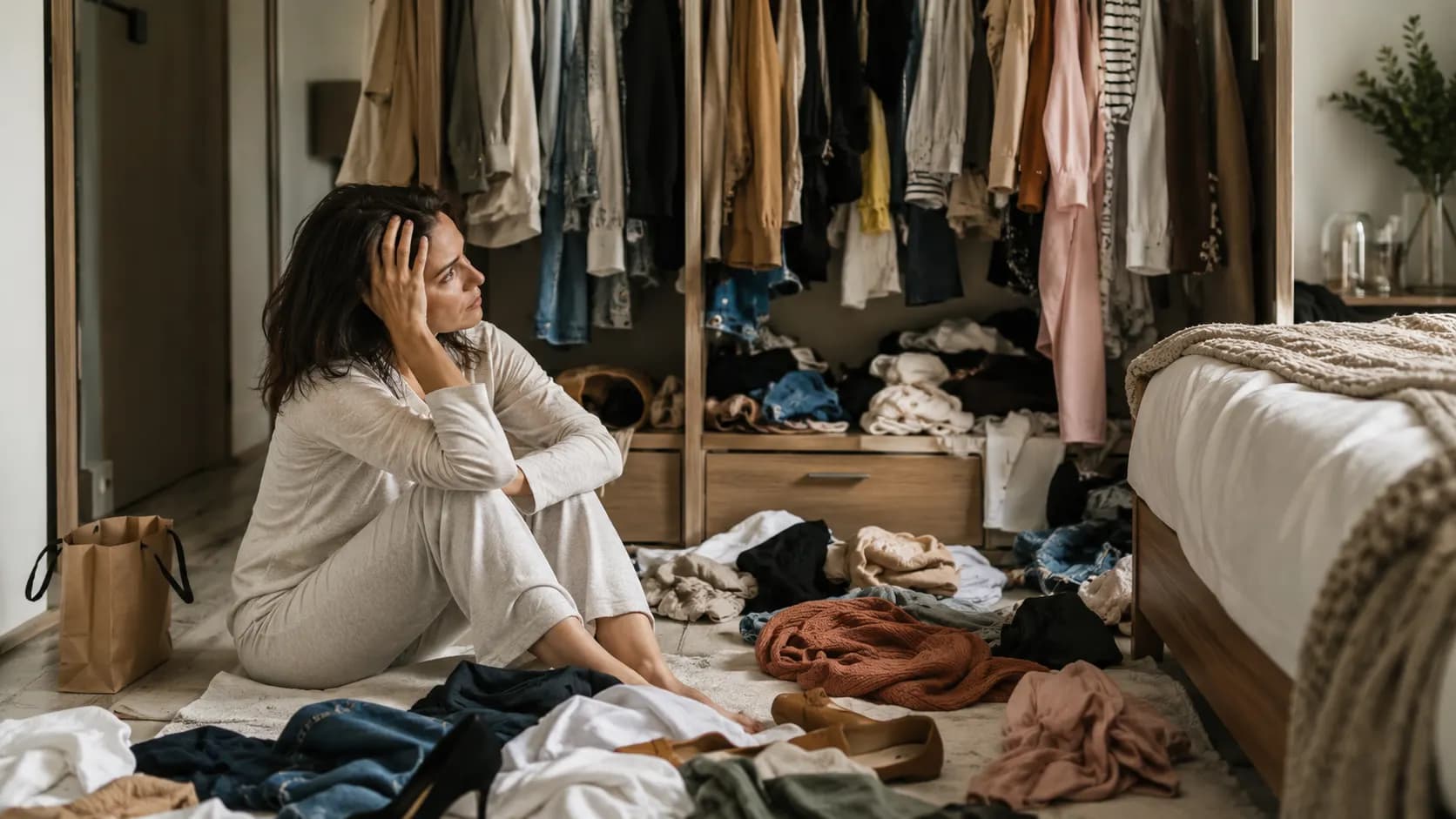
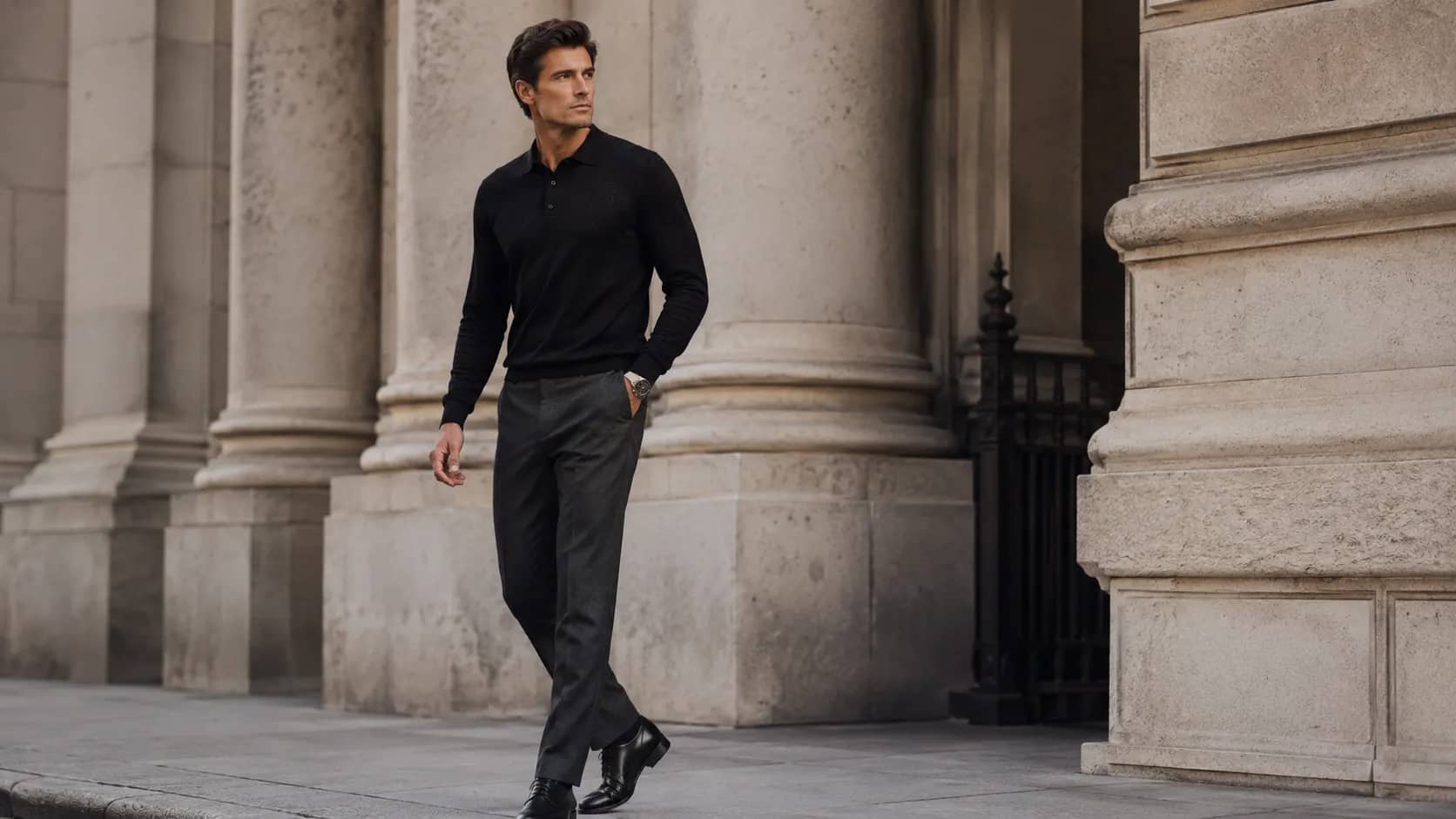
Some outfits look polished before you have any idea what they cost. The trousers might be from a budget retailer. The shirt may be several seasons old. The shoes may have no recognizable logo at all. Yet everything somehow looks considered.
Then there is the opposite situation: expensive pieces are worn together, but the outfit still feels unfinished. The difference is often not the price tag.
Fit, proportion, fabric appearance, colour, maintenance and styling details can influence how refined clothing looks far more than a visible brand name. That is useful, because most of those things can be improved without rebuilding your wardrobe.
Fit Is Usually the First Thing You Notice
A relatively inexpensive jacket that fits beautifully can look more refined than a costly one that pulls across the shoulders, bunches at the waist or hangs awkwardly.
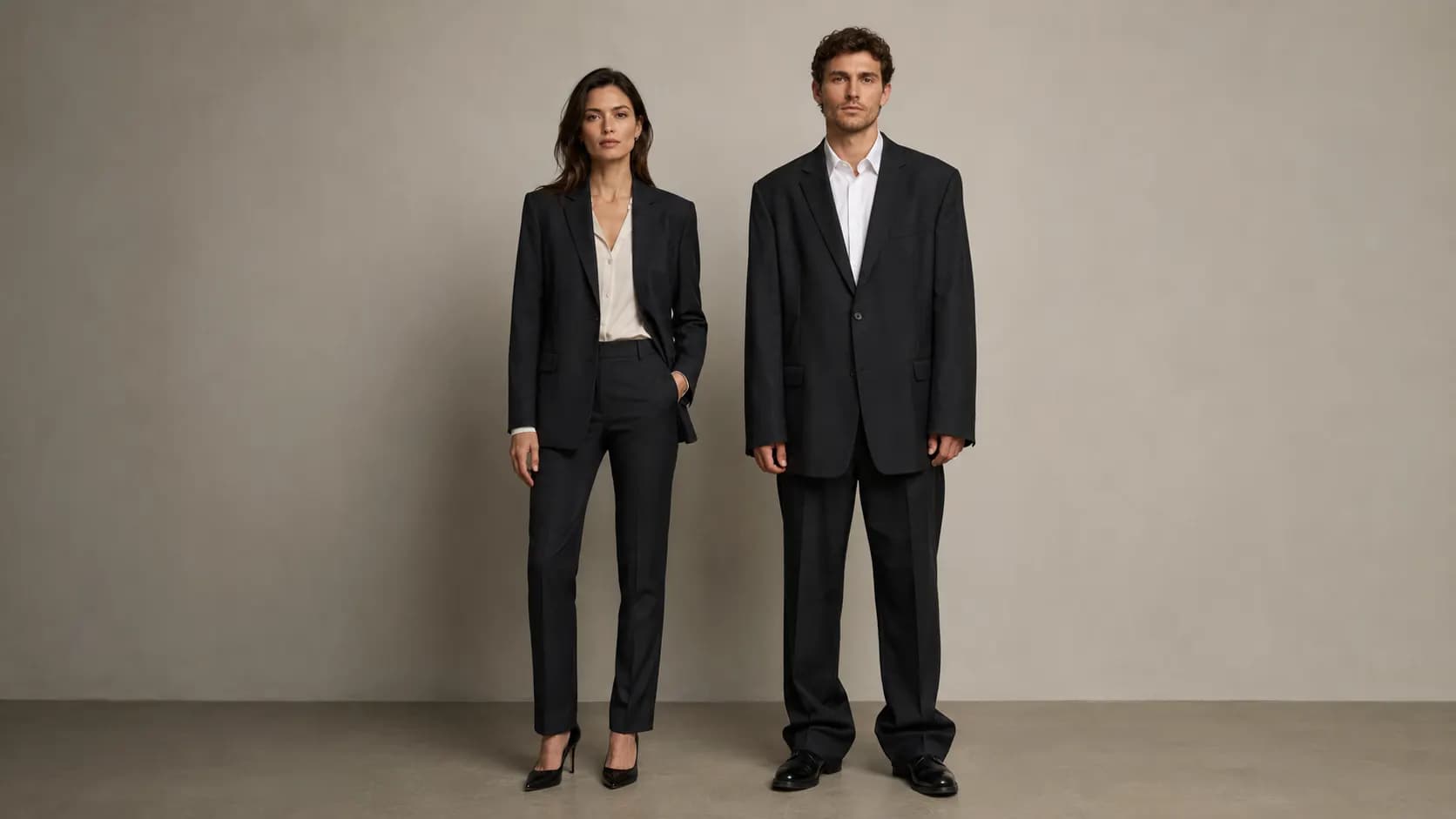
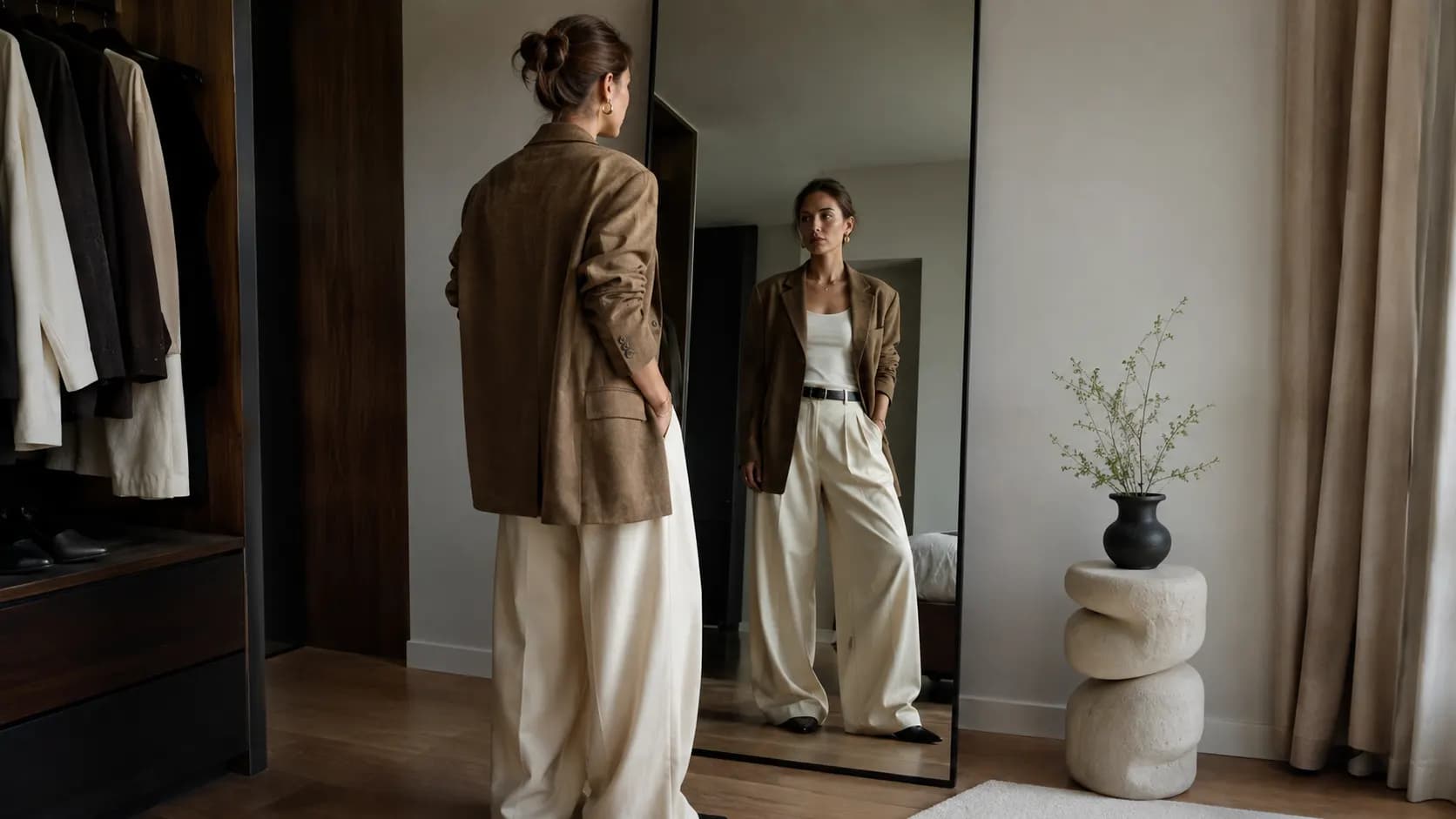
That does not mean every garment should be tight or traditionally tailored. Oversized clothing can look sophisticated too. The difference is whether the volume appears deliberate.
An oversized blazer can work when the shoulders, sleeve length, trousers and shoes support the silhouette. If every item simply looks several sizes too large, the result can feel accidental rather than intentional.
Small alterations can therefore be more valuable than buying something new. Shortening trousers, correcting sleeve length or adjusting a waistband can completely change how a familiar garment sits on the body.
Fabric Changes How an Outfit Falls
People often associate expensive clothing with luxury fabrics, but a polished look does not require cashmere, silk or fine wool.
What matters visually is how the material behaves. Does it drape cleanly? Does it hold its shape? Is it badly wrinkled, stretched, shiny from wear or covered in pilling?
A simple cotton shirt that is clean and pressed can look more refined than an expensive garment that has lost its shape. Very thin fabrics can sometimes reveal pocket linings, underwear or seams in distracting ways, while highly reflective synthetics may behave differently under bright light than they did in the fitting room.
Affordable fabrics are not automatically poor. The key is finding materials that behave well in the particular garment and keeping them in good condition.
Five Minutes of Care Can Change the Whole Outfit
One of the cheapest style upgrades happens before you get dressed. Look closely at the clothes instead of only thinking about the outfit from a distance.
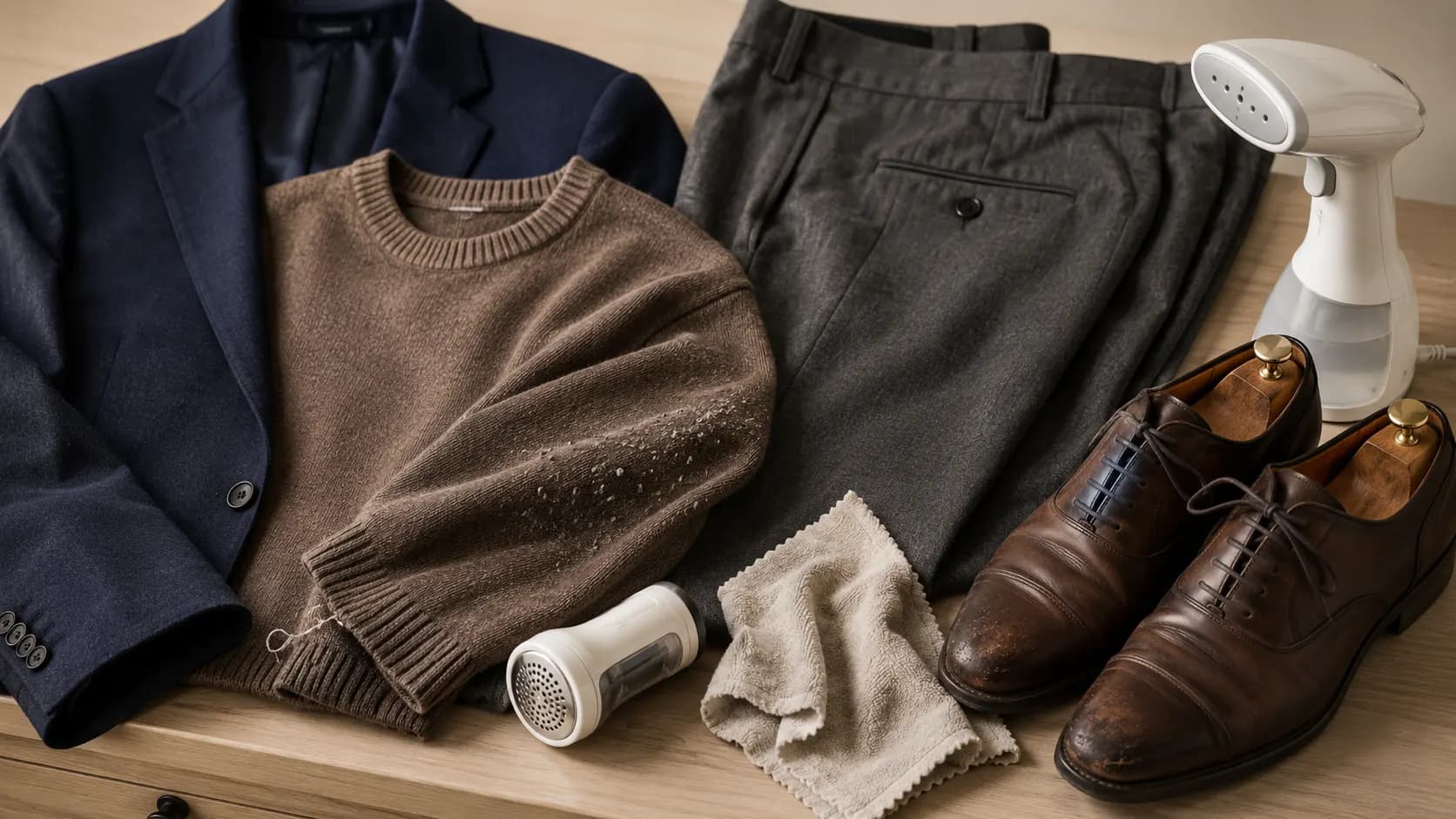
Steam or iron obvious wrinkles.
Remove lint and pet hair.
Trim loose threads carefully.
Use a fabric shaver on suitable pilled knitwear.
Clean marks from shoes.
Replace missing or damaged buttons.
Store structured garments so they keep their shape.
Each detail seems minor on its own. Together, they create the impression that the outfit has been considered rather than simply pulled from the wardrobe.
Simple Colour Relationships Look More Intentional
You do not need to dress entirely in black, beige or white to look polished. Colourful outfits can look extremely sophisticated.
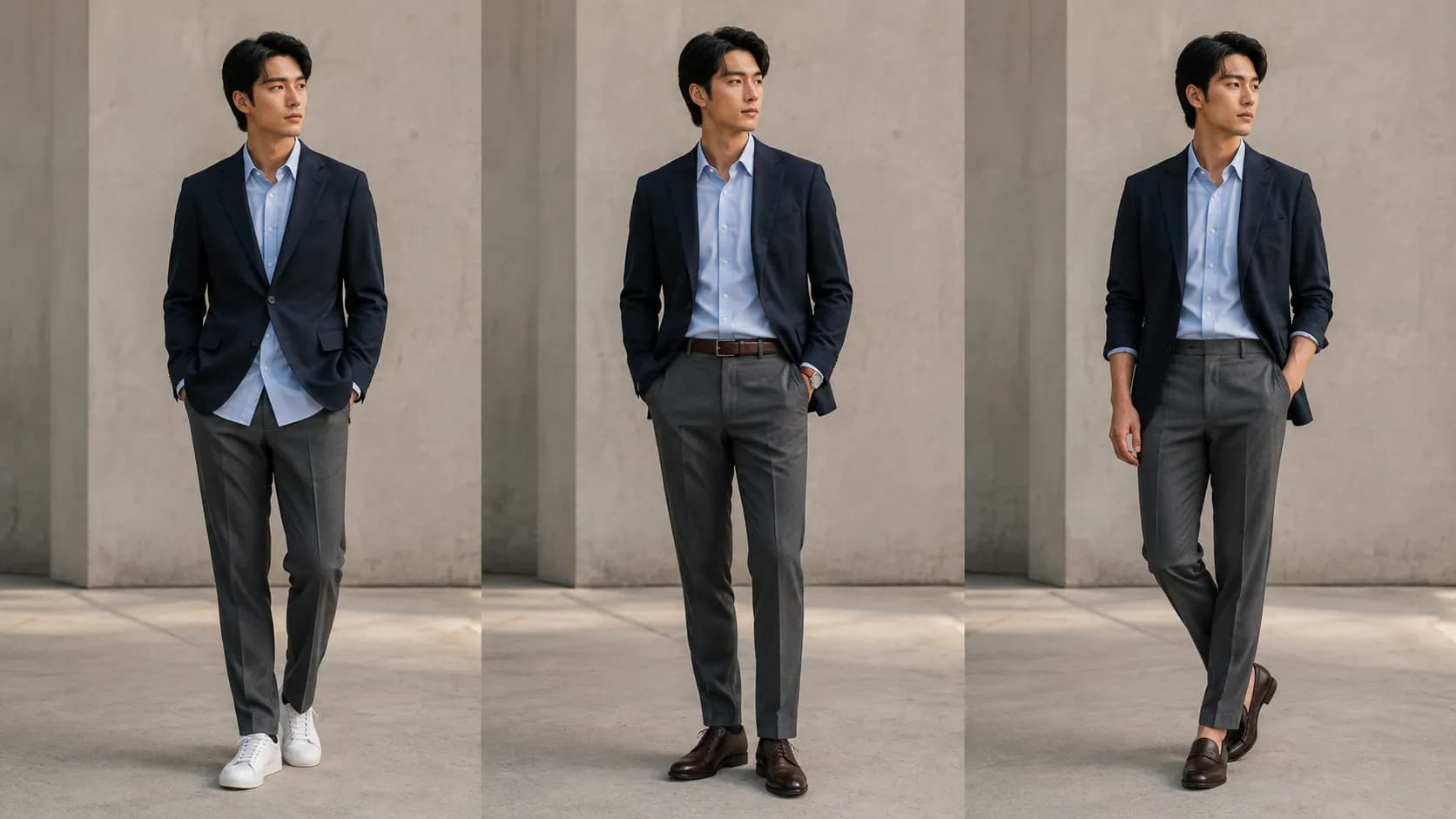
The useful principle is cohesion rather than neutrality. Navy trousers, a pale blue shirt and brown shoes already have an understandable visual relationship. A green dress with burgundy accessories can also work when the colours feel deliberate.
Problems tend to appear when several unrelated colours, patterns, textures and accessories all compete to become the focal point.
Let one element lead. If the coat is dramatic, allow the rest of the outfit to support it. If the trousers are bright, the shoes, bag and top do not all need to demand equal attention.
The Small Details That Can Make Clothes Look Cheaper
Pilling
Small fabric balls can make knitwear, coats and sweaters appear older than they are. Removing them carefully when the fabric allows can immediately sharpen the surface.
Wrinkled Hems and Collars
Hems, cuffs and collars define the outline of a garment, which makes wrinkles and collapsed edges particularly noticeable.
Dirty or Damaged Shoes
Shoes sit visually apart from the rest of the outfit, so dirt, heavy scuffing or worn details can stand out more than expected.
Garments Pulling at Buttons or Seams
Tension across buttons, pockets or seams can distort the intended silhouette. Sometimes a different size or a small alteration solves the issue more effectively than trying to hide it.
Keep reading
Why Your Outfit Looks Off even When Every Piece Is Good
Too Many Visible Logos
Logos are not automatically unstylish. The problem begins when several pieces compete to advertise themselves at once. Trying very hard to make an outfit look expensive can sometimes make it look less refined.
Shoes Can Change the Entire Outfit
Consider a white shirt with black trousers. With clean loafers, the outfit might feel sharp and professional. With slim trainers, it becomes more relaxed. With a structured boot, it can feel heavier and more dramatic.
The clothing barely changed. The visual message did.
Shoes also change proportion. Chunkier footwear may balance wide trousers or an oversized jacket, while a slimmer shoe can interact very differently with cropped trousers or a lighter silhouette.
There is no universal expensive-looking shoe. What matters is whether its shape belongs with the rest of the outfit and whether it is reasonably well maintained.
Accessories Work Best When They Look Deliberate
Accessories can make familiar clothes feel completely different. A belt can structure a loose dress. A scarf can introduce colour to a simple coat. Jewellery can finish an otherwise plain shirt, while a structured bag can change the character of jeans and a T-shirt.
But adding more is not always an improvement. If the earrings, necklace, belt, bag, sunglasses and shoes are all fighting for attention, the outfit can quickly become visually noisy.
Proportion Matters More Than Following a Formula
Fashion advice often turns proportion into rigid rules based on height, age or body shape. Real styling is more flexible.
Proportion is mainly about how garments relate to one another. Wide trousers with a fitted top create one silhouette. Wide trousers with an oversized shirt create another. Neither is automatically better.
If something feels slightly wrong, change one variable before buying anything. Tuck the shirt. Open the jacket. Roll the sleeves. Change the shoes. Adjust where the trousers break over the footwear.
Small changes can completely alter how the same garments interact.
Expensive Does Not Automatically Mean Elegant
Designer clothing can offer beautiful materials, construction and craftsmanship. It does not guarantee that every piece will suit every person or every outfit.
Affordable clothing is not automatically poorly designed either. A simple piece can look excellent when it fits properly, behaves well, works with the surrounding colours and is kept in good condition.
Style becomes less expensive when you stop assuming that every visual problem needs another purchase.
Avoid Trying Too Hard to Look Rich
There is an important difference between looking polished and trying to display wealth.
An outfit covered in luxury branding may be expensive without looking particularly refined. A person wearing clean trousers, a well-fitting knit, maintained shoes and one simple accessory may look considerably more put together even when every piece is affordable.
A more useful target is intentional style. That works at almost any budget.
Before Buying Something New, Try This
Change the shoes.
Remove one accessory.
Add or remove a belt.
Try tucking or partially tucking the top.
Open or close the jacket.
Adjust the sleeves.
Steam the garment.
Swap one colour for something already elsewhere in the outfit.
Check whether a small alteration would solve the problem.
You may discover that the clothes were never the problem. The styling was.
What Is Actually Worth Spending More On?
There is no universal answer, but spending more can make sense for items you wear frequently and need to perform well over time.
Shoes you wear several times a week
A coat used through an entire season
Work trousers or jackets worn repeatedly
A frequently used bag
Items where good structure, comfort or durability make a meaningful difference
Even then, price should not be the only test. Look at seams, fabric, lining, closures, comfort and how difficult the garment will be to maintain.
The most expensive item in your wardrobe is poor value if you rarely wear it.
Our editorial promise
Prepared with clarity and care.
This guide completed our editorial review before publishing. If something needs attention, report a correction or contact the publisher.
About this article
- Published:
- Last updated:
- Author:
- Ceyora Editorial Team
- Review status:
- Editorially reviewed
- Sources:
- 0
- Corrections:
- Report an issue