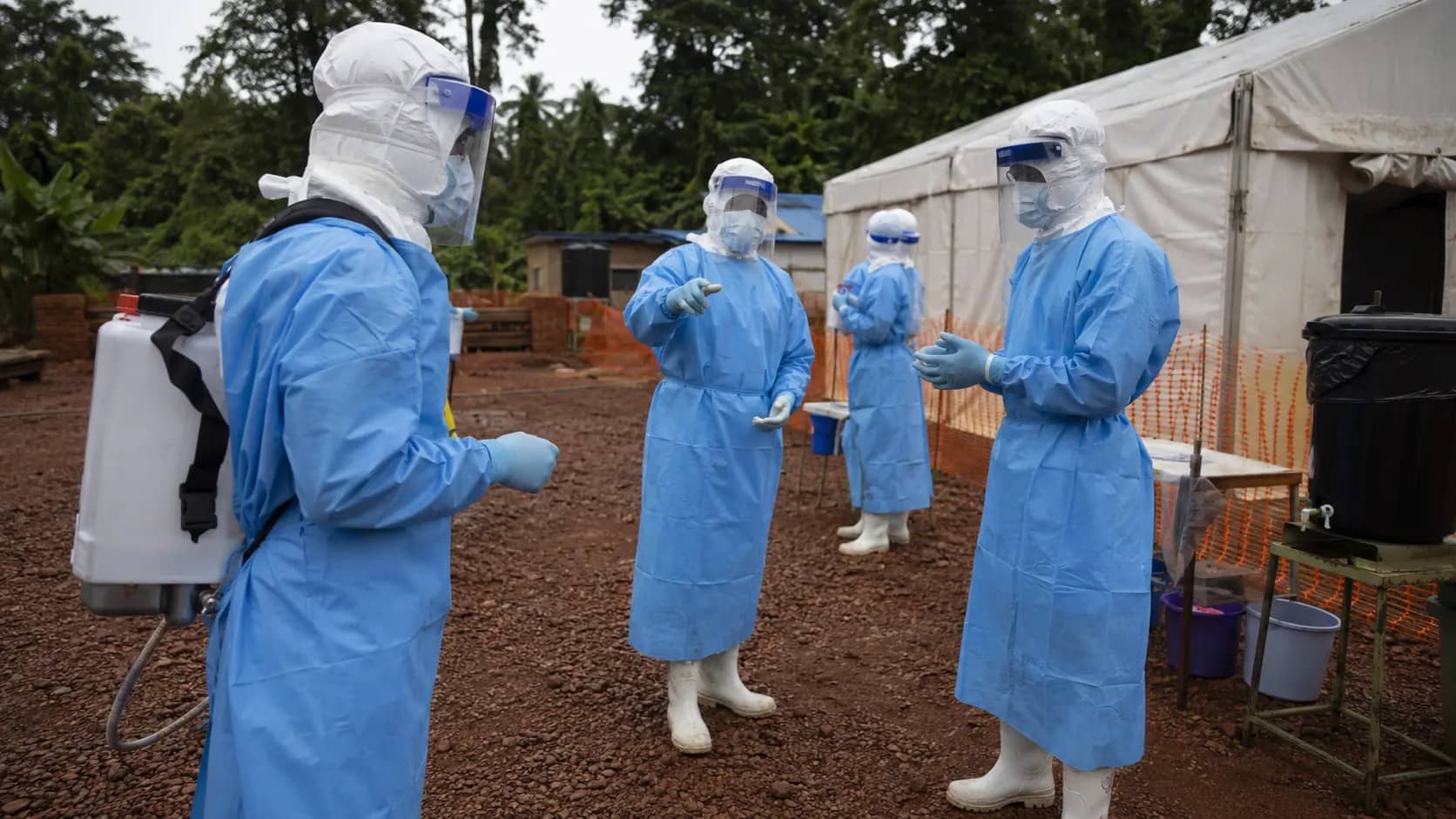
Ebola is not new to the Democratic Republic of the Congo. The country has decades of experience detecting and responding to outbreaks. Yet the outbreak that began in 2026 has become exceptionally difficult to bring under control.
Part of the reason is the virus itself. This outbreak is caused by Bundibugyo virus, one of the Ortho ebolaviruses capable of causing Ebola disease in people. Unlike the Ebola virus responsible for the massive West African epidemic, Bundibugyo virus does not currently have a licensed vaccine or an approved virus-specific treatment.
But biology is only part of the story. Conflict, displacement, population movement, difficult access to healthcare, infections among health workers and delays in detecting cases have created conditions in which familiar public-health tools become much harder to use.
What Is Happening in the 2026 Ebola Outbreak?
The outbreak was confirmed in May 2026 after clusters of severe illness and deaths, including among healthcare workers, were investigated in northeastern Democratic Republic of the Congo. Laboratory testing identified Bundibugyo virus.
WHO declared the event a Public Health Emergency of International Concern on May 17, reflecting the seriousness of the outbreak and the need for coordinated international action. WHO specifically stated that the event did not meet the criteria for a pandemic emergency.
The numbers have changed rapidly. WHO's detailed August 1 outbreak report recorded 3,605 confirmed cases and 1,587 deaths in the DRC through July 30. A newer WHO epidemiological update using data through August 7 reported 4,209 confirmed cases and 1,916 confirmed deaths in the DRC.
That makes any undated case count obsolete quickly. The important trend is that transmission has continued across multiple health zones and provinces despite an extensive response.
This Is Not Quite the Same Ebola Story as Before
The virus involved matters because not every Ebola outbreak is caused by the same member of the Ebola virus group. That difference can affect which vaccines and treatments are expected to work.
What Is Bundibugyo Virus?
Several related viruses can cause Ebola disease in humans. Bundibugyo virus is one of them, alongside Ebola virus, Sudan virus and Taï Forest virus.
That distinction matters because an Ebola vaccine is not automatically a vaccine against every virus in the group.
Why the Exact Virus Matters
The licensed Ervebo vaccine is designed for disease caused by Ebola virus, sometimes informally called Zaire Ebola virus. WHO says there is currently no licensed vaccine for Bundibugyo virus disease and does not recommend assuming that Ervebo will protect against it because evidence of cross-protection is insufficient.
Candidate vaccines and treatments are being investigated, but that is very different from having a proven product that can immediately be deployed at large scale.
Why Is This Outbreak So Difficult to Stop?
Conflict Can Interrupt the Response
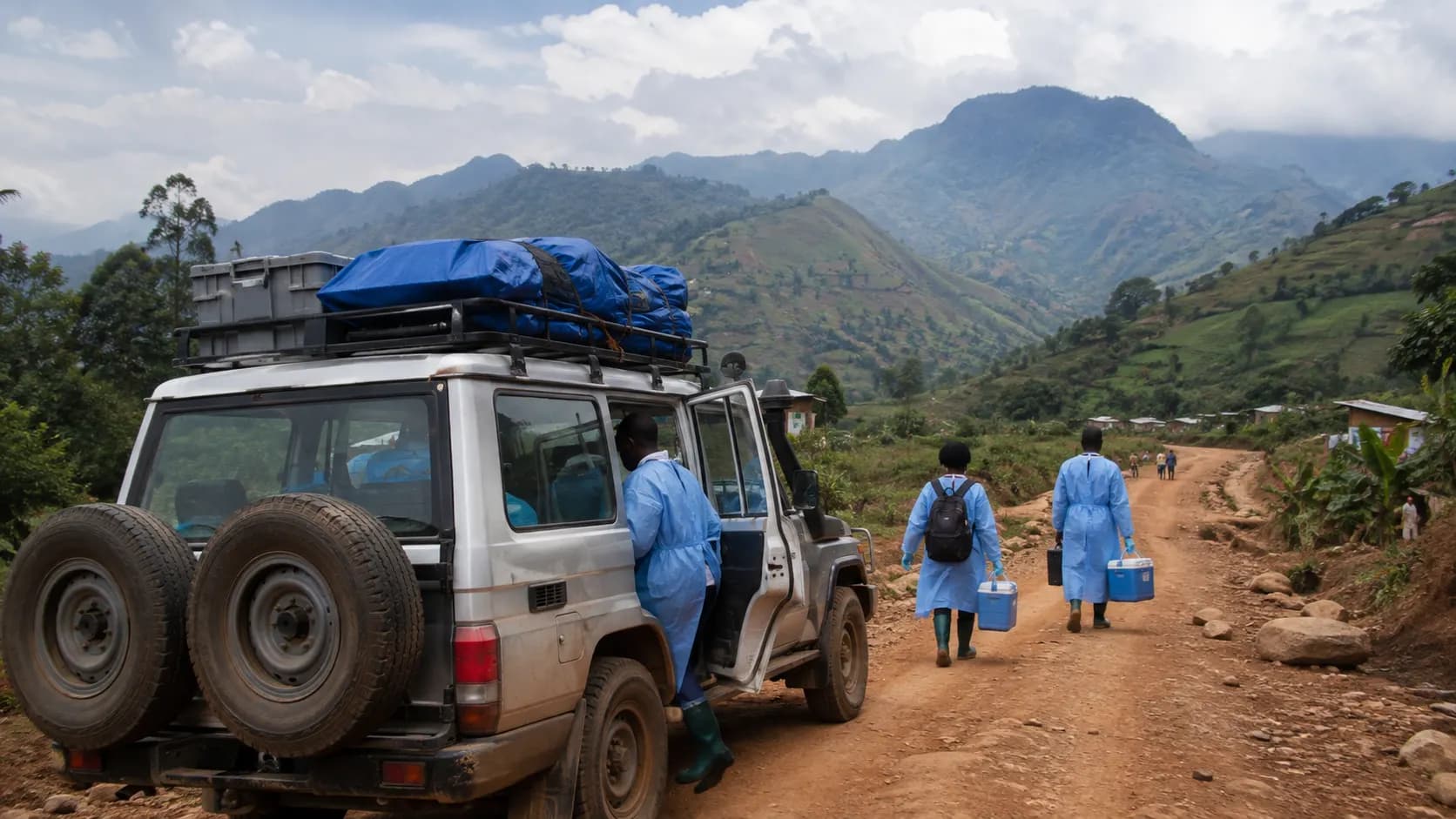
WHO describes the affected region as a complex humanitarian and conflict-affected setting. Security incidents involving health facilities can restrict access for response teams, interrupt surveillance and make it easier for infections to remain undetected.
Contact tracing works best when teams can quickly identify everyone who had meaningful exposure to an infected person and then follow them through the incubation period. That becomes much harder when people are displaced, communities are inaccessible or health services are repeatedly disrupted.
People Move Across a Large Region
The outbreak is occurring in areas with substantial movement linked to trade, mining, displacement and cross-border travel. Someone who becomes infected in one health zone may develop symptoms somewhere else, creating another chain of investigation.
Uganda detected cases connected with the DRC outbreak. It later declared its local outbreak over on July 28 after completing the required period without new local transmission, but WHO warned that imported cases remain possible while transmission continues across the border.
The Early Symptoms Are Easy to Mistake
Early Bundibugyo virus disease can begin with fever, fatigue, muscle pain, headache and sore throat. Those symptoms can resemble malaria and other illnesses common in the region.
Bleeding is possible, but it is not present in every patient. Waiting for dramatic hemorrhagic symptoms before suspecting Ebola can therefore delay recognition.
Why Healthcare Workers Are Especially Vulnerable

Keep reading
Is This Pregnancy Symptom Normal? When to Get Help
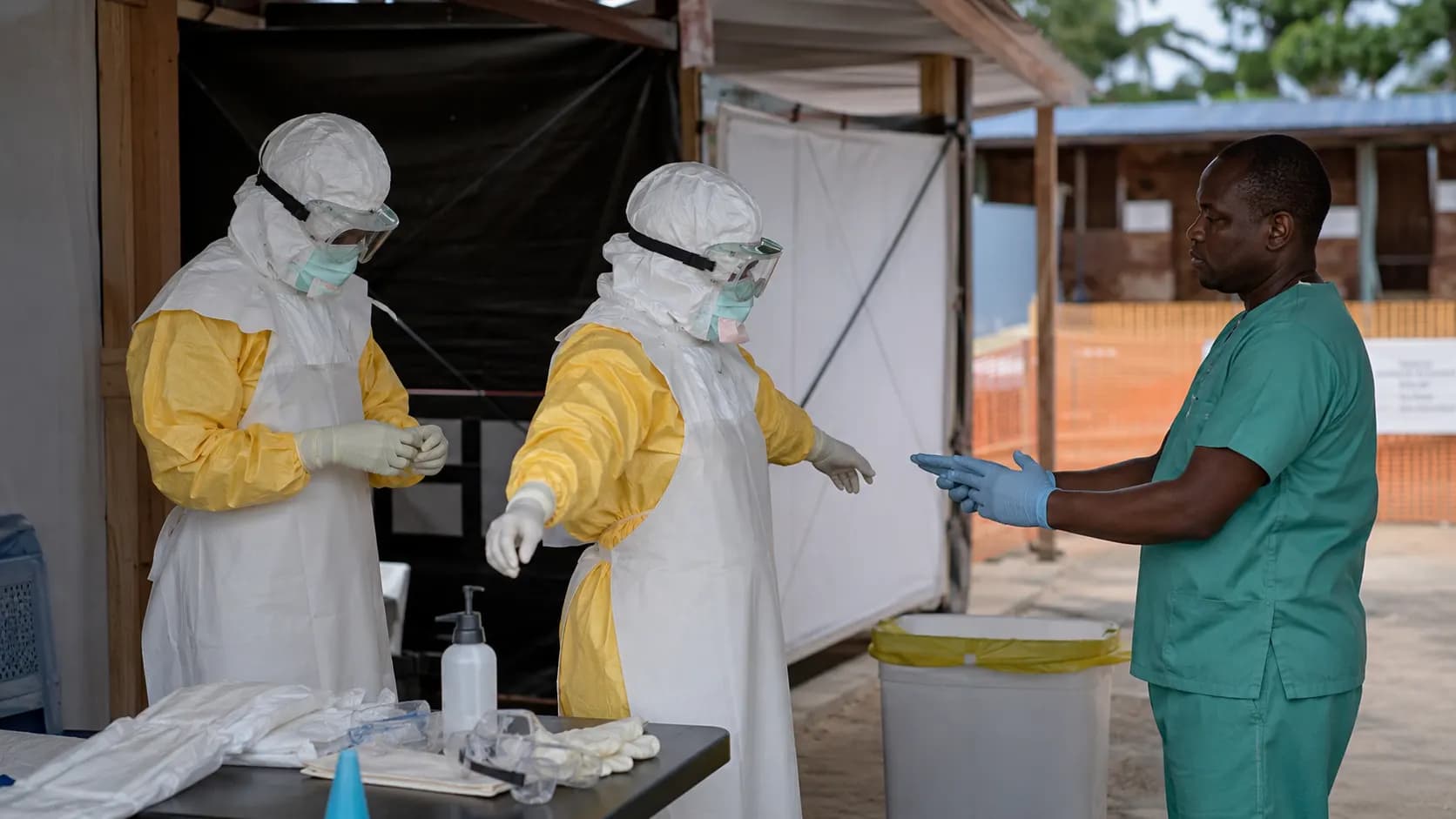
Healthcare workers can encounter patients before Ebola has been recognized. That creates opportunities for exposure to blood, vomit, diarrhea and other infectious bodily fluids if appropriate precautions are not already in place.
By July 30, WHO had reported 151 confirmed infections among health and care workers in the DRC, including 44 deaths. WHO linked these infections to persistent occupational exposure risks and difficulties implementing infection-prevention and control measures consistently.
Protecting health workers matters beyond the individual infections. When staff become ill, an already strained health system loses people needed to diagnose patients, operate treatment centers and maintain ordinary health services.
How Does Ebola Actually Spread?
Ebola does not spread through ordinary casual airborne transmission in the way influenza does.
Person-to-person transmission occurs through direct contact with the blood or other bodily fluids of someone who is infected or has died from the disease, or through objects and surfaces contaminated with those fluids.
Unsafe handling of bodies during funerals can be particularly dangerous because people who have died from Ebola remain highly infectious.
Why Isn't There a Vaccine for This Outbreak?

The existence of an Ebola vaccine can make the lack of one in this outbreak seem confusing. The answer is that Ebola disease can be caused by different viruses, and vaccines are designed around particular targets.
WHO says there is no licensed vaccine or approved specific therapeutic for Bundibugyo virus disease. Its expert groups have identified candidate vaccines, monoclonal antibodies and antiviral treatments for evaluation in clinical trials.
Research is already moving forward. But experimental availability should not be confused with a product proven sufficiently safe and effective for routine outbreak deployment.
Does That Mean Nothing Can Be Done?
No. Optimized supportive care can save lives, especially when patients are identified early. Managing fluids, dehydration, organ complications and other clinical problems remains important even without a virus-specific approved drug.
Outbreak control also depends on tools that have stopped Ebola transmission before: rapid diagnosis, isolation, contact tracing, safe and dignified burials, infection prevention in healthcare facilities and strong community engagement.
Why Community Trust Can Decide Whether the Outbreak Stops
Ebola response is not only a laboratory problem. Public-health teams need people to report symptoms, accept testing, seek treatment early, identify contacts and cooperate with safer burial procedures.
Those measures become much harder when communities distrust responders or when public-health instructions ignore local realities. WHO repeatedly identifies community engagement and trusted local leadership as central to controlling this outbreak.
Could the Outbreak Spread Much Farther?
International spread is possible; that is one reason this outbreak received international emergency status. Cases linked to the DRC have already been identified outside the country.
But possible does not mean equally likely everywhere. In WHO's published risk assessment cited in its August 1 update, risk was considered very high within the DRC and high in Uganda and countries sharing land borders with affected countries, while risk for the rest of Africa and globally was assessed as low.
That assessment can change as the outbreak develops. The correct interpretation is therefore not that Ebola poses no international concern, nor that everyone worldwide faces the same danger. Risk depends heavily on geography and exposure.
Why Ebola Is Difficult, but Not Impossible to Stop
There is an important reason not to treat every Ebola headline as a prediction of uncontrolled global spread.
People are not infectious before symptoms begin, and transmission generally requires meaningful contact with infectious bodily fluids or contaminated materials. That gives response teams opportunities to identify cases, follow contacts and interrupt chains of transmission.
Uganda's ability to end local transmission while the outbreak continued in neighboring DRC demonstrates that those measures can work.
What makes the DRC outbreak so difficult is not that Ebola has suddenly become unstoppable. It is that proven control measures are being applied in an unusually difficult environment, against a virus for which the medical toolbox is currently more limited.
Reference notes
Sources and further reading
- WHO (opens in a new tab)https://www.who.int/emergencies/disease-outbreak-news/item/2026-DON614
- WHO (opens in a new tab)https://www.who.int/emergencies/alert-and-response
- WHO (opens in a new tab)https://www.who.int/emergencies/situations/ebola-outbreak---drc-2026
- WHO (opens in a new tab)https://www.who.int/news-room/questions-and-answers/item/ebola-vaccines
- WHO (opens in a new tab)https://www.who.int/news/item/28-05-2026-experts-convened-by-who-advise-on-candidate-treatments-and-vaccines-for-ebola-disease-caused-by-bundibugyo-virus
- WHO (opens in a new tab)https://www.who.int/news/item/17-05-2026-epidemic-of-ebola-disease-in-the-democratic-republic-of-the-congo-and-uganda-determined-a-public-health-emergency-of-international-concern
- WHO (opens in a new tab)https://www.afro.who.int/health-topics/ebola-disease/outbreak-drc-26
- CDC (opens in a new tab)https://www.cdc.gov/ebola/situation-summary/about-current-outbreak.html
- Sante Gouv Cd (opens in a new tab)https://sante.gouv.cd/actualites/la-rdc-franchit-une-nouvelle-etape-dans-la-recherche-contre-ebola
Our editorial promise
Prepared with clarity and care.
This guide completed our editorial review before publishing. If something needs attention, report a correction or contact the publisher.
About this article
- Published:
- Last updated:
- Author:
- Ceyora Editorial Team
- Review status:
- Editorially reviewed
- Sources:
- 9
- Corrections:
- Report an issue