

A glass of milk every morning can feel like one of the simplest nutrition habits imaginable. For some people, it is an easy way to add protein, calcium and other nutrients. For others, it means bloating, stomach discomfort or choosing an alternative instead.
Milk is nutritious, but that does not mean every healthy person needs to drink it every day. The more useful question is what milk contributes to your diet, what type you choose and whether your body tolerates it well.
What Does a Glass of Milk Actually Give You?
Cow's milk naturally provides complete protein, calcium, phosphorus, potassium, riboflavin and vitamin B12. Depending on the country and product, it may also be fortified with vitamin D and vitamin A.
Exact amounts differ between whole, reduced-fat, low-fat and fortified products, so there is little value in treating every carton as nutritionally identical. The label is more useful than assumptions based on the word milk alone.
What May Happen If You Drink Milk Every Day?

It Can Make Calcium Intake Easier
Calcium is important for maintaining bones and teeth, while vitamin D helps the body absorb calcium. Milk can be a convenient source of both when vitamin D is added.
That does not make milk a guarantee against osteoporosis or fractures. Bone health also depends on overall nutrition, physical activity, hormones, age, smoking, alcohol use, genetics and other factors.
It Adds Complete Protein
Milk contains all of the essential amino acids the body needs from food. That makes it a practical protein source for maintaining and repairing tissues, including muscle.
Context matters. A glass of milk replacing a sugary soft drink changes a meal differently from adding several glasses on top of an already adequate diet. More protein is not automatically better once your needs are being met.
What If Milk Makes Your Stomach Feel Bad?

Bloating, gas, abdominal pain, nausea and diarrhoea after dairy can be signs of lactose intolerance. It happens when the small intestine does not make enough lactase to digest all the lactose, the natural sugar in milk.
Lactose intolerance does not always mean giving up every dairy food. NIDDK notes that many people with lactose intolerance can tolerate some lactose without symptoms. Smaller portions, lactose-free milk or naturally lower-lactose foods may work better depending on the person.
Milk Allergy Is Different From Lactose Intolerance
Lactose intolerance is a digestive problem involving milk sugar. Milk allergy is an immune reaction to milk proteins. The two conditions are not interchangeable.

Keep reading
What Happens When You Eat Blueberries Every Day?
Milk allergy can cause hives, vomiting and, in some people, a severe allergic reaction such as anaphylaxis. Someone with a confirmed milk allergy should follow an allergist's advice rather than switching casually between dairy products.
Whole Milk vs. Low-Fat Milk: Does It Matter?
The basic protein, calcium and mineral contribution is similar across many plain cow's milks, but the fat and calorie content changes. Whole milk contains more total and saturated fat than lower-fat versions.
That does not make one choice universally right for every person. Someone trying to reduce saturated fat may prefer lower-fat milk, while appetite, age, nutritional needs and the rest of the diet can change what is practical. Look at the whole eating pattern rather than judging health from one glass.
Does Milk Cause Inflammation?
The claim that dairy is inflammatory for everyone is much broader than the evidence supports. A person with a milk allergy can have an immune reaction, and someone with lactose intolerance can develop digestive symptoms, but those are specific conditions rather than proof that ordinary milk causes chronic inflammation in every person.
Can Drinking Milk Make You Gain Weight?
Milk contains calories, so adding it to an already sufficient diet increases energy intake. Whether that contributes to weight gain depends on the full pattern of eating and activity over time.
Replacing a sweetened drink with plain milk is a different situation from adding several large glasses without changing anything else. Milk alone does not guarantee either weight gain or weight loss.
Is Plant Milk Healthier Than Cow's Milk?
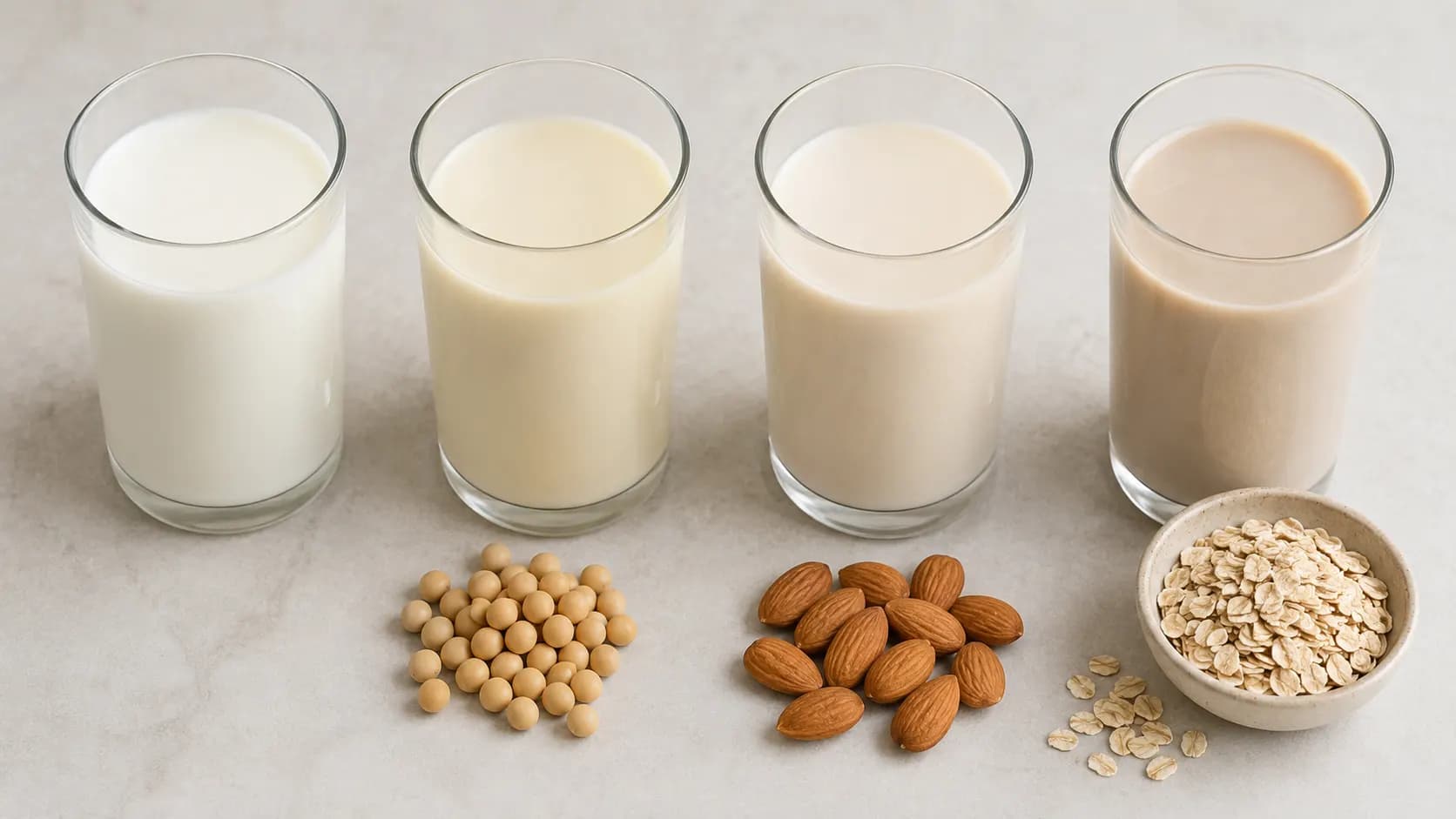
Plant-based drinks are not nutritionally interchangeable with cow's milk or with one another. The FDA notes that protein, calcium, vitamin D, calories and added sugar can vary substantially between products.
Fortified soy beverages generally come closest to cow's milk nutritionally and can provide a similar amount of protein.
Almond and some other nut drinks may contain much less protein.
Oat drinks can have a different carbohydrate profile and may contain added sugars depending on the product.
Fortification matters. Check calcium, vitamin D, vitamin B12 and protein rather than assuming they are present.
Choose unsweetened versions when reducing added sugar is a priority.
What If You Never Drink Milk?
Nothing about good nutrition requires every person to drink cow's milk. People can obtain protein, calcium and other nutrients from foods such as fortified soy beverages, yogurt, cheese, tofu made with calcium, beans, fish with edible bones and a varied diet.
The important part is replacement. Simply removing milk without considering what it was contributing may leave gaps, particularly for calcium, vitamin D or protein in people whose diets were already limited.
The Mistake of Turning Milk Into a Health Argument
Nutrition debates often force foods into two categories: essential or harmful. Milk does not fit neatly into either one.
For one person, a glass of milk may be an inexpensive and convenient source of protein and calcium. Another may feel better with lactose-free milk. Someone else may prefer fortified soy milk and have no nutritional reason to drink cow's milk at all.
Reference notes
Sources and further reading
- USDA FoodData Central (opens in a new tab)https://fdc.nal.usda.gov/
- NIDDK (opens in a new tab)https://www.niddk.nih.gov/health-information/digestive-diseases/lactose-intolerance
- NIH (opens in a new tab)https://ods.od.nih.gov/factsheets/VitaminD-Consumer/
- FDA (opens in a new tab)https://www.fda.gov/consumers/consumer-updates/milk-and-plant-based-milk-alternatives-know-nutrient-difference
- Acaai (opens in a new tab)https://acaai.org/allergies/allergic-conditions/food/milk-dairy/
Our editorial promise
Prepared with clarity and care.
This guide completed our editorial review before publishing. If something needs attention, report a correction or contact the publisher.
About this article
- Published:
- Last updated:
- Author:
- Ceyora Editorial Team
- Review status:
- Editorially reviewed
- Sources:
- 5
- Corrections:
- Report an issue