Small purchases do not feel dangerous.
A coffee on the way to work. A snack because the day feels long. A delivery fee because cooking sounds tiring. A small online order that costs less than dinner. None of these feels like a major money decision at the time.
That is exactly why they are easy to miss.
Big purchases usually make us pause. A new phone, a vacation, a car repair, or rent increase gets attention because the number is large. Small purchases move differently. They slip through the day quietly. One by one, they feel harmless. Together, they can take a surprising amount from your salary before you even notice.
The problem is not enjoying life. It is not about feeling guilty for every coffee or small treat. That kind of thinking makes money feel stressful and boring. The real issue is when small spending becomes automatic.
Why Small Purchases Feel Invisible
A small purchase does not create the same mental alarm as a big one.
Spending a few dollars or a few riyals feels normal. It does not feel like something worth tracking. Many people think, “It is just a little.” But “just a little” repeated every day becomes a real number.
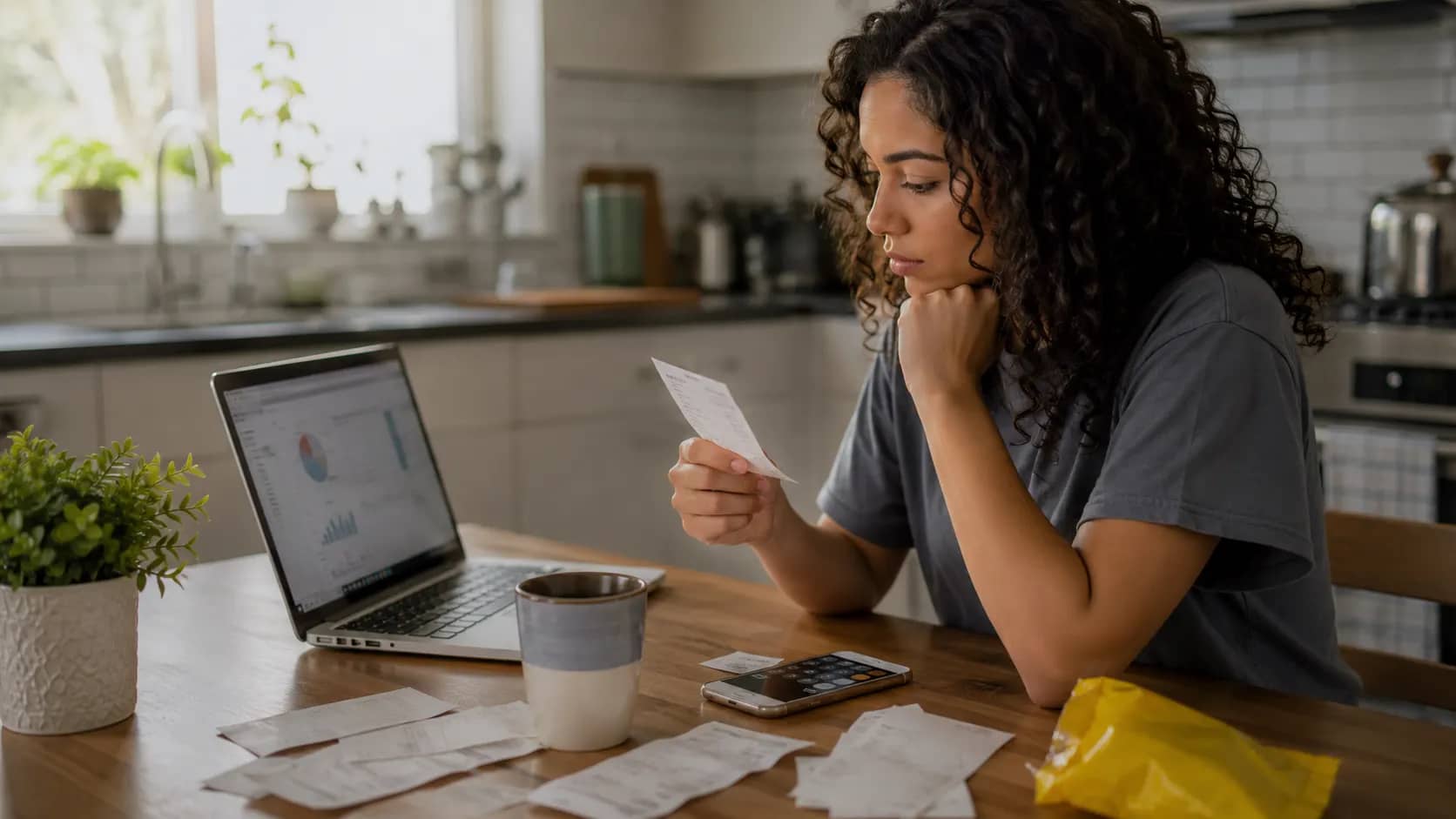
For example, buying one small drink every workday may not seem like much. But after a month, it can equal a grocery trip, a bill, or part of your savings goal. Add snacks, app subscriptions, ride fees, and quick online orders, and the total starts to grow.
The money did not disappear suddenly. It leaked out slowly.
Convenience Spending Adds Up Fast
A lot of small spending comes from convenience.
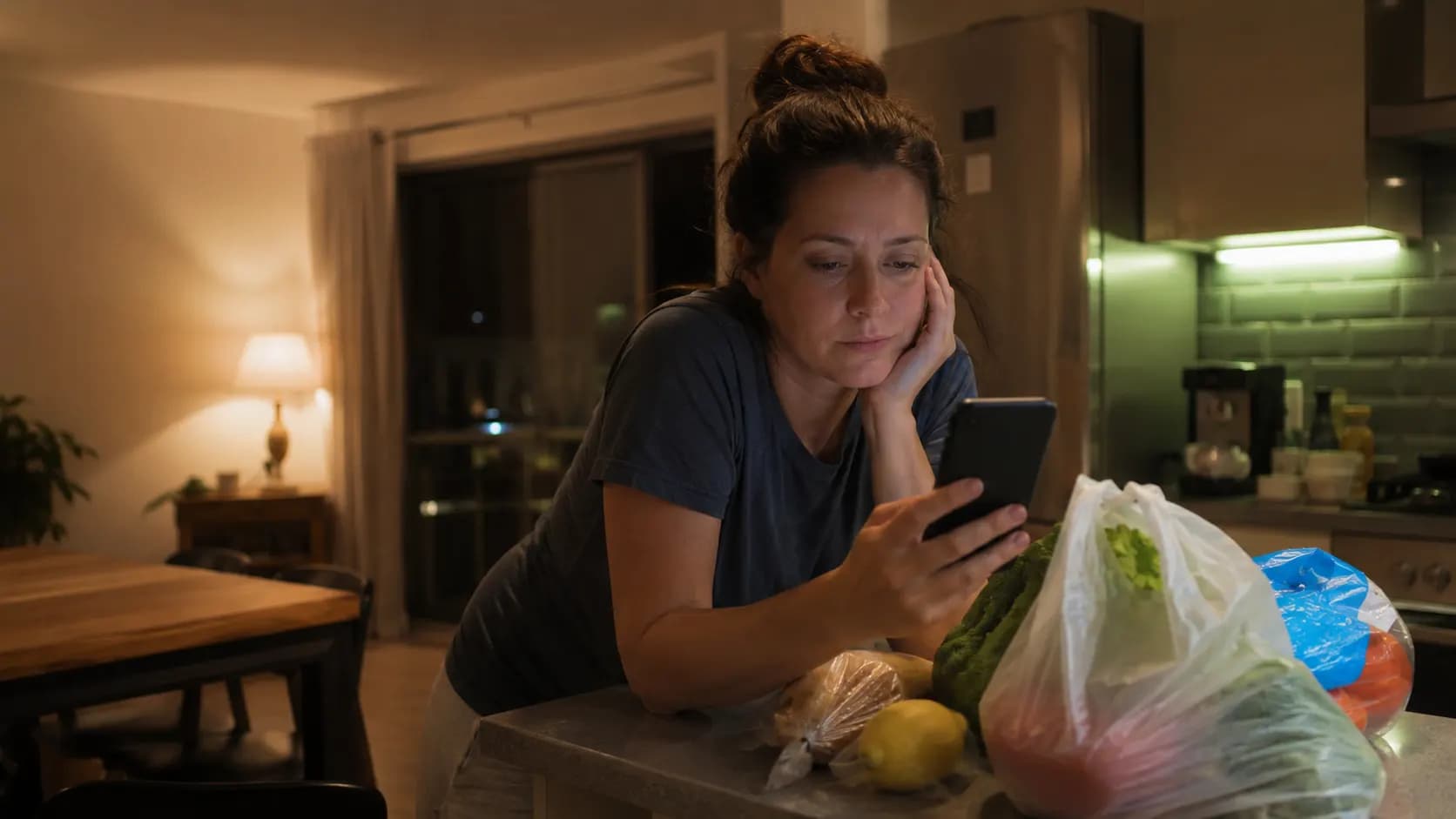
You are tired, rushed, hungry, or distracted. You order food because it saves time. You pay delivery charges because leaving the house feels annoying. You buy something from a nearby shop because planning ahead did not happen.
Convenience is not bad. Life is busy. But when convenience becomes the default, it can quietly become expensive.
A packed lunch, a water bottle, snacks at home, or planning dinner before you are starving can reduce many of these small leaks. Not always. But often enough to matter.
Subscriptions Are Easy to Forget
Subscriptions are another silent salary drain.
Streaming apps, cloud storage, fitness apps, editing tools, delivery memberships, music platforms, premium accounts. Each one feels small by itself. The problem is that many people forget what they are still paying for.

Keep reading
Things to Check Before You Spend Money on Something Expensive
A subscription you use every day may be worth it. A subscription you forgot existed is not.
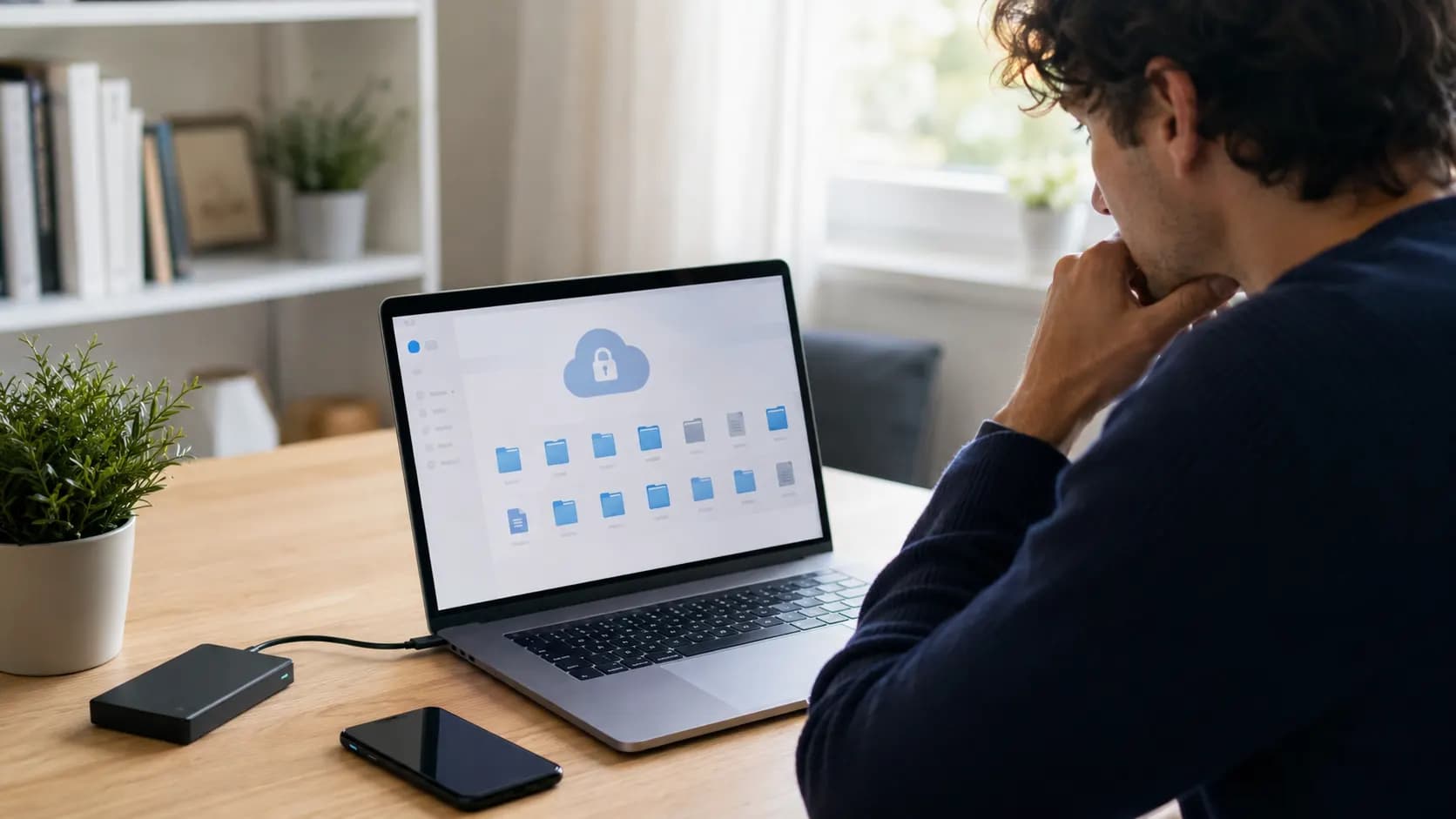
Checking your bank statement once a month can be uncomfortable, but it is useful. You may find services you no longer need, free trials that turned into payments, or apps you opened once and never used again.
Emotional Spending Is Real
Small purchases often happen because of feelings, not needs.
A hard day at work. Boredom. Stress. Feeling low. Wanting a small reward. There is nothing strange about that. Many people use spending as a quick mood lift.
The issue is that the lift usually does not last long.
You buy something small, feel better for a few minutes, then the feeling fades. If the habit repeats, money goes out without solving the real problem. A walk, a shower, a call with someone, or resting properly may help more than another random purchase.
Not every time. But it is worth noticing.
The Card Problem
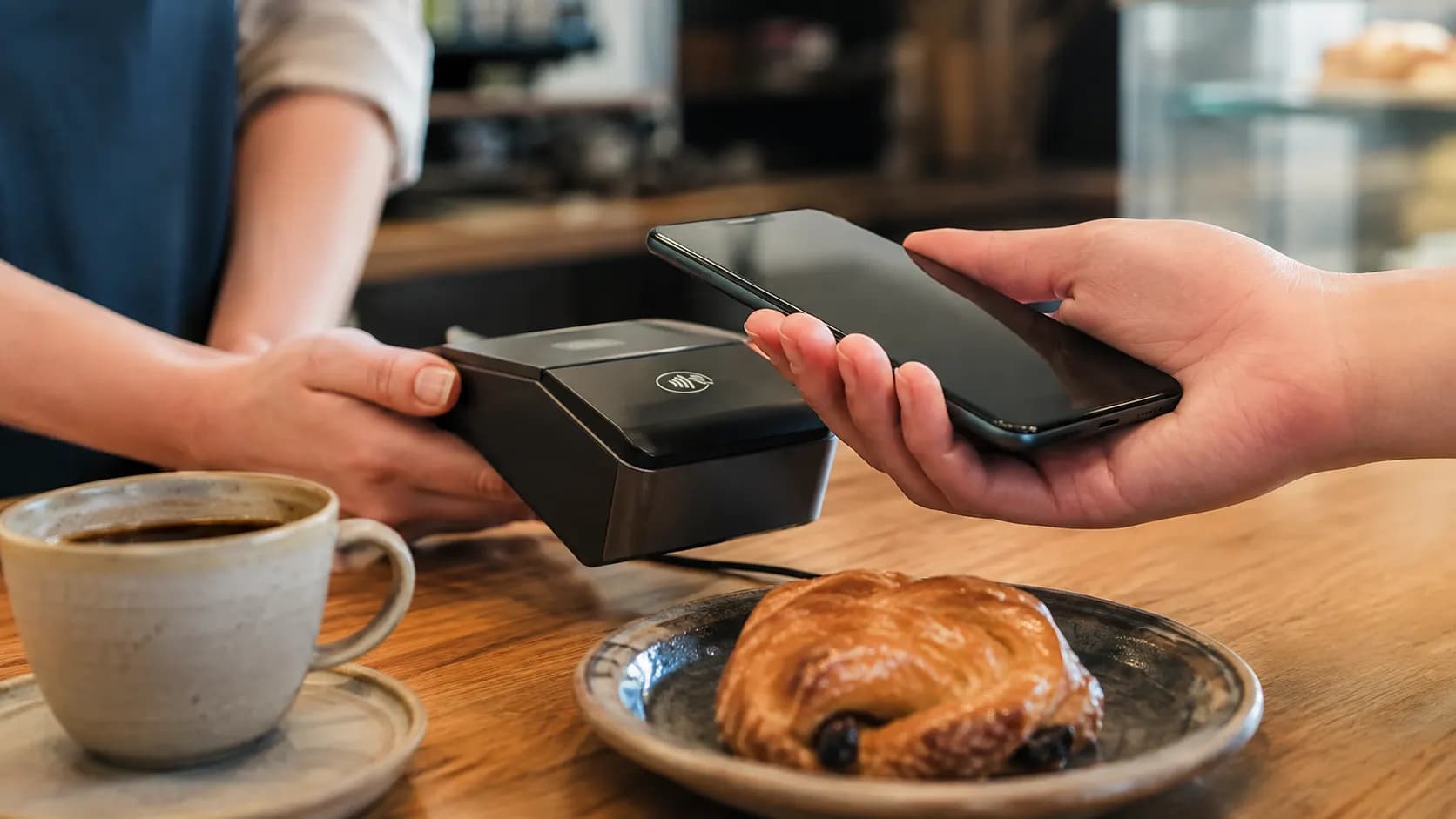
Paying by card or phone makes spending feel lighter.
No cash leaves your hand. No wallet gets thinner. You tap, scan, or click, and the payment is gone in seconds.
This makes small purchases very easy. Especially online. One saved card can turn a passing thought into a confirmed order.
A simple trick is to slow the process down. Remove saved cards from shopping apps. Wait a day before buying non essential items. Keep a small weekly spending limit for snacks, coffee, and extras.
The goal is not to stop all spending. The goal is to make it conscious.
Reference notes
Sources and further reading
- Consumerfinance (opens in a new tab)https://www.consumerfinance.gov/archive/blog/track-your-spending-with-this-easy-tool/
- Consumerfinance (opens in a new tab)https://www.consumerfinance.gov/archive/blog/budgeting-how-to-create-a-budget-and-stick-with-it/
- Consumerfinance (opens in a new tab)https://www.consumerfinance.gov/owning-a-home/prepare/assess-your-spending/
- Mymoney (opens in a new tab)https://www.mymoney.gov/spend
- Consumer (opens in a new tab)https://consumer.gov/your-money/making-budget
Our editorial promise
Prepared with clarity and care.
This guide completed our editorial review before publishing. If something needs attention, report a correction or contact the publisher.
About this article
- Published:
- Last updated:
- Author:
- Ceyora Editorial Team
- Review status:
- Editorially reviewed
- Sources:
- 5
- Corrections:
- Report an issue