
Things to Check Before Buying Something Expensive
Buying something expensive always feels a little exciting. A new phone, laptop, sofa, car, camera, washing machine, course, or even a travel package. Your mind starts imagining how nice life will be after you get it.
But expensive purchases can also become expensive mistakes.
Sometimes the item is good, but not good for your real need. Sometimes the price looks fair, but hidden costs come later. And sometimes we buy because of pressure, mood, trend, or a discount that feels too good to miss.
Before spending a big amount of money, it is worth slowing down for a moment. Not overthinking forever. Just checking a few important things before you pay.
1. Ask yourself if you really need it
This sounds simple, but many people skip it.
Before buying, ask one honest question. Do I actually need this, or do I just want it right now?
There is nothing wrong with wanting nice things. Life is not only about saving every rupee or every dollar. But big purchases should have a reason.
For example, buying a laptop for work, study, editing, or business can make sense. Buying a very expensive laptop only because the design looks nice may not be the smartest move, unless you can easily afford it.
A small pause can save a lot of regret later.
2. Check if it fits your budget without stress
An expensive item is not only expensive because of the price tag. It becomes more expensive when it creates stress after buying.
If you buy it today, can you still pay your bills comfortably? Can you still manage rent, food, transport, savings, and emergency needs?
A good rule is this. If buying it makes your whole month feel tight, it may not be the right time.
Some people think affordability means “I have enough money to pay for it.” But real affordability means you can buy it without damaging your normal life.
3. Compare the full cost, not only the price
The price you see first is not always the final cost.
A car needs insurance, fuel, service, parts, registration, and repairs. A printer needs ink. A phone may need a case, charger, screen protector, and maybe higher storage. A house appliance may need installation and maintenance.
Even travel bookings can have extra charges for baggage, meals, transport, visa, or cancellation.
Before buying, calculate the full cost. Not perfectly, but close enough. This gives you a more real picture.
4. Read reviews, but read them carefully

Keep reading
Why Small Purchases Quietly Drain Your Salary
Reviews are helpful, but not all reviews are useful.
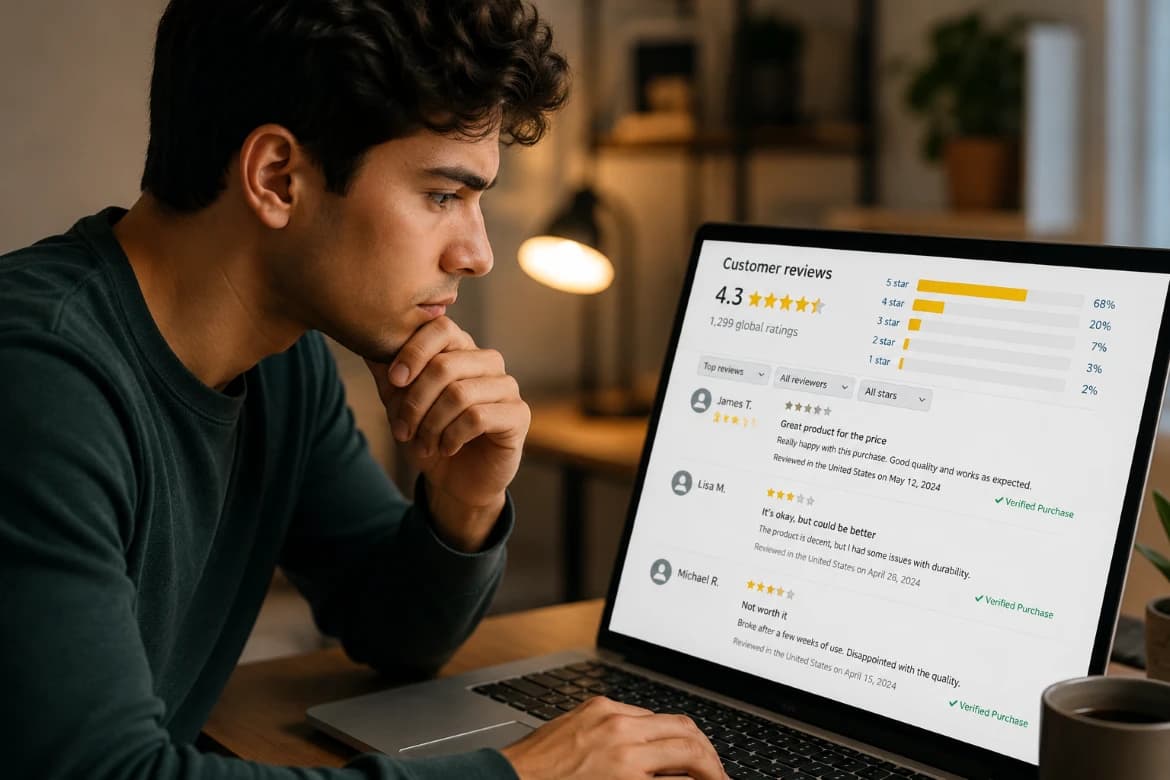
Do not only look at five star ratings. Read the negative reviews too. That is where people often mention real problems like poor battery life, bad customer service, weak material, heating issues, size problems, or delivery damage.
Also check reviews from people who used the item for a few months, not only people who just opened the box yesterday.
A product can look amazing on day one and become annoying after three weeks.
5. Check the warranty and return policy
This is very important, especially for electronics, furniture, appliances, and online purchases.
Before paying, check how long the warranty lasts, what it actually covers, and where you can claim it. Some warranties sound good, but they do not cover the most common problems.
Also check the return or exchange policy. Can you return it if it does not work as expected? How many days do you have? Will they give cash back, store credit, or only repair?
Do not wait until something goes wrong to read these details.
6. Think about how often you will use it
Some expensive things are worth it because you use them every day.
A good mattress, comfortable work chair, reliable phone, strong laptop, or quality shoes can be worth paying more for because they affect daily life.
But if you are buying something you will use only once or twice, think again. Maybe renting, borrowing, or choosing a cheaper option makes more sense.
Cost per use is a useful way to think.
A $300 item used every day for three years may be better value than a $70 item used twice and forgotten in a cupboard.
7. Watch out for emotional buying

Many expensive purchases happen when emotions are high.
You had a bad day. You feel bored. You want to reward yourself. You saw someone else using it. A sale is ending tonight. The salesperson is pushing you.
That does not always mean the purchase is bad. But emotion can make the decision blurry.
For big purchases, give yourself a little waiting time. Maybe 24 hours. Maybe a week for very expensive items. If you still want it after the excitement settles, then it is probably a more stable decision.
Reference notes
Sources and further reading
- Quora (opens in a new tab)https://www.quora.com/How-can-I-tell-when-I-should-spend-money-on-something-expensive-and-when-I-shouldnt
- Medium (opens in a new tab)https://medium.com/@kmacke05/large-purchase-decisions-14-questions-to-ask-yourself-to-avoid-regret-13b3360b4d0b
- Maurabrannigan Substack (opens in a new tab)https://maurabrannigan.substack.com/p/the-6-step-test-i-use-before-buying
Our editorial promise
Prepared with clarity and care.
This guide completed our editorial review before publishing. If something needs attention, report a correction or contact the publisher.
About this article
- Published:
- Last updated:
- Author:
- Ceyora Editorial Team
- Review status:
- Editorially reviewed
- Sources:
- 3
- Corrections:
- Report an issue