
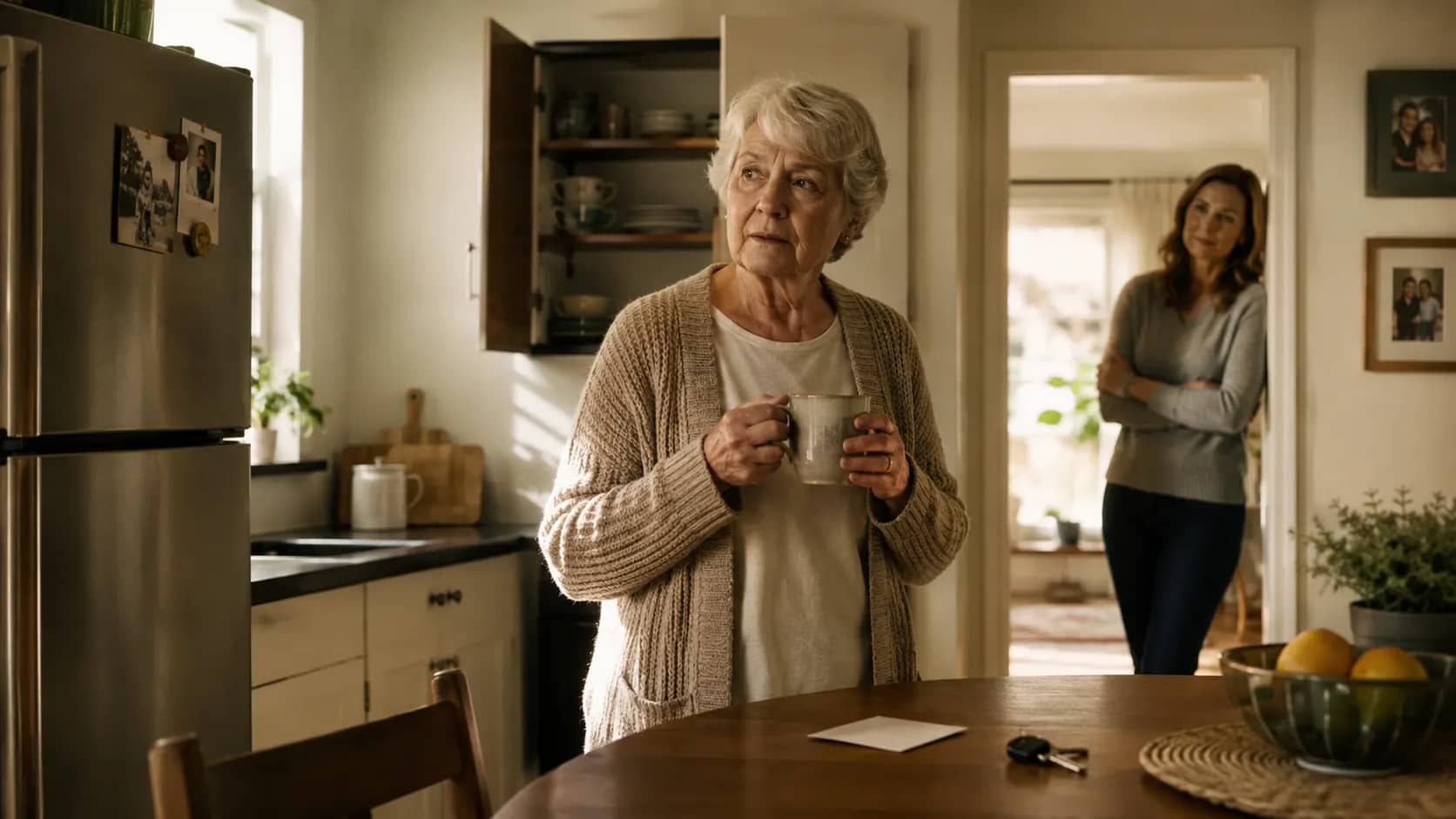
When Forgetfulness Starts to Feel Different
Forgetting someone’s name for a moment or walking into a room and wondering why you went there can happen to almost anyone. As people grow older, recalling information may take a little longer. That alone does not mean dementia.
The concern begins when changes become frequent, noticeable and disruptive. A person may stop managing tasks they once handled easily. Family members may notice the difference before the person does.
Dementia is not considered a normal part of aging. It affects memory, thinking, communication and the ability to manage everyday life. The early changes can be mild, which is why they are often explained away as stress, tiredness or simply getting older.
Forgetting Recent Conversations

Someone may clearly remember a family holiday from twenty years ago but forget a conversation from that morning. They might ask the same question several times without realizing they have already received an answer.
Normal aging may involve forgetting part of a conversation and remembering it later. A more concerning sign is repeatedly losing recently learned information and depending heavily on notes or family members for things previously managed alone.
Struggling With Familiar Tasks
A person who has cooked the same meal for years may suddenly forget the steps. Someone who always handled household bills may become confused by simple payments.
These moments are often dismissed as distraction. The important question is whether the difficulty keeps happening. Dementia can make familiar activities feel unfamiliar, even when the person has completed them hundreds of times before.
Finding the Right Words Becomes Difficult
Everyone occasionally pauses while searching for a word. With early dementia, the problem may happen more often and interrupt normal conversation.
The person might use unusual words for familiar objects, lose track halfway through a sentence or struggle to follow what others are saying. They may stop joining conversations because speaking has become frustrating or embarrassing. Language difficulties are recognized as a possible early symptom of dementia.

Keep reading
Is This Pregnancy Symptom Normal? When to Get Help
Becoming Confused About Time or Place
Missing the date by one day is usually not alarming. Becoming lost in a familiar neighborhood is different.
A person may forget where they are, why they went somewhere or how to return home. They might arrive for an appointment on the wrong day or become confused about whether an event happened yesterday or several years ago.
This can feel frightening. The person may try to hide the confusion by changing the subject or blaming someone else.
Poorer Judgement and Unusual Decisions
Early dementia can affect judgement before severe memory loss becomes obvious.
A careful person may begin giving money to suspicious callers, buying unnecessary items or ignoring basic personal care. They may wear clothing that does not suit the weather or make financial decisions that seem completely unlike them.
One poor choice does not prove anything. A clear change from the person’s usual behavior is more meaningful.
Changes in Mood or Personality
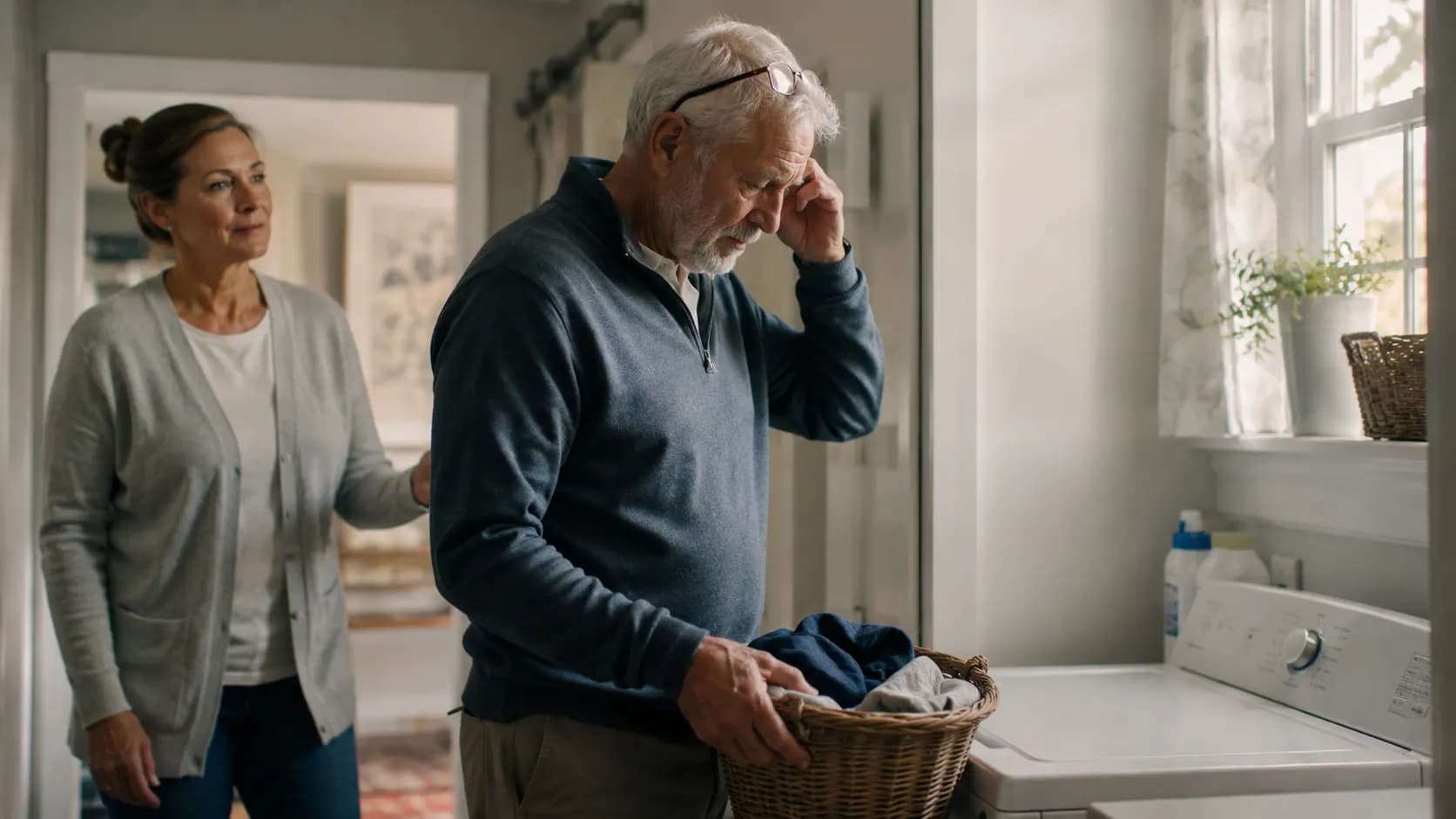
Family members sometimes describe this as, “They just do not seem like themselves.”
A normally confident person may become anxious, suspicious or withdrawn. Someone gentle may become unusually irritable. Others lose interest in hobbies, friends or activities they once enjoyed.
Mood changes can have many causes, including grief, depression and health problems. Still, gradual personality changes combined with memory or thinking difficulties should not be ignored.
Reference notes
Sources and further reading
- National Institute on Aging (opens in a new tab)https://www.nia.nih.gov/health/memory-loss-and-forgetfulness/age-related-forgetfulness-or-signs-dementia
- National Institute on Aging (opens in a new tab)https://www.nia.nih.gov/health/memory-loss-and-forgetfulness/memory-problems-forgetfulness-and-aging
- NHS (opens in a new tab)https://www.nhs.uk/conditions/dementia/symptoms-and-diagnosis/symptoms/
Our editorial promise
Prepared with clarity and care.
This guide completed our editorial review before publishing. If something needs attention, report a correction or contact the publisher.
About this article
- Published:
- Last updated:
- Author:
- Ceyora Editorial Team
- Review status:
- Editorially reviewed
- Sources:
- 6
- Corrections:
- Report an issue