
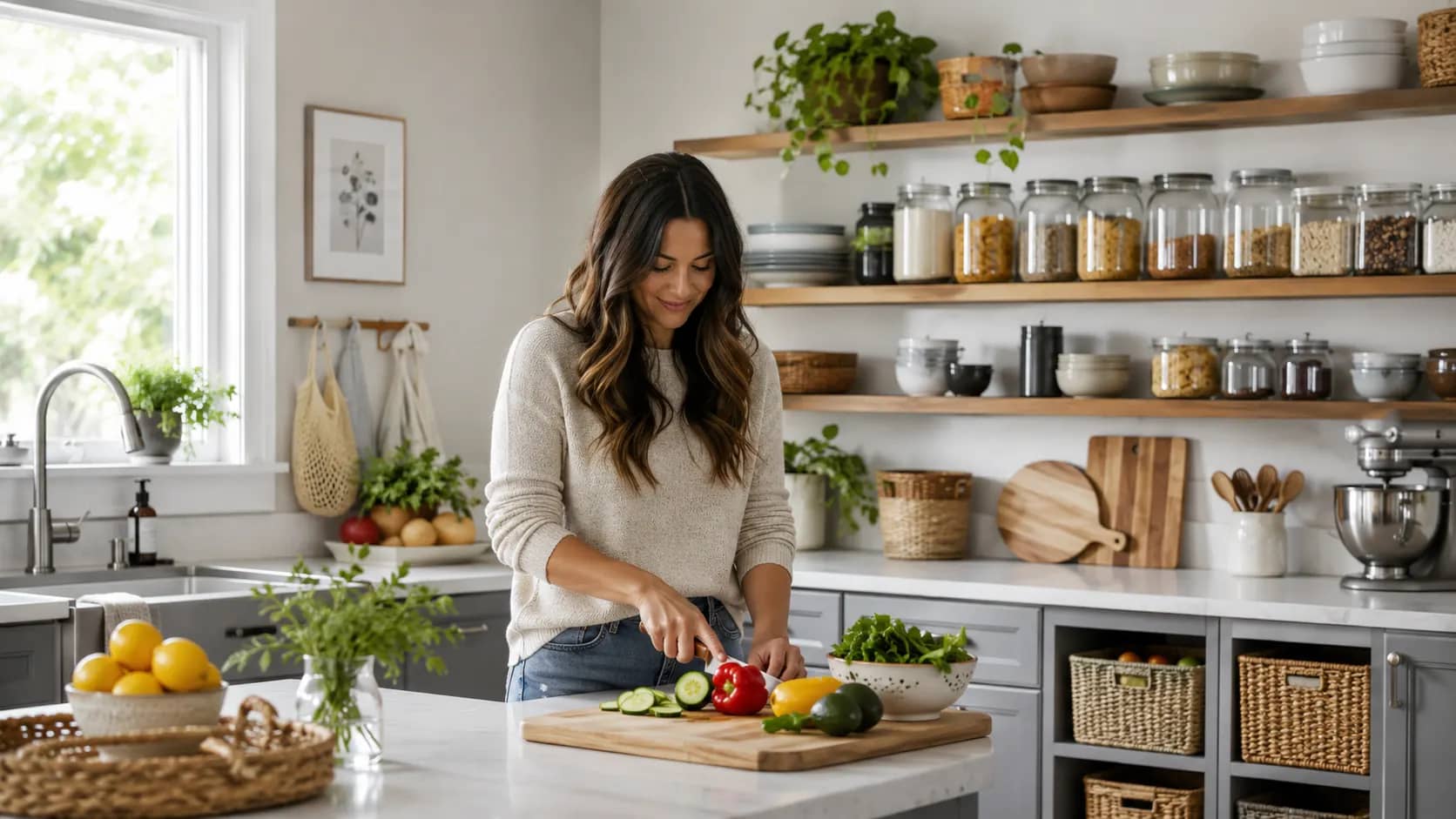
A Realistic Approach to Kitchen Organization
A perfectly organized kitchen looks great in photos. Every jar matches, every drawer is spotless, and nothing seems out of place. Real kitchens are different.
People cook in a hurry. Children open cupboards and leave things in the wrong place. Grocery bags arrive when the counters are already full. A useful kitchen organization system needs to survive normal life, not only look good for one afternoon.
The best kitchen organization ideas are usually simple. They make everyday tasks easier, reduce clutter, and help you find what you need without searching through five different cupboards.
Start With the Areas That Annoy You Most
Trying to organize the entire kitchen in one day can become exhausting. Begin with the place that causes the most frustration.
Maybe your utensil drawer gets stuck every time you open it. Perhaps food packets fall from the pantry shelf, or you keep buying spices because you cannot see the ones you already have.
Choose one small problem first. Empty that space, wipe it down, and put back only the items that belong there. A single organized drawer can make cooking feel easier immediately.
This method also helps you learn what kind of system works for you before buying baskets and containers for the whole kitchen.
Store Items Where You Actually Use Them
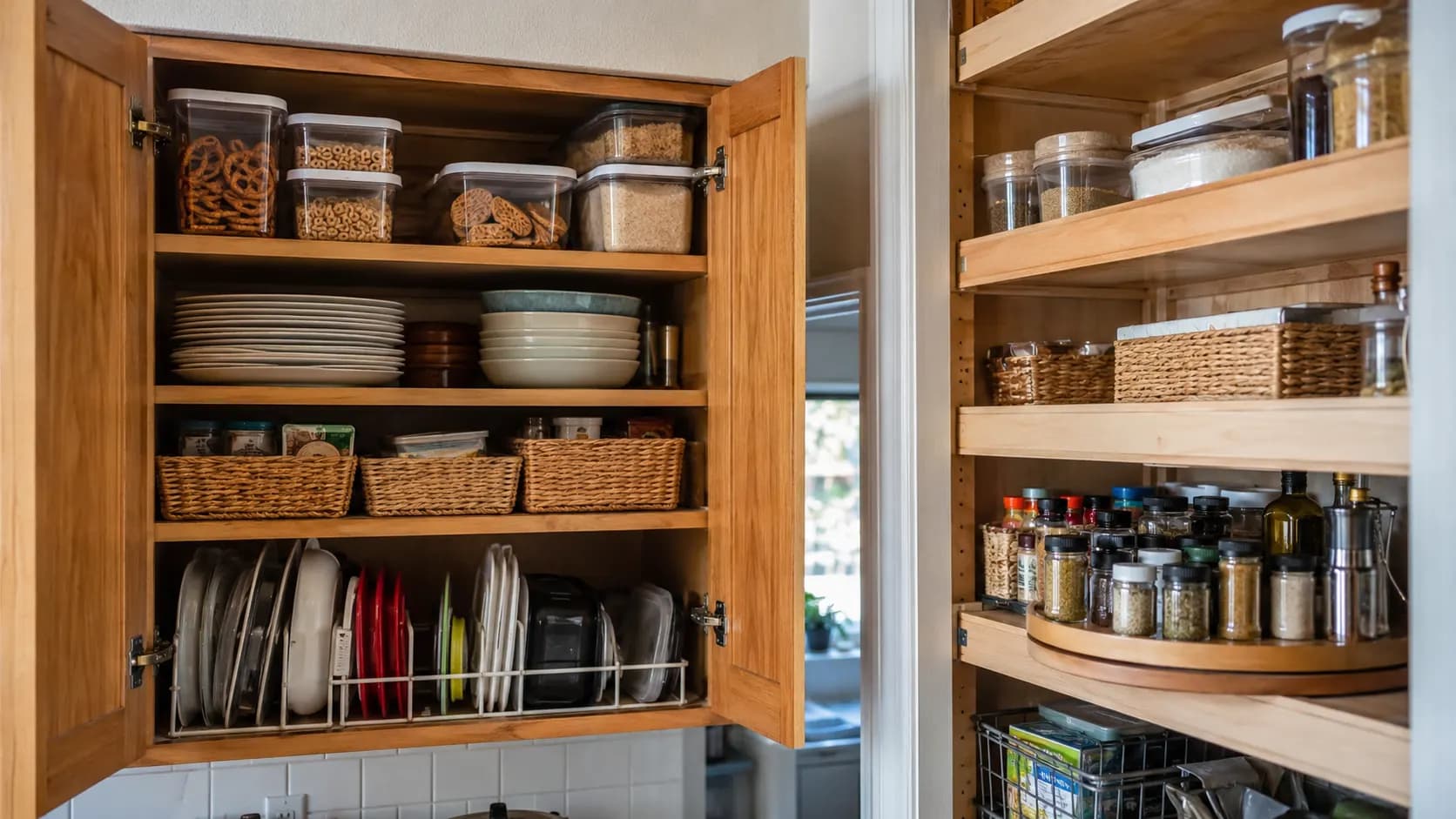
Kitchen organization works better when items are placed near the task they are used for.
Cooking oils, wooden spoons, and everyday spices can stay near the stove. Mugs, coffee, tea, and sugar make more sense near the kettle or coffee machine. Plates and glasses should be close to the dishwasher or sink if that makes unloading easier.
This may sound obvious, yet many kitchens are arranged according to cupboard size rather than daily routines.
Think about your normal movements while preparing breakfast or dinner. If you keep walking across the room to collect basic items, something may be stored in the wrong place.
Give Everyday Items the Best Spaces
The easiest shelves and drawers should be reserved for things you use often.
A heavy mixer used twice a year does not need to occupy the most convenient cupboard. Move occasional appliances to a higher shelf or another storage area. Keep everyday pans, plates, lunch boxes, and utensils within comfortable reach.
Keep reading
How to Deep Clean Your House in One Weekend
One family may use a rice cooker daily, while another rarely touches one. There is no universal layout. Your kitchen should reflect the way your household cooks.
Use Containers With a Clear Purpose
Storage containers can help, but buying dozens of matching boxes is not the first step.
Use containers when they keep a category together or prevent loose items from spreading. A small basket can hold baking supplies. Another can collect snack packets. A clear box can stop sauce bottles from disappearing at the back of the refrigerator.
Open bins are useful for items you reach for regularly. Sealed containers work better for dry foods that need protection from moisture and insects.
Before buying anything, measure the shelf. A beautiful container is not helpful when the cupboard door cannot close.
Make Deep Cupboards Easier to Use
Deep cupboards often become hiding places for forgotten food and cookware.
Place taller items at the back and shorter ones at the front. Shelf risers can create a second level for cans, jars, or bowls. Turntables are helpful for oils, sauces, and condiments because you can rotate them instead of moving everything.
For lower cupboards, pull out baskets make it easier to reach items without kneeling and searching in the dark.
The goal is visibility. When you can see what you own, you are more likely to use it.
Control Countertop Clutter
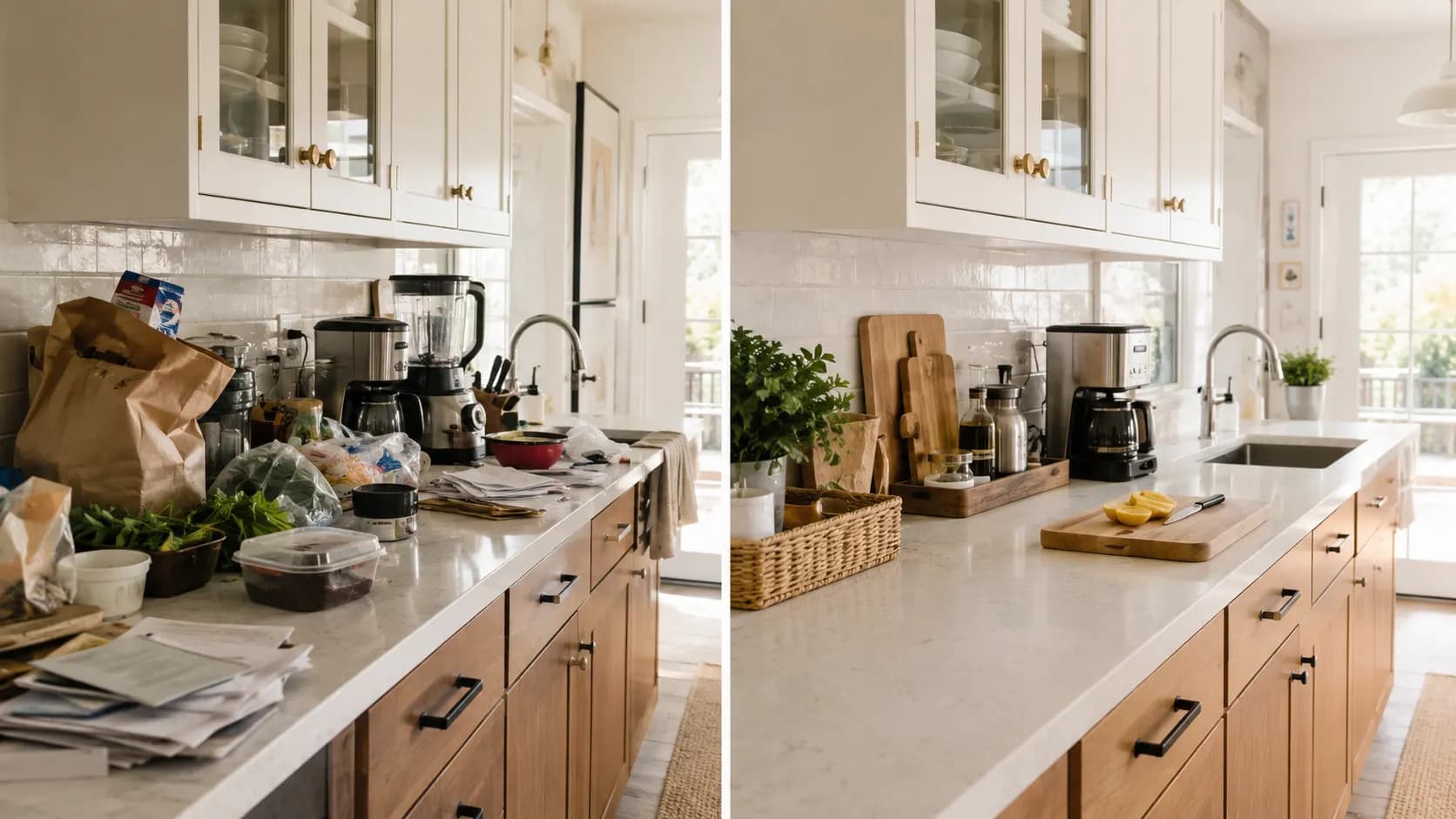
A completely empty countertop is not realistic for every home. Still, crowded counters make cleaning and cooking more difficult.
Keep only the items you use almost every day. This may include the kettle, toaster, knife block, or fruit bowl. Store appliances that are used occasionally inside cupboards.
Group small items on a tray when possible. For example, place oil, salt, and pepper together near the stove. The tray gives them a clear home and makes wiping the counter easier.
Reference notes
Sources and further reading
Our editorial promise
Prepared with clarity and care.
This guide completed our editorial review before publishing. If something needs attention, report a correction or contact the publisher.
About this article
- Published:
- Last updated:
- Author:
- Ceyora Editorial Team
- Review status:
- Editorially reviewed
- Sources:
- 5
- Corrections:
- Report an issue