Small Wings, a Much Bigger Role
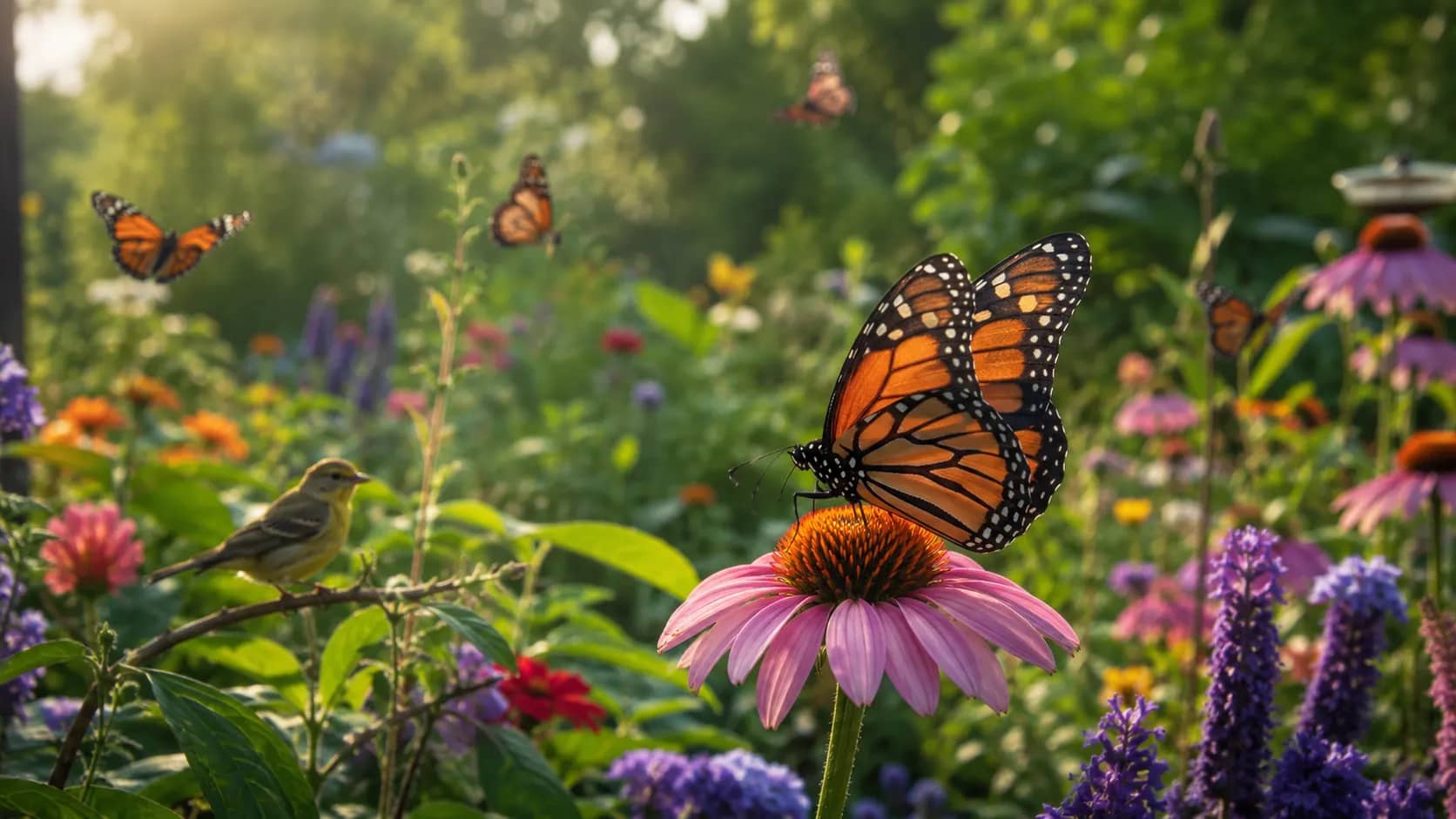
A butterfly landing on a flower may seem like a small, beautiful moment. Most people watch it for a few seconds, take a photo, and continue with their day. Yet that quiet visitor is doing much more than making the garden look colorful.
Butterflies help plants reproduce, provide food for other animals, and reveal changes happening in the environment. Their lives are closely connected to the health of gardens, fields, forests, and neighborhoods.
When butterflies begin to disappear, it can be an early sign that something around us is no longer working as it should.
More Than Pretty Wings
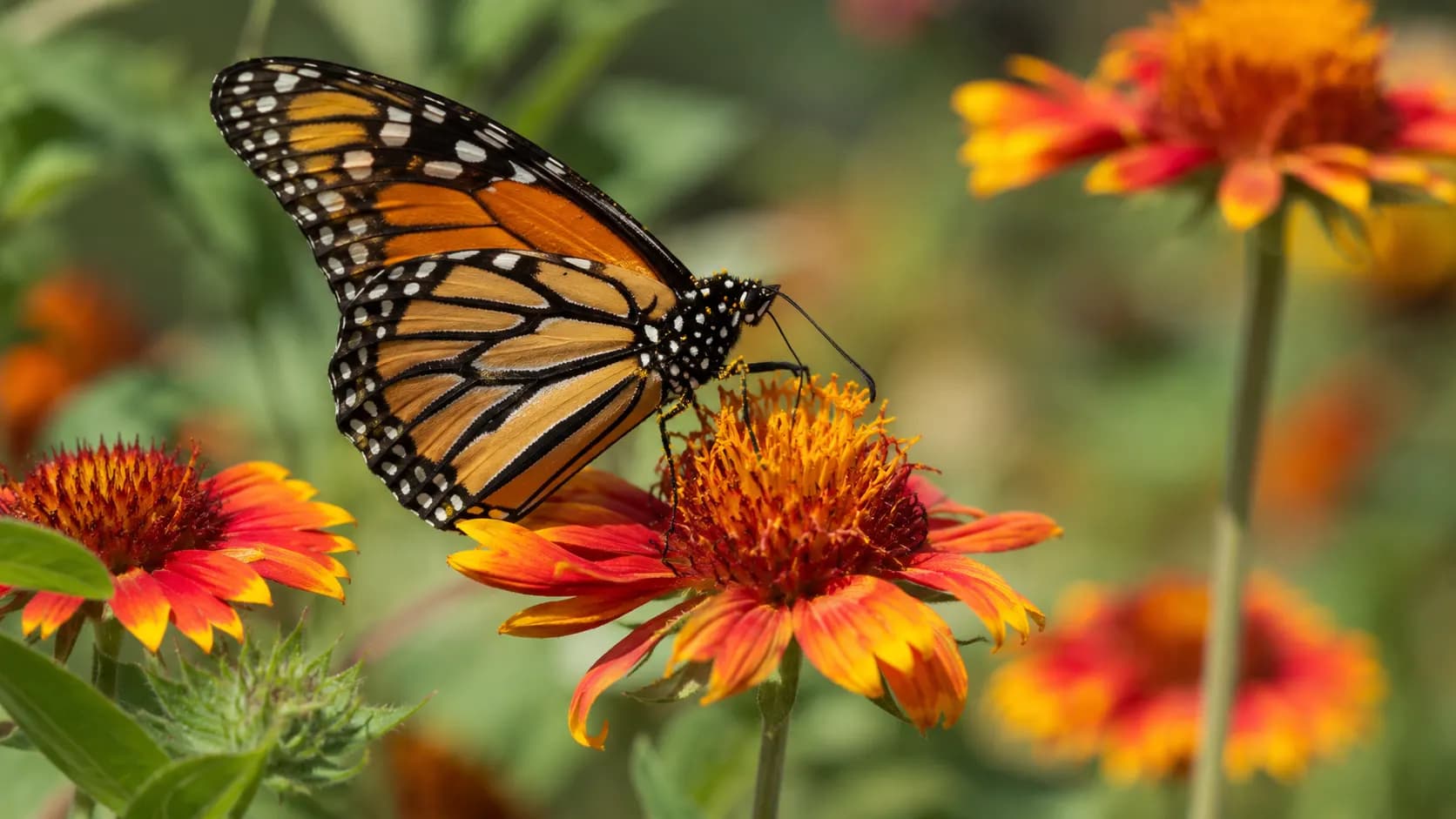
Butterflies are usually noticed because of their colors. Their wings are beautiful, but their real value is found in the work they do while moving between plants.
Adult butterflies visit flowers to drink nectar. As they feed, pollen can be carried from one flower to another, helping some plants produce seeds and fruit. Bees are generally more effective pollinators, but butterflies still contribute to the reproduction of many flowering plants. Their feeding relationship with plants has developed over millions of years.
A garden visited by butterflies is not merely attractive. It is active. Flowers are being visited, plants are reproducing, and many small parts of the ecosystem are working together.
They Help Feed the Natural World
A butterfly’s importance begins before it develops wings.
Caterpillars are a valuable source of food for birds and other animals. Adult butterflies may be eaten by birds, spiders, reptiles, and insect eating animals. This can feel unpleasant when we admire butterflies, but these natural connections keep ecosystems functioning.
Young birds need protein rich food while growing, and caterpillars often provide it. Many land birds depend heavily on butterfly and moth larvae when raising their young.
When butterfly populations fall, animals higher in the food chain may have less food available. Protecting butterflies can therefore support far more wildlife than we might imagine.
Butterflies Can Warn Us About Environmental Problems
Keep reading
Why Bees Are Important for the Planet
Butterflies react quickly to changes in temperature, rainfall, plant growth, pesticide use, and habitat conditions.
Many species need a particular environment to survive. Some caterpillars can eat only one plant species or a small group of related plants. Even a minor change in the area can affect their ability to feed and reproduce.
Because they are sensitive, scientists study butterfly populations to understand the health of an environment. A place that once supported many butterflies but suddenly has very few may be losing native plants or experiencing harmful changes in climate and land use.
Butterflies are like small warning lights in nature. Their disappearance does not explain every problem, but it gives us a reason to look closer.
Their Lives Depend on Specific Plants
Many people plant colorful flowers and expect butterflies to remain in the garden. Nectar flowers help adult butterflies, but that is only part of what they need.
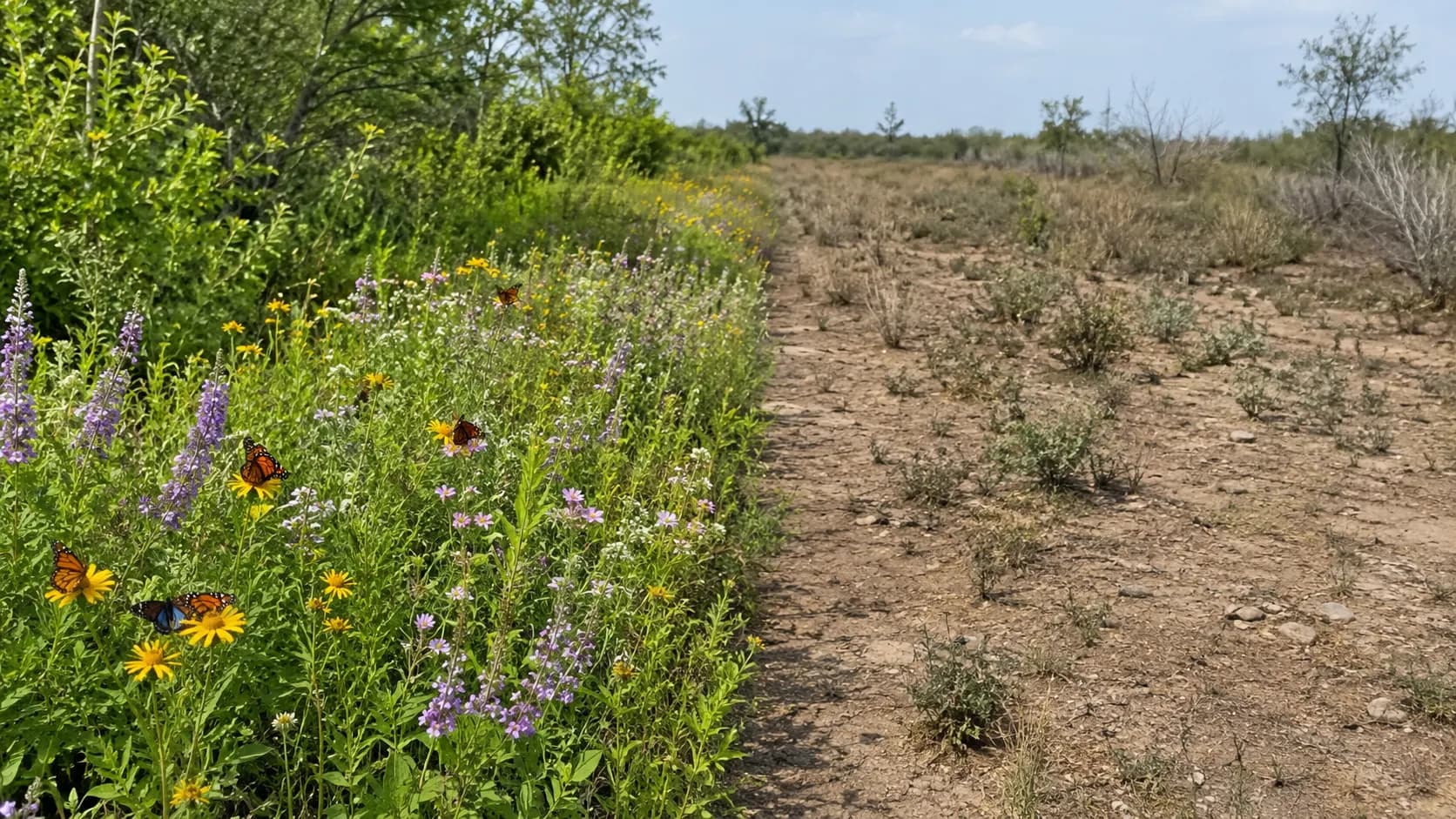
Butterflies also require host plants where they can lay eggs and where their caterpillars can feed. Monarch caterpillars, for example, depend on milkweed. Other butterflies may rely on nettles, violets, grasses, shrubs, or native trees.
This is why a perfectly tidy garden is not always the most wildlife friendly garden. A few chewed leaves may look messy, yet they can mean caterpillars are growing.
Sometimes the plant we call a weed is exactly what a butterfly needs.
Reference notes
Sources and further reading
- Naturalhistory Si (opens in a new tab)https://naturalhistory.si.edu/education/teaching-resources/life-science/butterflies-and-beyond
- Butterfly Conservation (opens in a new tab)https://butterfly-conservation.org/butterflies/why-butterflies-matter
- Nwf (opens in a new tab)https://www.nwf.org/Native-Plant-Habitats/Plant-Native/Why-Native/Host-Plants-by-Ecoregion
Our editorial promise
Prepared with clarity and care.
This guide completed our editorial review before publishing. If something needs attention, report a correction or contact the publisher.
About this article
- Published:
- Last updated:
- Author:
- Ceyora Editorial Team
- Review status:
- Editorially reviewed
- Sources:
- 6
- Corrections:
- Report an issue