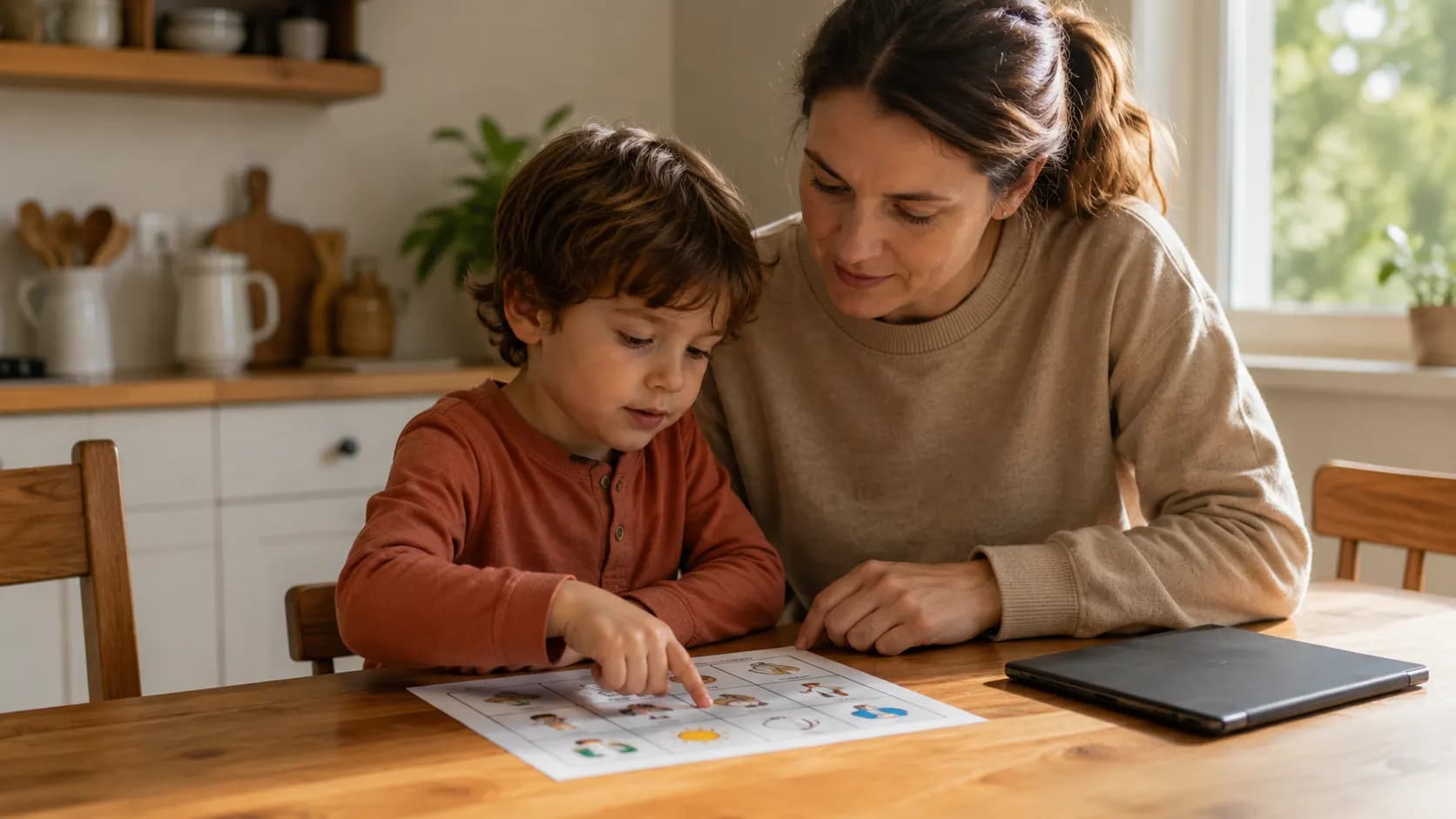

Why a Parent’s Words Stay with a Child
Children may forget the toys they received, the clothes they wore, or what they ate for dinner last week. Yet a single sentence from a parent can remain in their mind for years.
Words spoken during an ordinary morning, a difficult school day, or a family argument can quietly shape how a child sees themselves. Some words become a source of confidence. Others turn into painful memories that follow them into adulthood.
Parents do not need perfect words every day. Nobody speaks perfectly when they are tired, stressed, or worried. What matters is understanding that children often hear more than adults realize.
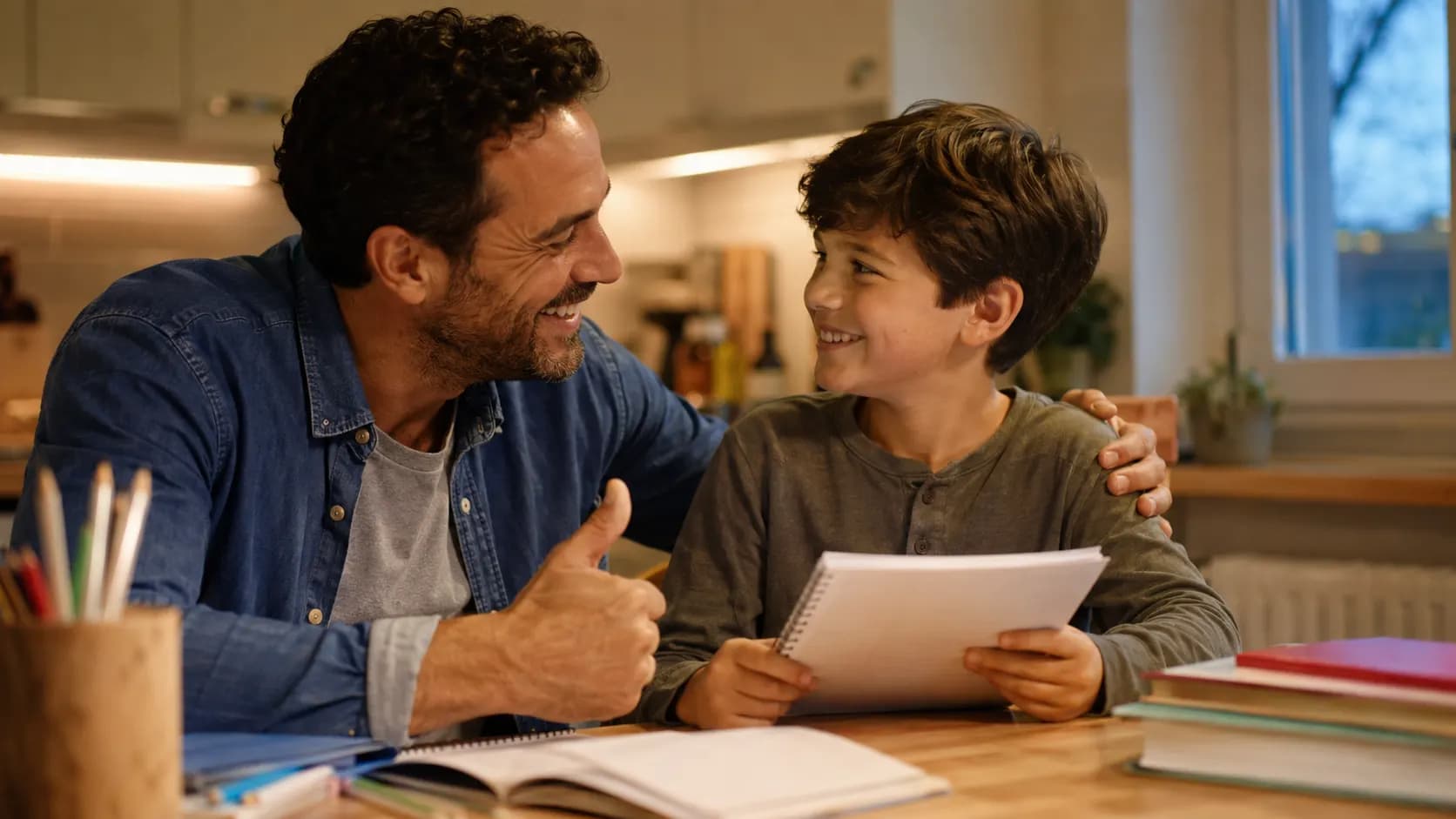
“I Am Proud of You”
This is one of the most powerful things a parent can say.
A child does not need to win a competition or receive perfect marks before hearing it. Parents can be proud of effort, patience, courage, kindness, or improvement.
Imagine a child who struggles with reading but finishes a full page without giving up. Hearing, “I am proud of how hard you worked,” tells the child that effort matters.
These words become an inner voice. Years later, that child may face a difficult job interview, a failed exam, or a personal setback and still remember that someone believed in them.
“I Believe You”
Children sometimes hesitate to speak when something has frightened, embarrassed, or upset them. They may worry that adults will dismiss their feelings.
When a parent says, “I believe you,” the child feels protected. It tells them that their voice matters and that home is a safe place to speak.
This does not mean parents must agree with every detail immediately. It means listening calmly before judging. A child who feels heard is more likely to ask for help when facing bullying, friendship problems, online risks, or other difficult situations.
“Mistakes Are Part of Learning”
Many children are afraid of disappointing their parents. They may hide poor marks, broken objects, or failed attempts because they expect anger.
A simple sentence such as, “You made a mistake, but we can work through it,” changes the whole situation.
The child still learns responsibility. The difference is that shame does not become the main lesson.
When children understand that mistakes can be repaired, they become more willing to try new things. They also learn to admit when something has gone wrong instead of covering it up.

Keep reading
Simple Ways to Make Your Child Feel Loved Every Day
“I Love Spending Time with You”
Children notice when parents are physically present but mentally somewhere else. A parent might be checking messages, thinking about work, or rushing through household tasks.
Telling a child, “I love spending time with you,” makes ordinary moments feel meaningful. It could be said while cooking together, walking to a shop, drawing at the table, or talking before bedtime.
The activity does not need to be expensive or exciting. Children often remember attention more clearly than entertainment.
“I Am Listening”
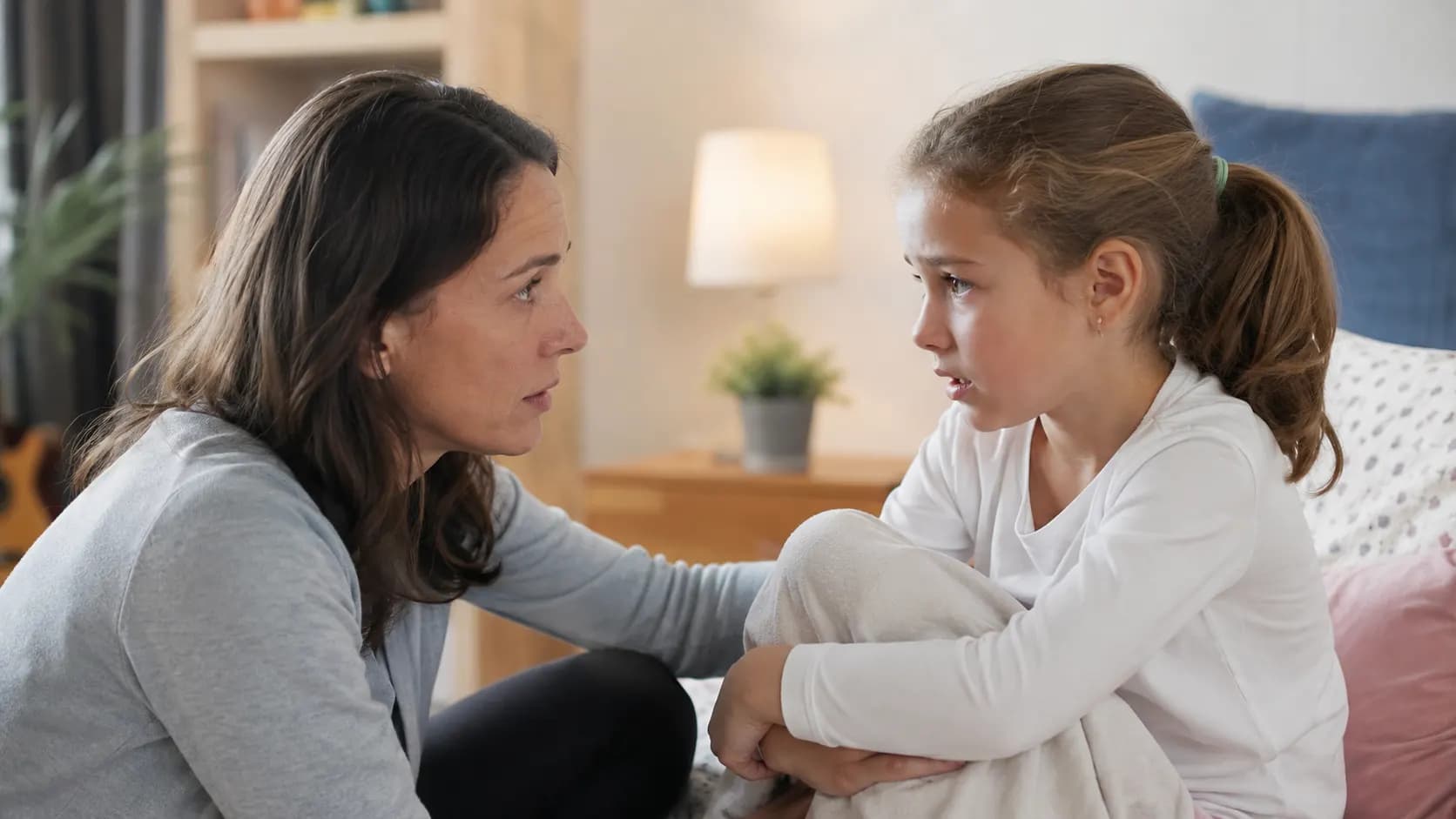
Sometimes a child tells a long story about school that seems unimportant to an adult. There may be details about who sat where, what someone said, or why a game went wrong.
Listening to those small stories helps parents hear the bigger ones later.
Saying, “I am listening,” and giving the child a few quiet minutes shows respect. It also teaches them how healthy conversations feel.
Words Children May Remember Painfully
Not every lasting sentence is positive.
Comments such as, “Why can’t you be like your brother?” or “You never do anything right,” can stay with a child for a long time. Even when spoken in frustration, these words may become part of how the child describes themselves.
Jokes about appearance, intelligence, fear, or emotions can also leave deep marks. An adult may forget the comment by the next day. The child may replay it for years.
Correction is necessary, but it should focus on the behavior rather than attacking the child’s identity. “What you did was unkind” is very different from “You are a bad child.”
Reference notes
Sources and further reading
- Healthychildren (opens in a new tab)https://www.healthychildren.org/English/family-life/family-dynamics/communication-discipline/Pages/improving-family-communications.aspx
- Healthychildren (opens in a new tab)https://www.healthychildren.org/English/family-life/family-dynamics/communication-discipline/Pages/Components-of-Good-Communication.aspx
- CDC (opens in a new tab)https://www.cdc.gov/parenting-toddlers/communication/index.html
Our editorial promise
Prepared with clarity and care.
This guide completed our editorial review before publishing. If something needs attention, report a correction or contact the publisher.
About this article
- Published:
- Last updated:
- Author:
- Ceyora Editorial Team
- Review status:
- Editorially reviewed
- Sources:
- 5
- Corrections:
- Report an issue