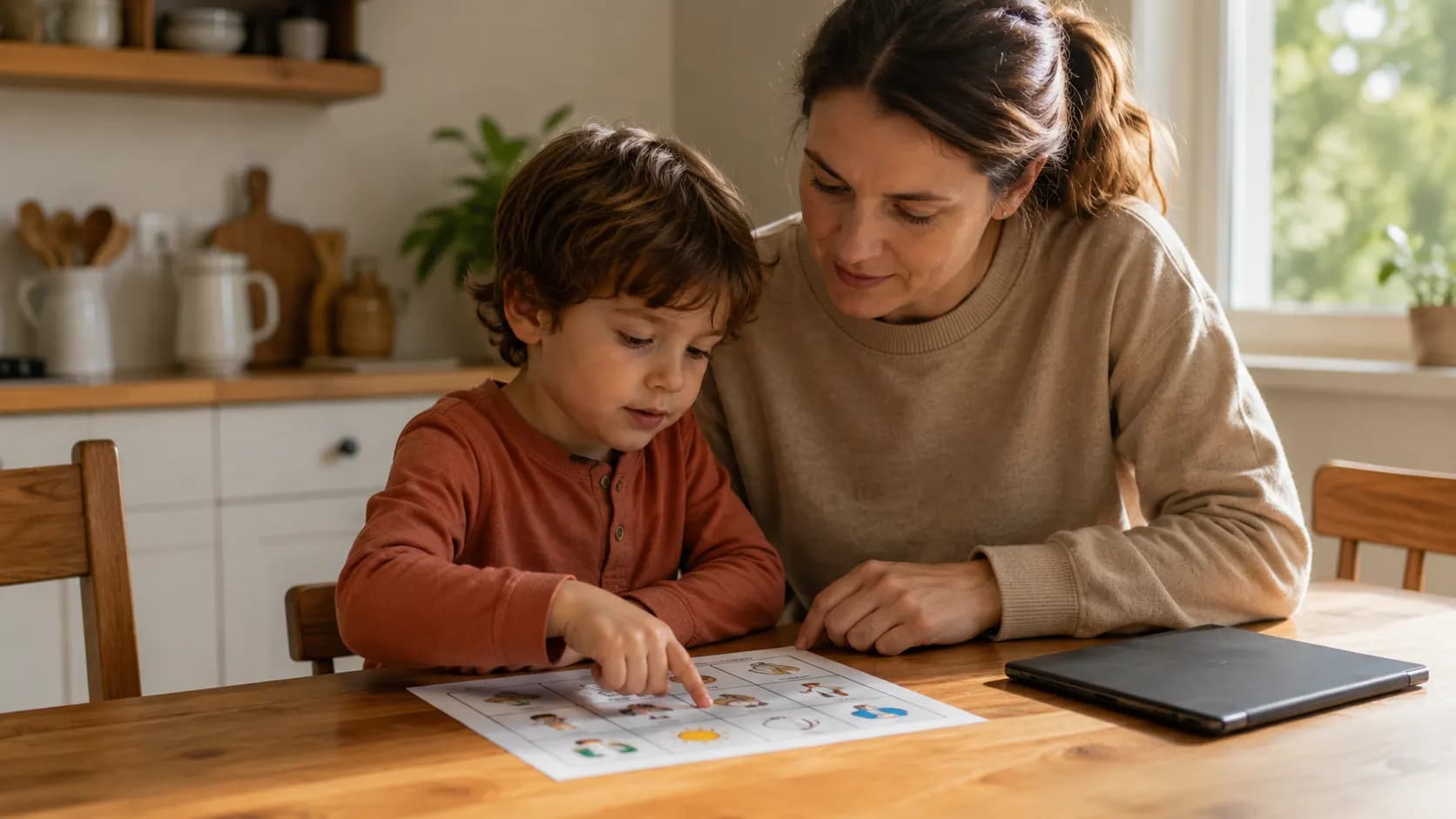

Simple Ways to Make Your Child Feel Loved
Children do not always need big gifts, expensive toys, or perfect family days to feel loved. Most of the time, they notice the small things. The way you listen when they talk. The way you remember what they like. The way you look at them when they walk into the room.
Love is not only something parents feel inside. Children need to feel it in daily life.
And the truth is, many parents love their children deeply, but busy days can make that love feel hidden. Work, cooking, school problems, bills, noise, screens, tiredness. It all gets in the way. A child may not understand that you are stressed or exhausted. They only feel what reaches them.
The good news is simple. You do not need to become a perfect parent. Small actions can make your child feel safe, seen, and important.
Listen Without Rushing Them
One of the easiest ways to make a child feel loved is to really listen. Not half listening while looking at your phone. Not only saying “hmm” while thinking about dinner. Actual listening.
When your child tells you a long story about school, a cartoon, or a tiny problem that sounds silly to adults, it may be important to them. If you stop for a minute, look at them, and respond properly, they feel valued.
You do not have to listen for hours. Even five focused minutes can mean a lot.
A simple line like, “Tell me more, I’m listening,” can make a child feel close to you.
Notice the Little Things

Children love when parents remember small details. Their favorite snack. The name of their best friend. The drawing they made yesterday. The game they wanted to play.
It tells them, “You matter to me.”
You can say things like, “I remembered you like the blue cup,” or “You told me this was your favorite story, right?” These tiny moments may look small, but to a child, they feel big.
Adults often forget how powerful attention is. Children do not measure love the way adults do. They measure it through presence.
Give Affection in Their Way
Some children love hugs. Some do not. Some like sitting close. Some prefer kind words. Some feel loved when you play with them.
Try to notice how your child accepts love best.
If your child enjoys hugs, give them often. If they are not very touchy, do not force it. You can show love through a smile, a gentle voice, a small note in their lunchbox, or sitting near them while they do homework.
Love should feel safe, not forced.
Spend Small Pockets of Time Together
Many parents think they need a full free day to connect with their child. But children often remember small repeated moments more than big planned ones.

Keep reading
Things Parents Say That Children Never Forget
Ten minutes of playing. A short walk. Folding clothes together while chatting. Reading one bedtime story. Making breakfast together on the weekend.
These small pockets of time say, “I enjoy being with you.”
Even after work, when you are tired, try giving your child a few minutes before jumping into house tasks. That first connection can change the whole evening.
Praise Effort, Not Only Results
Children need to know they are loved even when they do not win, score high, behave perfectly, or impress anyone.
Praise the effort behind what they do.
Say, “You worked hard on that,” or “I saw you trying again even when it was difficult.” This helps children feel loved for who they are, not only for what they achieve.
This is important. A child who only hears praise when they succeed may start feeling pressure all the time. Love should not feel like a reward.
Say Sorry When You Make a Mistake

Parents lose patience sometimes. They speak too loudly. They misunderstand. They get irritated. That does not make someone a bad parent. It makes them human.
But saying sorry matters.
A simple, “I shouted earlier. That was not right. I was upset, but I should have spoken better,” teaches your child something powerful. It shows them that love includes respect.
Some parents think apologizing makes them look weak. I do not think that is true. It often makes the relationship stronger.
Create Small Family Rituals
Children feel secure when there are warm routines in the home. It does not need to be fancy.
A bedtime story. Friday movie night. A good morning hug. Eating together without phones for a few minutes. Asking “What was the best part of your day?” at dinner.
These habits become emotional memories. Years later, children may not remember every toy they owned, but they may remember how home felt.
Reference notes
Sources and further reading
- Parents (opens in a new tab)https://www.parents.com/11-simple-ways-to-show-your-child-you-love-them-every-day-11974833
- Healthychildren (opens in a new tab)https://www.healthychildren.org/English/family-life/family-dynamics/Pages/14-Ways-to-Show-Your-Child-Love.aspx
- Readbrightly (opens in a new tab)https://www.readbrightly.com/simple-ways-make-child-feel-loved/
Our editorial promise
Prepared with clarity and care.
This guide completed our editorial review before publishing. If something needs attention, report a correction or contact the publisher.
About this article
- Published:
- Last updated:
- Author:
- Ceyora Editorial Team
- Review status:
- Editorially reviewed
- Sources:
- 5
- Corrections:
- Report an issue