Why Low Hemoglobin Can Make You Feel Drained
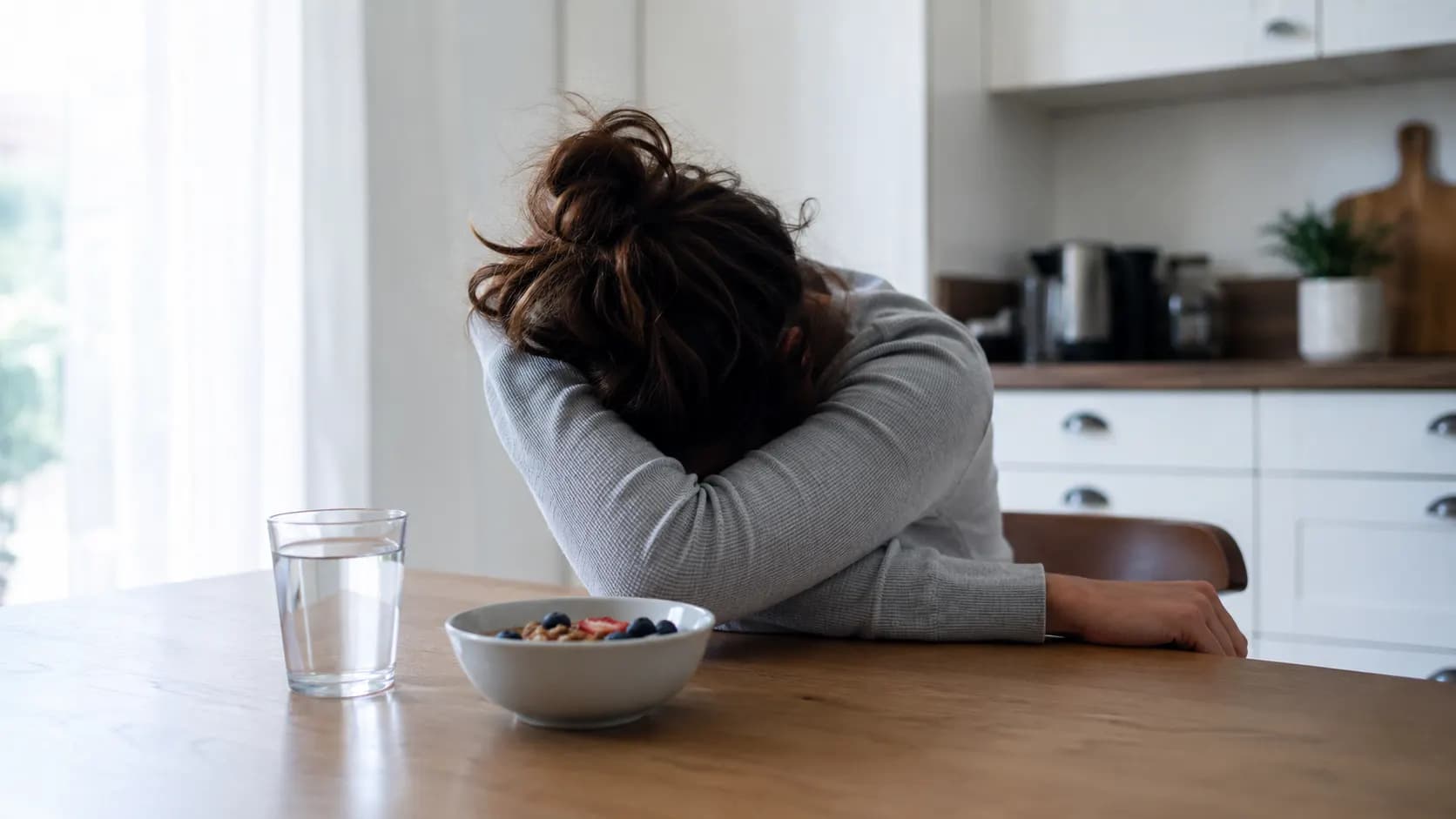
Low hemoglobin can make normal life feel harder than it should. You may feel tired after small tasks. Walking upstairs can feel heavier. Your hands and feet may feel cold. Some people notice headaches, dizziness, pale skin, or shortness of breath. It is not always dramatic, but it can slowly affect the way you move through the day.
Hemoglobin is the protein in red blood cells that helps carry oxygen around the body. Iron is needed to make hemoglobin. When iron is low, the body may struggle to make enough healthy red blood cells, and that can lead to iron deficiency anemia. This is one reason iron rich foods matter, especially for people who have been told their hemoglobin is low. NHS guidance explains that iron is important for making red blood cells, which carry oxygen around the body.
Food can help, but it is not the whole story. Low hemoglobin can happen because of low iron intake, heavy periods, pregnancy, poor absorption, blood loss, certain medical conditions, or other nutrient deficiencies. That is why it is important to know the cause, not just eat more spinach and hope everything fixes itself.
Why Iron Rich Foods Matter
Iron comes in two main forms. Heme iron comes from animal foods like meat, poultry, and seafood. Non heme iron comes from plant foods like beans, lentils, spinach, tofu, nuts, seeds, and fortified cereals. Harvard’s Nutrition Source explains that heme iron is found in animal flesh, while non heme iron is found in plant foods.
Heme iron is usually easier for the body to absorb. That does not mean plant foods are useless. They can still help a lot, especially when you eat them with vitamin C rich foods.
Best Animal Based Iron Foods
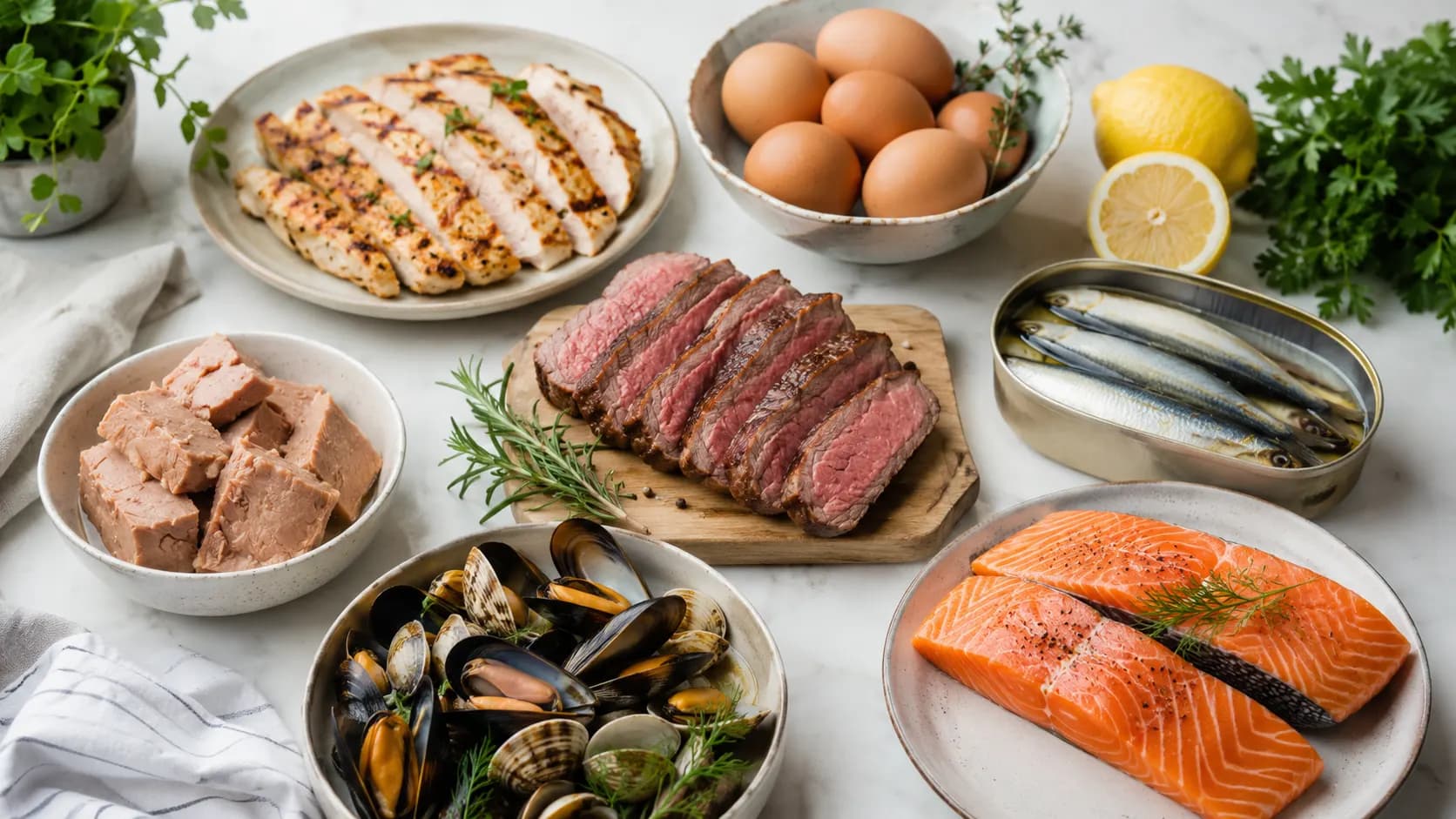
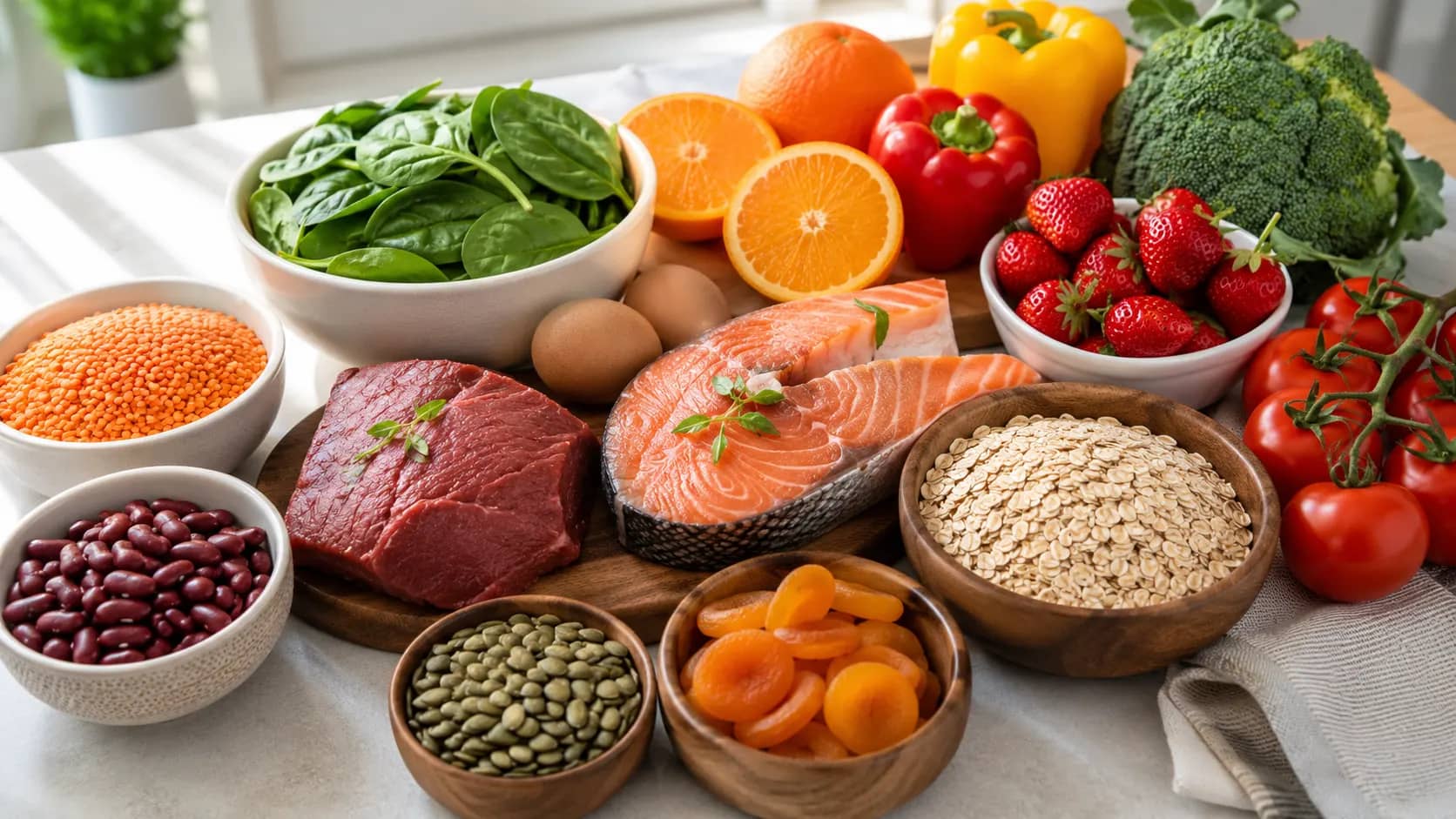
If you eat animal foods, some of the best iron choices include lean beef, lamb, chicken, turkey, liver, sardines, tuna, salmon, eggs, and shellfish.
Liver is very high in iron, but it is not something everyone should eat often. Pregnant women, for example, are usually advised to be careful with liver because it is very high in vitamin A. For everyday eating, lean meats, fish, eggs, and poultry are more realistic choices.
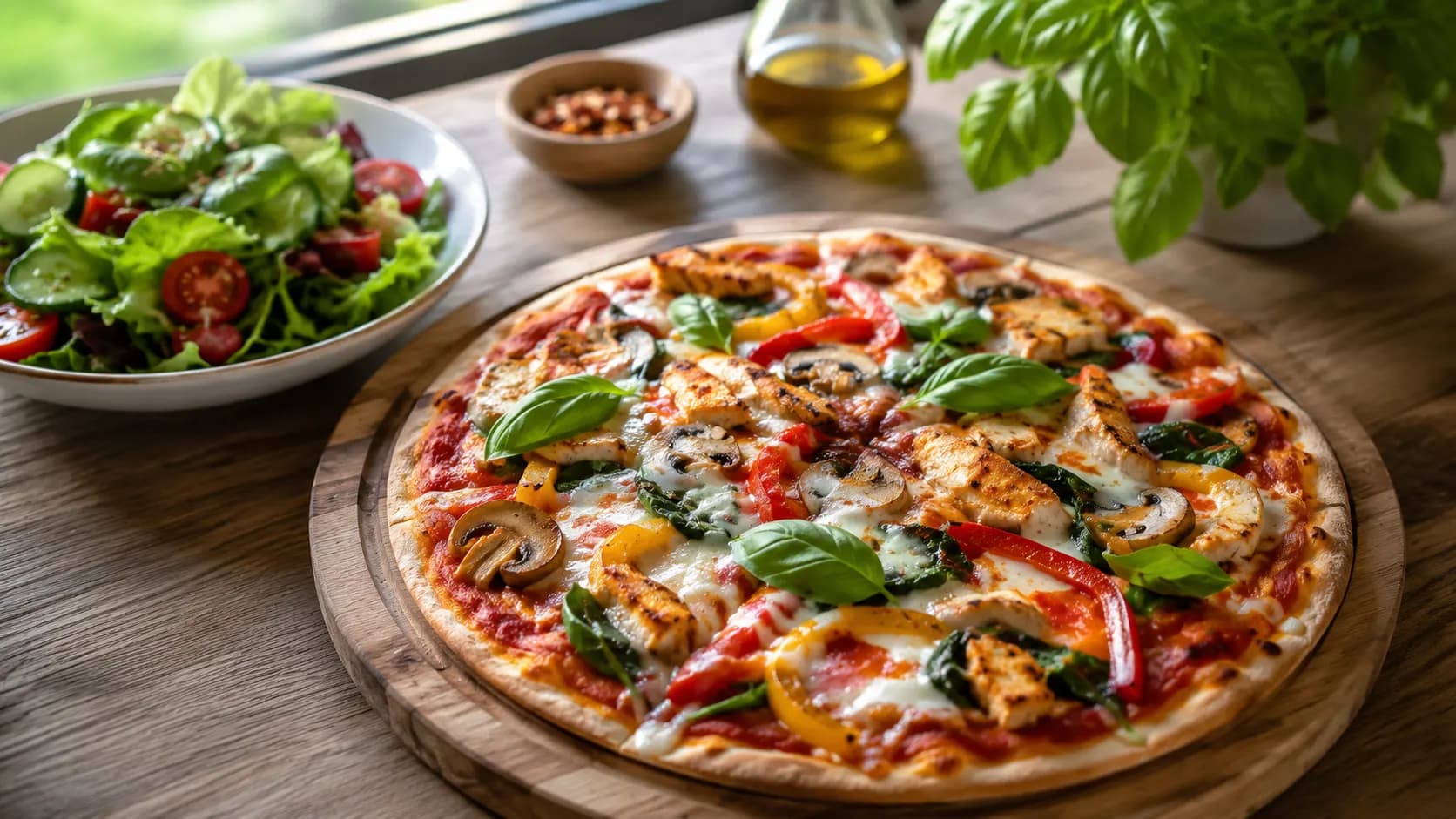
A simple meal could be grilled chicken with lentils and salad. Or tuna with whole grain toast and tomatoes. Nothing fancy. Just food that gives your body useful building blocks.
Best Plant Based Iron Foods
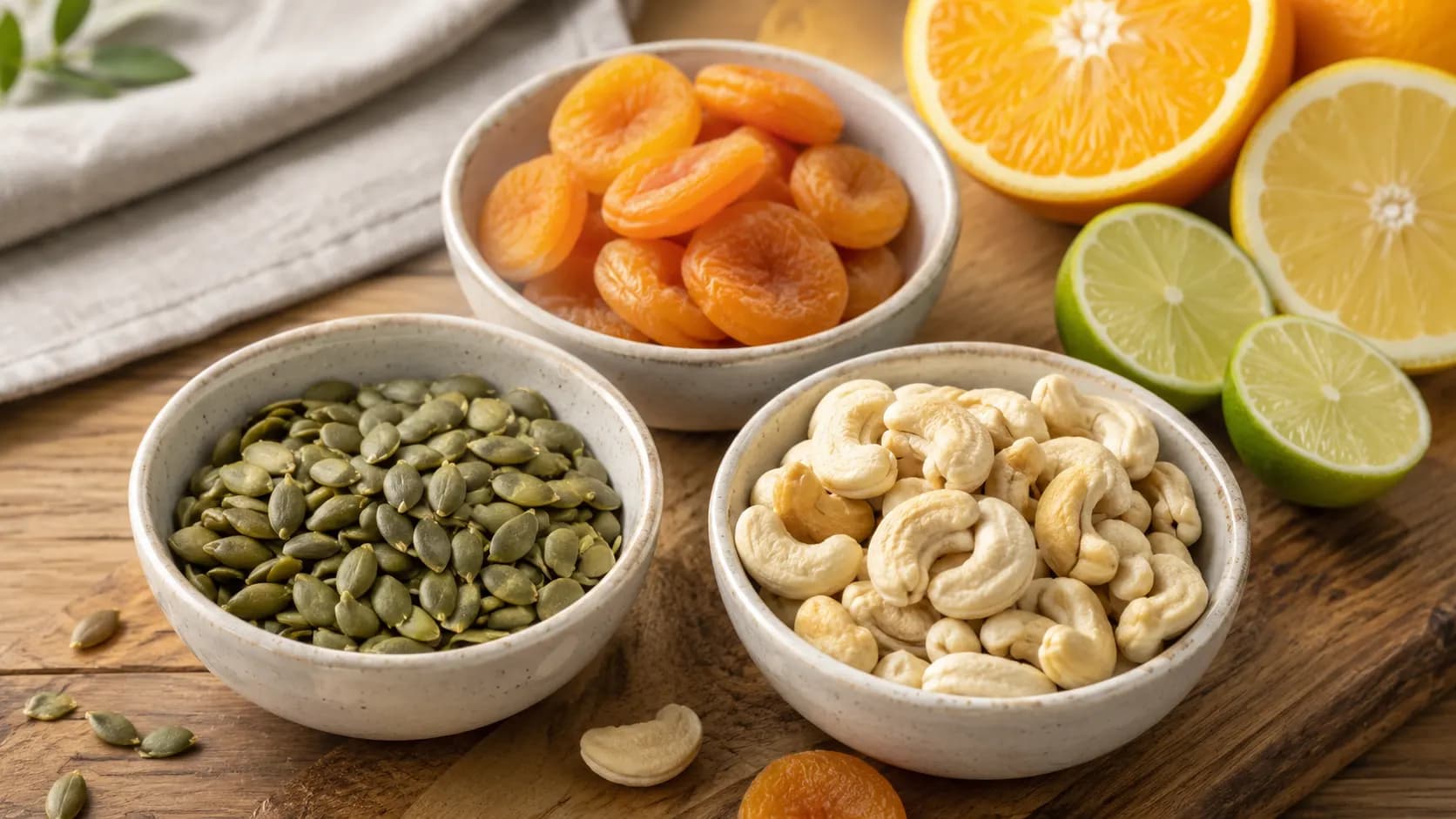
Plant based iron foods are helpful for vegetarians and for anyone who wants more variety. Good options include lentils, chickpeas, beans, tofu, tempeh, spinach, kale, pumpkin seeds, sesame seeds, cashews, quinoa, oats, dried apricots, raisins, and iron fortified cereals.
Lentils are one of my favorite practical choices because they are cheap, filling, and easy to add to rice, soups, curries, or salads. Pumpkin seeds are also simple. You can sprinkle them on oats, yogurt, or a smoothie bowl.
Keep reading
Iron Rich Foods That Actually Support Healthy Energy Levels
Spinach is healthy, but it should not be the only iron food you depend on. It contains non heme iron, and the body does not absorb all of it easily. Mix different iron foods instead of relying on one “superfood.”
Pair Iron with Vitamin C
This is one of the most useful tricks.
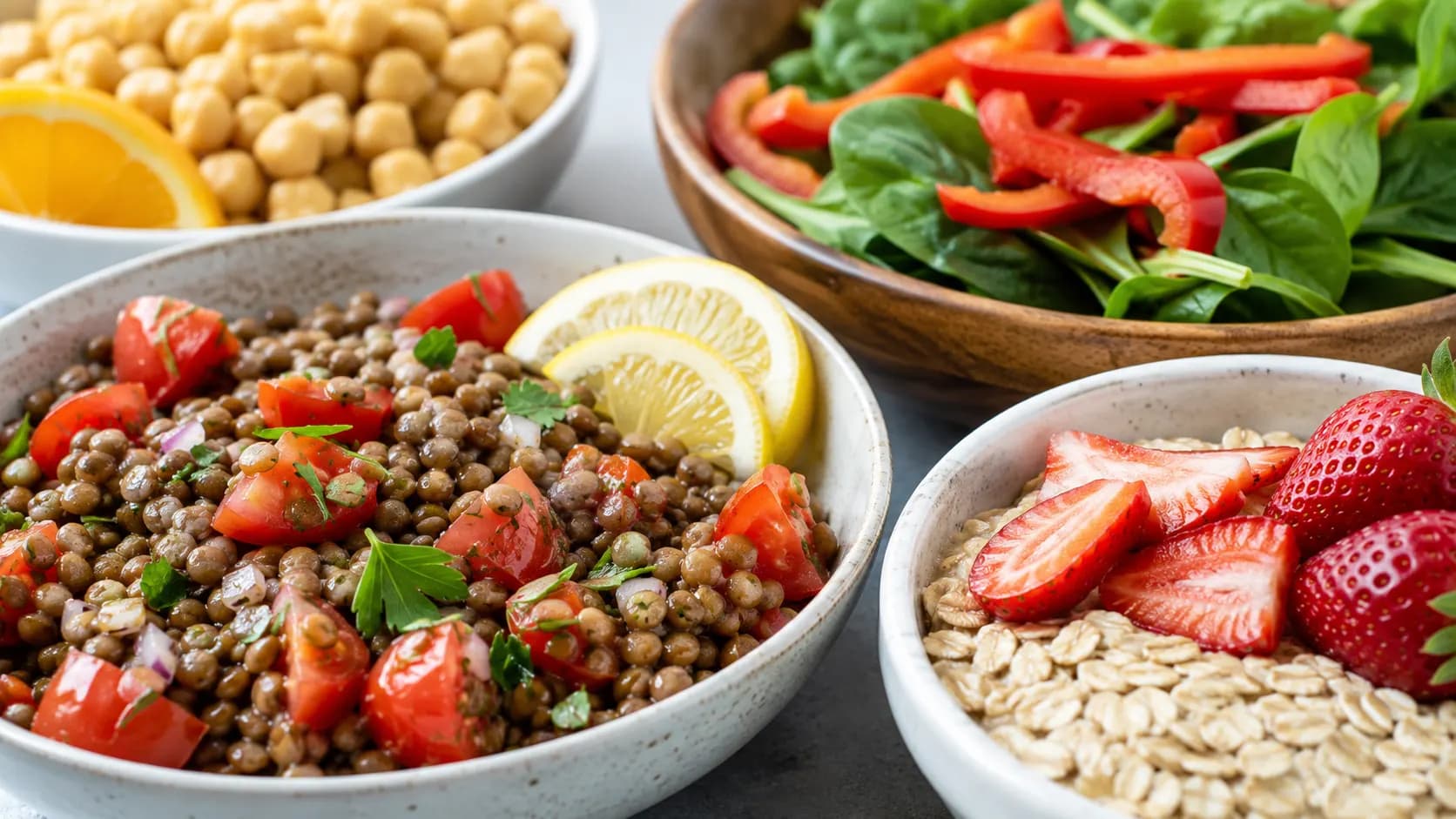
Vitamin C helps the body absorb non heme iron better. Mayo Clinic notes that eating foods high in vitamin C at the same time as iron rich foods can help the body take in more iron.
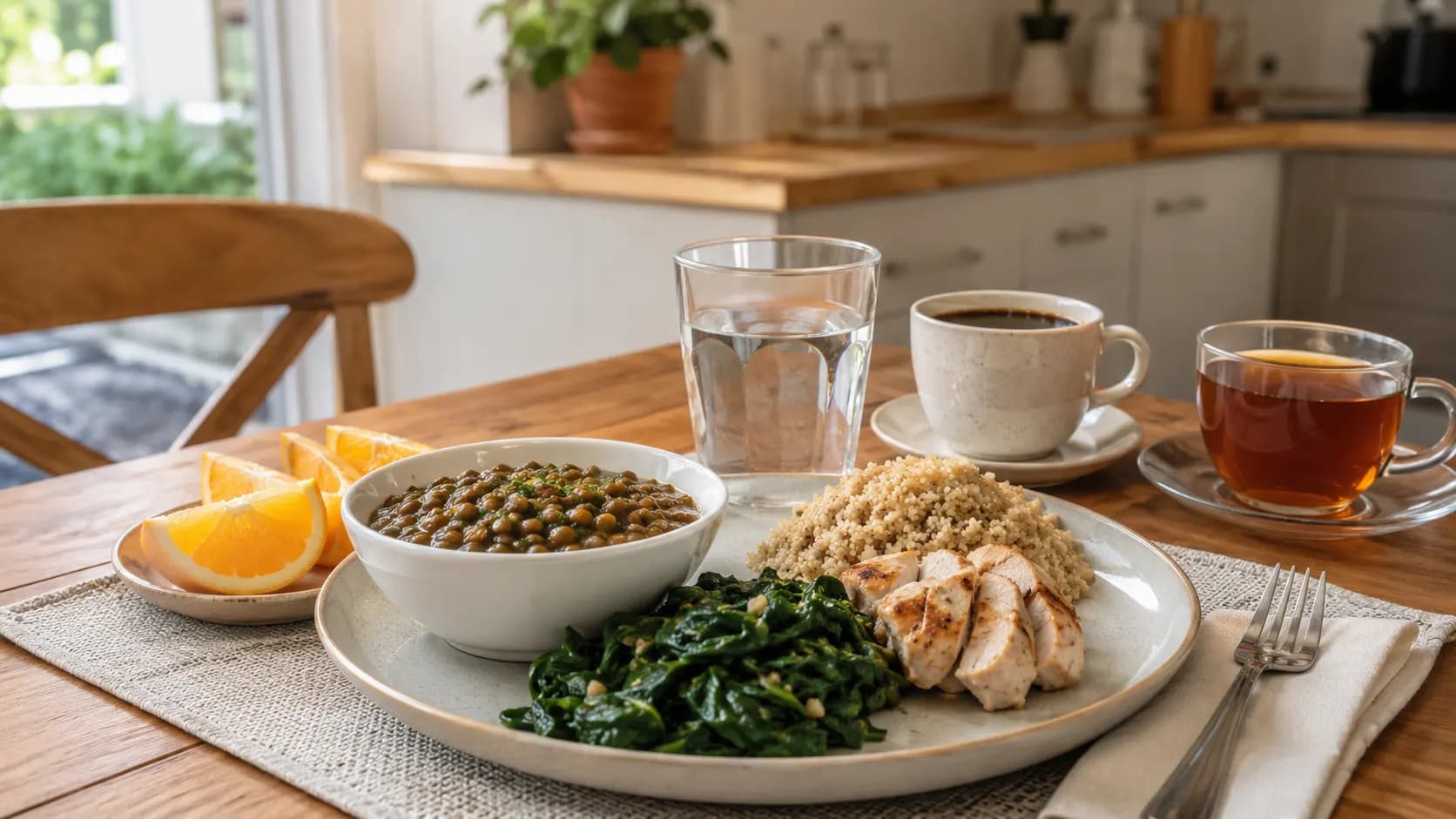
Try lentils with tomatoes. Chickpeas with lemon juice. Spinach with bell peppers. Iron fortified cereal with strawberries. Beans with orange slices on the side.
Small combinations like this can make the meal work harder for you.
Be Careful with Tea, Coffee, and Dairy Around Iron Meals
Tea and coffee can reduce iron absorption when taken close to meals. Milk and dairy may also interfere with iron absorption if taken in large amounts around iron rich meals. The NHS notes that tea, coffee, milk, dairy, and high phytic acid foods can make it harder for the body to absorb iron.
This does not mean you can never drink tea or coffee. Timing matters. If you are trying to improve iron levels, it may be better to keep tea, coffee, and large dairy servings away from your main iron rich meals.
Reference notes
Sources and further reading
Our editorial promise
Prepared with clarity and care.
This guide completed our editorial review before publishing. If something needs attention, report a correction or contact the publisher.
About this article
- Published:
- Last updated:
- Author:
- Ceyora Editorial Team
- Review status:
- Editorially reviewed
- Sources:
- 5
- Corrections:
- Report an issue