Beyond Watching Anime on a Screen
Japan offers temples, fast trains, regional food and enormous modern cities. It is also the birthplace of anime as most viewers recognize it today.
Watching a series from another country can create a strong connection with Japan. Visiting is different. Train station sounds feel familiar. Convenience stores sell snacks seen in animated stories. Character displays appear in shopping centers, and advertisements for new releases become part of the city background.
Anime may inspire the trip, but it is only one part of Japanese culture. The best journey leaves room for history, food, neighborhoods, nature and ordinary daily life.
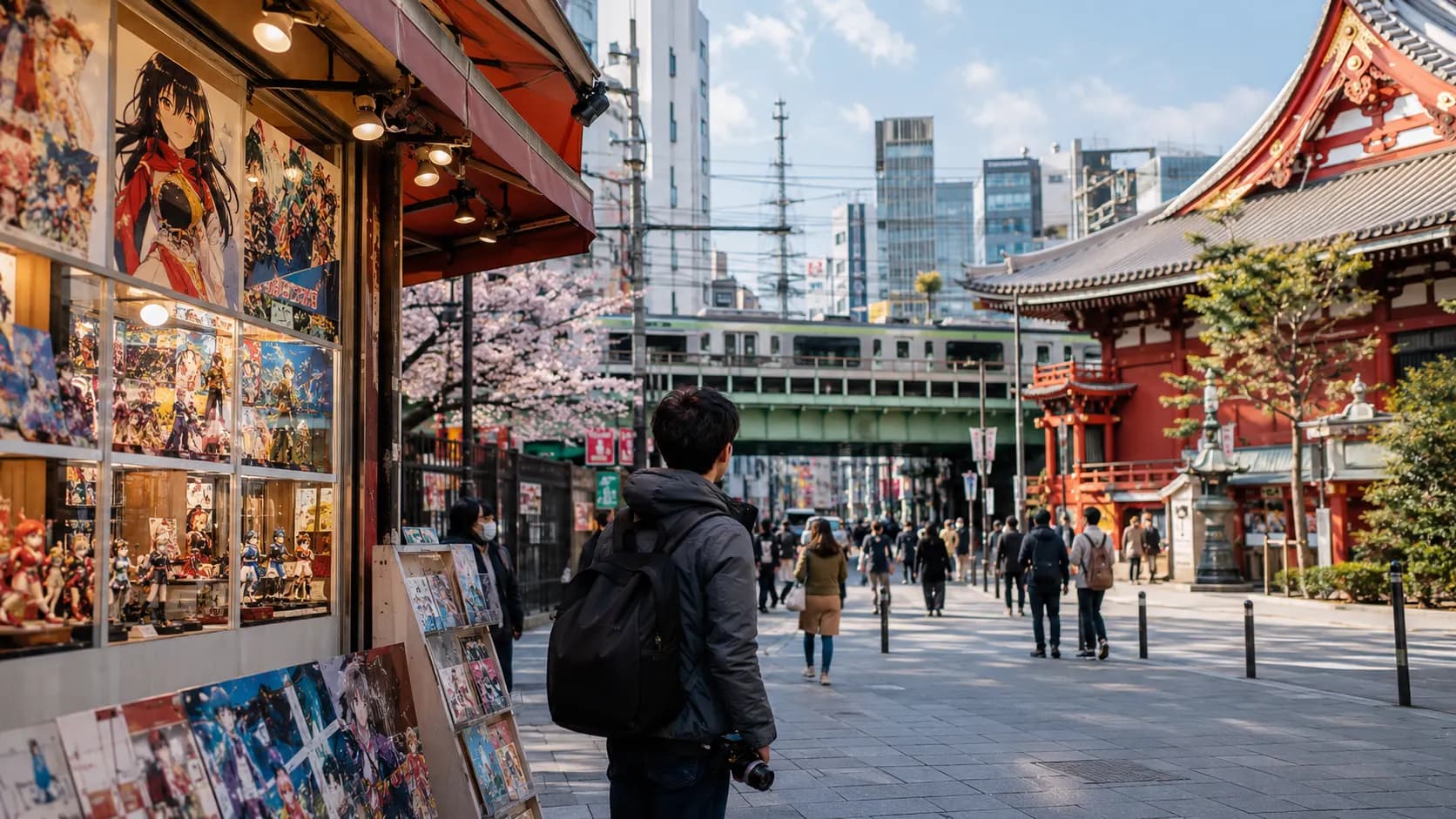
Anime as Part of Modern Japanese Culture
Anime is not one genre and it is not made only for children. It includes romance, comedy, science fiction, fantasy, sport, mystery, drama and historical stories.
International viewers are often introduced to Japanese school life, festivals, trains, countryside, food, work, friendship and family relationships through these stories. Some details are fictional, while others reflect real customs and places.
Still, Japan cannot be understood through anime alone. Its regional traditions, religions, arts, social expectations and long history extend far beyond popular entertainment.
Begin in Akihabara
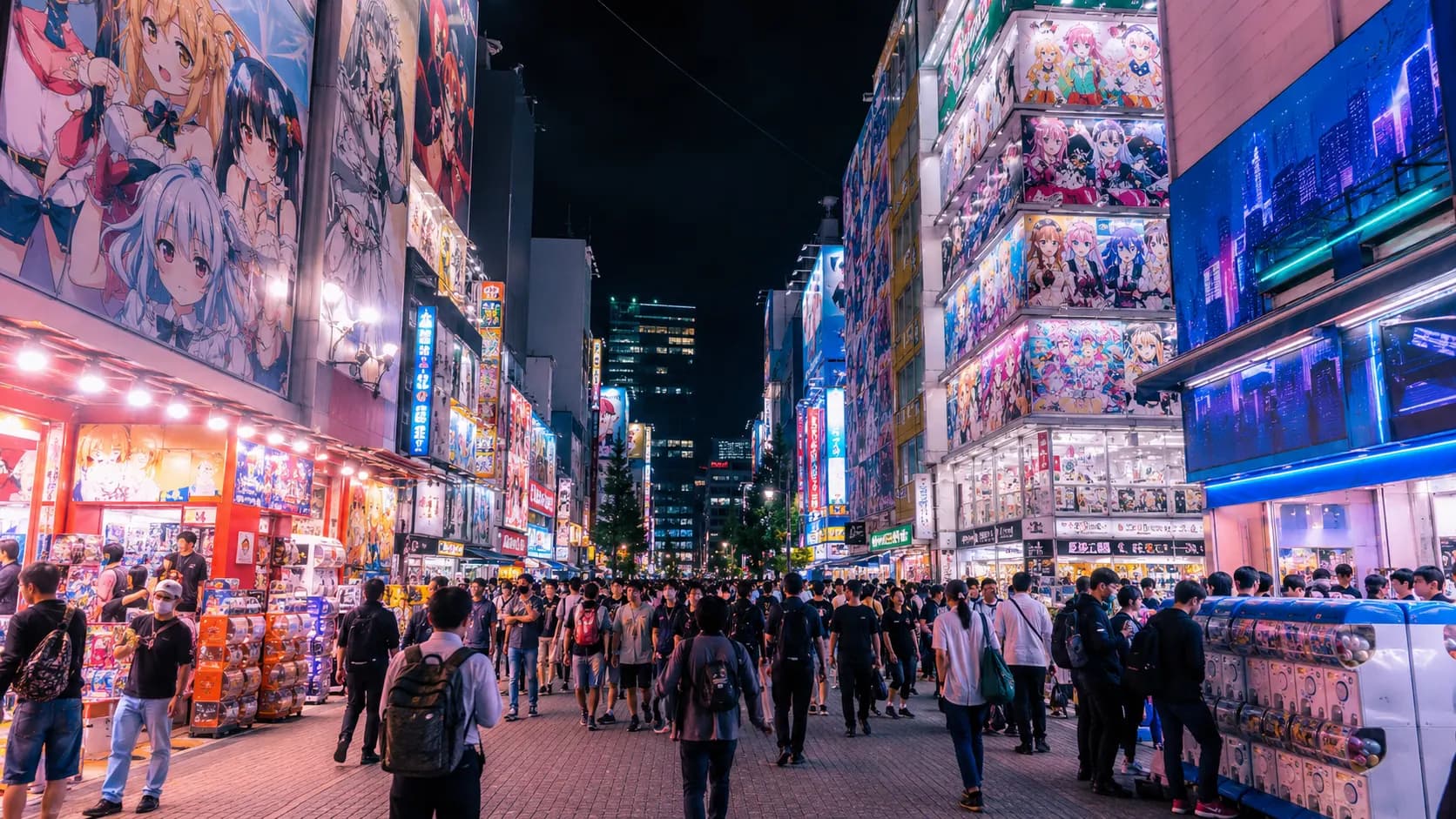
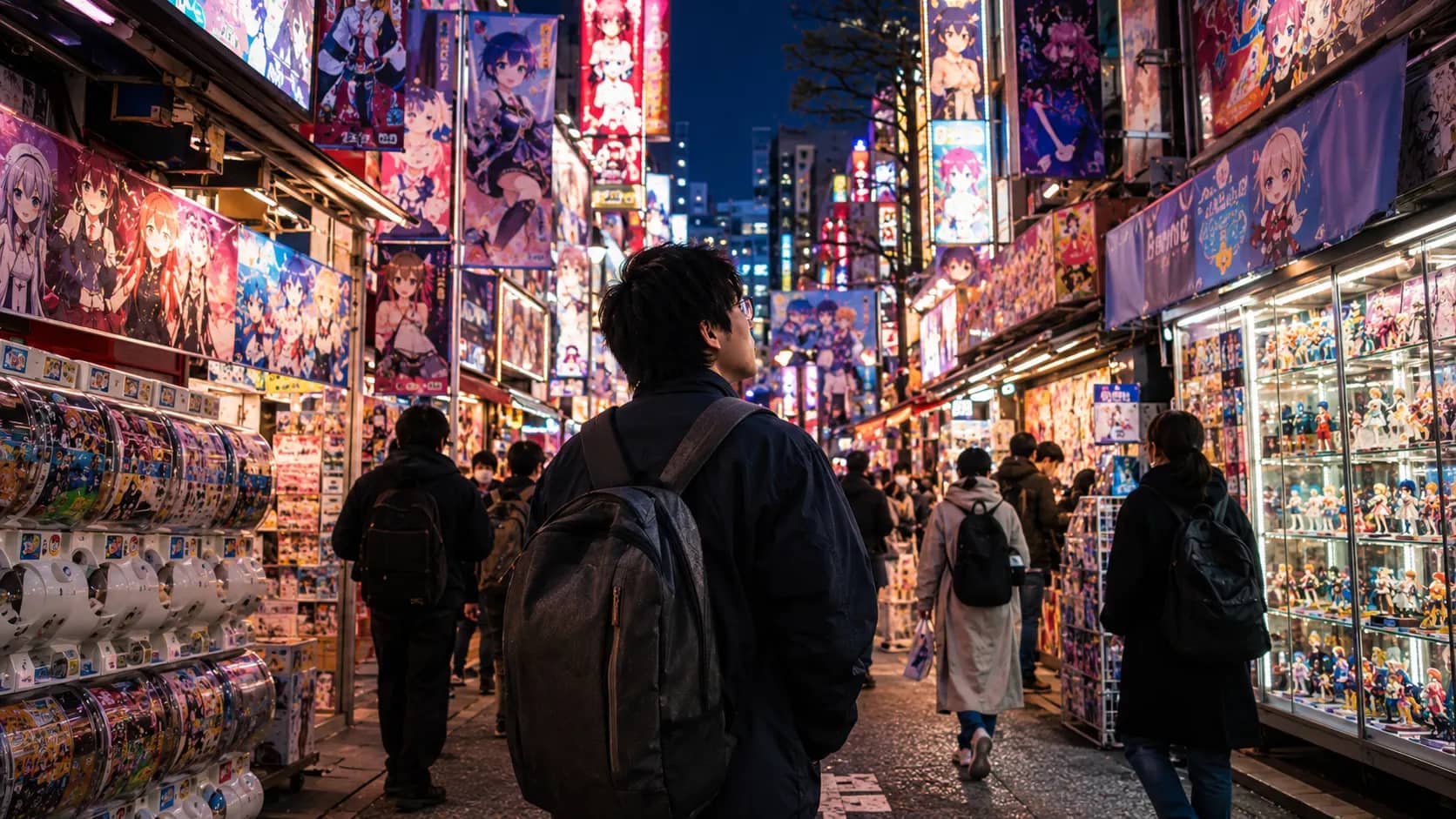
Akihabara is one of Tokyo’s best known areas for anime, manga, gaming and electronics. Its main streets contain large shops, arcades, capsule toy machines and displays filled with figures and character goods.
Look beyond the ground floor. Many specialist shops occupy several levels, while smaller stores may be hidden above restaurants or electronics businesses. Check the building directory near the entrance before walking away.
Second hand shops can be especially interesting. You may find older games, used figures, collectables and products that are no longer widely available. Even without buying anything, Akihabara is enjoyable for its displays, arcades and unusual mixture of technology and pop culture. Tokyo’s official guide describes it as a major destination for anime, manga, games, figures and niche specialist shopping.
Explore Ikebukuro
Ikebukuro provides another major anime and manga experience, but the atmosphere feels different from Akihabara.
Character shops, manga stores, cafés, entertainment venues and pop culture retailers are mixed with large shopping centres, restaurants and ordinary city attractions. This can make Ikebukuro easier to include in a general Tokyo sightseeing day.
The area is also home to Anime Tokyo Station, which hosts exhibitions and archival material connected to Japanese animation.
Search for Rare Collectables in Nakano
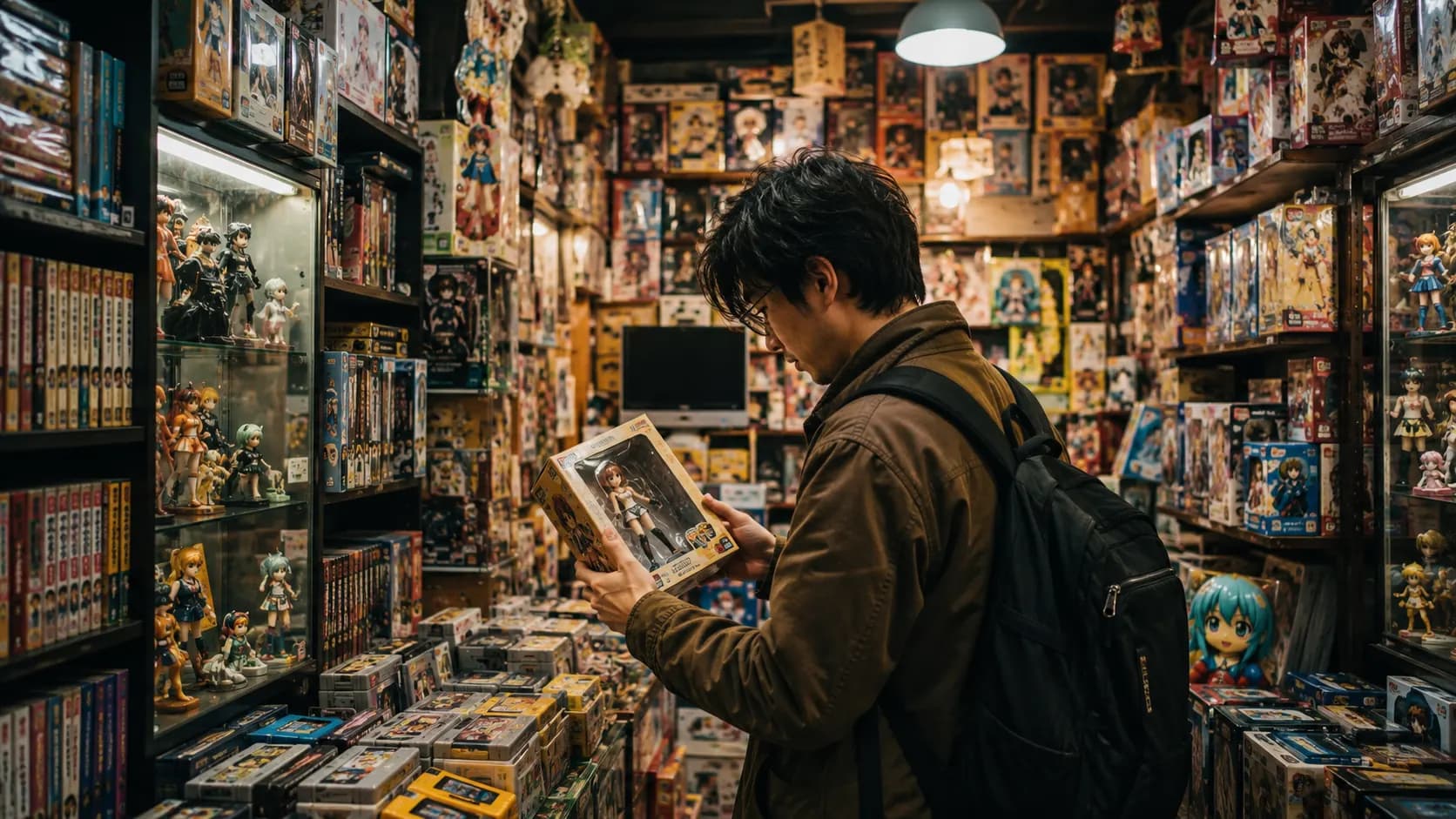
Nakano is worth visiting when you want vintage manga, retro games, older merchandise, toys, rare figures and second hand collectables.
Nakano Broadway contains many small specialist stores. Patient visitors may discover items that are difficult to find in larger modern shops. It usually feels calmer than central Akihabara, although serious collectors can still spend hours browsing.
Compare prices before purchasing. Inspect the box, item condition, included accessories and completeness. A lower price may reflect damaged packaging or a missing part.
Visit the Ghibli Museum
The Ghibli Museum in Mitaka explores animation as a creative process. Its architecture, exhibits, original short films and quiet spaces encourage visitors to look closely rather than rush between attractions.
It should not be treated as a conventional theme park. The pleasure comes from discovering small details, understanding how animated scenes are created and moving through an imaginative building.
Admission is by advance reservation. Visitors should check ticket availability, opening dates and current instructions through the official museum website before arriving.
Discover Ghibli Park
Keep reading
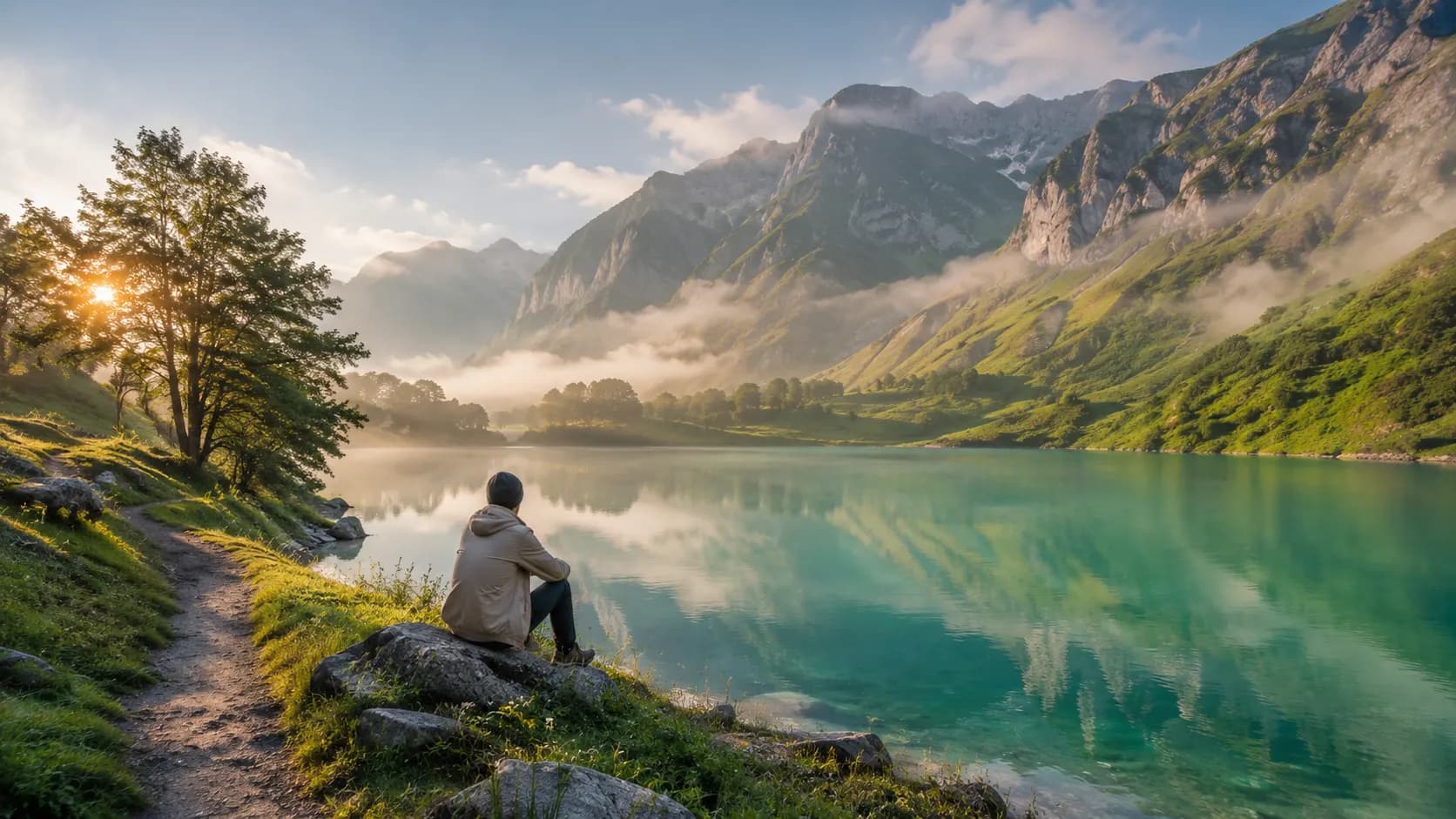
Beautiful Places That Feel Peaceful, Not Crowded
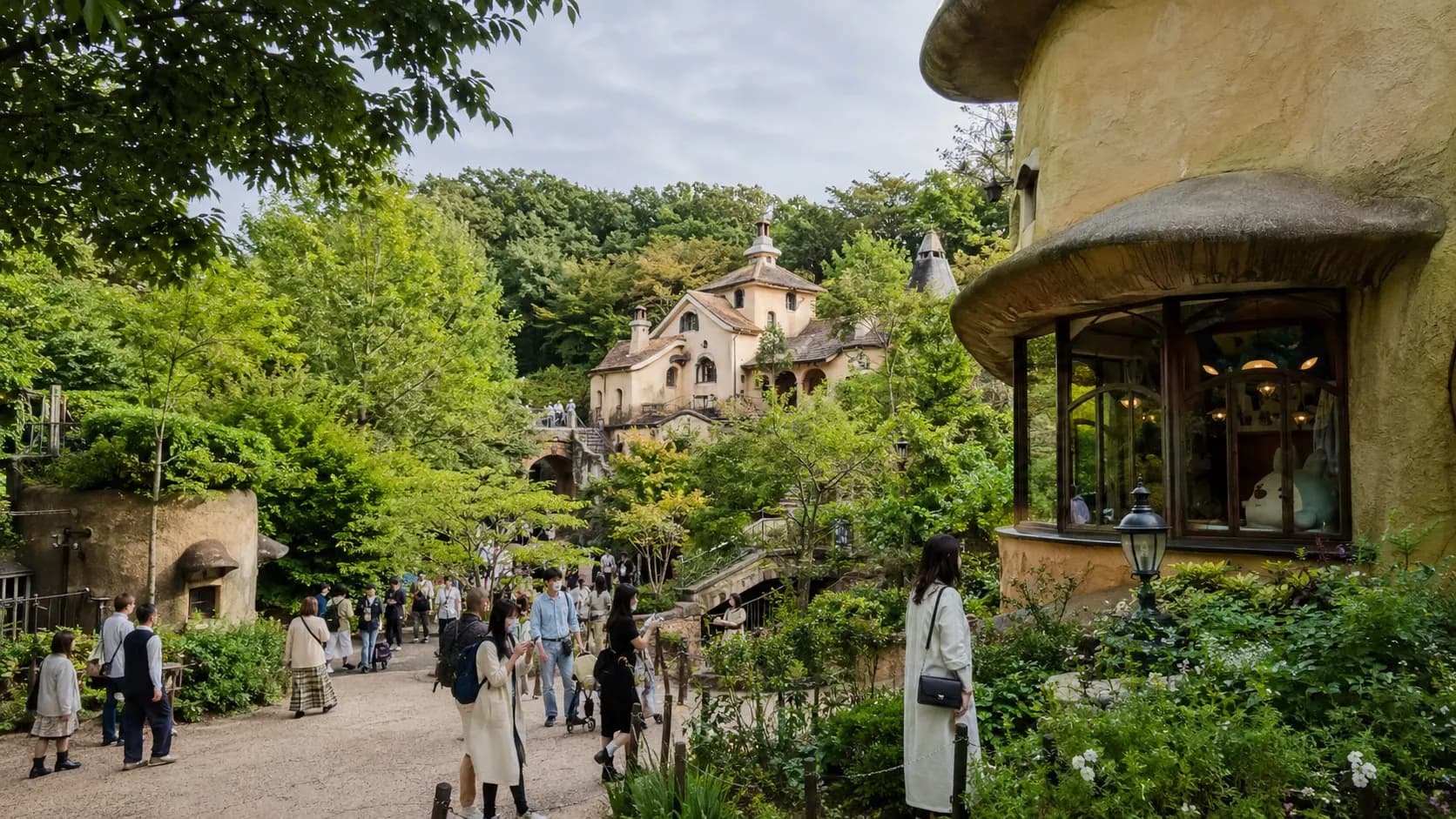
Ghibli Park is in Aichi Prefecture and is separate from the Ghibli Museum in Tokyo.
It focuses on recreated environments, buildings, film details, exploration and nature rather than large thrill rides. Because it is outside central Tokyo, travelers need to plan tickets, transport and enough time for the visit.
Advance reservations are required, and tickets for the park cannot be used at the museum.
Visit Places Connected to Anime
Anime location tourism involves visiting railway crossings, coastal towns, shrines, lakes, streets, schools, neighborhoods, rural landscapes and train stations connected with animated works.
Some locations directly inspired a film or series. Others simply resemble settings that fans recognize.
These are real communities, not outdoor film sets. Do not enter private property, block roads, photograph residents without permission or create noise near homes, schools and religious places. Follow posted photography rules and leave space for local people. Japan’s tourism authority specifically advises travelers to seek permission before photographing others and to respect restrictions in shops, museums and sacred places.
Plan a Realistic Anime Travel Budget
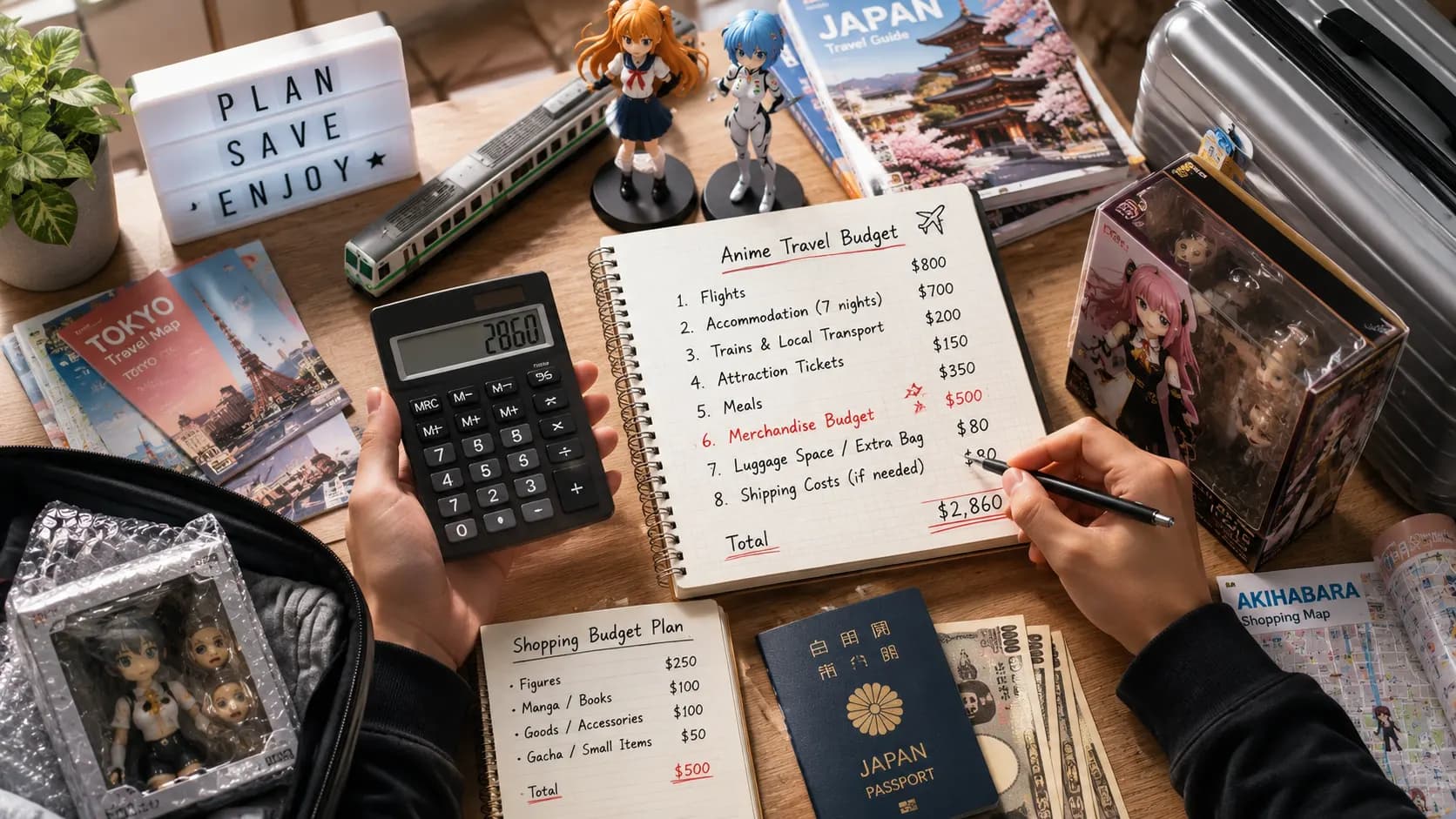
Anime districts are generally free to explore, but shopping can quickly become the largest extra expense.
Your plan should include flights, accommodation, trains, attraction tickets, meals, merchandise, luggage space and possible shipping costs. Create a separate shopping budget before entering large stores.
Figure boxes occupy more room than expected. Protect fragile purchases and check airline luggage limits before assuming everything will fit inside your suitcase.
Shopping Tips for Anime Fans
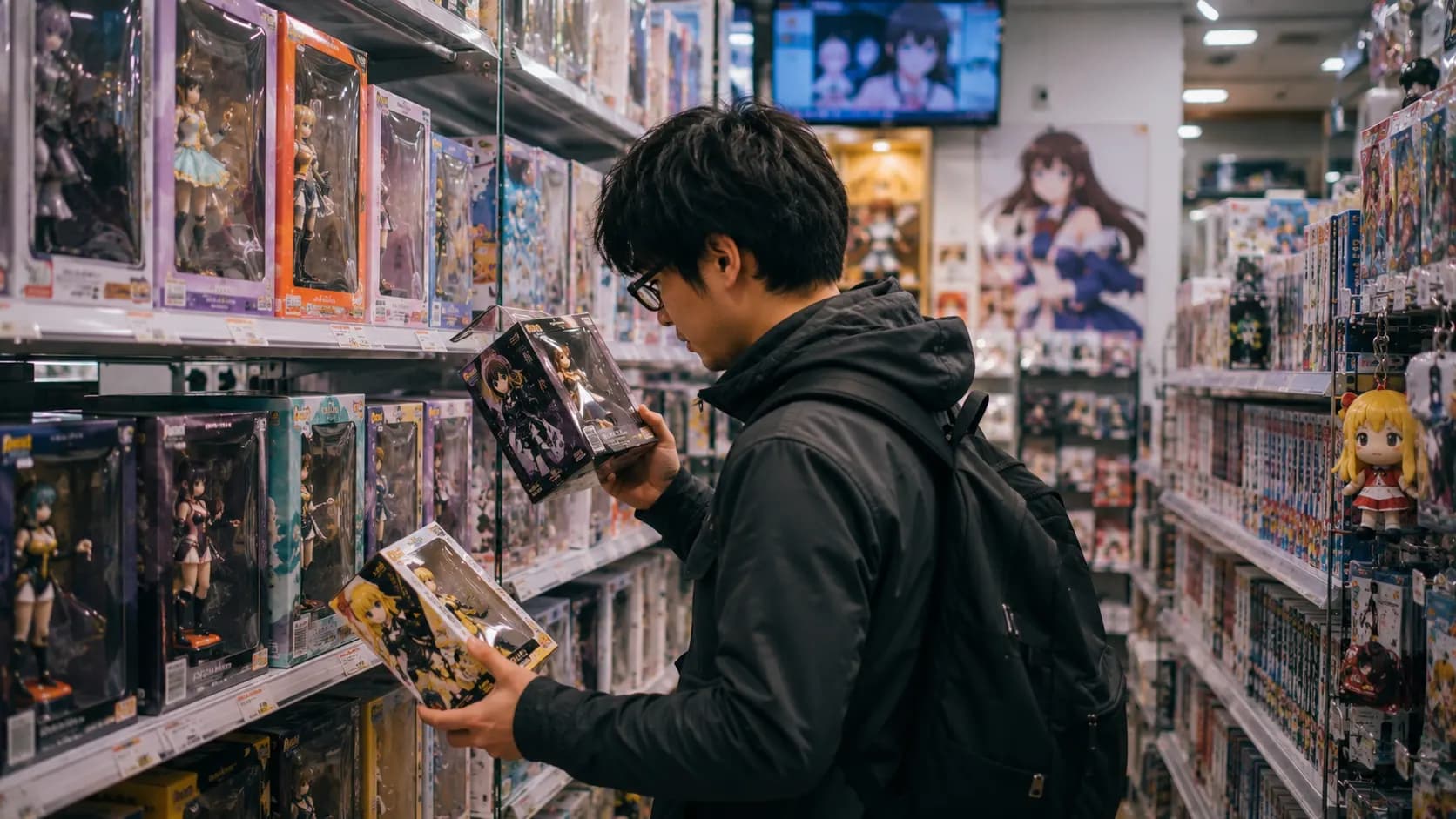
Compare the same product in several stores. Confirm whether it is new or second hand, inspect its packaging and check that every accessory is included.
Keep receipts, ask before taking photographs and never open sealed merchandise before paying. Research current tax free shopping rules before travelling rather than relying on old videos.
Limited releases can create pressure to buy immediately. A rare product is not a good deal when it damages the rest of your travel budget.
Respect Japanese Public Etiquette
Keep your voice low on trains, queue properly and avoid blocking shop aisles. Follow staff instructions and keep shared spaces clean.
Ordinary residential streets are not suitable for disruptive cosplay sessions. Large equipment, loud groups and repeated photographs can inconvenience people who live there.
On public transport, phones should remain quiet and passengers should allow others to leave before boarding.
Combine Anime with the Rest of Japan
Do not spend the entire trip inside merchandise shops.
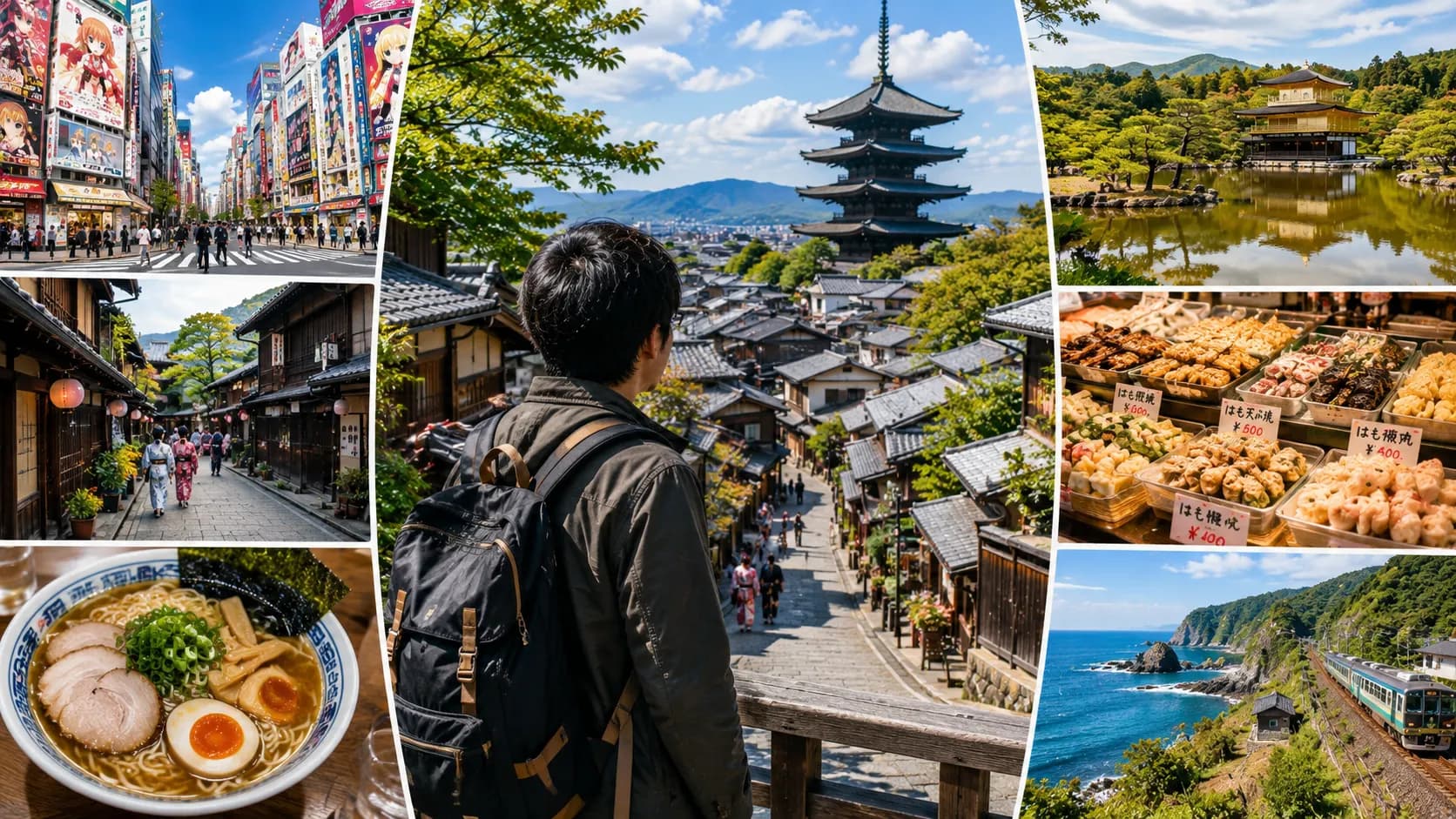
Try regional food, walk through traditional neighborhoods, visit temples and gardens, explore museums, browse markets and take a day trip into nature. Seeing everyday Japanese life can make familiar anime details feel more meaningful.
Reference notes
Sources and further reading
Our editorial promise
Prepared with clarity and care.
This guide completed our editorial review before publishing. If something needs attention, report a correction or contact the publisher.
About this article
- Published:
- Last updated:
- Author:
- Ceyora Editorial Team
- Review status:
- Editorially reviewed
- Sources:
- 4
- Corrections:
- Report an issue